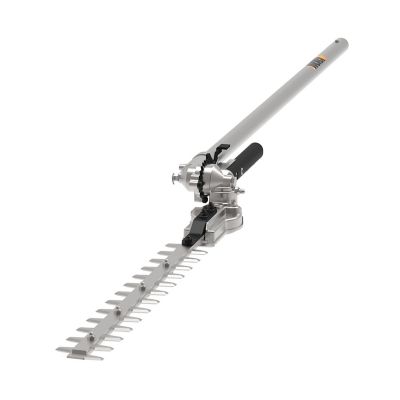
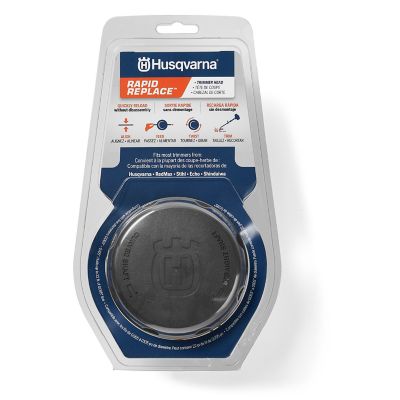
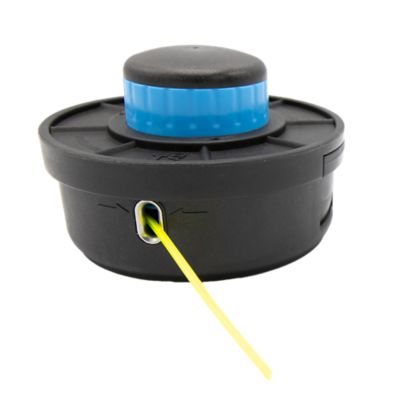
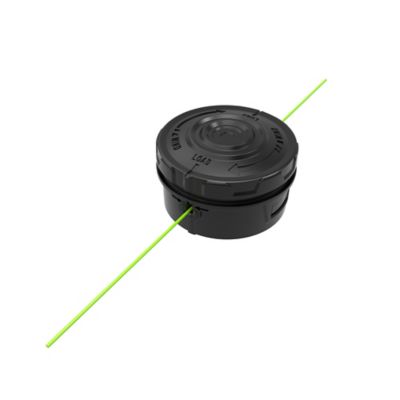
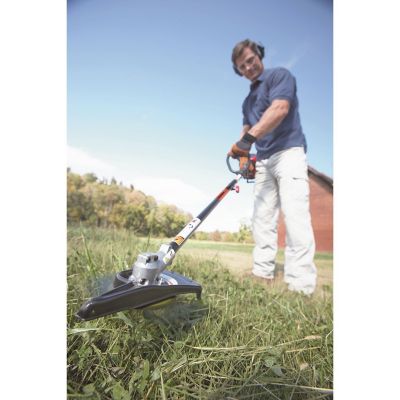
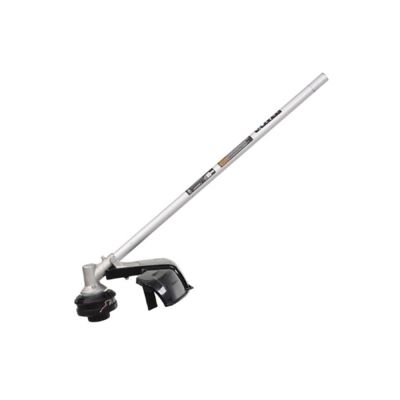
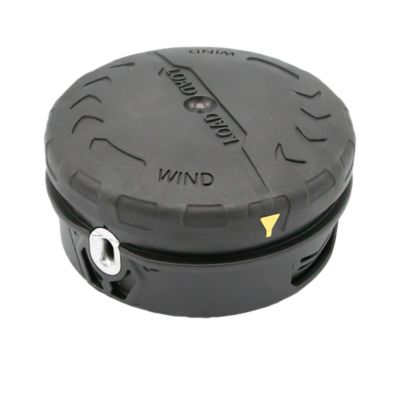
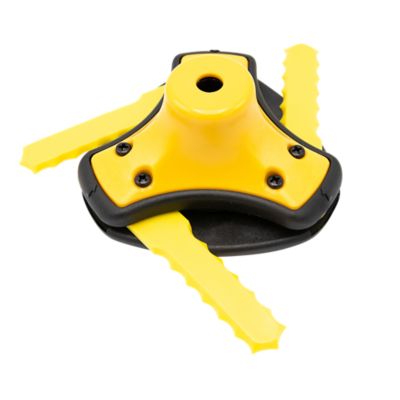
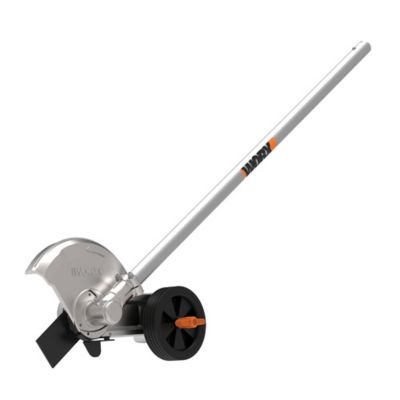
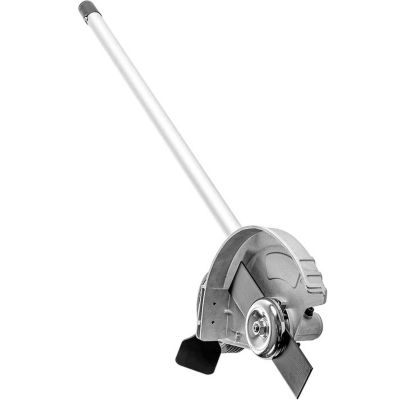
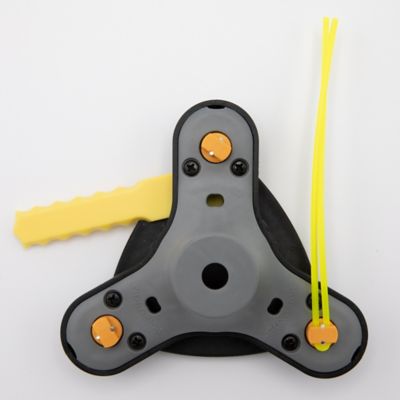
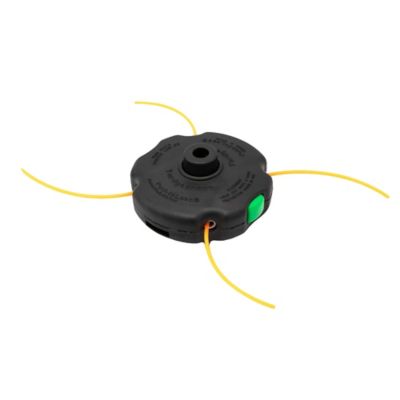
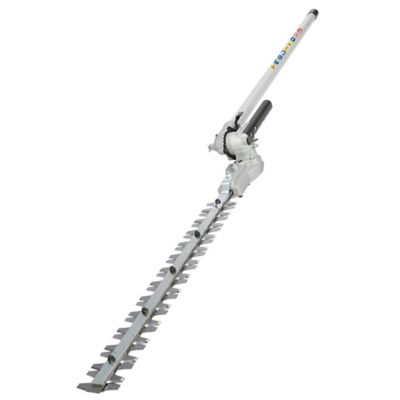
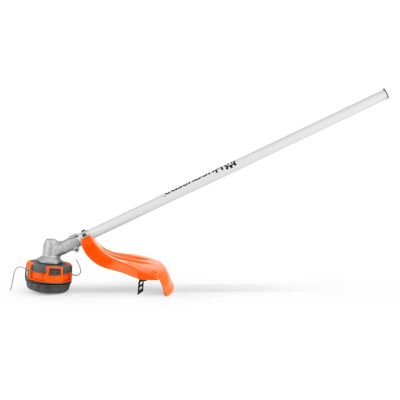
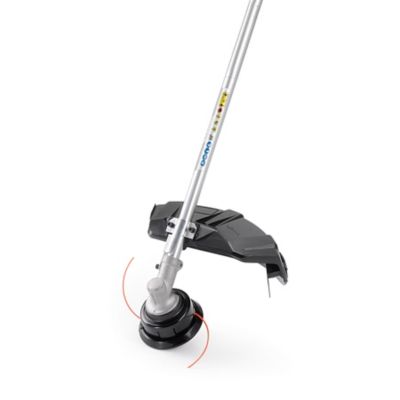
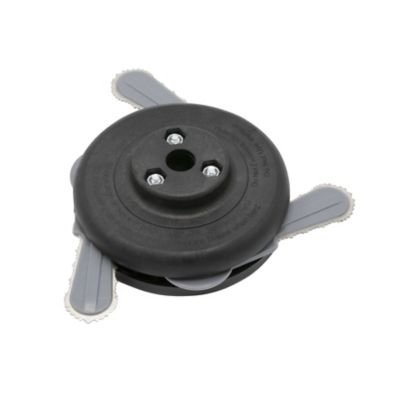
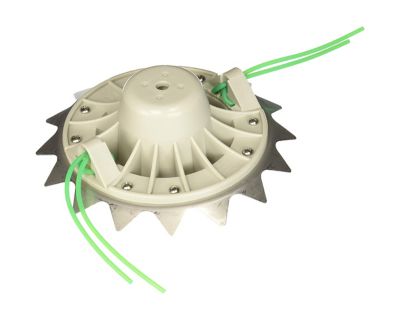
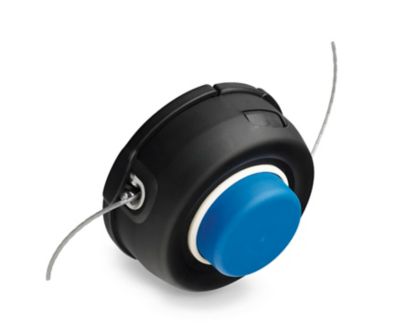
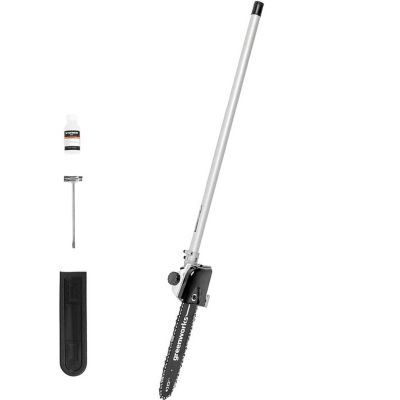
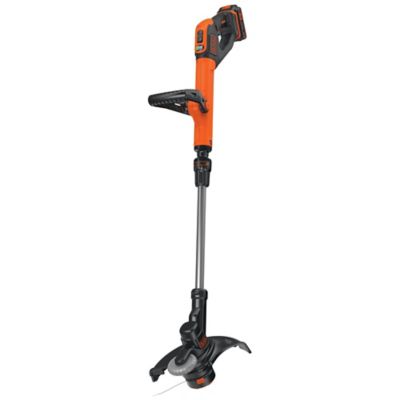
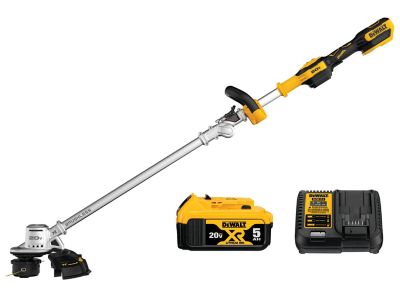
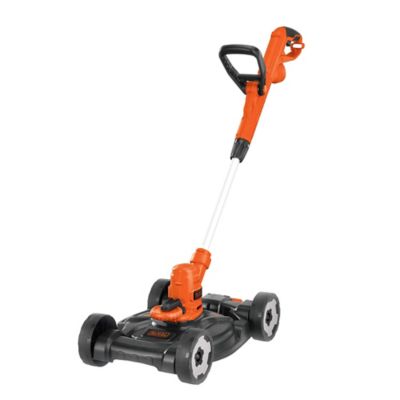
A string trimmer attachment connects to a compatible attachment-capable power head to cut grass and light weeds with flexible cutting line. Replacement trimmer heads fit at the cutting end of compatible trimmers and determine how the line loads, feeds, and cuts. Both belong in the conversation about string trimmer attachments, but they serve different equipment needs: a shaft attachment adds a trimming assembly to a power head, while a replacement head changes or restores the cutting end of a trimmer. Around a home, farm, or small acreage, these attachments handle the narrow strips and awkward corners a mower cannot reach. Think grass along a shed wall, growth beneath the bottom rail of a fence, or the patch beside a gate where there is barely room to turn a mower. Flexible line suits grass and lighter weeds, with enough maneuverability to work around obstacles while keeping clear of tree bark, wooden posts, and other surfaces that line can damage. Property owners, groundskeepers, and small maintenance crews may value different features, depending on how much ground needs attention and how often trimming comes up. Someone tidying a modest yard may put simple line loading first, while someone working along a long stretch of fence may care more about reach, balance, and fewer interruptions. Line-feed styles make a noticeable difference during that work. Bump-feed heads advance line with a tap according to the equipment’s operating instructions, fixed-line heads hold individual precut lengths, and automatic-feed designs manage line advancement through their own mechanisms. A spool that is straightforward to reload can take some frustration out of a job, especially when there are several fence corners left to finish. Cutting width matters, too. A wider approved cutting swath covers more ground per pass, while the overall size and shape of the assembly affect access around tight spots. The right combination keeps the equipment suited to the work rather than asking a grass-trimming setup to tackle growth beyond its limits.
Fit comes before convenience when comparing string trimmer attachments. A shaft connection that looks close is not necessarily a match, and an attachment-capable power head does not accept every shaft assembly. Coupler design, shaft diameter, drive connection, and the equipment manufacturer’s compatibility requirements all matter. Gas-powered and battery-powered equipment can each support attachment systems, but the power source alone does not establish compatibility. For replacement heads, mounting hardware, thread size, thread direction, and operating requirements determine whether the head belongs on a particular trimmer. Straight-shaft and curved-shaft equipment may call for different mounting arrangements, so the equipment model and its manual provide a better starting point than appearance. The same attention applies to cutting line. Diameter, profile, and length need to stay within the head and power unit’s specifications; thicker line is not automatically a better choice for every job. Line beyond the approved size can interfere with feeding and place extra strain on the equipment. Materials also influence how an attachment handles everyday contact, vibration, and wear. Metal shafts and drive components carry power to the cutting assembly, while molded polymer housings help keep many trimmer heads manageable in weight. The construction of the spool, cap, line outlets, and retaining tabs matters because those parts see repeated loading and contact with abrasive debris. Replaceable wear parts can make ongoing upkeep more practical when the rest of the assembly remains in good working order. Weight and balance deserve attention alongside construction. An attachment that puts more weight at the far end of the shaft changes how the tool feels when reaching beneath fence rails or following a long border. Handle position and an approved support strap, where applicable, can affect control and comfort. The proper guard and line-limiting components remain part of the setup, not optional extras. Eye protection, suitable footwear, and clearance from people, animals, vehicles, and windows matter even on a short trimming job, since cutting line can send loose debris flying.
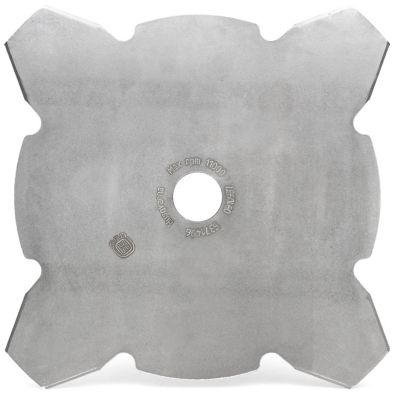
The type of growth around the property helps separate a sensible string trimmer attachment from equipment intended for heavier cutting. Grass around a mailbox, soft weeds beside an outbuilding, and narrow lawn edges are different jobs from dense stalks or woody brush. For tougher growth,
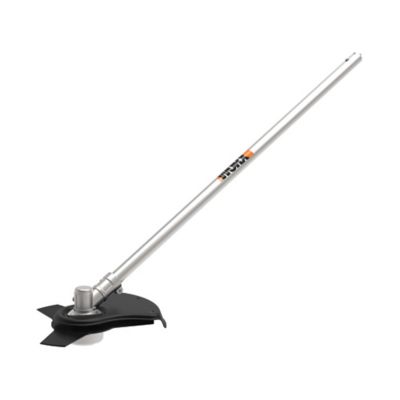
Brush Cutter Attachments belong to a different cutting category, with their own power, guarding, and compatibility requirements. A metal blade is not a simple substitute for line on a head or power unit that lacks approval for it. Keeping those distinctions clear helps protect both the equipment and the person operating it. Routine care is more straightforward when the assembly allows access to the parts that need attention. Grass wrapped around the shaft near the head, packed debris beneath the guard, and dirt inside the spool area can interfere with operation. With the engine stopped or the battery removed, as directed by the equipment manual, those areas can be checked before the next job. Cracked housings, worn line outlets, loose fasteners, and damaged retaining tabs are signs that parts need attention rather than another stretch of fence. A cap that no longer locks firmly or a head that vibrates unexpectedly should not be brushed aside. Shaft attachments also benefit from clean connection points, secure couplers, and any lubrication specified for the drive system or gearbox. Not every assembly has the same service requirements, so care should follow the instructions for that equipment. Storage matters between jobs as well: a clean, dry spot, protection for exposed connections, and support that keeps long shafts from getting bent or knocked over help preserve the assembly. For someone buying an attachment as a practical gift, the recipient’s equipment model is more useful than a guess about what might fit. For anyone maintaining their own place, a matching connection, suitable cutting line, manageable weight, and accessible service parts are the details that help keep trimming work moving.