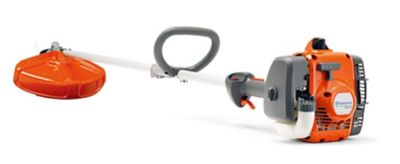
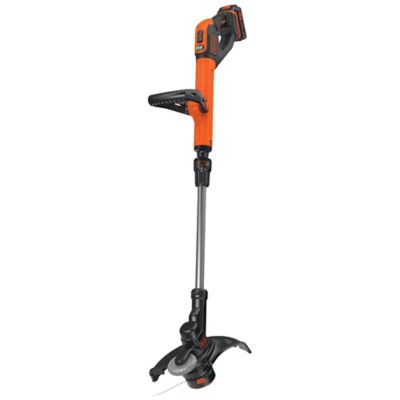
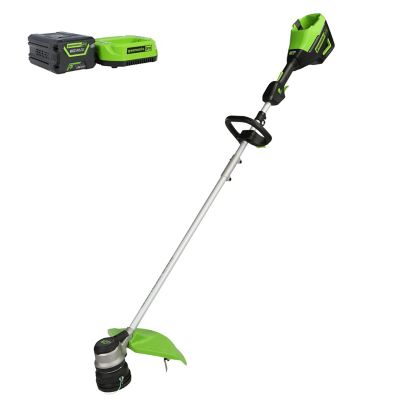
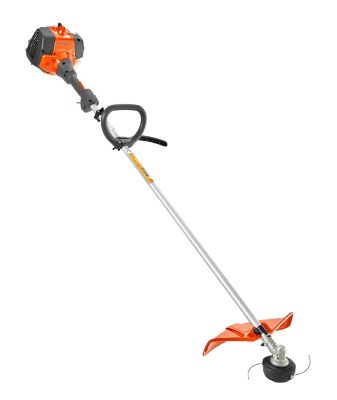
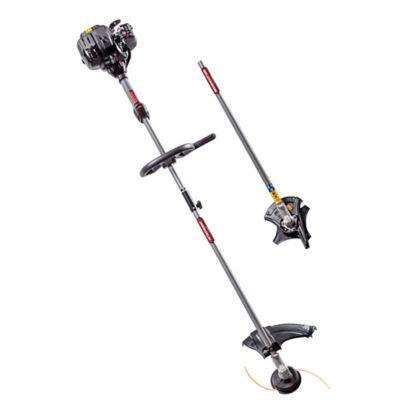
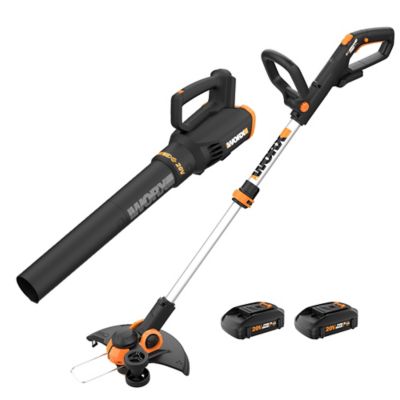
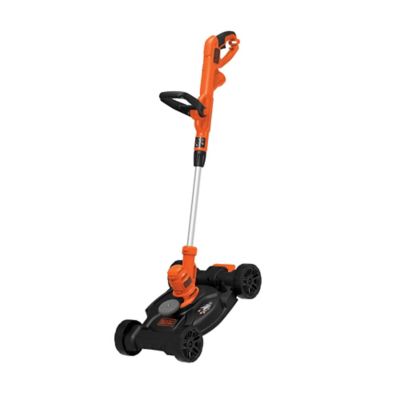
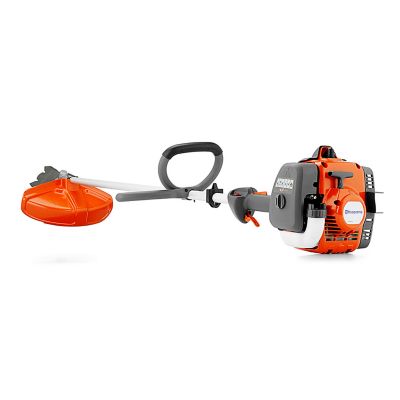
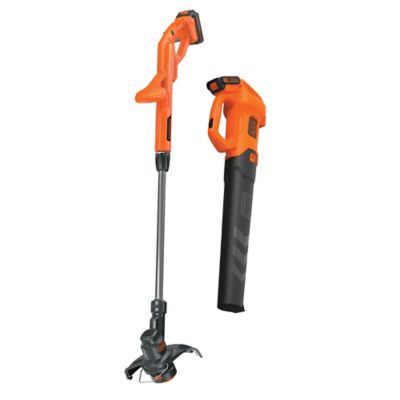
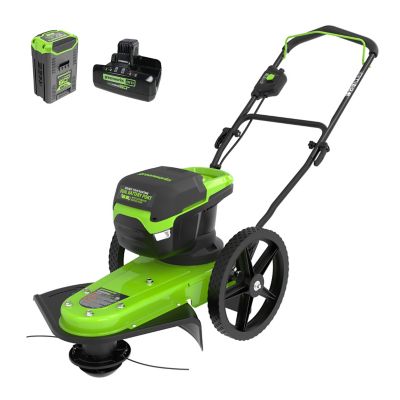
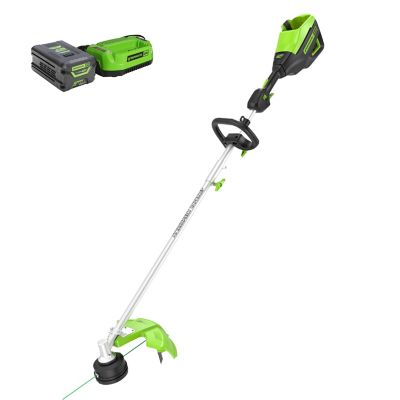
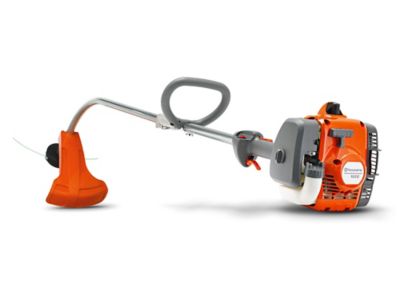
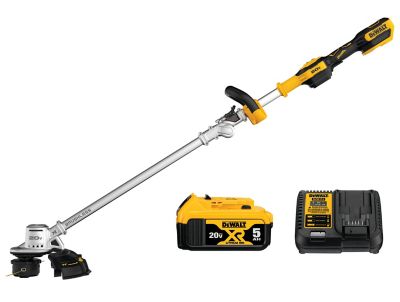
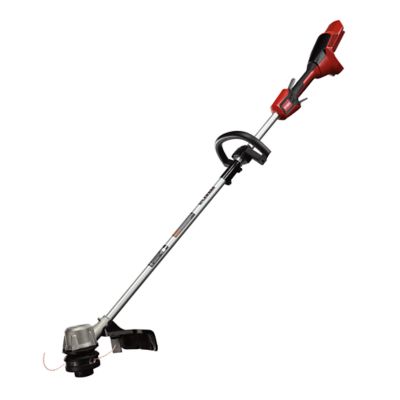
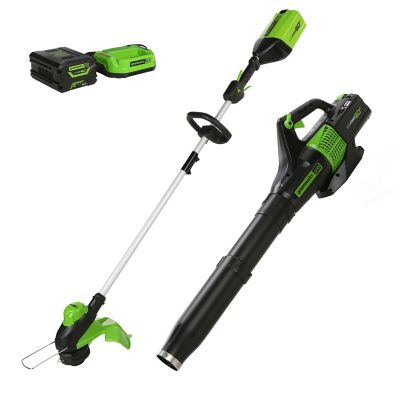
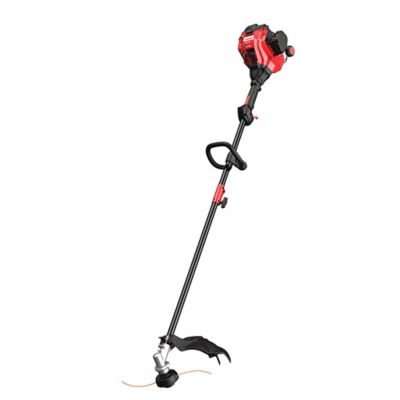
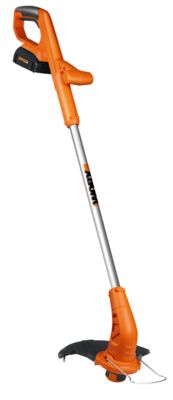
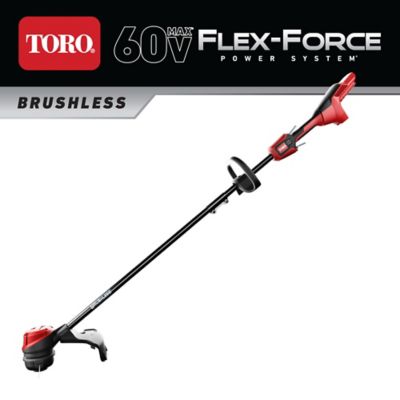
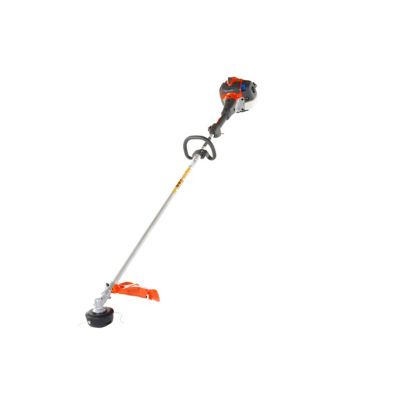
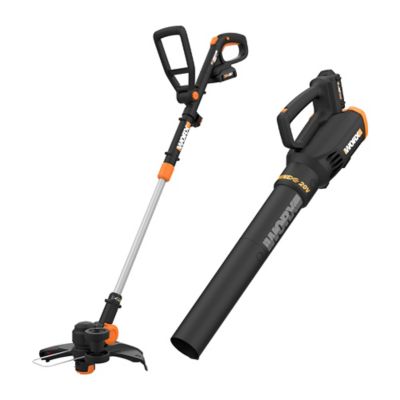
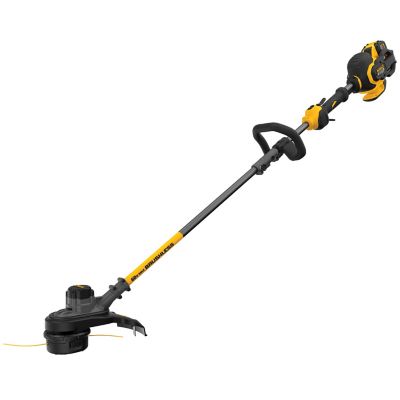
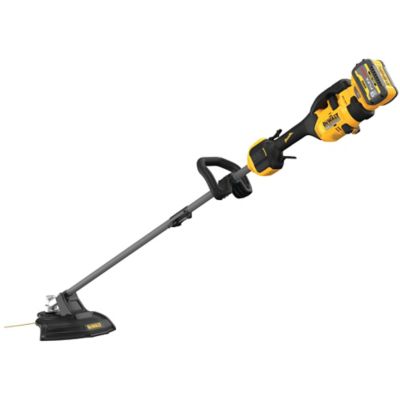
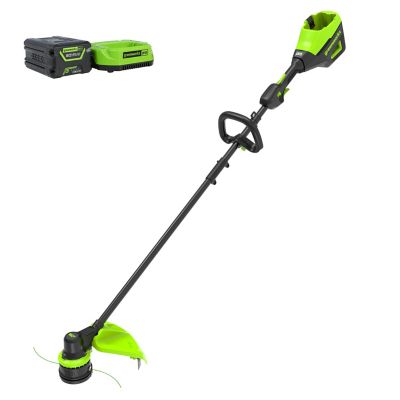
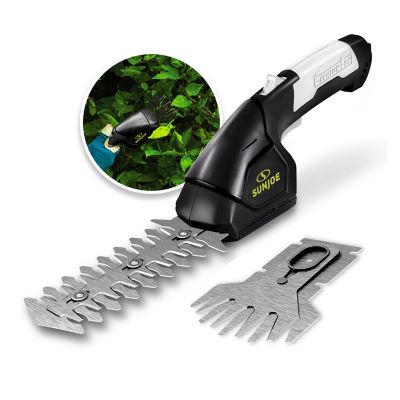
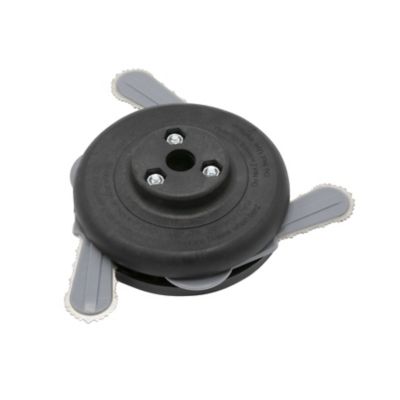
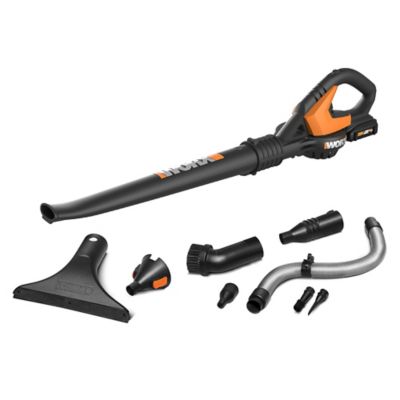
Grass trimmers are handy for the places a mower simply cannot reach. They clean up the narrow strip beside a fence, knock down weeds around trees and posts, and give flower beds, walkways, sheds and driveways a neat finished edge. A mower may leave a few stubborn blades standing where the deck cannot fit, especially along uneven ground or beside a gate, while a trimmer can handle those rough little corners with much more control. That makes grass trimmers a useful choice for homeowners, renters, small-farm owners, property managers and anyone who takes pride in keeping the yard tidy without spending all day on it. They are also useful around barns, outbuildings, pasture entrances and other areas where grass and light weeds tend to creep in. When choosing from a selection of
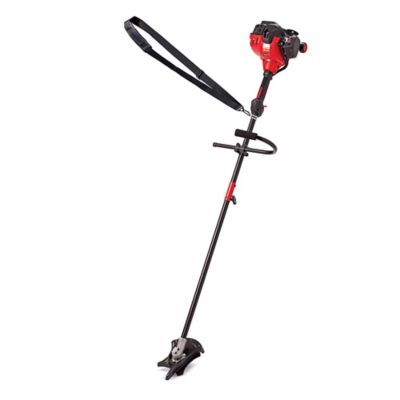
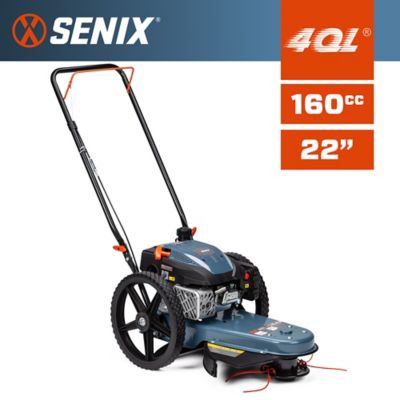
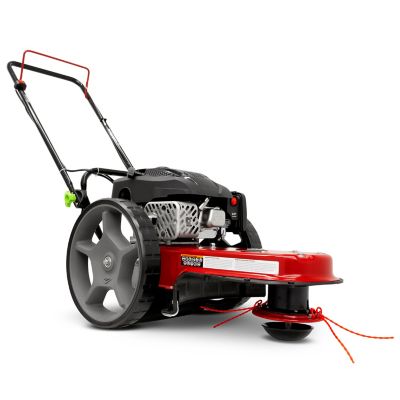
String Trimmers, consider the size and condition of the area, how often you expect to trim, and whether you need a lightweight tool for occasional touch-ups or a more powerful option for thick growth and larger properties. Battery-powered models are popular for their quiet operation, push-button starting and low maintenance, making them convenient for routine yard work and neighborhoods where keeping noise down matters. Corded electric trimmers can be a practical fit for smaller spaces near an outdoor outlet, with steady power and no fuel to store, although the extension cord needs to stay clear of the cutting area. Gas-powered models are often chosen for longer work sessions and heavier growth, particularly where there is no convenient outlet or where a large property calls for plenty of freedom to move. Each type has its place, and the best fit usually comes down to yard size, vegetation, storage space, comfort and personal preference.
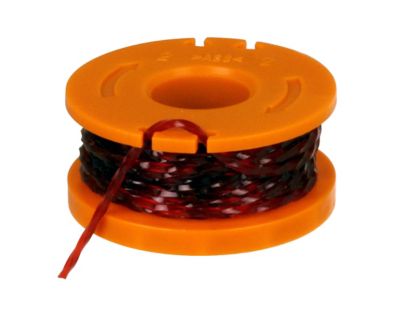
A few small details can make a big difference in everyday use. Check the cutting swath to see how much ground the trimmer can cover with each pass, and look for an adjustable shaft or handle if more than one person will use it. A balanced tool is easier on the back and shoulders, especially when cleaning up a long fence line or working around several buildings. Weight matters, too. A lighter battery or corded model may be comfortable for trimming around a house, while a heavier-duty tool may be better suited to tall grass, dense weeds or rough areas that do not get regular attention. Pay attention to the type of line the trimmer uses, how easily line is advanced or replaced, and whether replacement line is readily available. A bump-feed head lets the operator release more line as needed, while automatic-feed designs can simplify quick touch-ups. Some trimmers can rotate or adjust for edging, which helps create a crisp line along a sidewalk or driveway. For ordinary trimming, keep the head parallel to the ground and work at a steady height rather than cutting down into the soil. For edging, the head can be turned so the line meets the border vertically. Move slowly around young trees, ornamental plants, landscape fabric and sprinkler heads, since spinning line can damage bark or nick delicate materials. Before starting, clear away loose sticks, stones, wire and other debris that could be thrown by the cutting head. Safety glasses are a must, and sturdy closed-toe shoes, long pants and hearing protection are smart choices, especially when working around dry gravel or heavier growth. Keep people and pets at a safe distance, and follow the operating and maintenance instructions that come with the trimmer.
Grass trimmers can be a thoughtful gift for a new homeowner, a family member caring for an older property, or a neighbor who enjoys keeping the place looking sharp. They are especially useful for someone who has recently added a fence, planted new beds or taken on a larger yard with several hard-to-reach areas. During the warmer part of the growing season, a quick pass can keep grass from hiding edging stones and weeds from taking over around posts and foundations. As the weather cools, trimming can help tidy up lingering growth and clear paths around sheds, coops and gates before outdoor chores become less frequent. On rural properties, a trimmer may be used along fence rows, around feed storage areas, near mailbox posts and beside gravel drives, where a mower is awkward or likely to pick up stones. It is worth matching the tool to the work instead of choosing only by appearance or price. Think about access to charging or fuel, expected run time, storage requirements, vibration, noise and the availability of replacement parts and line. Battery users may want to compare battery capacity and whether a charger is included, while gas users should be prepared for fuel handling, air-filter care and routine engine maintenance. Corded users should choose an outdoor-rated extension cord of the proper length and keep it behind the cutting path. With the right fit and a little care, a grass trimmer can turn those ragged edges and overgrown corners into clean, manageable spaces, helping the whole property look more cared for from the driveway to the back fence.