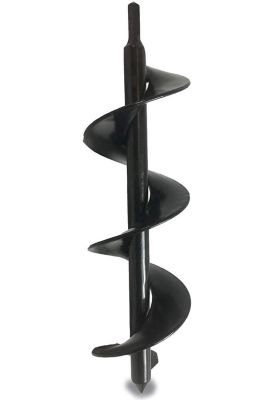
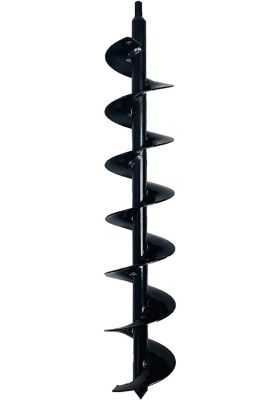
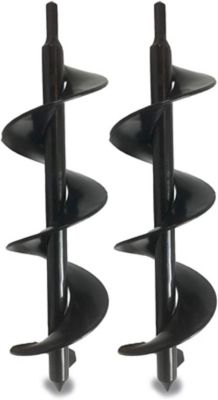
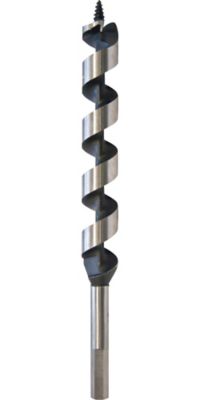
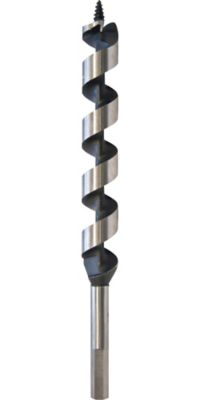
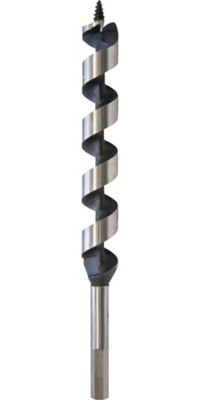
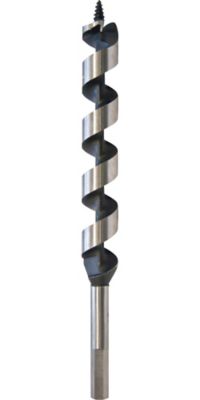
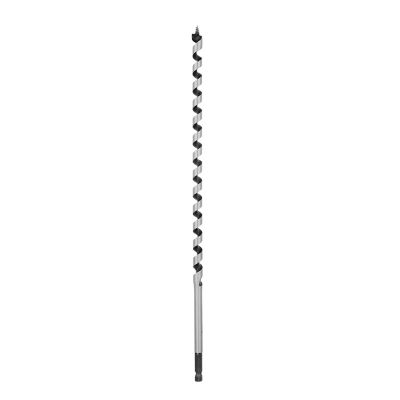
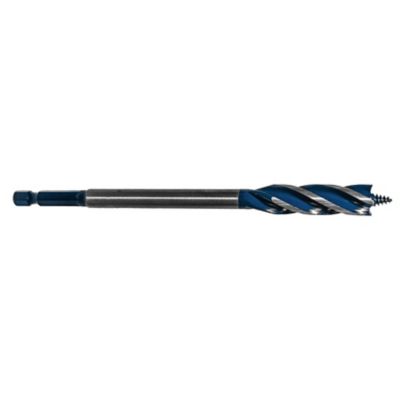
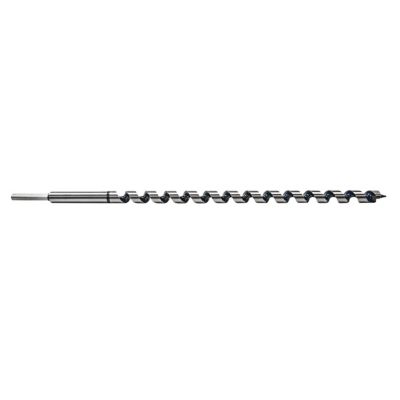
Auger bits are spiral-shaped boring attachments that cut holes in wood or soil and carry loosened material toward the opening. Their helical flights help move wood chips or dirt out of the cutting path, making them useful for deeper holes where debris can otherwise pack around the bit. Wood auger bits and earth auger bits share that spiral shape, but their cutting edges, dimensions, and mounting connections serve very different jobs. In the farm shop, wood auger bits handle tasks such as boring timber for bolts, drilling fence rails, and making openings for wiring where construction requirements allow. Many wood designs have a threaded lead screw that draws the cutter into the material, reducing the forward pressure needed from the operator. Cutting lips remove the wood, while scoring spurs on some designs slice the outer edge of the hole to help limit tear-out. The shape and condition of those edges matter when a hole needs a clean entrance rather than ragged fibers around a bolt head. Hardened steel cutting surfaces help hold an edge, though the steel composition and heat treatment vary by design. A bit intended for clean lumber is not automatically suitable for reclaimed boards or framing that may contain nails; contact with metal calls for a bit specifically rated for that work. Diameter determines the opening size, while overall length and usable drilling depth determine whether the cutter can reach through a thick post or across a timber joint. Those measurements are not interchangeable, since part of the bit remains inside the chuck. A long bit offers reach, but it also needs clearance behind the drill and steady alignment at the start. For through-holes, support at the exit face can help reduce splintering. For blind holes, the lead screw may extend beyond the main cutting edge, so its projection belongs in the depth calculation. These details make wood auger bits a practical match for carpenters, fence builders, maintenance crews, and landowners tackling substantial lumber work.
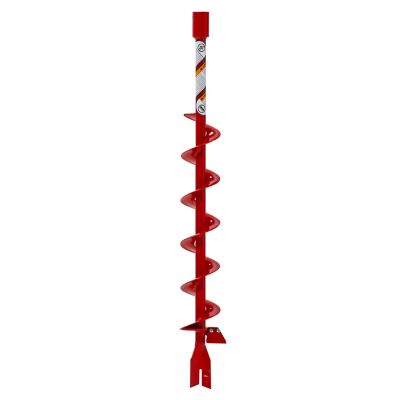
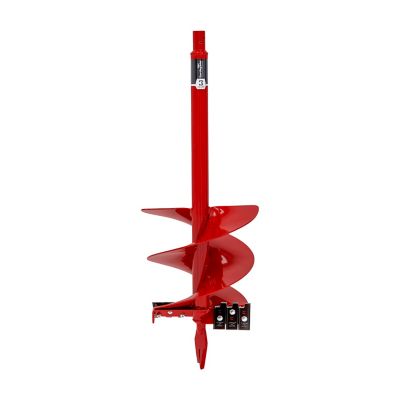
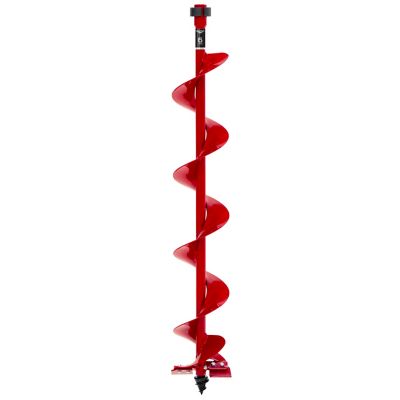
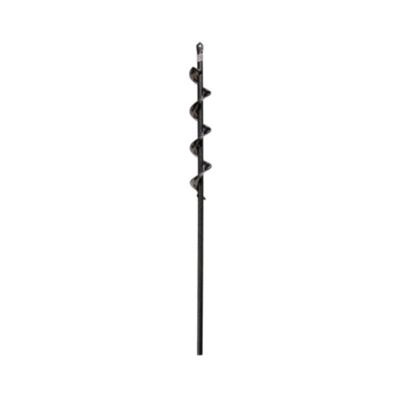
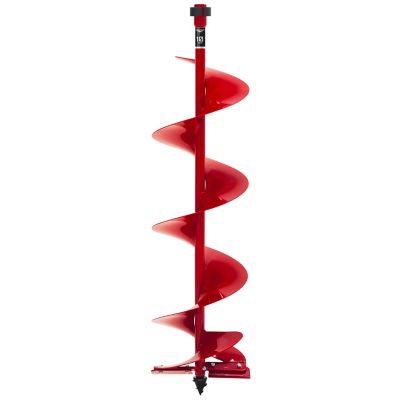
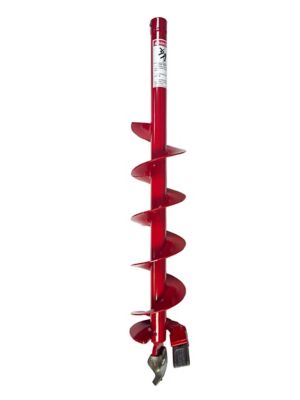
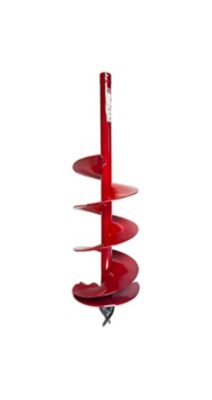
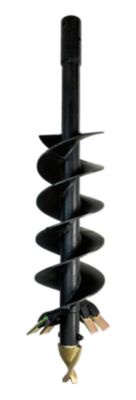
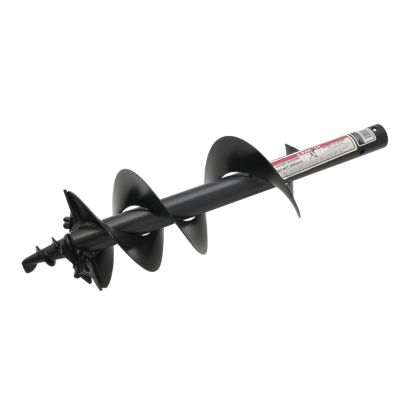
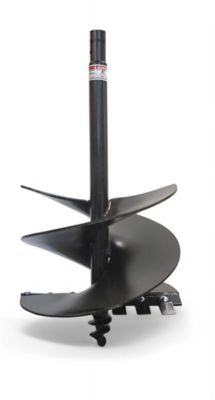
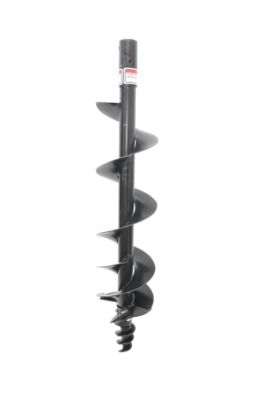
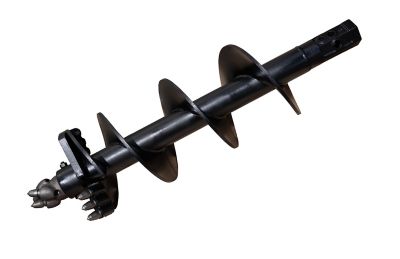
Earth auger bits move the same basic concept out of the shop and into the ground. Smaller drill-powered designs suit planting holes and other light soil work when paired with a compatible drill, while larger attachments connect to dedicated powerheads or equipment-mounted drives for fence posts, sign supports, and similar digging jobs. The spiral flights lift loosened soil, and the cutting head breaks material at the bottom of the hole. Unlike a wood auger’s lead screw, an earth auger’s pilot point helps position the bit and begin penetration; the full cutting head and drive system do the digging. Hole diameter and depth should match the intended installation, including any required space around a post for backfill or concrete. A narrow planting hole and a hole for a corner fence post place very different demands on the attachment. Soil conditions matter just as much as size. Loose, sandy ground can behave differently from sticky clay, gravel, or ground threaded with roots. Packed clay may cling to the flights, while stones and roots can stop rotation suddenly. Standard earth bits are not a substitute for rock-rated tooling, and a larger drive does not make every cutting head suitable for every ground condition. Steel flighting, weld construction, shaft design, and replaceable wear components all affect how an earth auger handles repeated work. Some designs have replaceable teeth or cutting edges that take the brunt of contact with abrasive soil. Matching those parts to the original attachment helps preserve the intended cutting geometry and mounting fit. Before any ground penetration, underground utility locations need confirmation through 811 and any additional steps required for private lines. That matters beside a barn or pasture just as much as beside a house, since buried water, electrical, and communication lines may cross a planned fence run. For larger holes, equipment access, overhead clearance, and room to position the drive also shape which auger setup makes sense.
Fit is the detail that ties the bit, power source, and job together. Wood auger bits may have round or hex shanks, while earth attachments can have round, hex, square, or other drive connections, depending on the equipment. Matching a stated diameter alone is not enough: shank size, chuck capacity, shaft connection, retaining hardware, drive rating, and operating limits all need to line up. An attachment that physically fits may still demand more torque than the tool can safely provide. Manufacturer specifications establish the proper pairing, including whether a drill-powered bit requires a particular drill configuration or handle arrangement. Auger bits can grab when they meet a knot, root, or obstruction, so a secure stance, the specified handles, and a clear work area matter more than simply pushing harder. Eye protection and any hearing or respiratory protection called for by the work belong alongside that setup. Service life also depends on what happens between jobs. Packed chips and soil can hide worn edges, loose fasteners, or damage along a flight, making cleaning and inspection worthwhile before storage. Power should be disconnected or the equipment shut down as directed before clearing material, checking hardware, or changing an attachment. Dry storage and manufacturer-recommended corrosion protection help protect exposed steel, while a sheath or rack keeps sharp edges from striking other tools. Wood cutters may need professional sharpening or attention according to the maker’s directions; changing the lead screw or scoring edges carelessly can affect how the bit feeds and cuts. On earth attachments with serviceable cutting parts, matching
Auger Blades by attachment model, mounting pattern, and cutting style helps narrow the search for replacement components. A cracked flight, bent shaft, or damaged connection calls for evaluation rather than another pass through tough material. Whether the work involves a timber gate frame, a row of planting holes, or a stretch of fence posts, the best match starts with the material being bored, the required hole dimensions, and the power source doing the turning.