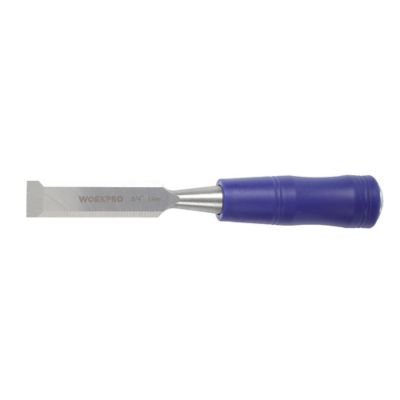
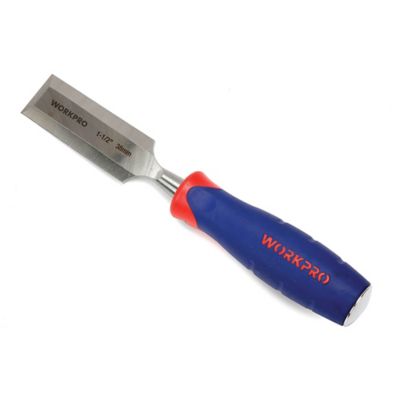
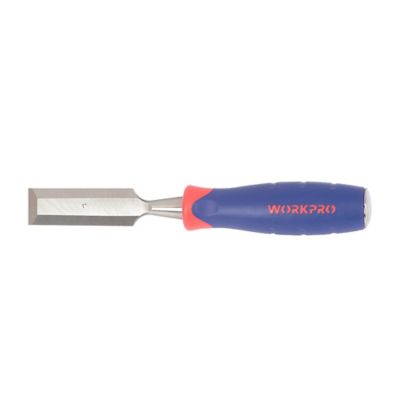
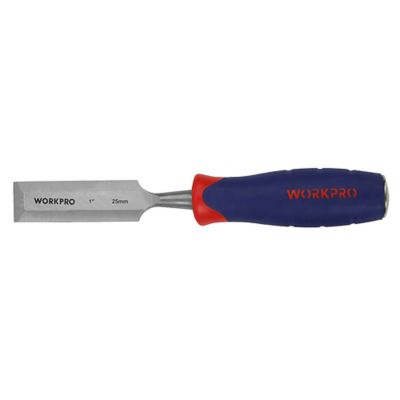
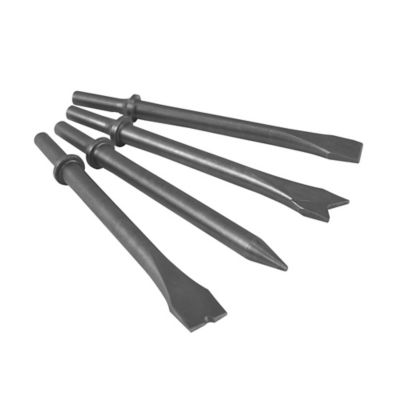
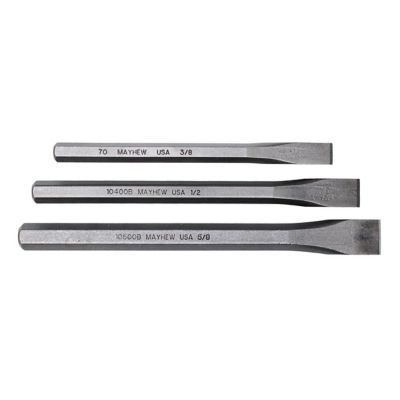
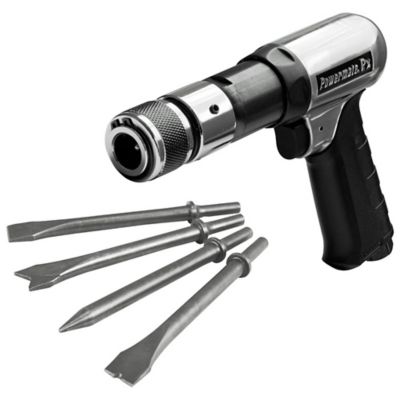
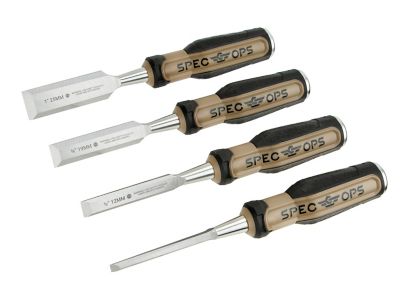
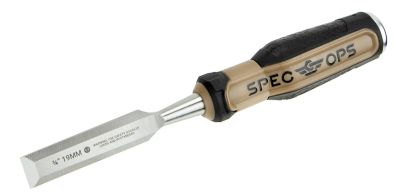
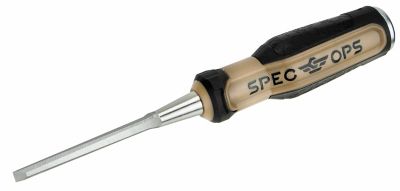
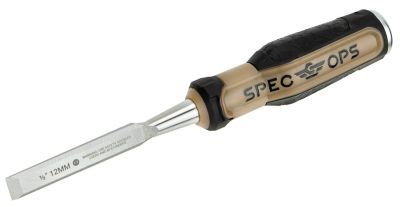
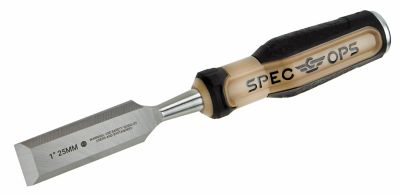
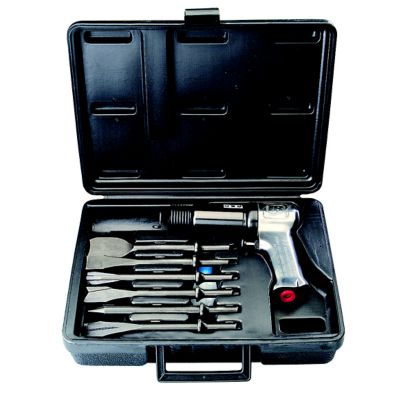
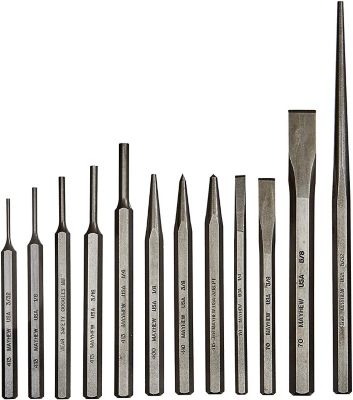
Steel chisels are dependable hand tools for cutting, shaping, splitting, and removing tough material, whether the work takes place in a farm shop, garage, jobsite, or home workshop. A well-made chisel can help cut through an old rivet, separate a stubborn fastener, score masonry, trim a rough edge on wood, or clean up a repair where saws and other tools cannot reach. The right style depends on the material and the kind of force involved. Cold chisels are built for striking and cutting unheated metal such as iron, steel, bolts, and rivets, while masonry chisels generally have wider, flatter blades for scoring and splitting brick, block, stone, and concrete. Woodworking chisels are ground for controlled cutting along or across wood grain and are useful for fitting hinges, cleaning up joints, trimming a tenon, or easing a door that has swollen during damp weather. All-steel and demolition chisels are made for rougher work, including breaking apart stubborn material, knocking out old tile, and handling heavy blows where a lighter tool may not hold up. For jobs that call for powered impact, browse
Air Hammer Chisels as another option. As you compare steel chisels, pay attention to blade width, overall length, edge shape, handle construction, and the type of steel used. High-carbon tool steel is valued for its hardness, edge retention, and ability to be sharpened again, making it a practical choice for many cutting and shaping tasks. Chrome-vanadium and other alloy steels are known for strength, toughness, and resistance to shock, which can be helpful when a chisel will see repeated hammer strikes. A narrow blade concentrates force in a small area for cutting or starting a split, while a wider blade spreads the blow across a larger surface for masonry or general material removal. Longer chisels can provide useful reach, and compact sizes are easier to control in tight spaces. Keep the job in mind, too: a chisel intended for striking should have a striking end designed for that purpose, and a fine woodworking chisel should not be treated like a demolition bar.
Choosing a set with several blade sizes can be a sensible way to cover everyday repairs, especially for a farm or rural property where the next job may involve a gate hinge, a trailer fitting, a section of old fence hardware, or a piece of lumber that needs to be fitted by hand. A single well-matched chisel may be all a hobby woodworker needs, while a mechanic, fabricator, mason, carpenter, or maintenance worker may appreciate a range of shapes for different materials. Steel chisels also make a useful gift for someone setting up a first workshop, restoring an older home, or learning practical woodworking skills, since they take up little storage space and can serve for years when cared for properly. Safe use starts with the basics: wear safety glasses or a face shield to protect against flying chips, secure the work before striking, and use a hammer or mallet suited to the chisel and the material. Keep hands clear of the striking area, avoid using a woodworking chisel as a pry bar, and do not twist a cutting chisel while it is buried in hard material. Inspect the striking end often. Repeated blows can spread the metal into a mushroom shape, and those thin edges may break loose as sharp fragments; a damaged tool should be removed from service or repaired correctly rather than kept in the toolbox. Cutting edges also need regular attention. Sharpen a steel chisel at the proper bevel for its intended work, using a stone, file, or grinder with care. If a grinder is used, light passes and cooling help prevent overheating, which can take the temper out of the steel and leave the edge soft. Wipe away moisture and dirt after use, apply a light protective coating when storing the tools, and keep cutting edges covered so they do not get damaged or cause an accidental cut. During the warmer part of the year and through the cooler months, these simple habits help a chisel stay ready for the next repair, whether that means shaping a board in the shed, splitting a weathered brick, or freeing a rusted piece of hardware from an old machine.