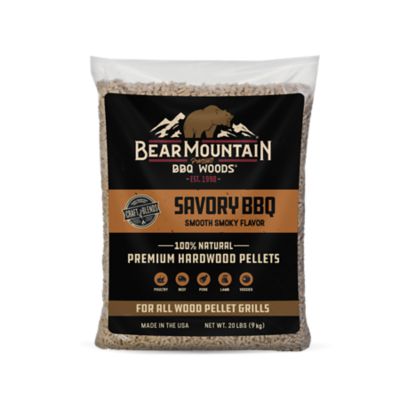
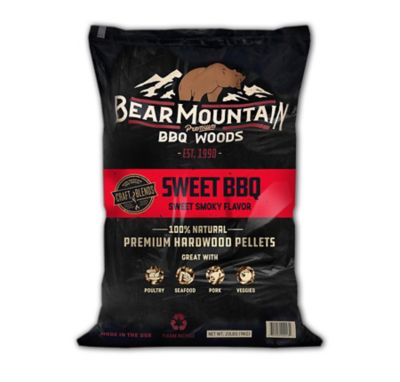
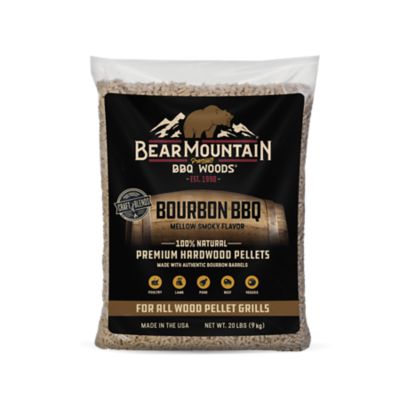
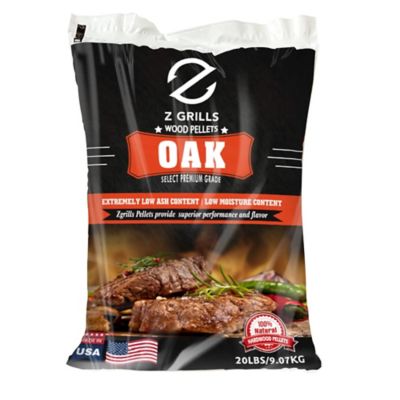
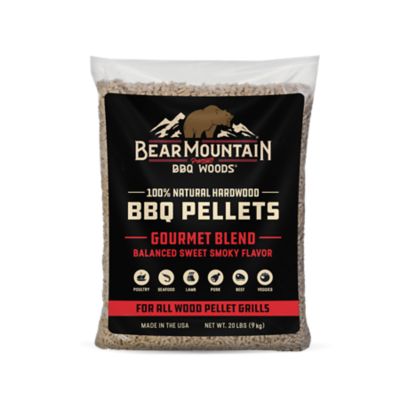
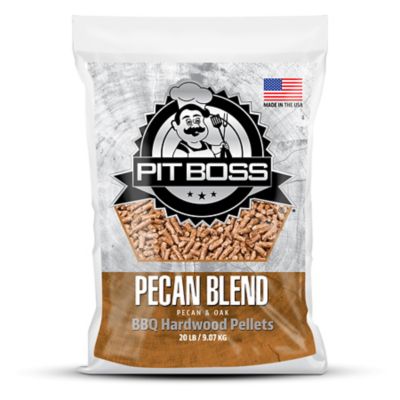
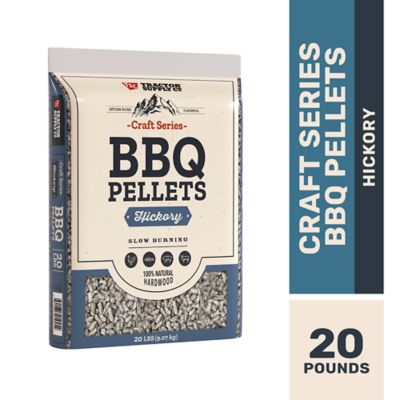
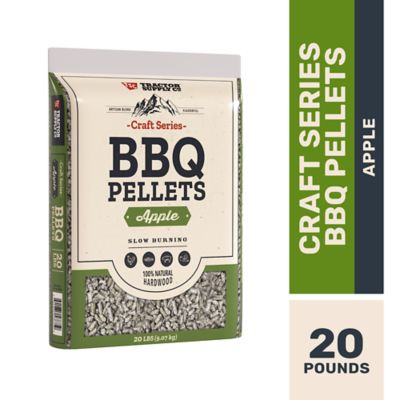
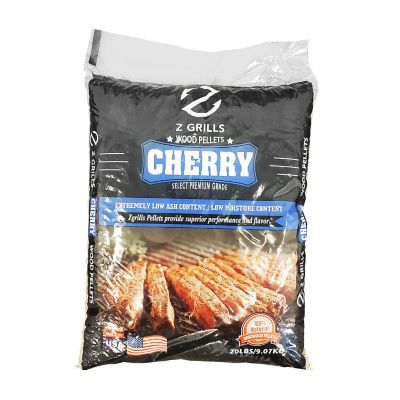
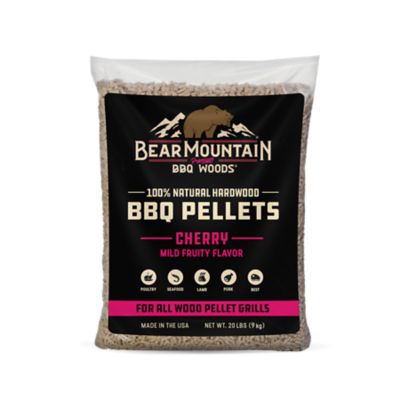
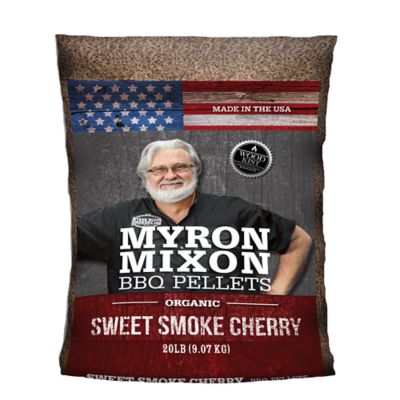
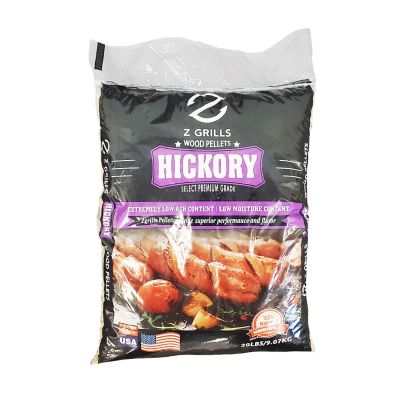
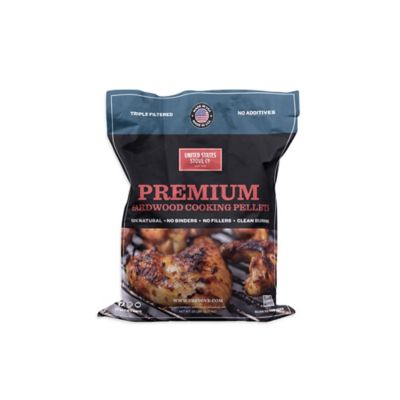
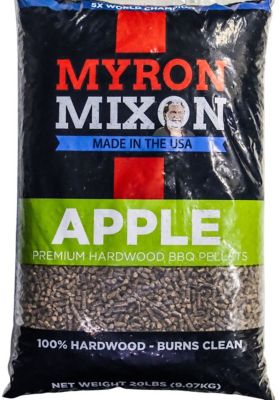
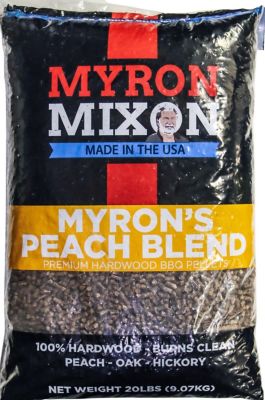
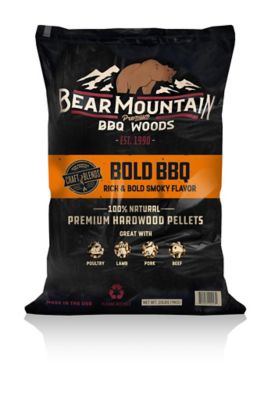
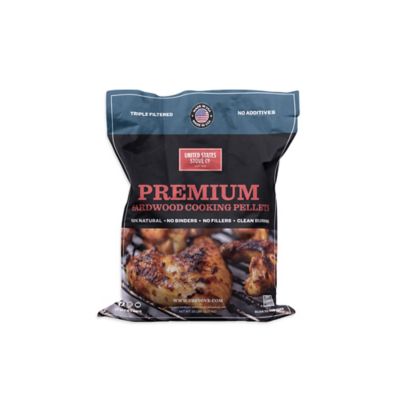
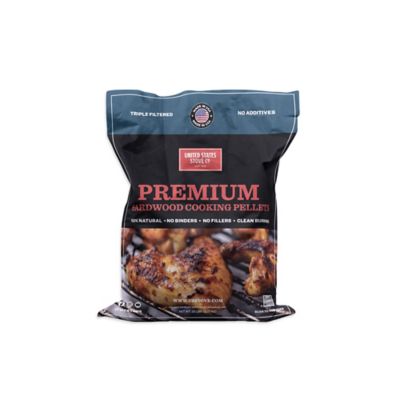
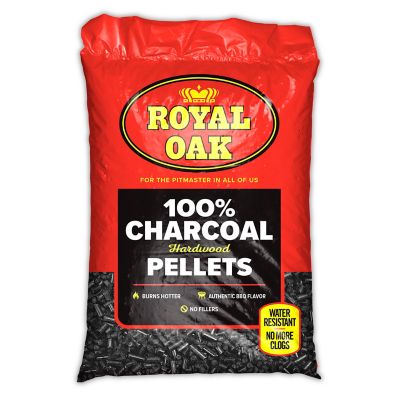
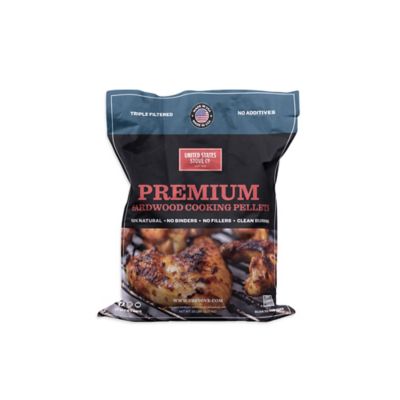
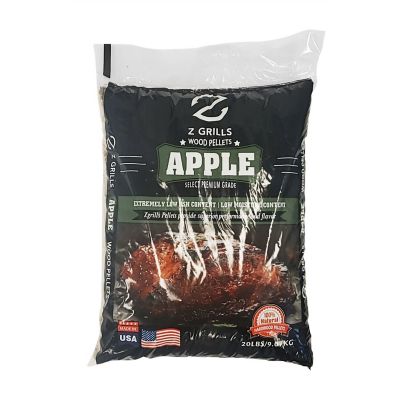
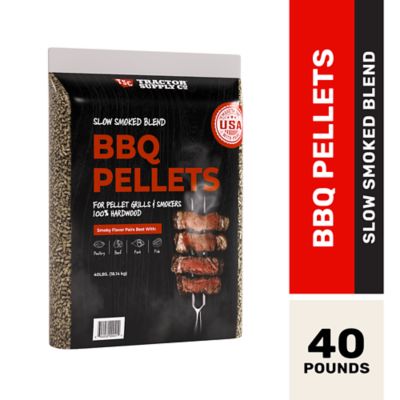
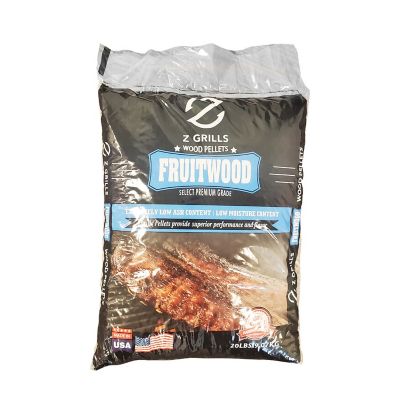
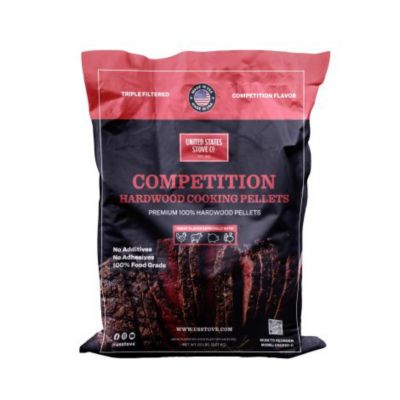
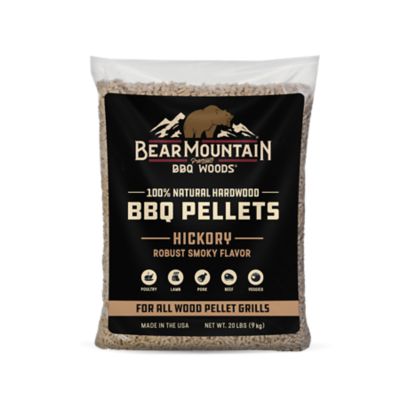
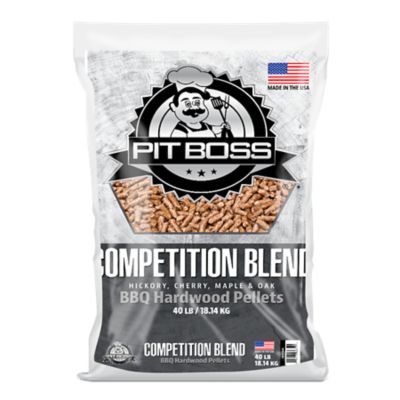
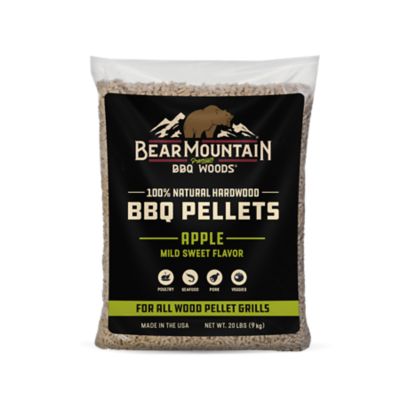
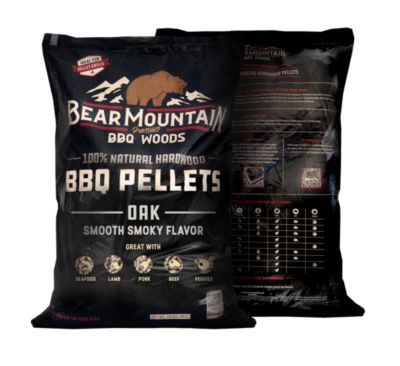
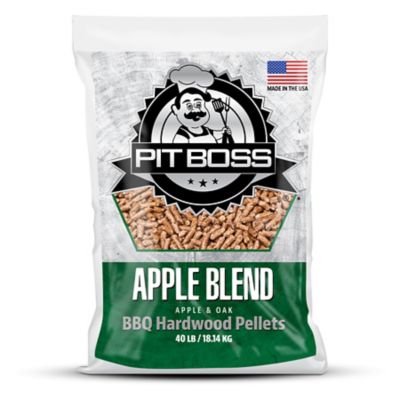
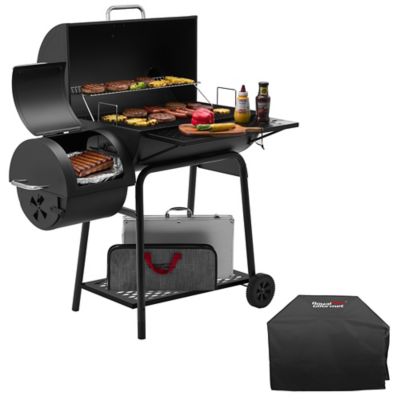
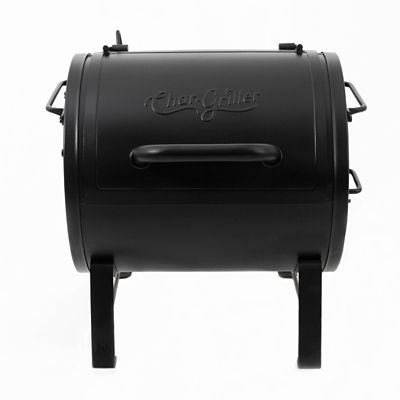
Smoking pellets are a simple way to bring steady wood-fired flavor to backyard cooks, camp cookouts and weekend gatherings. These small, compressed cylinders are made for use in pellet grills, smokers and smoker tubes, where they burn slowly and produce clean, flavorful smoke. They are not the same as heating pellets for a stove or furnace. For cooking, always choose food-grade smoking pellets made from hardwood or another clearly labeled natural cooking material, without chemical binders, glues or accelerants. Heating pellets may contain softwoods, additives or materials that are not suitable for food and can leave behind unpleasant smoke or unsafe residue. When choosing a bag, check that the wood type and intended use are plainly marked, then match the smoke profile to the food on your plans. Hickory brings a bold, savory flavor with a bacon-like character that stands up well to pork shoulder, ribs, burgers and chicken. Mesquite makes a stronger, earthy smoke that pairs especially well with brisket and other hearty cuts, though a lighter hand can help keep its flavor from overpowering the meal. Apple and cherry woods are milder and slightly sweet, making them a good fit for poultry, pork chops, ham, fish and vegetables. Pecan offers a smooth, nutty flavor that works across a wide range of foods and can be blended with fruit woods for a balanced finish. Oak, hickory and fruit-wood blends are useful when you want an all-purpose option for a family cookout where everyone has a different favorite. A good rule of thumb is to start with a milder smoke and add more intensity over time; the goal is a pleasant ring of smoke and a deep, savory aroma, not a bitter coating. Pellets can be used during long, low cooks for pulled pork and brisket, or in smaller amounts when grilling chicken thighs, steaks, sausage, vegetables and even cheese. A smoker tube filled with pellets can add extra smoke to a compatible grill, while a pellet grill uses pellets as both fuel and flavor. Always follow the instructions for your grill or smoker, make sure the vents are clear, and use the right amount of pellets for the cooking method.
Keeping smoking pellets dry is just as important as choosing the right wood. Pellets are compressed under pressure, so moisture can make them swell, crumble and lose their ability to feed smoothly through an auger. Store opened bags in a sealed, airtight bucket or container in a dry area away from rain, sprinklers, damp concrete and sudden temperature changes. A cool shed, pantry or covered storage spot can work well as long as the container stays closed and off the ground. Before cooking, look for firm, intact pellets with a natural wood scent. Pellets that are soft, swollen, dusty or musty may create problems in a grill and should not be used for food. It also helps to keep different wood varieties in labeled containers so you can grab a mild fruit wood for a batch of chicken or a bolder hardwood for a Saturday rib cook without sorting through several bags. Many home cooks keep one versatile blend on hand for ordinary dinners and a second variety for special occasions. Smoking pellets can make a thoughtful gift for someone who enjoys outdoor cooking, especially when paired with a dependable storage container, heat-resistant gloves or a new recipe card tucked into the bag. They are handy for the neighbor who takes pride in slow-smoked pork, the family member who hosts tailgate meals, or the friend who likes experimenting with vegetables, seafood and homemade snacks. During the warmer part of the year, pellets help turn a simple evening meal into a reason to gather around the grill, and as cooler weather settles in, the steady heat and rich wood aroma make long cooks feel right at home. They also fit naturally into holiday meals, game-day spreads and fall get-togethers without requiring a complicated setup. For the best results, allow the grill or smoker to preheat according to its instructions, avoid opening the lid more than needed and give the smoke time to work. The right pellets should complement the food while leaving room for the natural taste of the meat, fish or produce to come through.
A little planning goes a long way when stocking up on smoking pellets. Consider how often you cook outdoors, the size of your grill hopper or smoker tube, the foods you prepare most often and whether you prefer a light, fruity smoke or a deeper, more robust flavor. Keeping an extra bag sealed and stored properly means you are ready for an unplanned cookout, a slow Sunday dinner or a meal shared around a fire pit. Use separate, clean tools for handling raw food and cooked food, maintain safe cooking temperatures and let finished meats rest before slicing so the smoke flavor and juices settle into every bite. Pellets may be small, but they give outdoor cooks plenty of room to develop a signature style, whether that means apple-smoked chicken with crisp skin, pecan-flavored pork, hickory ribs with a dark bark or a gentle blend on garden vegetables. If you are shopping for other supplies at the same time, pet owners can also browse
Cat Food Pellets for a separate part of the household routine. Keeping cooking fuel, food supplies and storage needs organized makes it easier to enjoy the work of preparing a good meal from start to finish.