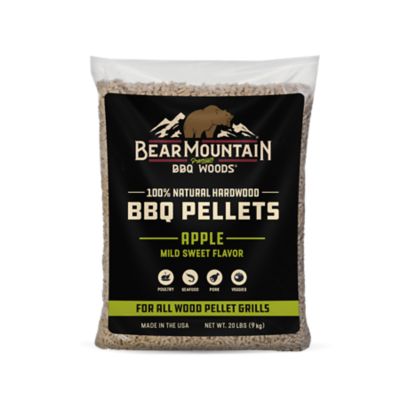
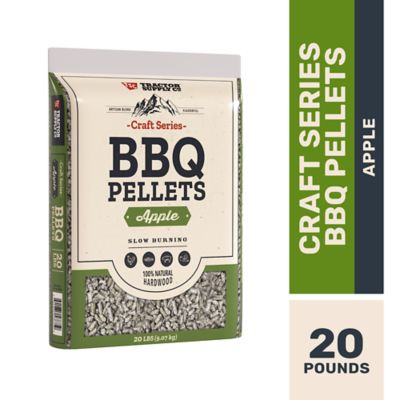
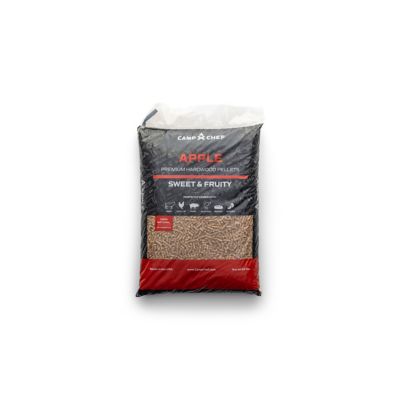
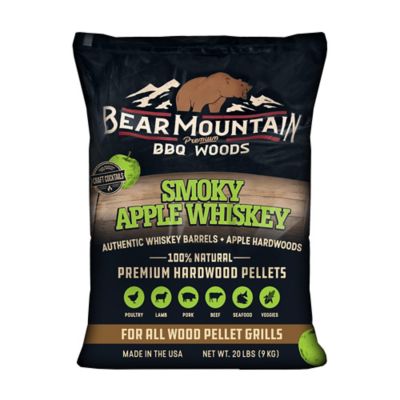
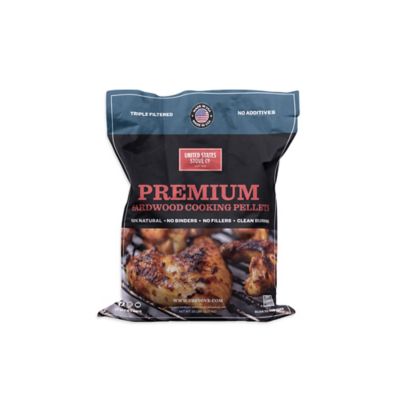
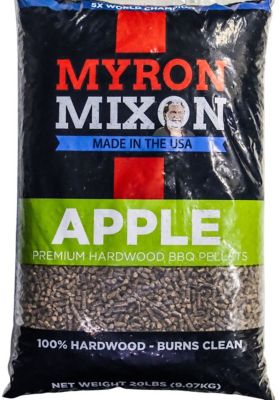
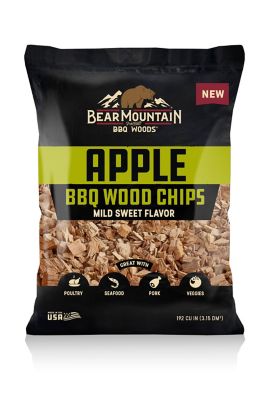
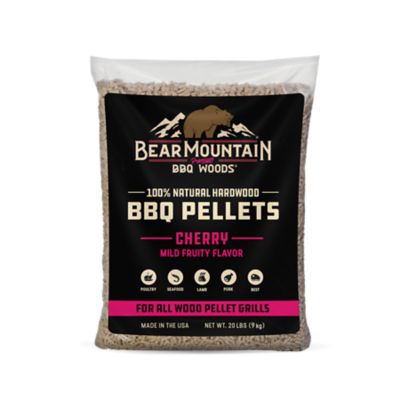
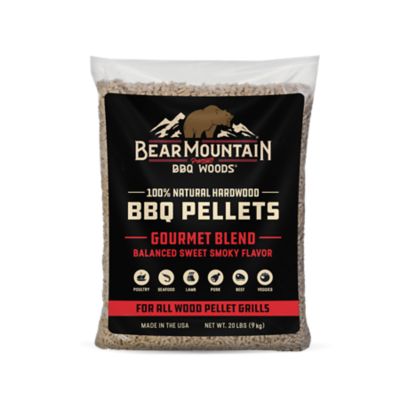
Apple wood smoking pellets bring a mild, sweet, lightly fruity smoke to backyard cooking, making them a good match for pork, poultry, fish, and vegetables. Their flavor is gentler than the bold smoke associated with hickory or mesquite, so the food still gets its say. On chicken, apple smoke adds a mellow wood-fired note without covering up a peppery rub or a simple coating of salt and herbs. With pork ribs, pulled pork, or ham, it complements the meat’s richness and pairs well with tangy sauces, mustard, and brown sugar seasonings. Salmon and white fish also suit this lighter smoke profile, particularly when the goal is a little wood-fired character rather than a heavy smoke taste. Even a pan of onions, squash, or mushrooms can pick up that same easygoing flavor. The sweetness here describes the aroma and flavor of the smoke; apple wood pellets do not sweeten food the way sugar or a glaze does. That distinction matters for cooks who want a savory meal with a soft fruitwood finish. For a household that cooks a little of everything, apple is a practical flavor to keep on hand, whether supper means chicken thighs for the family or a pork shoulder that will feed a full picnic table. It also makes sense for cooks who find stronger woods a bit much on lighter foods. The finished flavor still depends on the grill, airflow, cooking method, and time exposed to smoke, so a pellet’s wood name is only part of the picture. A long pork cook and a quick batch of fish will not pick up smoke in quite the same way. Among the broader range of
Smoking Pellets, apple wood offers a mellow starting point and a useful alternative when a strong, earthy smoke would crowd out the rest of the meal.
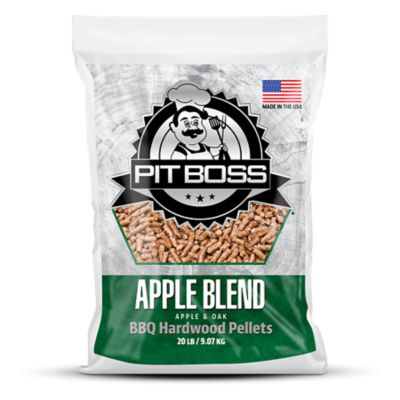
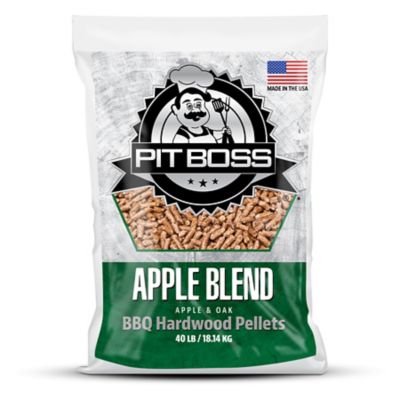
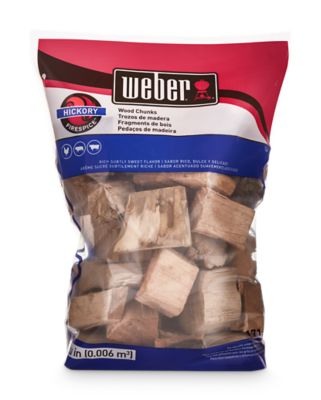
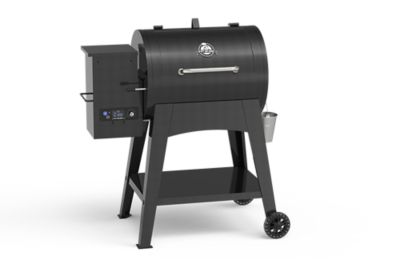
The wood composition is one of the biggest differences to consider when comparing apple wood pellets. Cooking pellets are generally made from finely ground wood compressed into small cylinders, with the wood’s natural lignin helping hold them together. Some contain apple wood alone, while others combine apple with hardwoods such as oak or maple. A blend can bring together apple’s lighter smoke character and the burning characteristics of a base hardwood, but the exact mix varies by manufacturer. A label that says “100% hardwood” does not necessarily mean “100% apple wood,” so the ingredient description is worth a close look. Neither a single-species pellet nor a blend is automatically the better choice; what matters is how its composition fits the flavor and cooking setup. Pellets intended for cooking are the right category for a grill or smoker. Home-heating pellets are not a substitute, since they are not made to the same intended purpose or ingredient requirements. Equipment fit matters, too. Pellet grills commonly feed pellets from a hopper through an auger into a burn pot, and the appliance’s instructions determine which fuel is suitable. A smoke tube or pellet tray may offer another way to add apple smoke in certain charcoal, gas, or electric setups, but only where the equipment maker permits that accessory and fuel. Smoking pellets are not interchangeable with wood chips or chunks in every appliance. Their compact shape is part of how compatible equipment meters and burns the fuel, so pellets that are firm and mostly intact are preferable to a bag with excessive loose dust or crumbled material. Pellet length and diameter can vary, which makes the grill’s fuel requirements more useful than judging fit by appearance alone. Bag size is another everyday consideration: regular cooks may go through pellets steadily, while someone who fires up the smoker less often may prefer an amount that is easier to keep sealed and dry between meals.
Good storage helps apple wood smoking pellets stay ready for the next cook. Compressed wood readily absorbs moisture, and damp pellets can swell, soften, or break apart into sawdust. That damage can interfere with feeding and combustion in a pellet grill, turning a straightforward supper into a hopper cleanout. A tightly closed, moisture-resistant container keeps pellets protected better than an open bag sitting on a shed floor. Keeping the original label with the container also makes it easier to tell apple pellets from other wood flavors and check their intended purpose later. Long stretches in a grill hopper are not ideal if moisture can get inside; the grill maker’s storage and shutdown directions should guide what stays in the appliance between cooking sessions. Pellet condition matters more than simply how long a bag has been sitting, and swollen or crumbling fuel is a sign that moisture has taken a toll. Beyond storage, the best match comes down to what lands on the grate and how often the grill runs. A cook who regularly prepares ribs, chicken, and vegetables may appreciate apple’s flexibility, while someone chasing a pronounced smoke flavor on beef may lean toward a stronger wood or a blend that includes one. Apple can still suit beef when a softer smoke note is the goal; flavor preferences do not follow hard rules. Fuel needs also vary with the appliance, cooking setting, and length of the cook, so bag weight alone cannot promise a set number of meals. Having enough suitable fuel for a long pork shoulder cook is a different consideration from adding smoke to a small tray of vegetables. For a gift, apple wood pellets are a thoughtful fit for a backyard cook whose grill accepts them, especially someone who enjoys trying different woods with familiar recipes. Checking the recipient’s equipment and wood preferences keeps that choice practical. From a rack of ribs with a glossy sauce to a platter of chicken passed around the table, apple wood’s appeal is its balance: noticeable wood smoke that leaves room for the meat, seasoning, and sauce to come through.