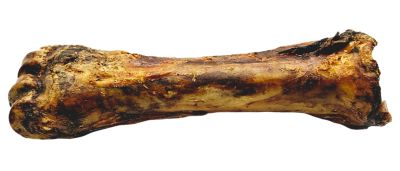
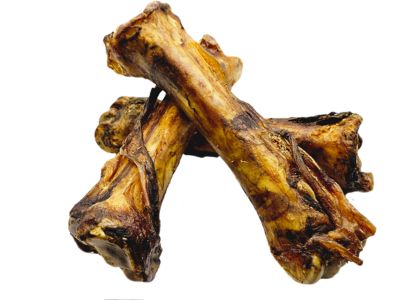
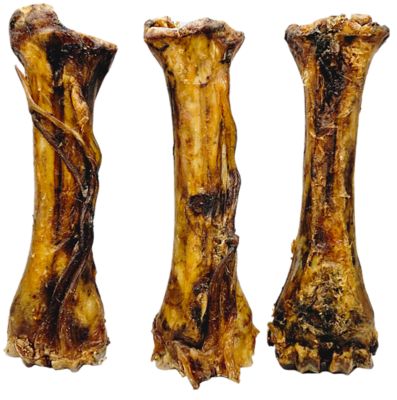
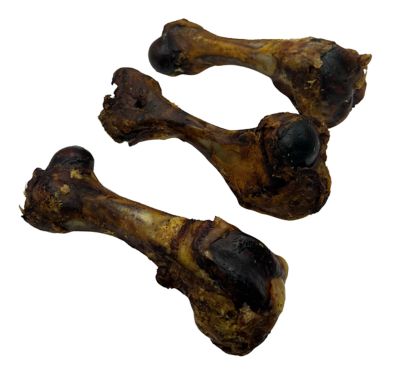
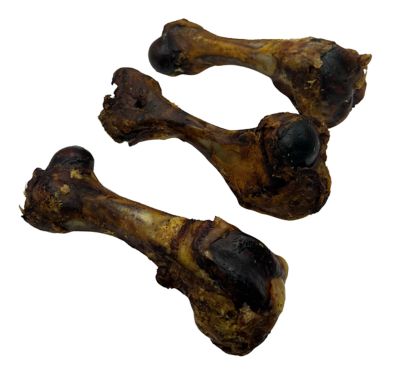
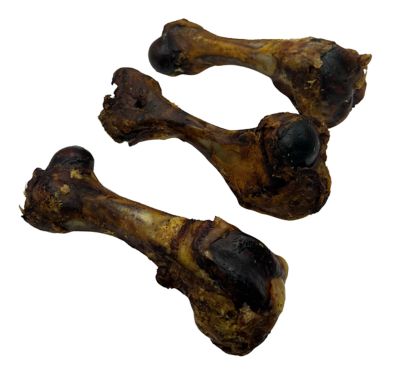
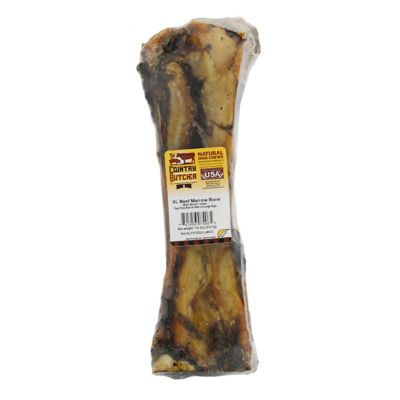
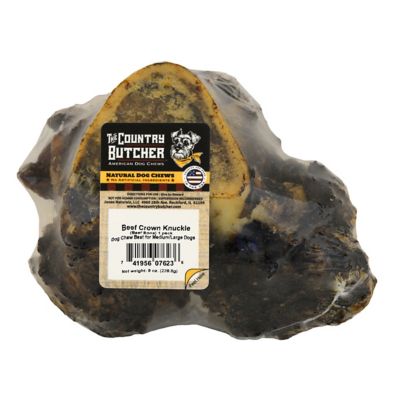
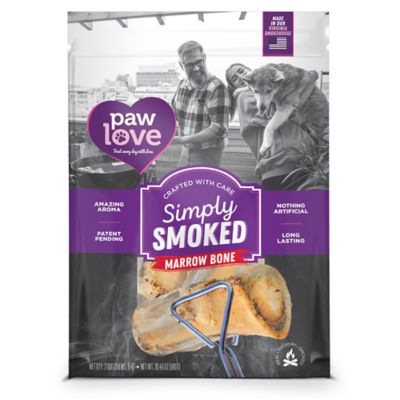
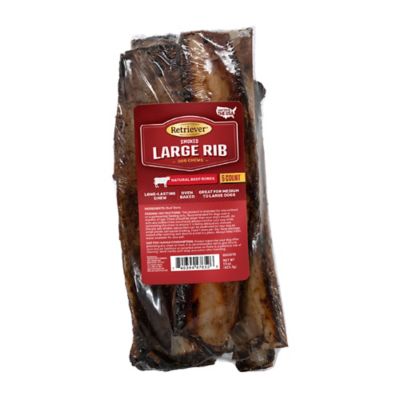
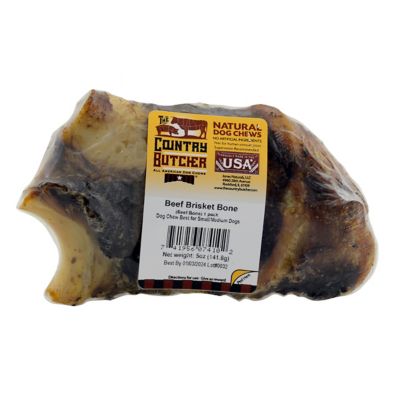
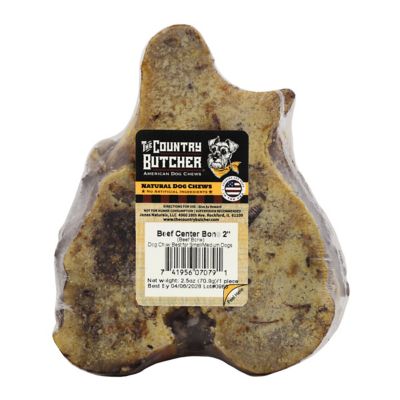
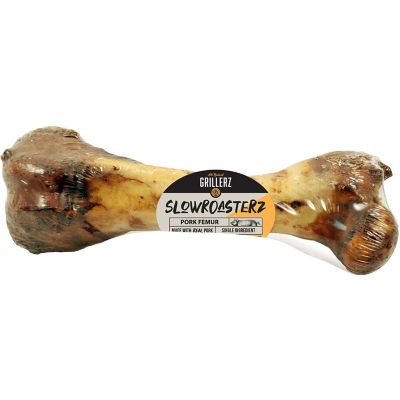
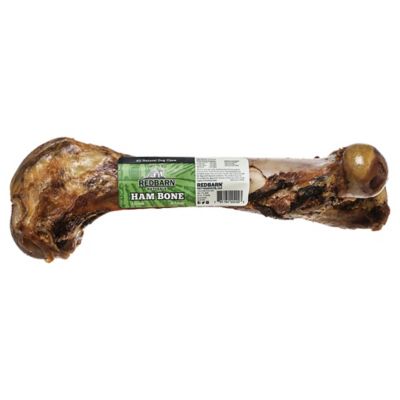
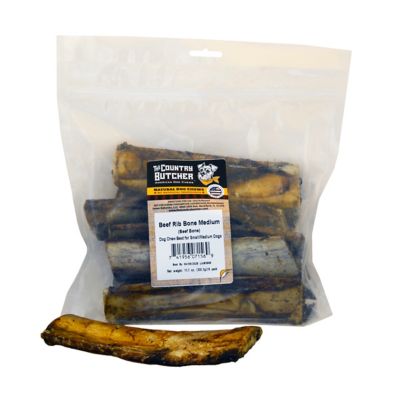
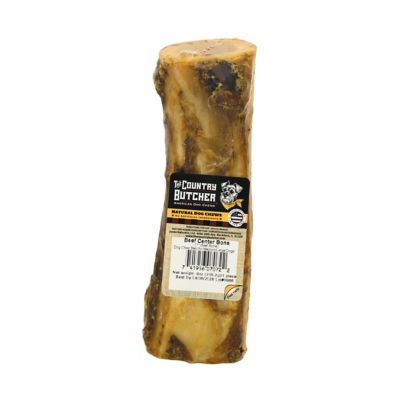
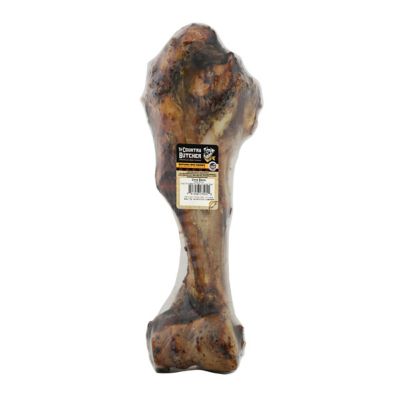
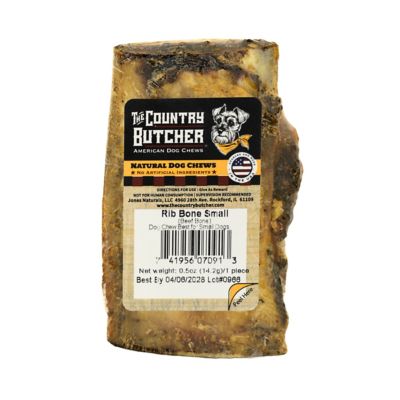
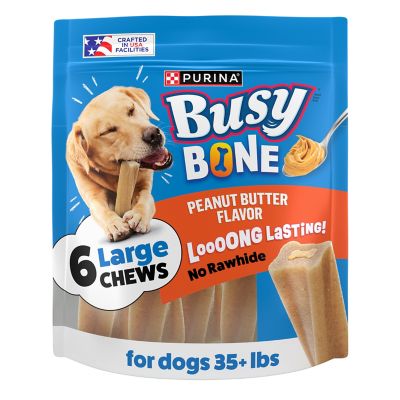
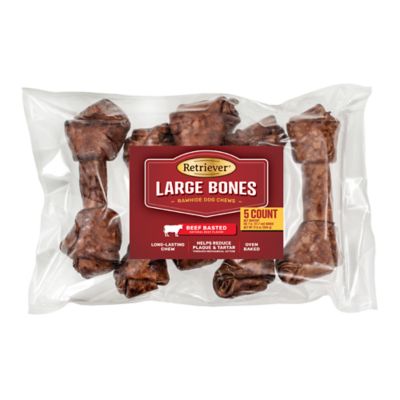
Smoked dog bones are real animal bones prepared with smoke for a savory aroma and flavor that can appeal to dogs. They commonly come from beef or pork and may include marrow, cartilage, or small amounts of attached meat. Unlike a soft treat, a real bone has a hard structure that is not meant to be eaten whole. That distinction matters when comparing smoked bones with other dog chews: smoking does not make bone fully digestible or free of chewing hazards. Heat processing can dry and weaken bone, increasing the chance of splintering, while dense weight-bearing bones can fracture teeth even without breaking apart themselves. Swallowed fragments can cause choking, digestive blockages, or injuries to the digestive tract. Rich marrow and fatty tissue also add calories and may cause stomach upset or trigger pancreatitis, especially in susceptible dogs. Those risks belong in any discussion of smoked dog bones, alongside their scent, texture, and appeal. Across this category, differences in shape, thickness, preparation, and remaining tissue affect what a dog encounters while chewing. A hollow center may contain marrow, while an irregular outer surface may hold small pieces of meat or connective tissue. Neither feature establishes how safely a dog can handle the bone. Likewise, descriptions such as slow-smoked or hardwood-smoked describe preparation, not protection against tooth damage or swallowed pieces. Some chews have smoke flavor added rather than getting their flavor from smoking, making the ingredient list and processing description worth a close look. A short ingredient list can make the contents easier to understand, but it does not remove the physical risks of real bone. For shoppers comparing this category, the useful details go beyond the smoky smell: animal source, bone shape, preparation, feeding directions, and suitability for an individual dog all matter.
A dog's size is only part of the fit when considering a smoked bone. Jaw strength, chewing habits, age, dental health, and medical history can matter just as much. A large dog that settles down to lick a chew behaves differently from one that immediately clamps down with its back teeth. A smaller dog can still bite hard, and a dog that guards treats may try to swallow a piece when another animal approaches. Puppies with developing teeth, dogs with worn or damaged teeth, and dogs recovering from dental work need chewing options discussed with their veterinarian. The same goes for dogs with previous digestive blockages, pancreatitis, food sensitivities, or a prescribed diet. Beef and pork ingredients can matter for dogs avoiding particular animal proteins, even when little meat remains on the bone. Size labels offer a starting point, not a safety guarantee. A bone should not fit entirely inside a dog's mouth, yet choosing a larger one does not prevent tooth fractures or splintering. Hollow or ring-shaped pieces present another concern because openings can become caught around the lower jaw. Shape, openings, sharp edges, and loose material deserve attention along with overall length. For households that choose real bones after a veterinary discussion, close supervision means being near enough to notice cracking, gulping, bleeding, or a change in the dog's chewing behavior. A dog working on a bone beside the kitchen table is easier to watch than one left out by the barn while chores carry on elsewhere. Short sessions may limit exposure, but no set number of minutes makes a smoked bone safe. Splintering, sharp edges, loose chunks, or a piece small enough to swallow are reasons to take it away. Choking or trouble breathing calls for emergency veterinary care; repeated vomiting, abdominal pain, bloody stool, or difficulty passing stool also need prompt veterinary attention. A veterinarian can suggest a softer, size-appropriate chew when real bone is a poor match.
Handling and storage deserve the same attention as choosing the chew itself. Smoked dog bones can leave greasy marks, crumbs, and traces of animal tissue where a dog settles down, so an easy-to-clean surface makes more sense than a couch cushion or bedroom rug. A washable mat can help keep the chewing spot separate from family eating areas, though it does not replace supervision. Hands, bowls, mats, and nearby surfaces need cleaning after contact with animal-based chews, and children should not handle a saliva-covered bone or reach toward a dog that is chewing. In homes with several dogs, separate spaces can reduce competition and the rush to gulp something down. Storage directions vary with the preparation and packaging, so the label should determine whether an opened chew needs refrigeration and how long it can be kept. Smoking is not a reason to assume that a bone can sit around indefinitely. Moisture, remaining tissue, and contact with saliva affect storage, and visible mold or an unexpected change in smell means the chew belongs in the trash. Cracked or splintered bones also belong there; washing or reheating cannot make them safe again. Feeding directions and calorie information help put attached meat and marrow in context, especially for dogs watching their weight. Treats generally should supply no more than about 10 percent of a dog's daily calories, with the rest coming from a complete and balanced diet unless a veterinarian advises otherwise. Package weight alone does not reveal how many calories a dog will consume because much of that weight may be bone rather than edible material. Shoppers comparing smoked options with
Flavored Dog Bones can look at ingredients, texture, shape, and feeding directions rather than flavor names alone. Added flavor does not soften real bone or remove its hazards. The most useful comparison is how a chew fits the dog's health, eating plan, and everyday behavior—not simply how eagerly that dog reaches for it.