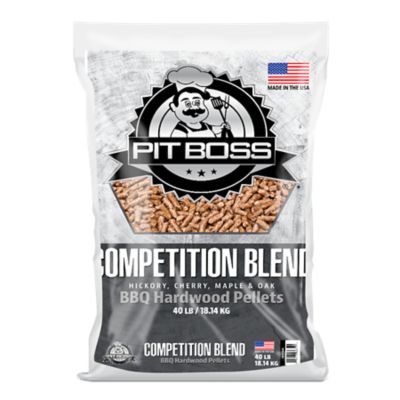
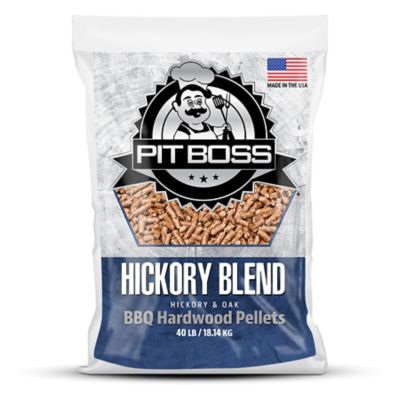
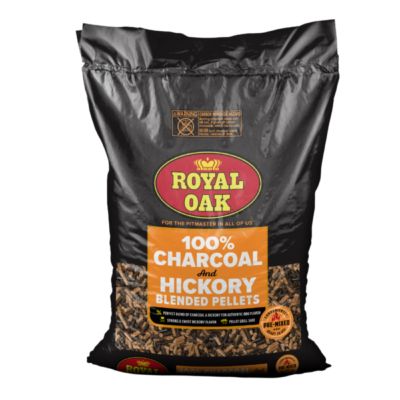
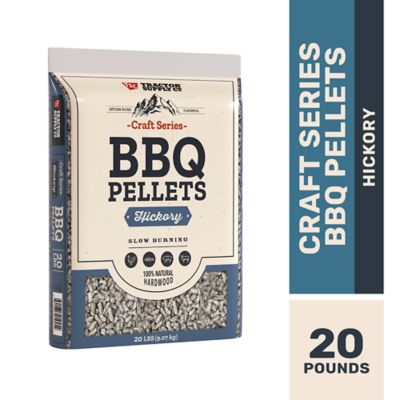
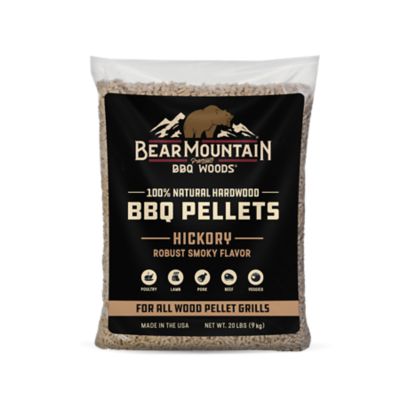
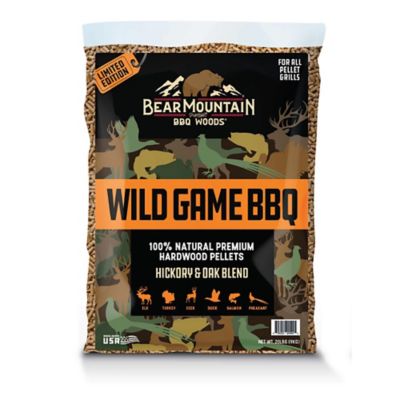
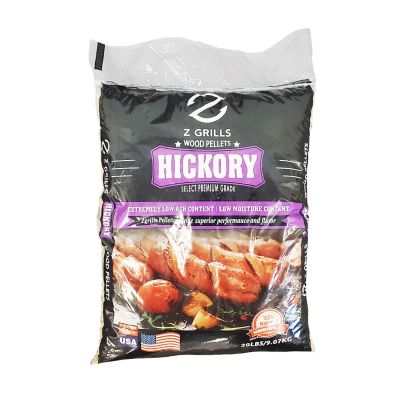
Hickory wood pellets for smokers bring a bold, savory smoke flavor to backyard barbecue, with a slightly sweet edge and a bacon-like depth that works especially well with beef and pork. That hearty character makes hickory a natural match for brisket, pork shoulder, ribs, and other cuts that spend a good stretch of time on the smoker. It holds its own alongside peppery rubs, tangy sauces, and the rich flavor of slowly rendered fat without needing to be the loudest thing on the plate. A rack of ribs with a smoky crust, pulled pork piled onto a bun, or thick slices of brisket all give that familiar hickory flavor room to shine. These cooking pellets provide both fuel and wood smoke in compatible pellet smokers and grills, making the wood choice part of the meal rather than just a way to keep the fire going. Hickory also has a place beyond those big barbecue cuts. Burgers, sausages, meatloaf, and beef roasts can take on its savory character, while a pan of baked beans or smoked vegetables can carry the same flavor into the side dishes. Poultry can pair nicely with hickory, too, though its lighter flavor often calls for a gentler smoke profile than a pork shoulder or brisket. The finished taste depends on more than the wood alone: the food, cooking time, airflow, and way the smoker runs all play a part. A heavy cloud of smoke is not a requirement for good barbecue, and a clean-burning fire helps keep the flavor pleasant rather than harsh. For cooks who enjoy a traditional smokehouse taste, hickory smoking pellets offer a familiar starting point for everything from a family supper to a backyard cookout. They suit the person who likes tending a long cook just as well as the cook who wants a straightforward fuel choice for a compatible pellet grill.
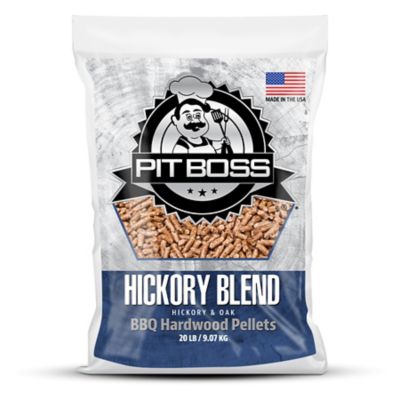
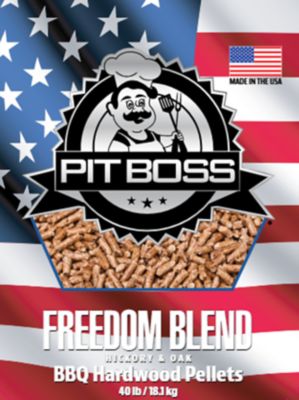
The material inside the bag matters as much as the flavor name on the front. Wood pellets for cooking are generally formed from finely ground hardwood compressed into small cylinders, with the wood’s natural lignin helping hold them together. Hickory pellets may contain hickory alone, or they may combine hickory with other hardwoods. A hickory blend can include a base wood such as oak, so the name does not necessarily mean every pellet consists entirely of hickory. Package descriptions can help clarify the wood composition and whether the pellets are intended for smoking and grilling. Neither a single-wood pellet nor a blend is automatically the better fit for every cook; the right match depends on the flavor you want and the requirements of the equipment. Pellets made for home heating are a different fuel category and do not belong in a smoker preparing food. Cooking pellets should be intended for that purpose and meet the appliance manufacturer’s fuel requirements. Size and shape matter because pellet grills move fuel from a hopper toward the fire through a feed system, and the wrong pellet specifications can interfere with that process. A charcoal grill, offset smoker, or electric smoker may require a different form of smoking wood, or a manufacturer-approved accessory for pellets, rather than loose pellets added wherever there is room. Matching the fuel to the cooker keeps the choice practical. Flavor preferences offer another way to narrow the category. For cooks who want a milder, sweeter wood alongside hickory,
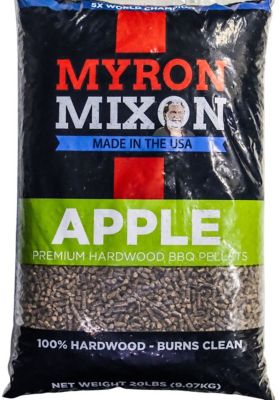
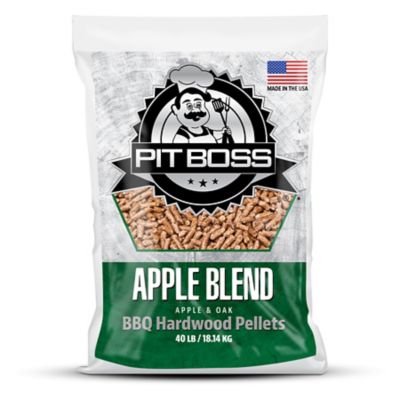
Apple Wood Smoking Pellets can provide a softer smoke note in a blend, especially for poultry or lighter cuts. The balance between woods gives cooks room to keep hickory’s savory character without letting it dominate the meal. A familiar blend can be handy when the smoker holds several foods at once, such as chicken beside sausages or a pan of beans beneath a pork roast.
Pellet condition and storage deserve attention, especially when a bag needs to last through several cooking sessions. Intact pellets should hold their shape during ordinary handling; a little loose sawdust can collect in a bag, but a large amount of powder or crumbling material can create feeding and cleanup concerns. Moisture is the main troublemaker. Pellets that absorb water can swell, soften, and break apart, leaving fuel that may no longer move properly through the smoker. A tightly closed container in a dry storage area helps protect the pellets between cooks, and keeping that container off a damp floor adds another layer of protection. A bag left open beside a sink or in a shed with moisture problems is less likely to keep its contents in good condition. Hopper care matters as well: the smoker manufacturer’s directions should determine whether pellets can remain inside between sessions and how the feed system and fire pot need to be cleaned. Ash buildup and pellet dust are maintenance concerns, not reasons to assume the wood itself is wrong for the job. Package size is worth weighing against how often the smoker runs, how much protected storage space is available, and whether lifting and pouring a full bag will be manageable. Long cooks call for planning around the smoker’s expected fuel consumption, which varies with the appliance and cooking settings. Hickory pellets can also make a practical gift for someone who already owns a compatible pellet cooker and enjoys feeding a crowd. Knowing the equipment’s fuel requirements and the recipient’s favorite smoke flavors makes that choice more thoughtful. Whether the meal is a tray of ribs for friends, pulled pork for a family gathering, or a roast headed to the supper table, the appeal stays simple: hardwood fuel with a hearty smoke flavor, suited to the cooker and kept in good condition until it is time to cook.