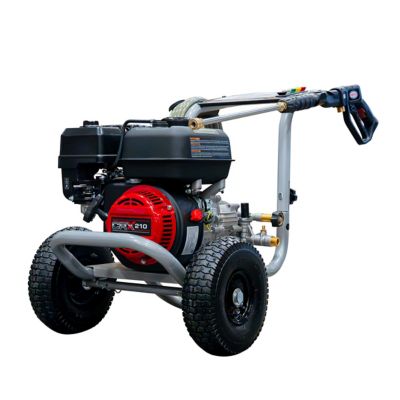
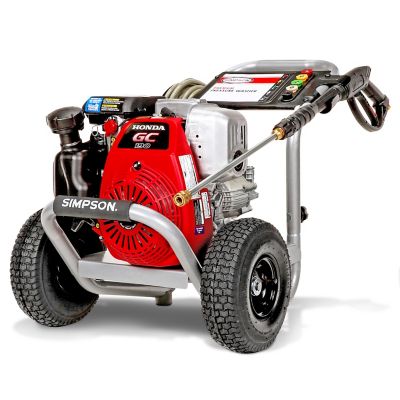
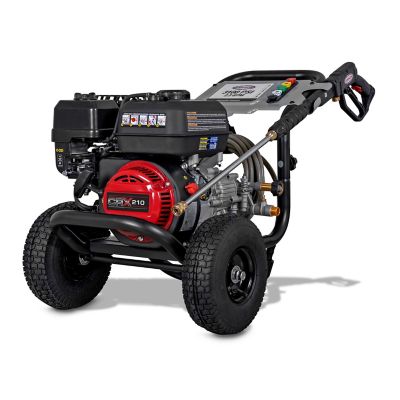
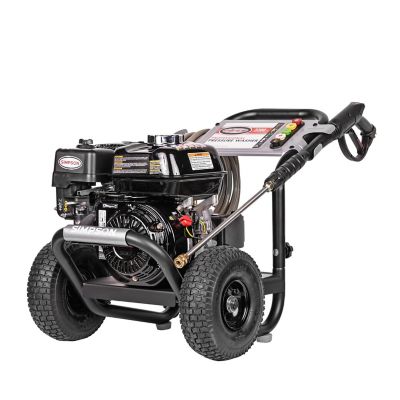
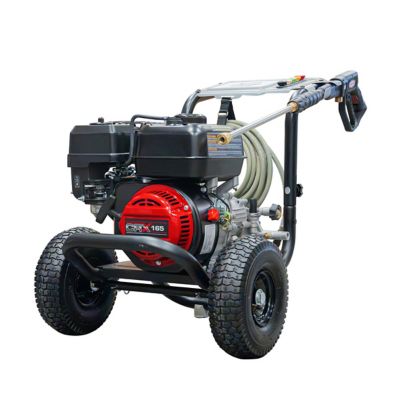
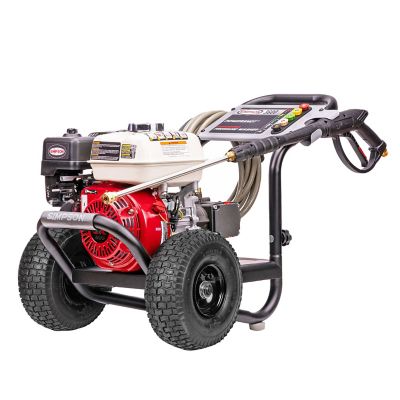
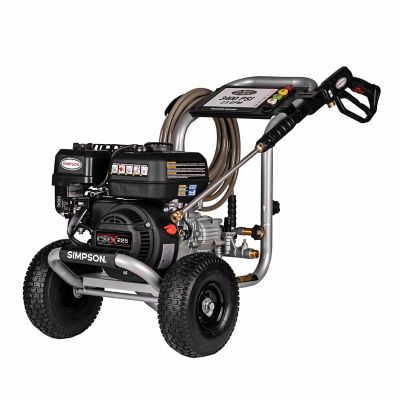
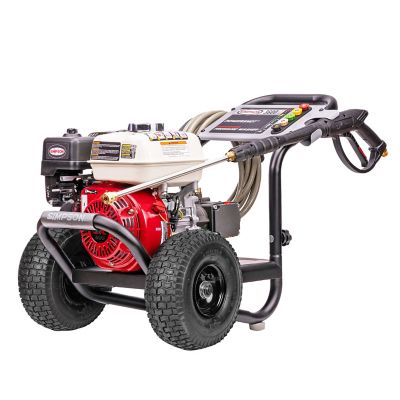
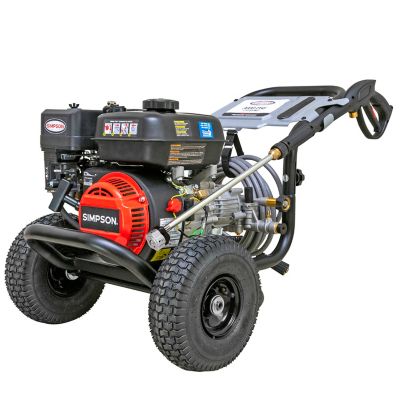
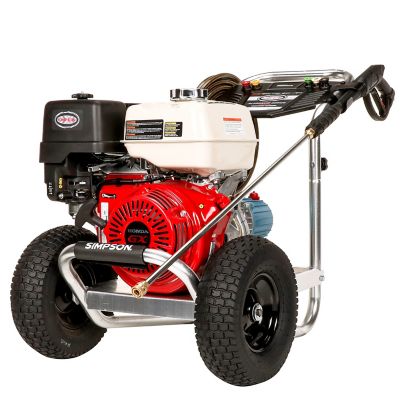
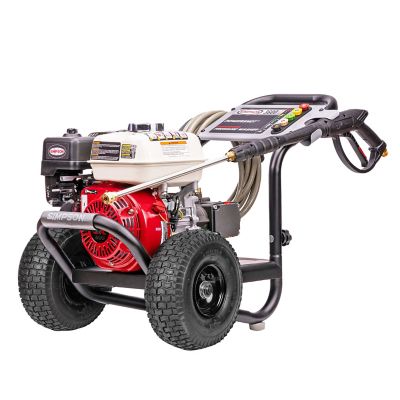
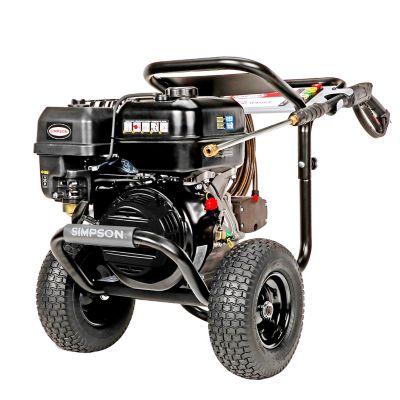
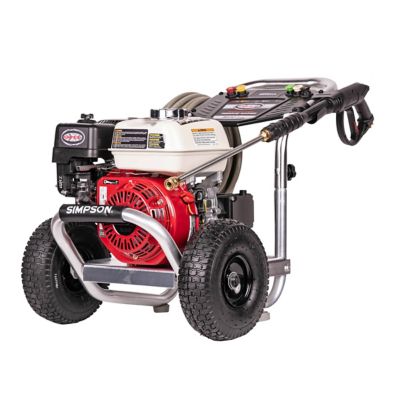
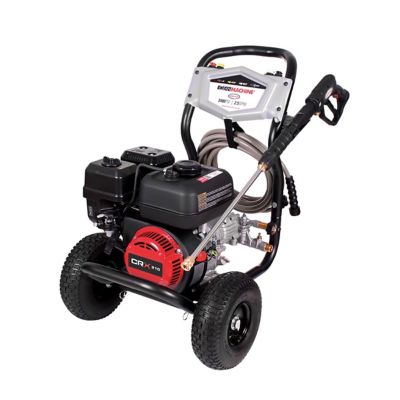
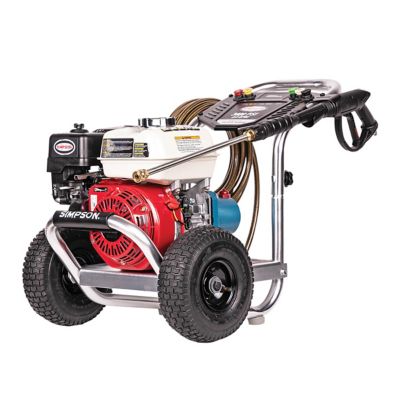
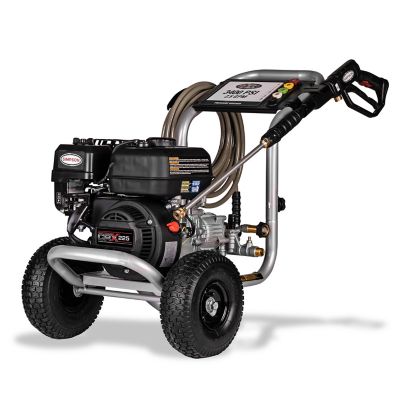
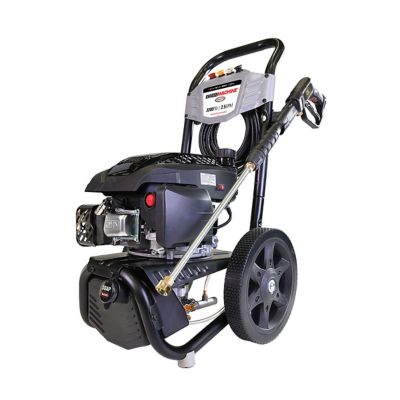
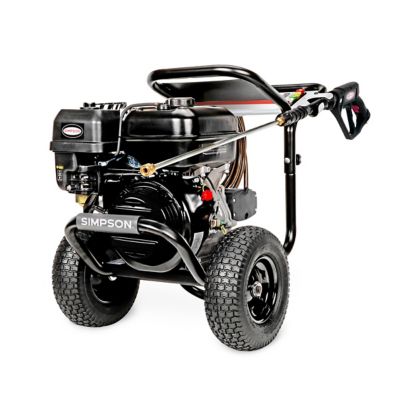
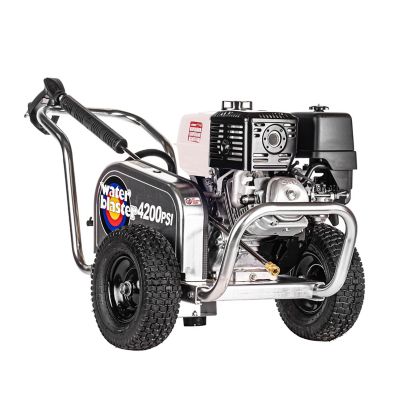
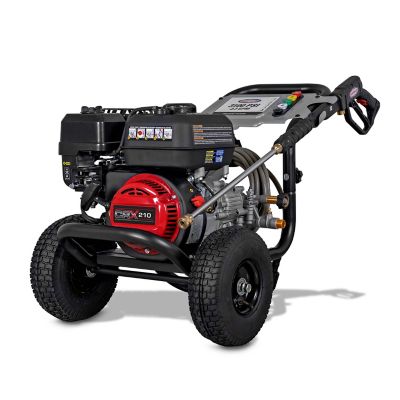
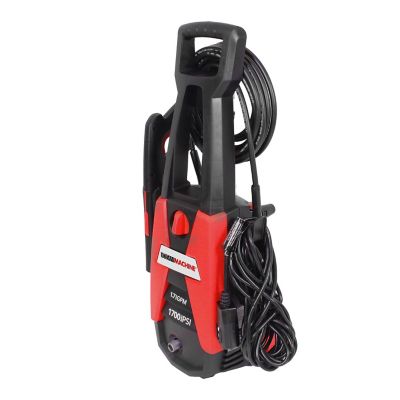
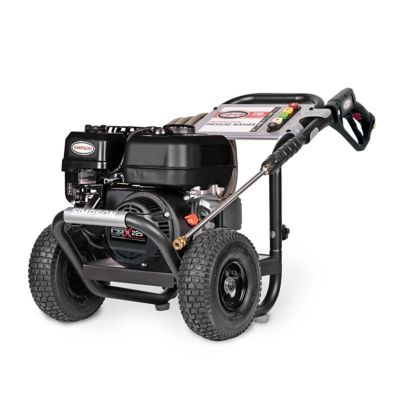
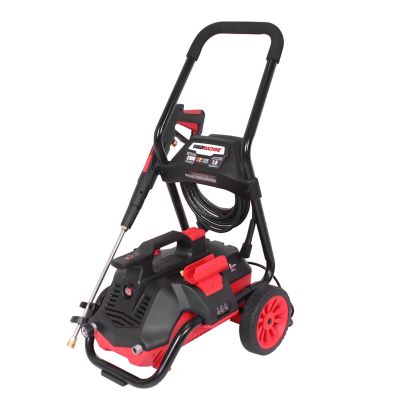
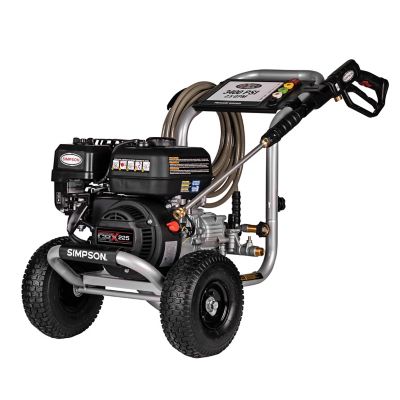
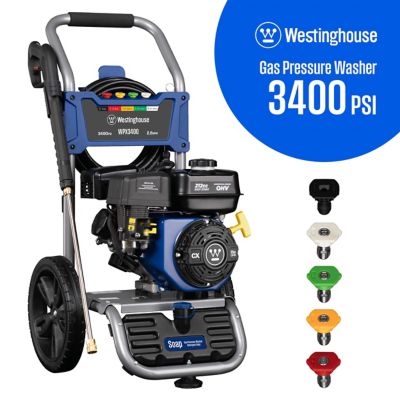
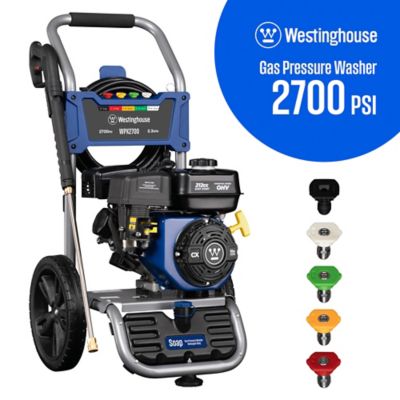
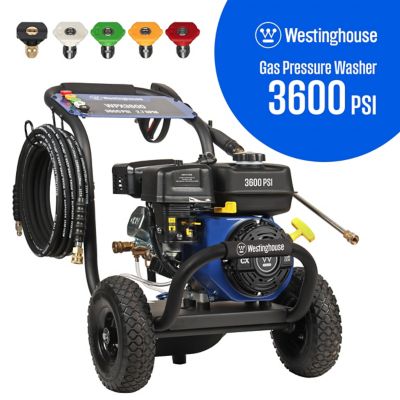
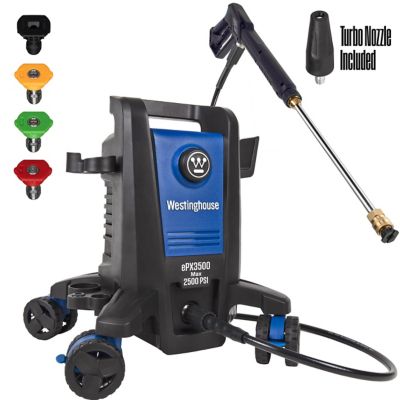
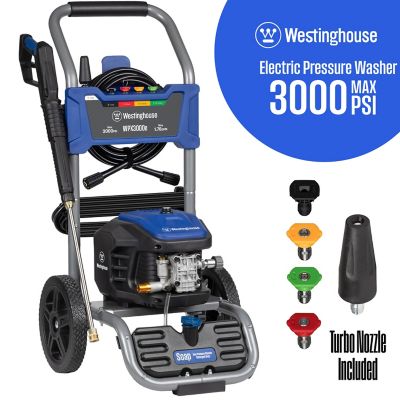
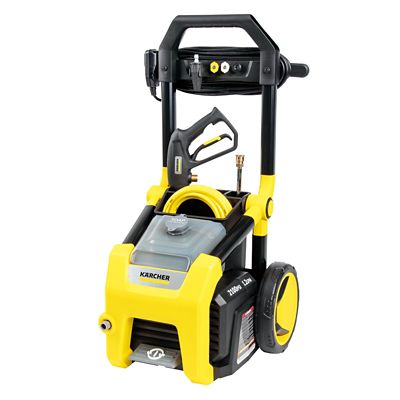
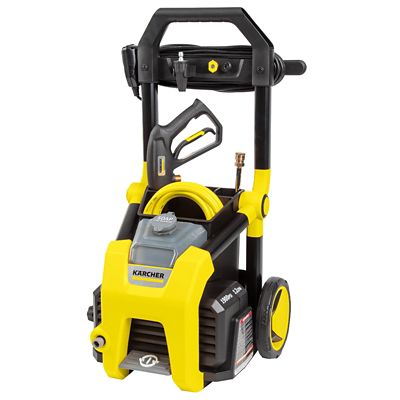
Pressure washers put concentrated water power behind the cleanup jobs that come with a home, shop, or acreage. Mud on a utility trailer, dirt along a concrete walkway, and grime on approved equipment surfaces call for different combinations of pressure, water flow, and spray coverage. Gas and electric pressure washers serve residential and professional cleaning needs, with the right fit depending on the work, the water supply, and how often the machine runs. Pressure is measured in pounds per square inch, or PSI, while water flow is measured in gallons per minute, or GPM. PSI describes the force of the spray; GPM describes how much water moves through the system to carry loosened dirt away. Neither number tells the whole story on its own. A wide driveway can benefit from greater water flow and a compatible surface cleaner, while painted siding or a wood fence calls for a gentler approach within the surface manufacturer’s recommendations. Maximum ratings and working ratings may differ, so matching comparable specifications gives a clearer picture than judging by the largest number on the frame. Gas-powered machines offer mobility without an electrical cord, though they still need an adequate water source. Their engines belong outdoors, well away from doors, windows, and vents—not inside a barn, garage, or other enclosed space. Electric machines avoid gasoline handling and engine maintenance, making them a practical fit for some household tasks where a suitable electrical connection is within reach. Their electrical requirements, cord restrictions, and ground-fault protection still matter around water. For a homeowner tackling occasional cleanup, compact storage and easy handling may carry as much weight as output. For a contractor moving between jobs, longer operating sessions, transport needs, and service access can matter more. The best match starts with the surfaces being cleaned and the workload, rather than assuming that more pressure is always better. Frequent cleaning across several outbuildings, for example, places different demands on a machine than washing a small patio a few times a year.
Construction affects how a pressure washer handles work around the property. A steel frame can support the engine, pump, and hose through repeated moves, while a protective finish helps limit corrosion when the machine is cared for properly. Frame layout also matters: a balanced design, comfortable handle height, and wheels suited to the ground can make a difference between rolling across a smooth shop floor and crossing a rutted yard. Pneumatic tires can cushion travel over uneven ground, while solid tires eliminate air-pressure checks; the better fit depends on the terrain and the machine’s weight. Pump design deserves attention alongside the engine or motor. Axial cam pumps commonly appear on residential machines, while triplex plunger pumps are often associated with equipment intended for longer or more frequent operation. Pump type alone does not establish workload limits, and service requirements vary by model. Access to the water inlet, hose connections, oil fill points where applicable, and other maintenance areas can make routine upkeep less of a chore. Hose construction matters, too. Reinforcement supports the hose’s pressure rating, and the outer cover helps protect against abrasion as it moves across concrete or around equipment. A hose still needs clearance from sharp edges, hot engine parts, and vehicle tires. Length affects reach, but extra hose also adds weight and takes more room to coil. The spray gun and wand should feel manageable for the person doing the work, especially when cleaning a long stretch of fencing or a broad concrete pad. Trigger effort, grip shape, wand length, and overall balance all influence comfort. Connections must match in size, style, and pressure rating; a fitting that looks close is not necessarily compatible. Accessories also need pressure, flow, and connection ratings that suit the machine. A properly matched surface cleaner can provide overlapping coverage on suitable flat surfaces, while an appropriate extension wand may improve reach without making a ladder part of a high-pressure cleaning job. Longer attachments can increase handling effort, so reach and control belong in the same conversation.
Spray control helps a pressure washer suit more than one task, but it does not make every surface safe to wash. Nozzle angle changes the spray pattern: narrower patterns concentrate the stream, while wider patterns spread it over more area. Nozzle opening size must also match the machine’s requirements. Adjustable output, interchangeable tips, and detergent settings work differently across machines, so the operating manual is the starting point for understanding what each control actually changes. For shoppers comparing equipment with variable output,
Adjustable Pressure Washers offers a related category to consider alongside hose reach, pump design, and intended workload. Wood grain, painted finishes, masonry joints, and siding seams each respond differently to concentrated water. A small test area and the surface manufacturer’s recommendations can help establish whether pressure washing is appropriate at all. More force can gouge wood, strip sound paint, disturb mortar, or drive water behind siding. Bearings, electrical components, seals, and other sensitive equipment areas need protection according to the equipment manufacturer’s directions. Detergent compatibility matters just as much as spray settings: cleaners need to be approved for the machine, the surface, and the application method. Some systems introduce detergent only at low pressure, and unapproved chemicals can harm seals or other components. Day-to-day care supports a longer service life. Clean inlet screens, a sufficient water supply, and hoses free of kinks help protect the pump, while running without water or leaving a machine in bypass beyond its specified limit can cause damage. Engine oil, pump oil where applicable, filters, and other service points have maintenance schedules in the manual. After cleaning, pressure relief, detergent-system rinsing where required, and proper storage help keep the equipment ready for its next job. Eye protection, secure footing, and keeping the spray away from people and animals remain essential regardless of output. A pressure washer earns its place around a property through a sensible match of cleaning power, manageable handling, and care—not pressure alone.