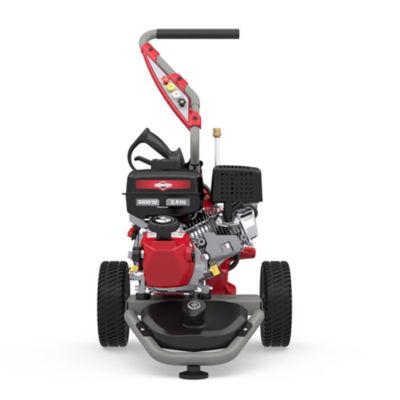
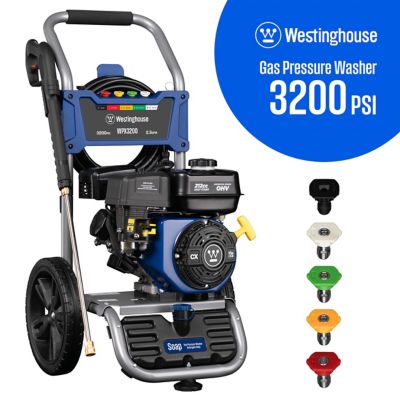
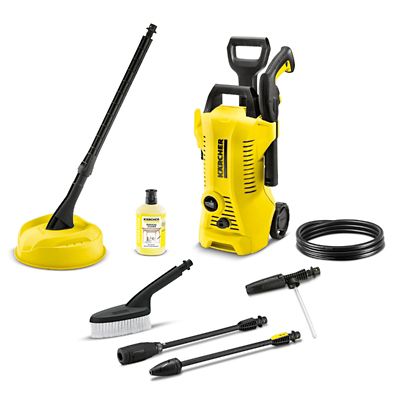
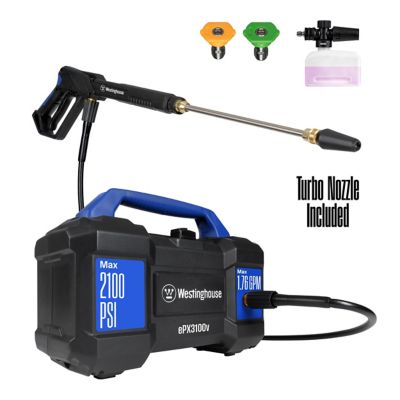
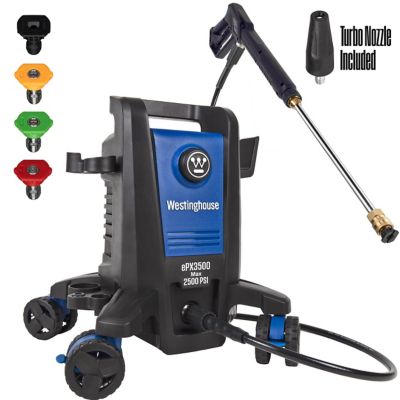
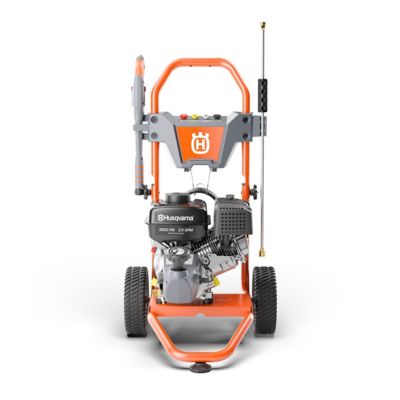
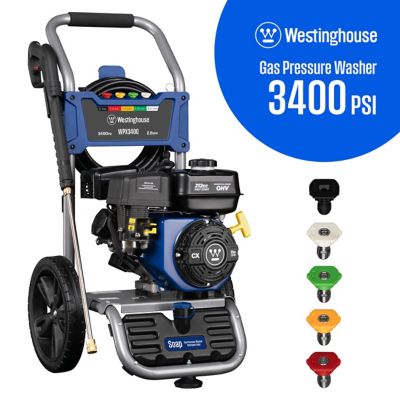
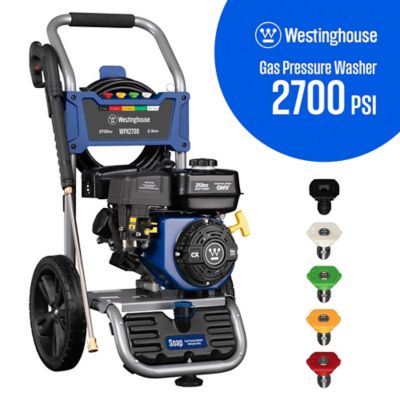
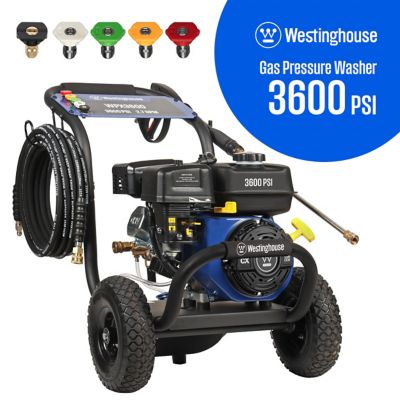
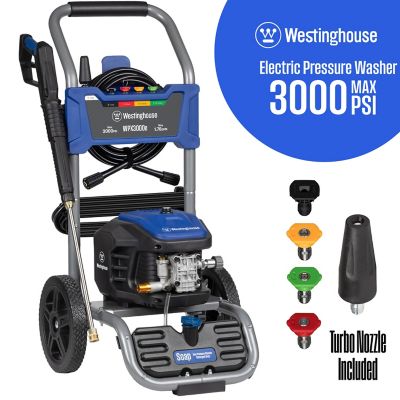
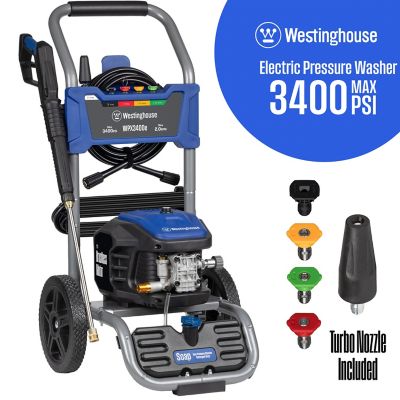
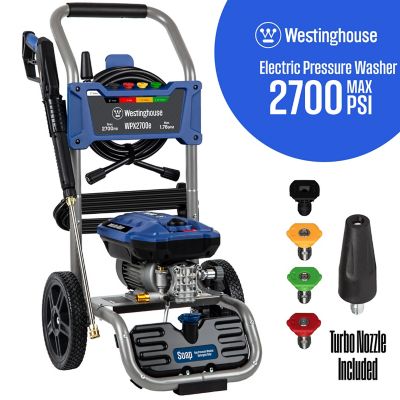
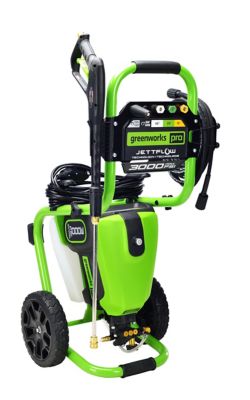
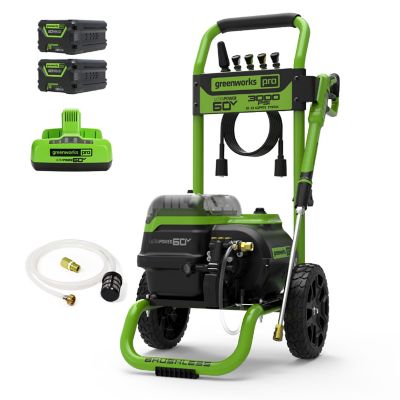
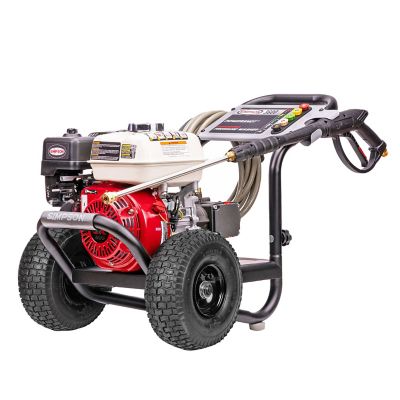
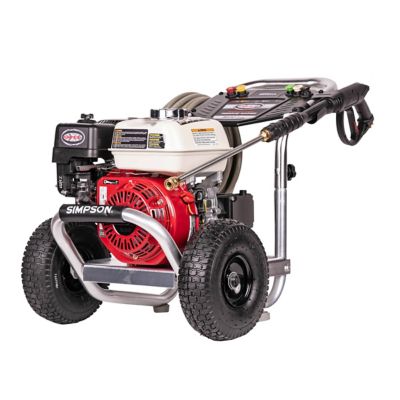
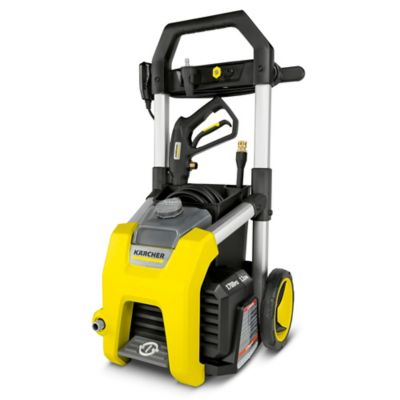
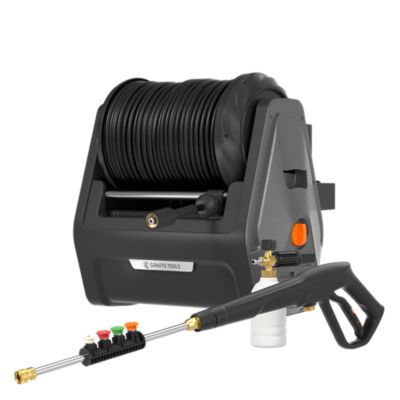
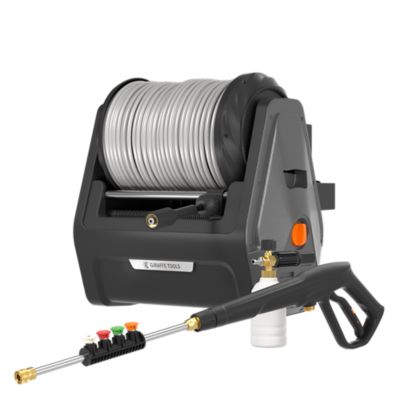
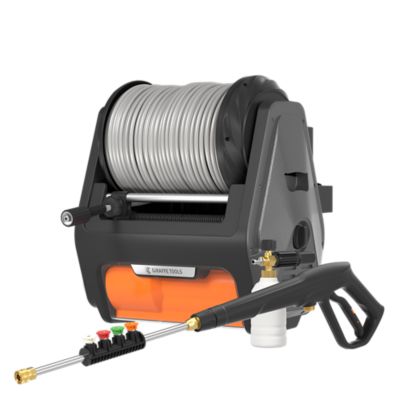
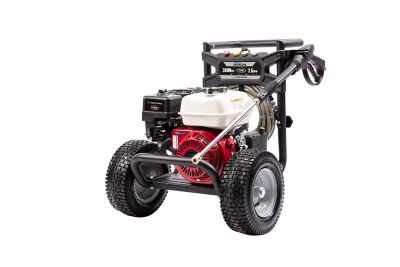
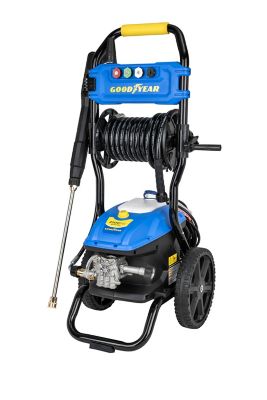
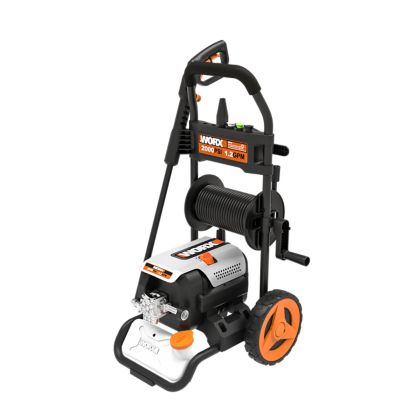
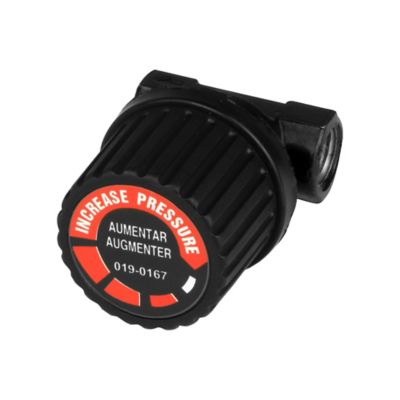
Adjustable pressure washers put more control behind outdoor cleanup, whether the job is rinsing mud from a utility trailer or washing a season’s worth of grime off a concrete walkway. An adjustable pressure washer lets you change cleaning intensity to suit the surface, typically through a pressure control on the machine, an adjustable spray wand, or compatible nozzle tips. Those features work differently: a pressure dial changes operating pressure within the machine’s range, while interchangeable tips primarily change the spray angle and concentrate or spread the water’s force. A wider fan distributes the spray across more area; a narrower pattern concentrates it into a smaller spot. Neither setup makes every surface safe to pressure wash, and pressure adjustment does not necessarily provide separate control over water flow. PSI, or pounds per square inch, describes pressure, while GPM, or gallons per minute, describes water flow. Both matter when comparing cleaning performance: pressure helps loosen stuck-on dirt, and water volume helps carry it away. Around a rural home or small acreage, that balance comes into play on everything from muddy equipment tires to long stretches of hard-surfaced paths. Higher output may suit sound, uncoated concrete, while painted surfaces, some vehicle finishes, and certain outdoor furnishings call for lower intensity and closer attention to their care instructions. Wood deserves particular care because a concentrated stream can raise fibers, leave stripes, or gouge boards. Adjustable controls offer flexibility for households with several kinds of cleanup on the chore list, but the lowest practical setting, a broad spray pattern, and a test in an out-of-the-way spot remain sensible starting points. Standing farther back also reduces the spray’s impact, though distance is no substitute for matching the machine and attachment to the task. For property owners, gardeners, and folks keeping trailers and outdoor workspaces tidy, the appeal is straightforward: one machine can handle a wider mix of suitable surfaces without treating every patch of dirt like a concrete stain.
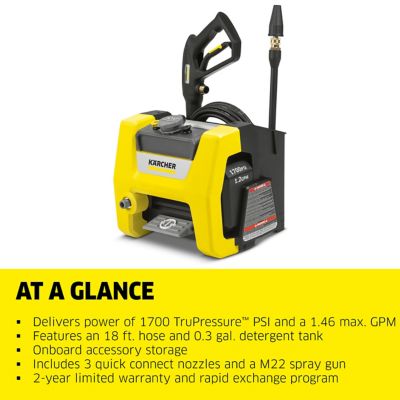
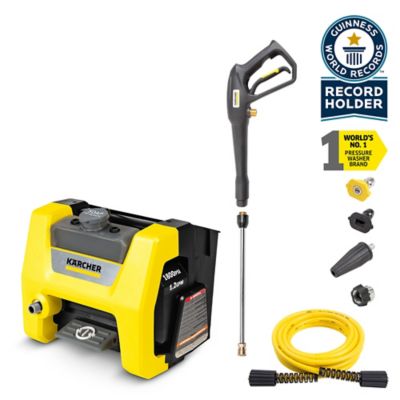
The right fit starts with the places a pressure washer will travel and the work waiting there. Electric adjustable pressure washers generally suit cleanup within reach of a suitable electrical outlet and water supply, with no gasoline engine to fuel or maintain. Their size and handling can be a good match for patios, outdoor furniture that permits pressure washing, and routine washing around the house. For shoppers comparing that category,
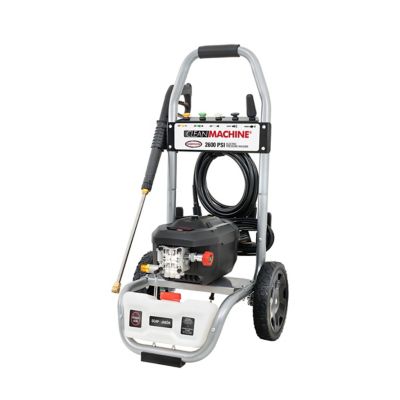
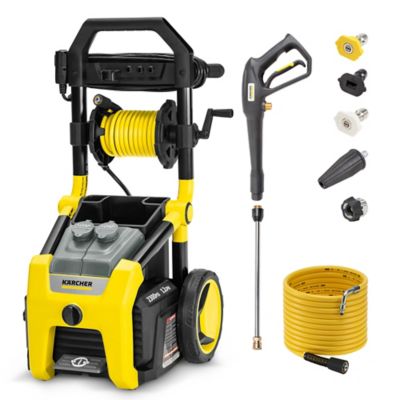
2000 PSI Electric Pressure Washers offer another way to narrow the search by power source and pressure rating; the stated maximum PSI alone does not establish whether a machine has adjustable pressure controls. Gas-powered machines can make sense for larger outdoor work areas where electrical access is limited, although they still need the water supply specified by the manufacturer. Gas engines belong outdoors, well away from doors, windows, and air intakes, never inside a barn, garage, or other enclosed space. Beyond power source, hose length, wheel size, handle placement, and overall weight affect how comfortably a washer moves between the driveway and the shed. Larger wheels can help on uneven ground, while a stable frame is useful when pulling hose across a work area. A long hose may reduce repositioning, but extra length also means more hose to wind, carry, and store. Trigger grip and wand reach matter during extended cleaning, especially when working along a trailer bed or beneath the edge of a mower deck with the equipment shut down and secured. Adjustable pressure controls should be easy to identify and operate as directed, rather than requiring guesswork between surfaces. Hose, gun, wand, and nozzle connections also need to match, with replacement parts rated for the machine’s pressure, flow, and water temperature. A fitting that looks close is not enough. For an equipment-minded gift recipient, storage space, preferred power source, and the kinds of chores already on the calendar matter more than choosing the highest pressure number.
Construction and care play a big part in how an adjustable pressure washer holds up to repeated chores. Frame materials, wheel hardware, pump design, hose reinforcement, and connection fittings all deserve a look alongside the pressure rating. Metal frames can provide support for frequent moves around a property, while molded housings can help keep some electric machines lighter to carry. Brass fittings and corrosion-resistant connections are worth considering for equipment that spends much of its working life around water, though every material still benefits from proper draining and storage. Pump service requirements vary: some designs call for scheduled oil checks or changes, while others have no owner-serviceable oil system. Clear maintenance instructions and compatible replacement hoses, seals, and spray tips can make ownership simpler over time. A clean inlet screen and an adequate water supply help protect the pump; running without water or leaving a machine in bypass longer than its instructions allow can cause damage. During the cooler months, trapped water becomes an especially important concern. Freezing can crack pump components, hoses, and fittings, so draining and any recommended winterizing treatment belong on the storage checklist before temperatures drop. Detergent systems add convenience for suitable washing jobs, but only cleaning solutions approved for the machine and the surface belong in the tank or siphon system. Many setups apply detergent at low pressure, followed by a separate rinse. Around the farmyard, runoff also needs a clear path away from wells, waterways, feed, and animal areas, particularly when washing away oil or cleaning chemicals. Eye protection, secure footwear, and steady footing help make wet work safer, and the spray should never point toward people, animals, electrical components, or skin. Even a brief high-pressure contact can cause a serious injury. With the right controls, compatible attachments, and room for proper storage, adjustable pressure washers fit naturally into regular property upkeep, from clearing dried mud off suitable equipment surfaces to leaving the walkway ready for the next round of boots.