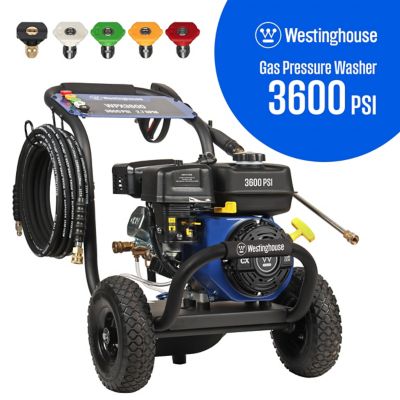
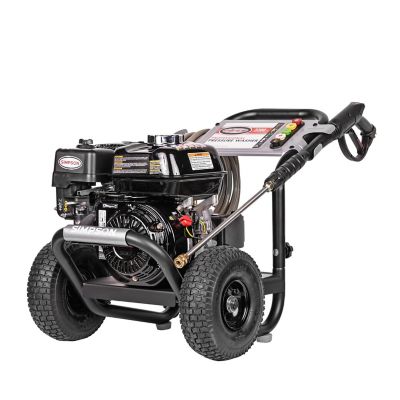
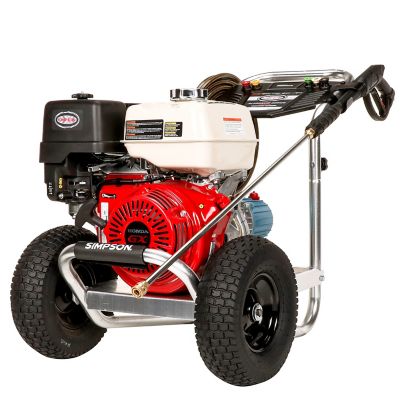
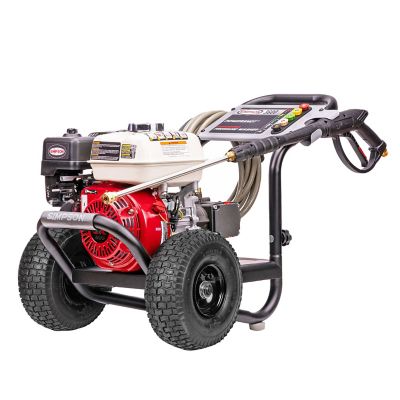
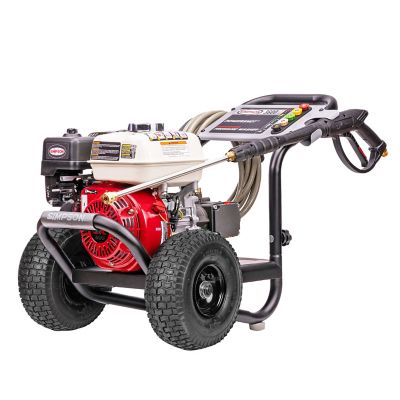
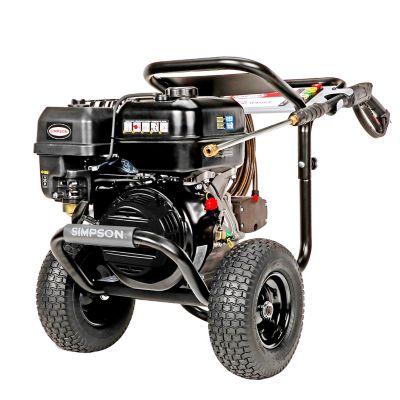
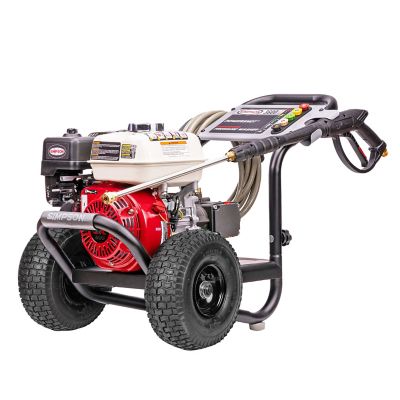
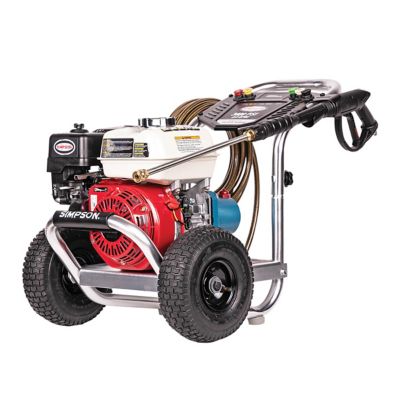
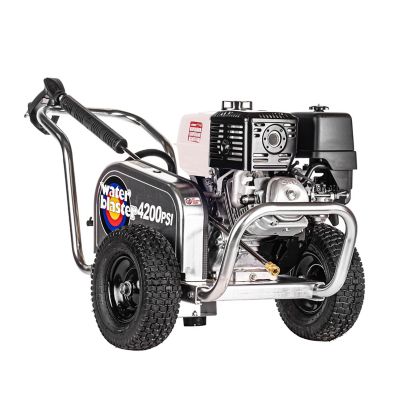
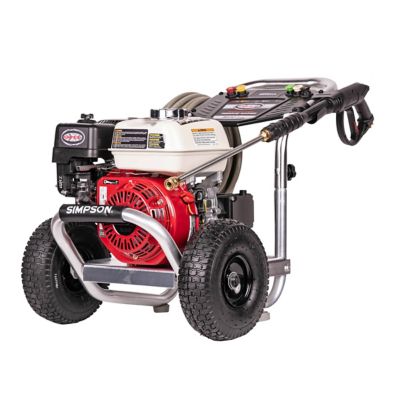
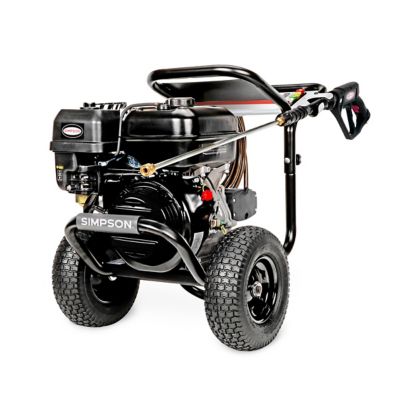
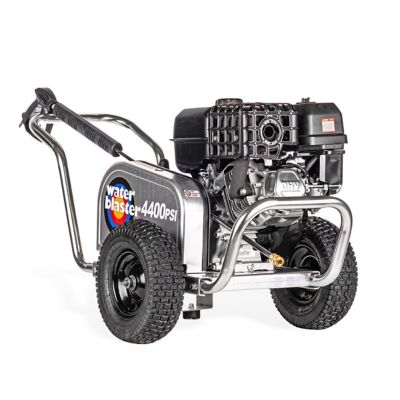
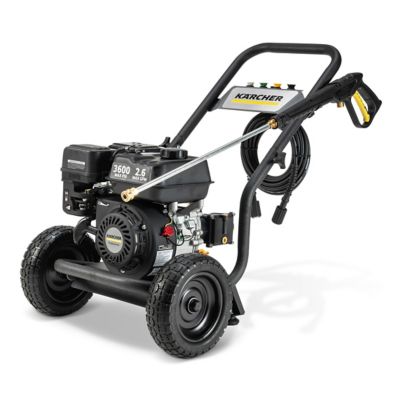
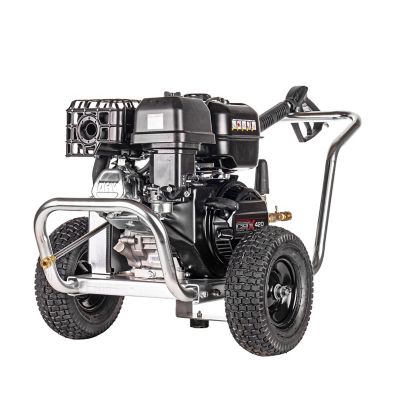
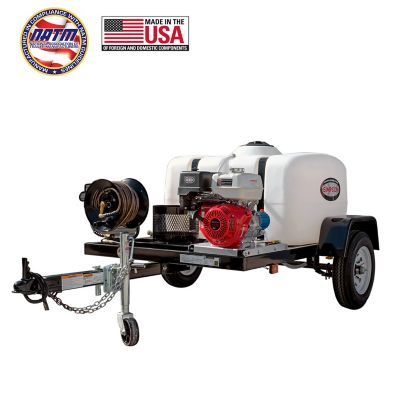
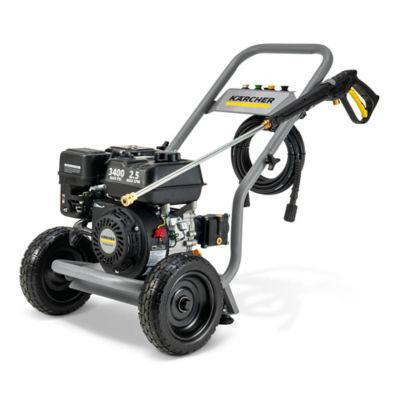
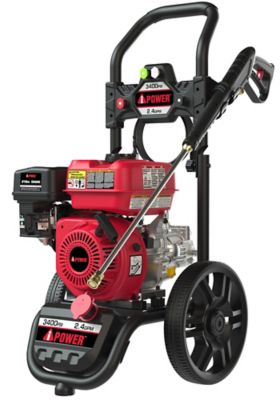
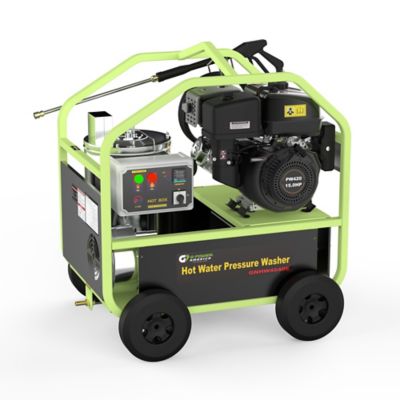
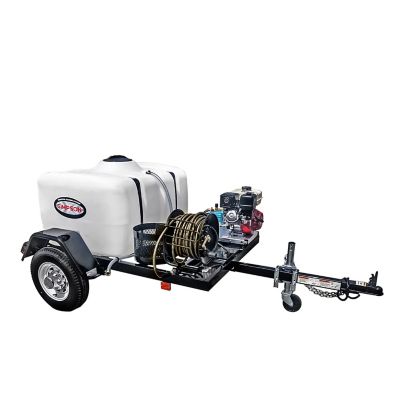
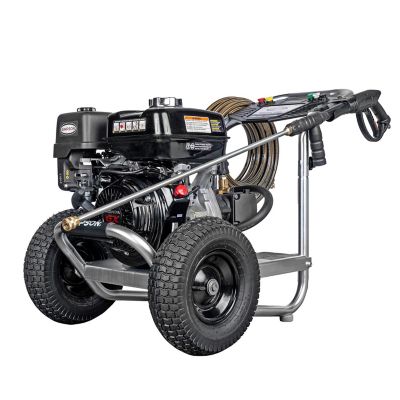
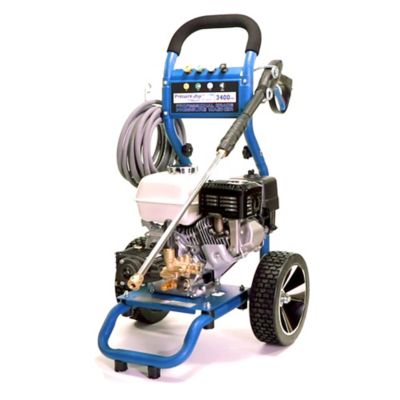
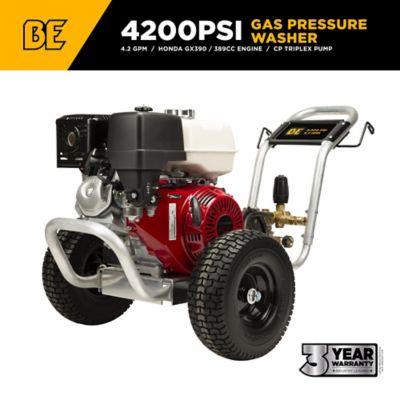
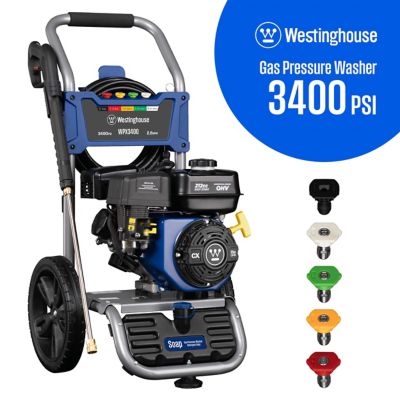
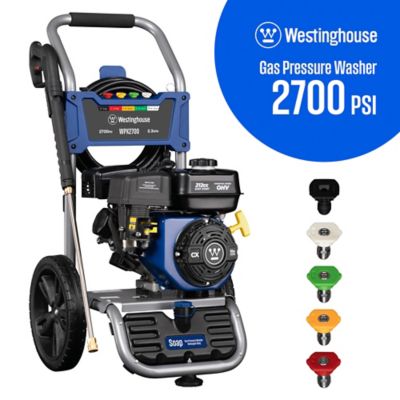
Professional pressure washers handle the repeated cleaning work that comes with running a farm, maintaining property, detailing equipment, or working on a cleaning crew. The right match depends on pressure, water flow, power source, and whether the job calls for cold or hot water. PSI, or pounds per square inch, describes water pressure, while GPM, or gallons per minute, describes water flow. Pressure helps loosen stubborn buildup, and flow carries that loosened material away. Neither number tells the whole story: a machine with plenty of pressure but limited flow may take longer to rinse a broad concrete pad than one with a better balance of both. A higher PSI rating also does not make a washer suitable for every surface. Painted equipment, wood, siding, and seals around machinery need a different approach than sound concrete covered with tracked-in grime. For crews moving between jobs, adjustable pressure and compatible spray tips provide flexibility without making every cleaning task an exercise in maximum force. Water supply matters just as much as the machine’s output. A supply that cannot meet the washer’s inlet requirements can interrupt work and damage the pump, even when the pressure rating looks right for the job. Tank-fed operation also requires a machine designed for that setup; not every washer can draw water from a standing tank. Professional pressure washers are worth comparing by their intended workload, too. Cleaning a few implements between chores is different from running a washer through several appointments or maintaining a large equipment yard. Manufacturer duty-cycle guidance, pump construction, service access, and engine or motor specifications help show whether a machine fits those demands. A serviceable pump with accessible maintenance points can make a real difference when cleaning is part of the workday rather than an occasional project. Hose reach, setup time, and room to move around the work area all affect how smoothly the job goes, especially when a crew is washing several trailers or working along a long stretch of pavement.
Power source shapes where a professional pressure washer fits into the workday. Gas-powered machines offer mobility where electrical service is out of reach, making them practical for equipment yards, fence lines, and other outdoor work areas with a suitable water supply. Their engines must operate outdoors, well away from doors, windows, and vents, because exhaust contains carbon monoxide. Electric machines need a properly rated electrical connection and the protection specified by the manufacturer, but they eliminate engine fueling and can suit locations where that arrangement makes more sense.
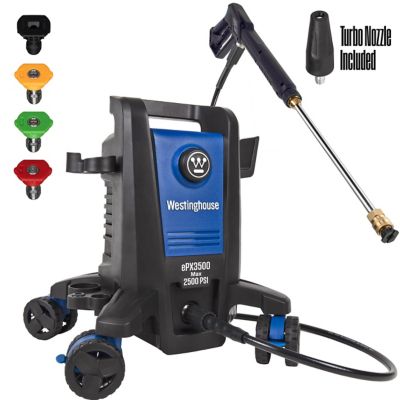
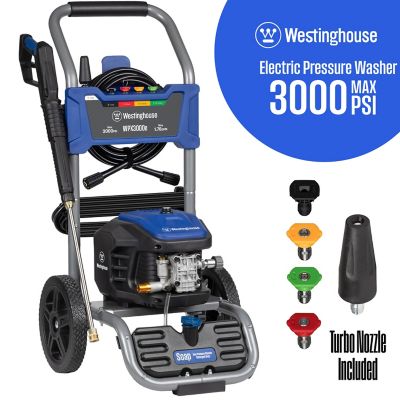
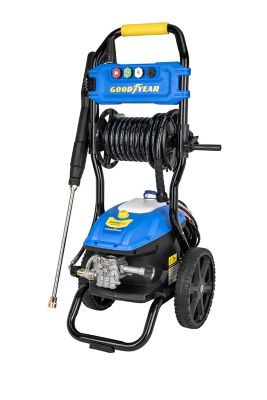
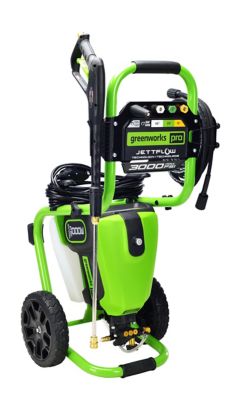
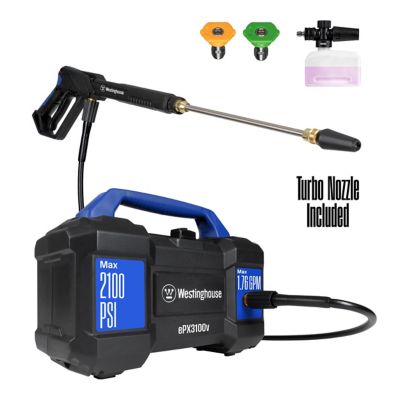
Electric Cold Water Pressure Washers offer a way to match electric power with cleaning jobs that do not call for heated water. Cold-water machines handle many everyday rinsing and dirt-removal tasks, while hot-water pressure washers can help loosen oily or greasy buildup when the surface and cleaning process allow it. Heated water does not replace the need for compatible detergent or proper wastewater handling, and a cold-water machine should never receive hot inlet water beyond its stated limits. Construction details matter when a washer rides in a work trailer or gets rolled across a gravel yard. Steel frames, corrosion-resistant finishes, protected components, and well-supported hose connections help a machine stand up to regular handling. Wheel size and tire type affect how easily it crosses uneven ground, while frame dimensions and handle placement influence loading, storage, and maneuvering through gates. A compact footprint can be handy in a crowded shop, but access to the pump, filters, oil fill points, and other service areas still matters. Hose length deserves a close look as well. Enough reach can reduce repositioning, but extra hose also adds weight, storage needs, and potential pressure loss. For a crew that moves from a barn apron to a loading area and then around parked equipment, those practical details can matter as much as the headline specifications.
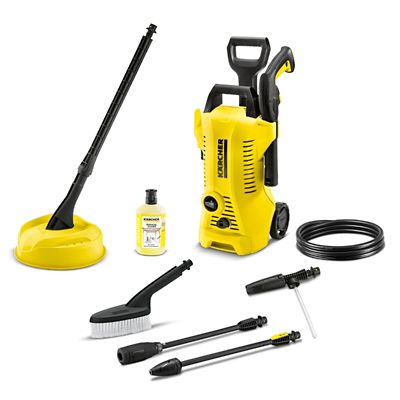
The parts between the pump and the surface have a big say in cleaning results and operator comfort. High-pressure hoses, trigger guns, spray wands, fittings, and attachments need ratings that meet the machine’s pressure, flow, and operating-water requirements. Matching connection sizes and fitting styles helps prevent a setup that looks workable but will not connect properly on the job. A longer wand may improve reach, while a comfortable grip and manageable hose can reduce strain during repeated passes. Spray-tip selection changes the spray pattern and cleaning action; a narrow stream concentrates force, while a wider fan spreads it across more surface area. That distinction matters around painted panels, wood grain, seals, and edges where concentrated pressure can cause damage. Rotary surface cleaners can make broad, flat areas easier to cover evenly when their specifications match the washer, though they are not suitable for every surface. Detergent systems also vary, and cleaning solutions must be compatible with the washer, the material being cleaned, and the disposal requirements at the worksite. Around animal areas, feed storage, drains, and waterways, keeping wash water and cleaning chemicals contained is part of responsible cleanup. Regular care supports consistent operation: clean inlet screens, sound hoses, tight connections, and maintenance at the manufacturer’s stated intervals help prevent avoidable interruptions. Running a pump without an adequate water supply can damage it, and leaving a machine in bypass longer than permitted can overheat the water inside the pump. Before service or disconnection, the equipment needs to be shut down and pressure relieved according to its instructions. Eye protection, suitable footwear, and control of the spray area belong in the same conversation as cleaning power; a high-pressure stream can cause serious injury and should never be directed at people or animals. For contractors, property managers, farm operators, and maintenance crews, a well-matched professional pressure washer brings together cleaning performance, manageable handling, and service needs that fit the work. That balance helps keep attention on the next clean surface instead of wrestling with equipment that does not suit the job.