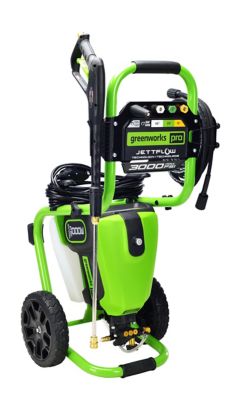
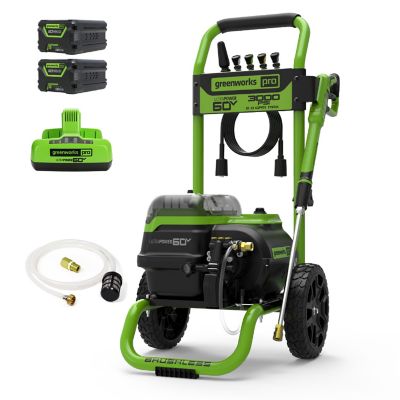
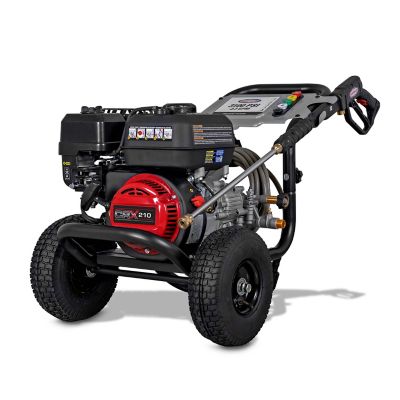
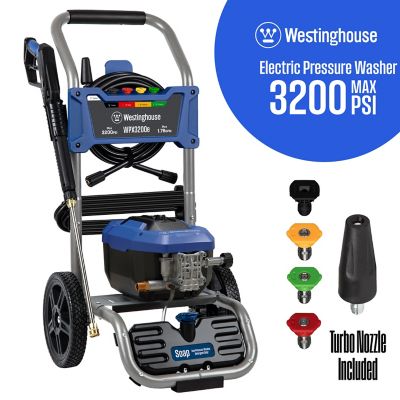
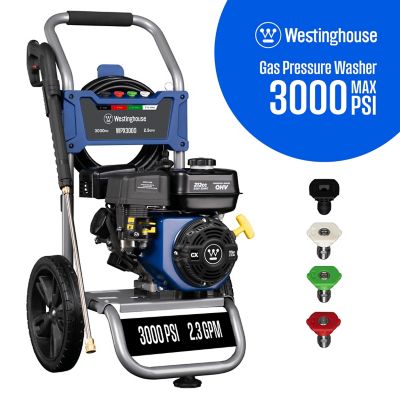
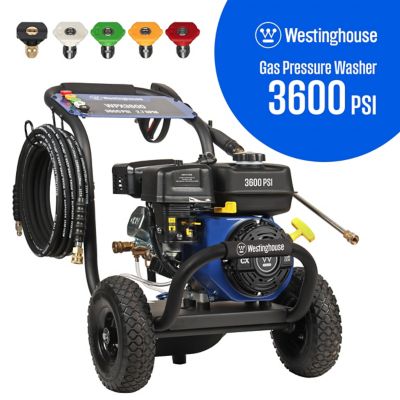
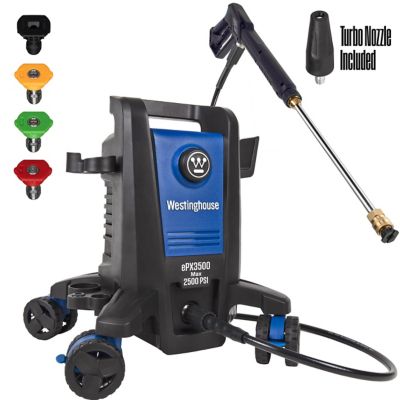
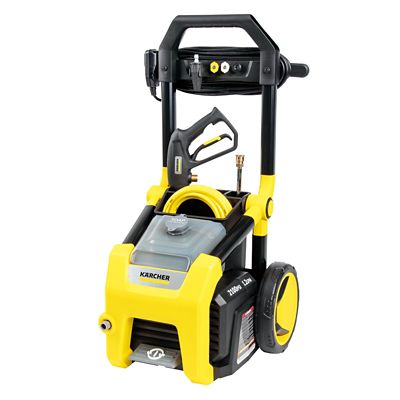
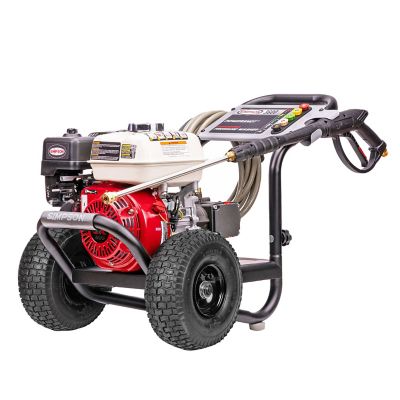
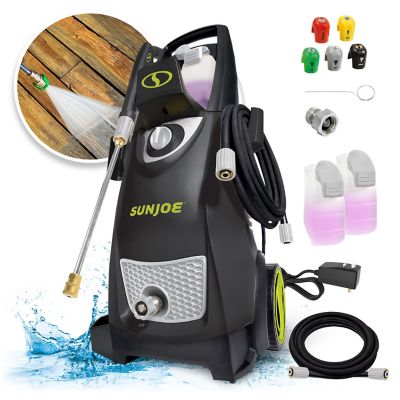
A 3000 PSI pressure washer brings strong cleaning power to concrete driveways, patios, paved walkways and other hard surfaces around a home, farm or shop. PSI stands for pounds per square inch, a measure of water pressure, while GPM means gallons per minute, a measure of water flow. Pressure helps loosen stubborn dirt, and flow helps carry that dirt away, so both numbers matter when comparing machines. Two pressure washers with the same PSI rating can work at different speeds if their flow rates differ. Rated operating pressure also deserves attention alongside any maximum pressure listed, since those figures may describe different operating conditions. For property owners facing muddy driveway edges, grime along a shop entrance or dirt packed into textured concrete, this pressure range can be a practical match for regular outdoor cleanup. It also suits some equipment-cleaning tasks when the equipment manufacturer permits pressure washing and sensitive parts are protected. A muddy mower deck and a greasy shop apron present different cleaning needs, even when the same machine handles both. Water pressure alone does not remove every stain; oil residue, for example, may call for a compatible cleaner and time for that cleaner to work. Surface condition matters just as much as the mess. Sound concrete can tolerate cleaning that may damage crumbling mortar, soft wood, loose paint or weathered siding. A 3000 PSI rating does not mean every job should receive the full force of a narrow spray. Nozzle pattern, distance from the surface and any permitted pressure adjustment all affect how the spray lands. Wide, controlled coverage is often a better fit than concentrated force when washing an approved surface near the house. For folks maintaining long walks, work areas and equipment pads, the appeal is straightforward: enough cleaning capability for substantial chores, with the control needed to match the spray to the task rather than treating every surface alike.
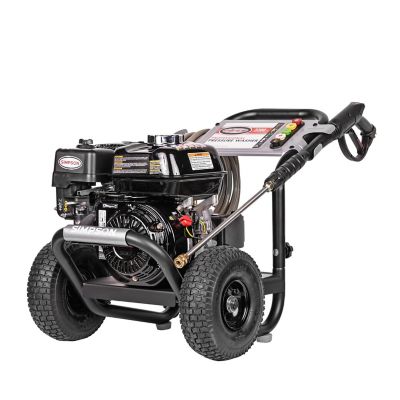
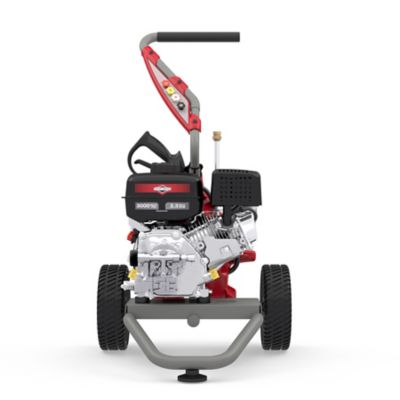
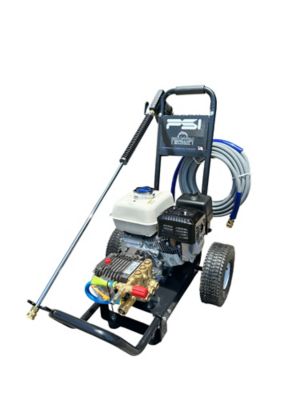
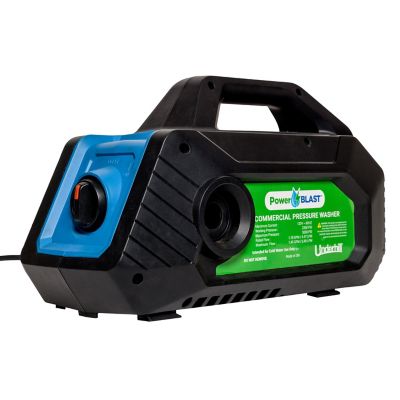
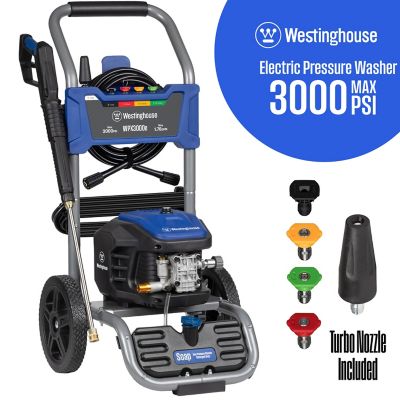
Gas and electric 3000 PSI pressure washers serve different work setups, and the best fit depends on where the cleaning happens as much as what needs washing. A gas engine provides mobility without an electrical cord, which can be handy along a long driveway or near an outbuilding with a suitable water supply. That freedom still comes with engine noise, exhaust, fuel handling and routine maintenance. Gas-powered pressure washers belong outdoors, well away from doors, windows and air intakes; a barn or garage is not a safe place to run an engine, even with the door open. Corded electric machines avoid gasoline-engine exhaust and generally involve fewer engine-related maintenance tasks, though they need an appropriate electrical connection and ground-fault protection. Cord reach, circuit requirements and the manufacturer’s rules for extension cords all affect placement. Either power source needs a water supply that meets the machine’s specified flow requirements. A long supply hose, restricted faucet or undersized hose can limit water delivery, so the connection at the spigot matters along with the pressure washer’s own specifications. Construction details also shape everyday handling. Steel frames provide support for the engine or motor and pump, while protective finishes help limit corrosion when cared for properly. Pump materials, service access and the manufacturer’s maintenance requirements deserve attention, especially for repeated cleaning sessions. Wheel size and tread affect how a machine rolls across gravel, packed ground and concrete joints, while handle height and balance influence the effort needed to move it. A compact frame may fit neatly beside shelving, but hose storage and room to reach service points still count. The spray gun and wand should feel manageable through repeated passes, not awkward to hold once the trigger is pulled. Hose length can reduce repositioning, though a longer hose also adds weight and storage needs. These details make a difference when a quick rinse turns into cleaning the full length of a walkway.
Attachments and connection details help determine how well a 3000 PSI pressure washer fits the work ahead. Spray tips change the pattern of the water, with wider fans spreading the stream across more surface and narrow patterns concentrating its force. Tip selection should follow the machine and surface manufacturers’ directions; a zero-degree stream can cause serious injury or damage and is not a general-purpose cleaning setting. Rotating nozzles can tackle certain hard-surface jobs, but their concentrated action also calls for care. A compatible surface cleaner can make broad, flat concrete areas easier to cover evenly and help reduce the striped appearance that uneven wand passes sometimes leave behind. Its pressure rating, flow requirements and cleaning width need to match the machine, rather than simply sharing a connection that fits. The same compatibility check applies to replacement hoses, spray guns, couplers and detergent attachments. Pressure ratings, fitting sizes and temperature limits are important parts of that match. Detergent systems vary, and some draw cleaner only through a designated low-pressure nozzle or setting. Cleaners intended for pressure washers help protect the pump and seals when applied as directed; household chemicals are not automatically suitable substitutes. Practical care starts with clean connections, an unobstructed inlet screen and hoses kept clear of sharp edges, hot engine parts and vehicle traffic. After cleaning, the manual’s shutdown, pressure-release and storage steps help protect the hose, seals and pump. Gas engines may also need oil changes, air-filter care and fuel-system attention at specified intervals, while pump service requirements vary by design. Enclosed shoes, eye protection and a stable stance belong with every cleaning setup, and spray should stay clear of people, animals, electrical components and damaged surfaces. For a broader comparison of equipment for property cleanup, the
Top-rated Power Washers collection provides another place to explore pressure-washing options. Matching pressure, flow, mobility and attachment compatibility to the chores at hand makes a 3000 PSI pressure washer a practical addition to a well-equipped shed or shop.