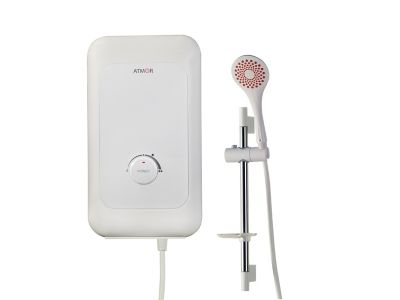
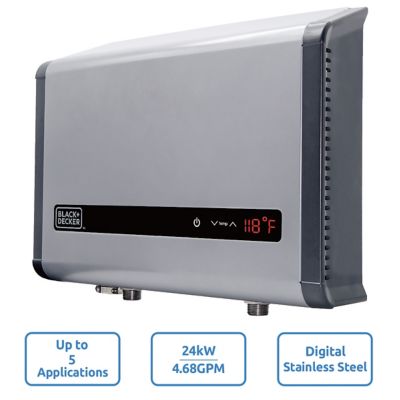
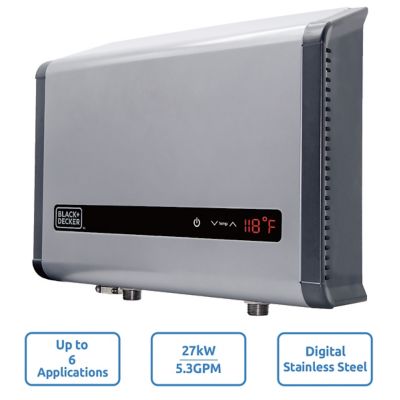
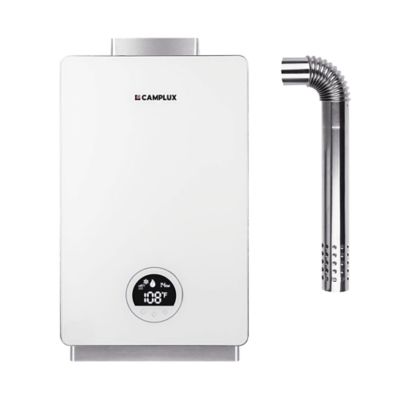
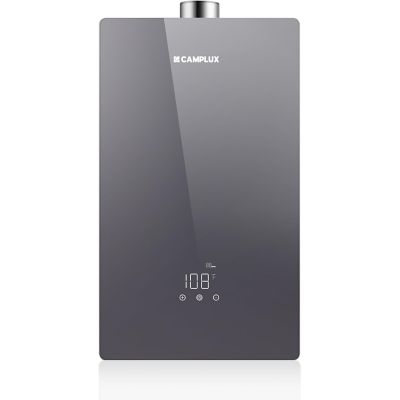
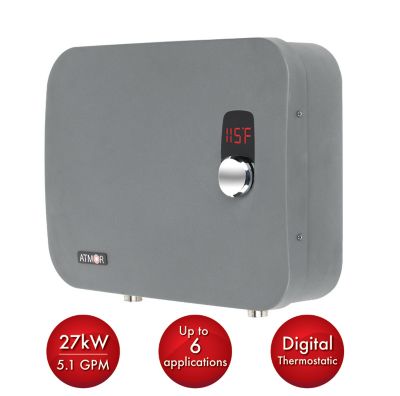
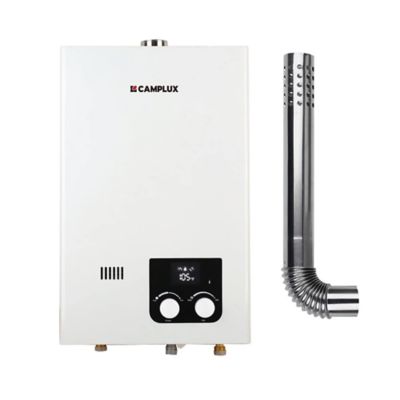
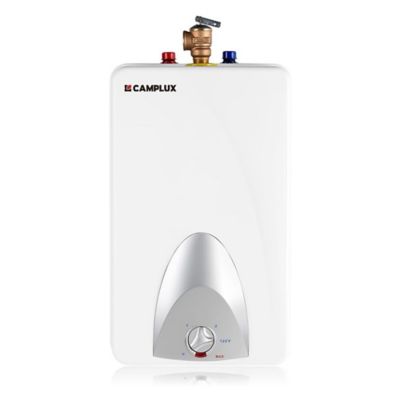
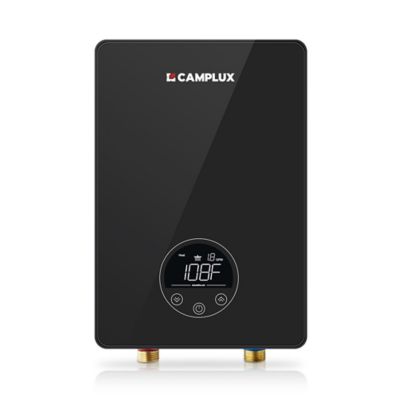
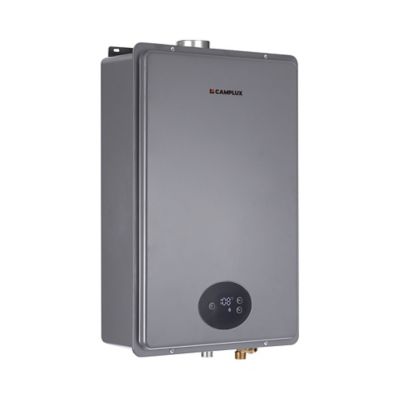
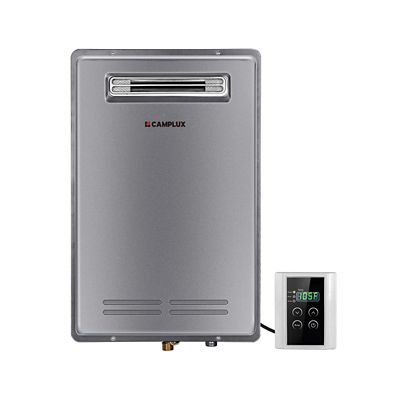
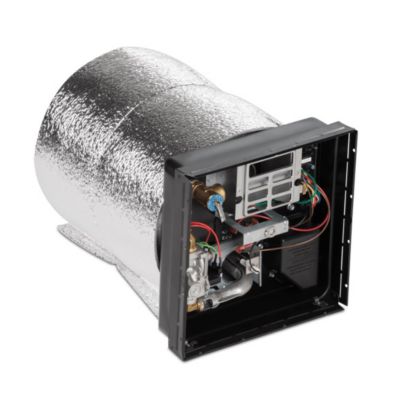
Shower water heaters supply hot water for bathing, whether that means a permanent bathroom in a farmhouse, a washroom at a hunting cabin, or an outdoor shower at camp. The main options include electric tankless heaters, compact storage-tank heaters, and propane-powered heaters, with the right fit depending on the installation location, available utilities, and amount of hot water needed. A dedicated point-of-use heater serves a nearby fixture or bathroom rather than sending hot water through a long run of pipe from a central heater. That shorter distance can cut the wait at the shower, especially in an addition or a bathroom far from the main plumbing. Tankless water heaters heat water as it passes through the unit, so there is no storage tank to refill and reheat between showers. Their output still has limits: the heater must have enough power to bring incoming water up to the desired temperature at the shower’s flow rate. Storage-tank heaters hold a set amount of heated water, making tank capacity and recovery time important when several people need to wash up. A small tank may suit occasional bathing with a low-flow showerhead, but it can run short during longer showers or back-to-back use. For folks coming in with mud on their boots after feeding livestock or hauling firewood, those differences matter more than the size of the heater’s cabinet. A shower that feels comfortable for one person may strain a system when another faucet opens. Households, cabin owners, and people adding a bathroom to a suitable outbuilding all have different demands, even when the space looks much the same. During the cooler months, colder incoming water adds to the heating load, so a heater’s performance under local conditions matters more than a headline flow rating. The most useful comparison is how much warm water a heater can deliver at the temperature rise your shower requires—not simply whether the packaging calls it compact or instant.
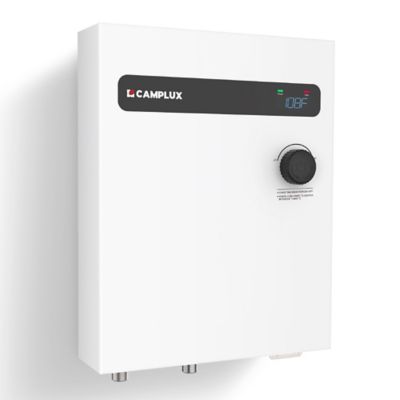
Electric tankless water heaters for showers appeal to shoppers who want a fixed indoor setup without giving floor space over to a storage tank. Wall-mounted designs can fit into tight utility areas, provided the location meets the manufacturer’s clearance, access, and moisture-protection requirements. The selection of
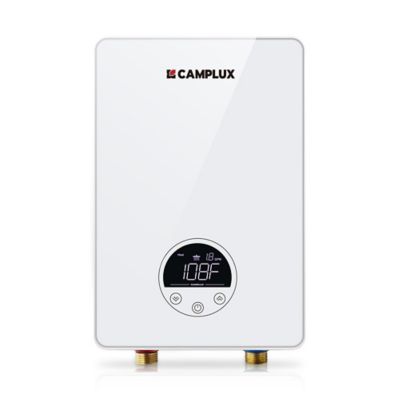
Electric Tankless Water Heaters for Showers centers on this on-demand approach, but electrical capacity is a major part of the purchase. Many shower-capable units require a dedicated 240-volt supply, and higher-output heaters may need multiple circuits or substantial panel capacity. A nearby household outlet does not mean a heater can support a full shower. Wattage, voltage, breaker requirements, and wire sizing all need to match the equipment and the property’s electrical system. Flow ratings deserve the same close attention. Gallons per minute, or GPM, describes water flow, while temperature rise is the difference between the incoming water temperature and the desired outlet temperature. For example, heating 50-degree water to 105 degrees requires a 55-degree rise. At a flow of 2 GPM, that takes roughly 16 kilowatts of heating power, illustrating why a lower-powered heater may fall short even when it works well at a smaller flow or with warmer inlet water. Manufacturer performance charts help show that relationship without relying on a single maximum-GPM claim. Well-fed homes also need to account for water pressure and pump cycling, since tankless heaters have minimum activation requirements. Temperature controls, overheat protection, and straightforward service access are worthwhile features to compare. Mineral-heavy water can create scale inside heating equipment, so flushing access and any recommended water treatment belong in the ownership picture. For an older farmhouse or a cabin with limited electrical service, installation work can change the overall expense considerably. A licensed installer can assess wiring, plumbing, permits, and capacity before purchase, helping keep a small bathroom project from turning into an unexpected panel upgrade. Correct sizing matters more than choosing the highest wattage available.
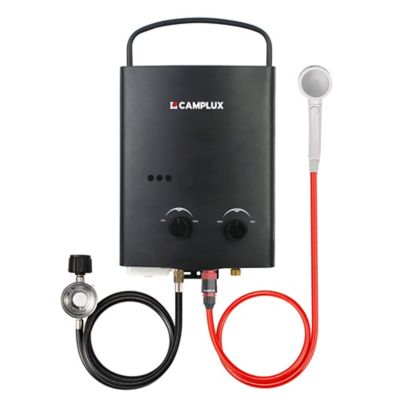
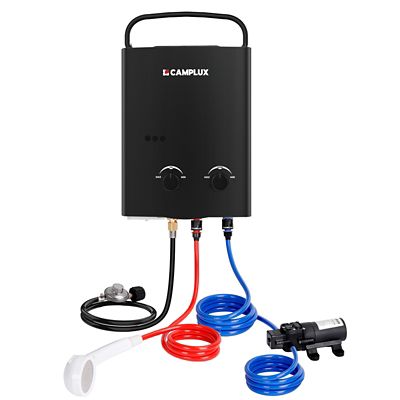
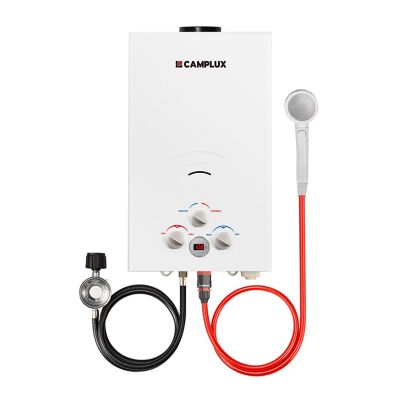
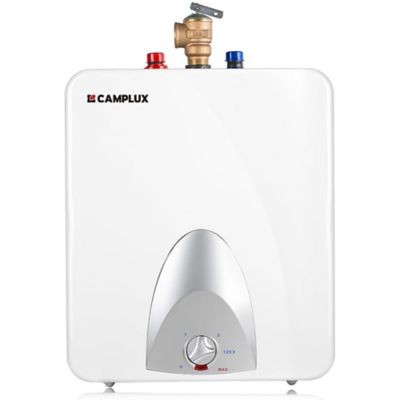
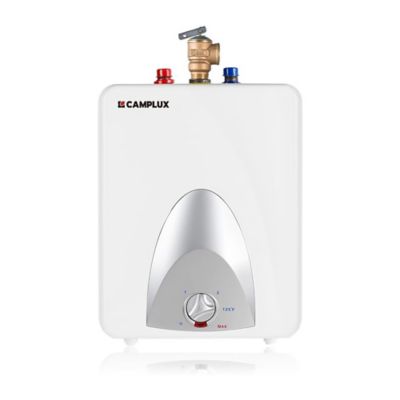
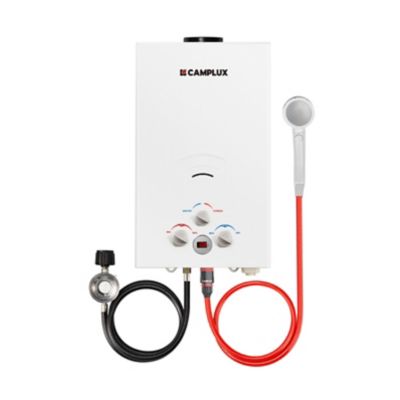
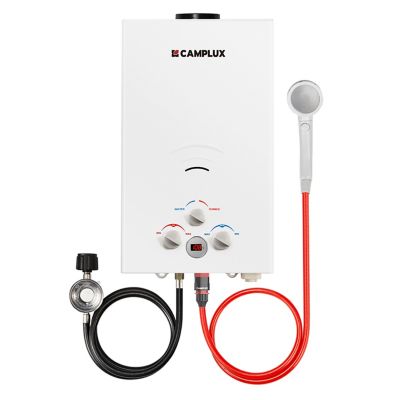
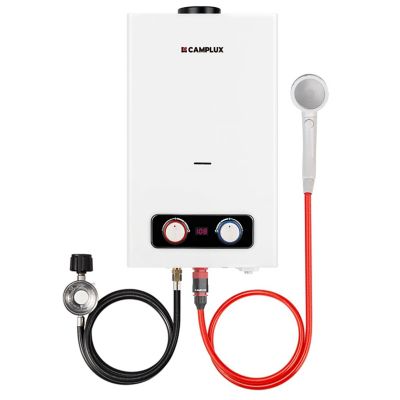
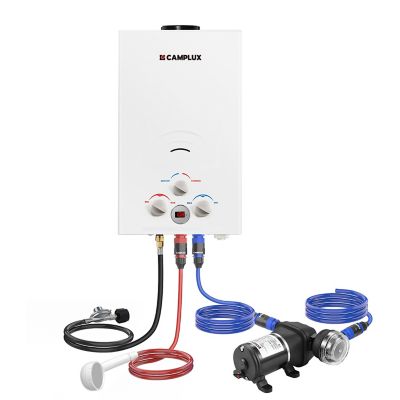
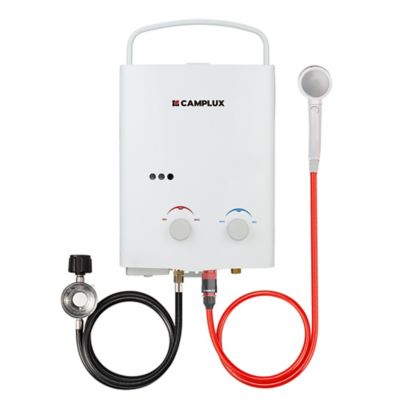
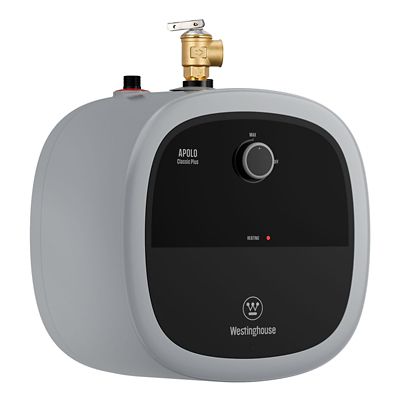
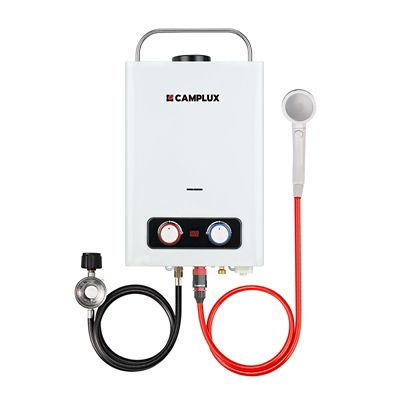
Compact storage-tank and portable propane shower water heaters serve other needs, particularly where daily routines or utility access differ from a full-time household. With a storage heater, the practical details include usable hot-water supply, recovery rate, electrical requirements, and the room available for the tank and required safety fittings. Tank gallons alone do not tell the whole story, because shower temperature, cold-water mixing, and the heating element’s recovery rate all affect bathing time. A weekend cabin with one person showering at a time has a different pattern from a bunkhouse where everyone comes in from the field together. Portable propane heaters, meanwhile, can provide warm water for outdoor bathing where permanent hot-water plumbing is not available. They can make sense for campers, seasonal property owners, and folks with an established outdoor shower area, as long as the location and connections meet the heater’s instructions. Outdoor-only propane heaters must stay outdoors, never inside a bathroom, tent, camper, garage, or enclosed shower stall. Fuel-burning equipment produces combustion gases, including carbon monoxide, and needs the specified open-air placement and clearances. Indoor fuel-fired installations require equipment approved for that setting and proper venting. Portability also does not mean the heater supplies its own water pressure; some arrangements need a separate compatible pump, while others connect to a pressurized supply. Hose connections, minimum operating pressure, ignition power, and fuel-regulator requirements are worth checking alongside the heater itself. Cooler weather adds another consideration at cabins and camps: water left inside a heater can freeze and damage internal parts. Built-in freeze protection, where provided, has limits and may depend on continuous power, so draining and storage requirements matter for an unattended property. Across all types of shower water heaters, safe temperature control and any required anti-scald protection belong in the finished setup, particularly where children or older adults bathe. The best fit supports the way the property actually runs, from a quick rinse after fence work to a full household getting ready before daylight. Matching output, utilities, and installation requirements keeps the focus where it belongs: a comfortable shower at the end of a long day.