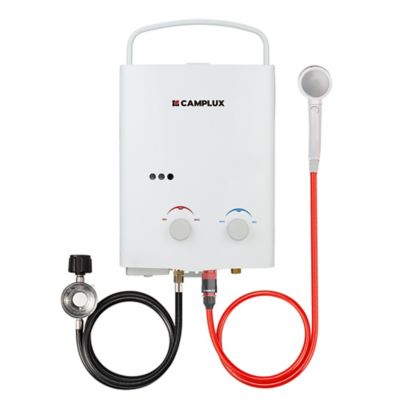
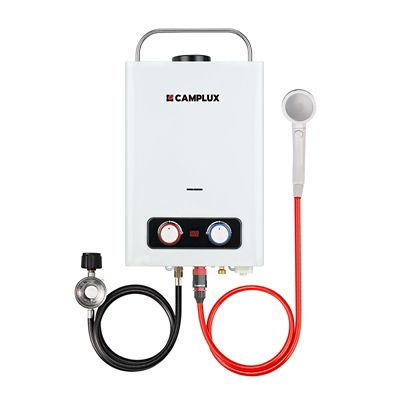
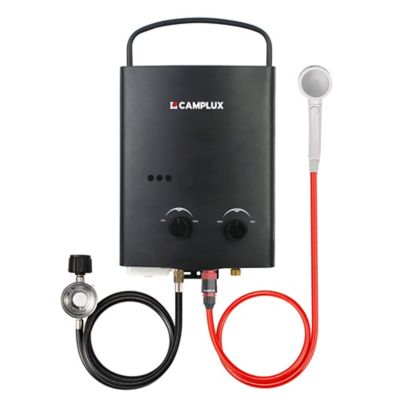
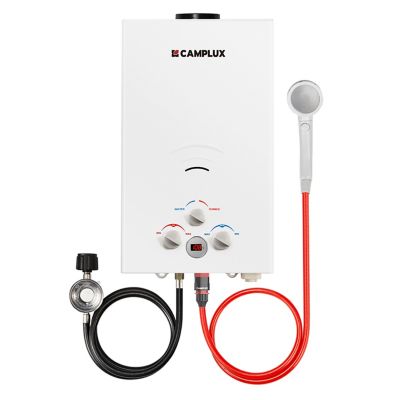
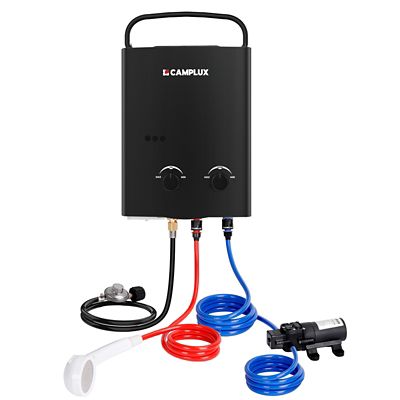
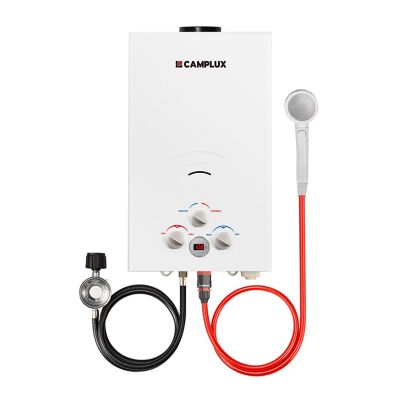
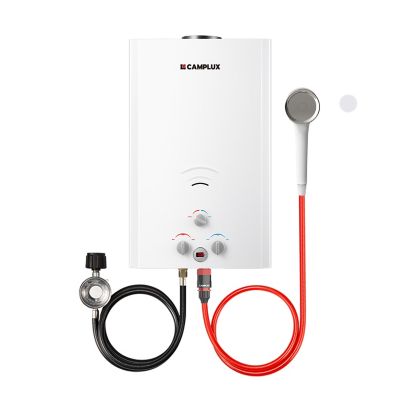
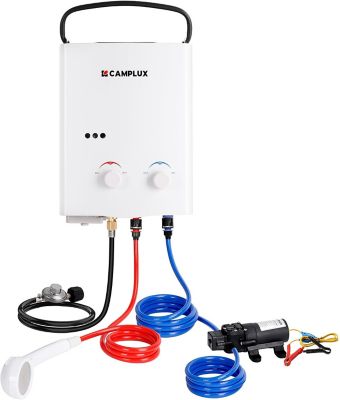
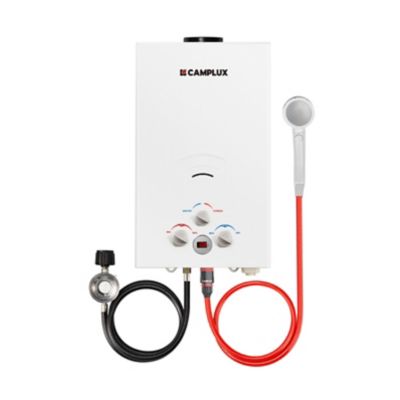
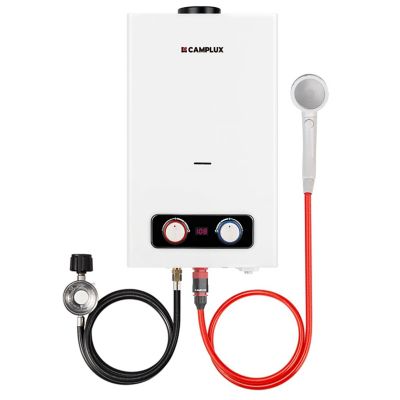
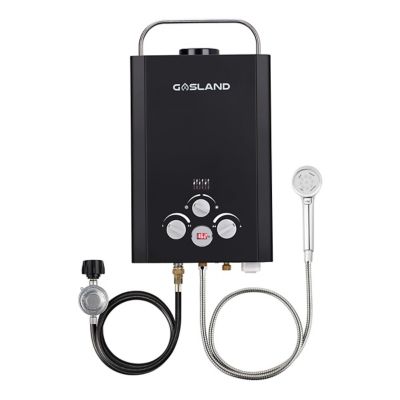
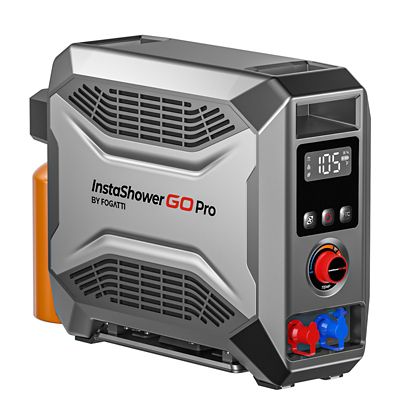
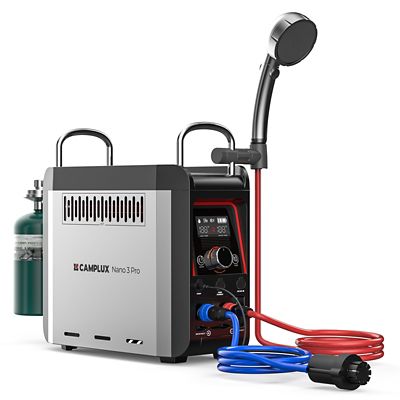
Outdoor shower heaters bring warm water to places where a regular bathroom connection may be out of reach, from a rinse station beside the pool to a wash area at a campsite or cabin. Two common types are portable propane tankless water heaters and solar-heated outdoor showers with built-in water reservoirs. A propane model heats water as it passes through the unit, while a solar shower stores water in a tank that absorbs heat from sunlight. That difference shapes how each setup fits everyday chores and recreation. An on-demand propane heater can support repeated showers when it has a steady water supply and enough fuel, though its flow and heating capacity still set the limits. A solar shower provides a limited amount of warmed water before the reservoir needs time in the sun again, making it a practical match for shorter rinses. Someone washing off after working in the garden may need only a few minutes at the showerhead; a family rinsing off after swimming will put more demand on the system. For camping and off-grid trips, portability matters as much as heating method. Carry handles, manageable weight, mounting provisions and straightforward hose connections can make the difference between a setup that travels easily and one better suited to staying in place. A fixed shower area calls for a closer look at the mounting surface, water routing and drainage, especially where runoff could leave a muddy patch beside a walkway. Solar columns generally need firm anchoring and a location with ample direct sunlight, while propane heaters need an outdoor position that meets the manufacturer’s ventilation and clearance requirements. For a broader look at heating options beyond a particular outdoor layout,
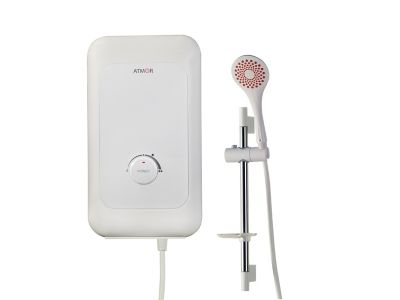
Shower Water Heaters offers a related starting point. The right match comes down to how much warm water the job takes, what powers the heater and whether the shower stays put or heads down the road.
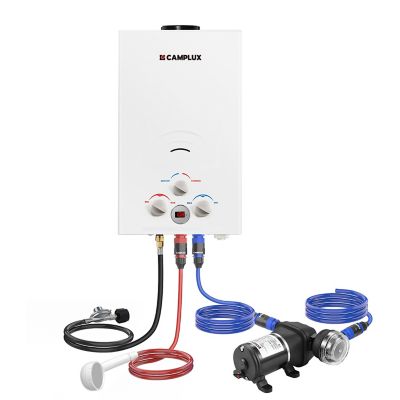
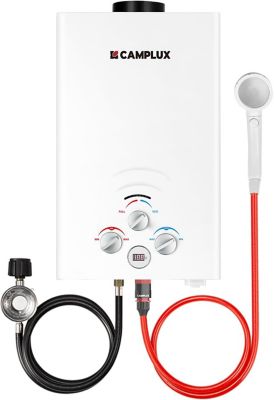
Water flow deserves a close look when comparing outdoor shower heaters, because the gallons-per-minute rating does not tell the whole story. A tankless heater’s output depends on the temperature rise it must deliver: bringing colder incoming water up to a comfortable shower temperature takes more heating capacity than warming water that starts closer to that point. Rated flow figures should be read alongside the stated temperature-rise conditions, not treated as a promise of the same shower performance everywhere. Minimum operating pressure and minimum activation flow matter, too. A garden hose connection may suit a site with pressurized water, but a remote wash station drawing from a storage container generally needs a compatible pump. The pump must meet the heater’s pressure and flow requirements, and the water source must hold enough for the intended rinse time. A five-minute shower at two gallons per minute draws about ten gallons before allowing for any water spent adjusting the controls. Hose length, elevation changes and restrictive fittings can also affect delivery at the showerhead. Matching the fittings goes beyond whether two threaded ends appear to line up; inlet sizes, connector types and the manufacturer’s specified hoses all deserve attention. Many portable propane heaters have battery-powered ignition, but those batteries light the burner rather than heat the water or run a separate pump. Fuel comes from the specified propane supply, with the regulator and gas hose matched to the heater’s requirements. Solar-heated showers work differently: their stored-water capacity and exposure to sunlight determine how much warmed water they can provide. Replenishing the reservoir introduces cooler water, and recovery takes time rather than happening continuously on demand. For either style, accessible controls and a showerhead that directs water where it belongs make everyday rinsing easier. A handheld head can help rinse muddy feet or wash a dog when water temperature is suitable, while a fixed head leaves both hands free. Those details can matter more than maximum output for a simple rinse station.
Materials and construction help determine how an outdoor shower heater handles transport, splashes and time outside. Depending on the design, housings and shower columns may include coated metal, stainless steel or plastics such as PVC and ABS. The material name alone does not establish outdoor suitability; manufacturer guidance on ultraviolet exposure, corrosion resistance and storage gives a clearer picture of where the unit belongs. Around pools or coastal properties, attention to splash exposure, fasteners and recommended cleaning is especially worthwhile. A secure mounting point keeps the heater from swinging against a post, and hose routing that avoids sharp bends and foot traffic helps protect connections. Portable equipment should travel drained and secured according to its instructions, with fittings protected from dirt and impact. Care also includes checking inlet screens, watching for leaks and following the recommended descaling process where mineral buildup is a concern. Freezing protection is an important storage consideration for water-filled outdoor equipment: follow the specified draining procedure for the heater, hoses and shower components, and do not assume a listed protection feature covers every condition or works without power. Safe placement matters just as much as upkeep. Outdoor-only propane heaters belong outdoors, never inside a house, camper, tent or enclosed shower stall, because combustion produces carbon monoxide. A privacy screen must not block required airflow or violate clearance requirements around the heater and exhaust. Gas connections need the leak checks specified by the manufacturer, and installation must follow applicable local requirements. Water heated by either propane or sunlight can become hot enough to scald, so check it before stepping under the spray and supervise children around the controls. A stable standing surface with traction and a drainage plan suited to the site finish the setup without turning the path back indoors into a slick mess. For campers, cabin owners and folks who spend plenty of time working outside, a well-matched outdoor shower heater adds a useful place to rinse off before tracking dirt through the door. As a gift, it makes the most sense when the recipient’s water source, fuel preference and mounting space are already known.