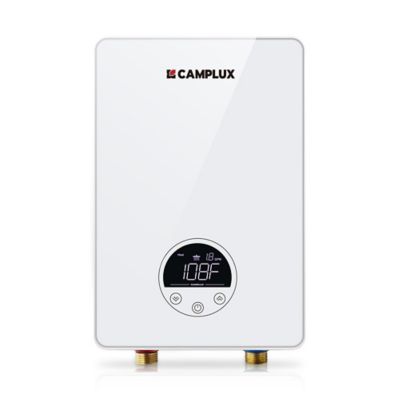
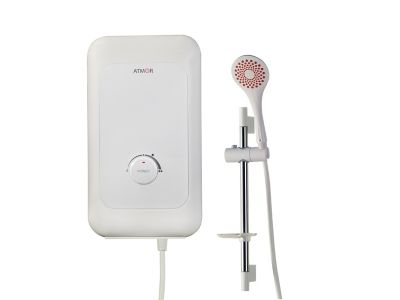
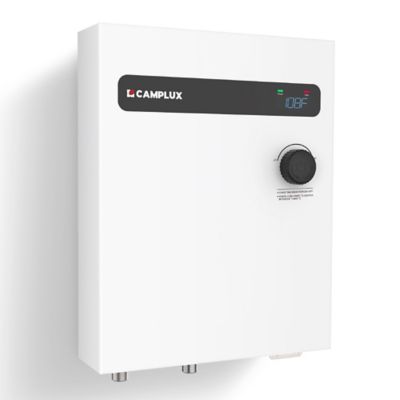
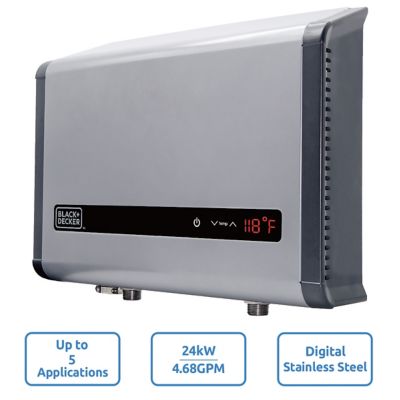
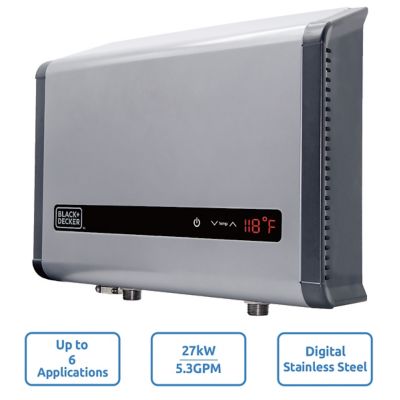
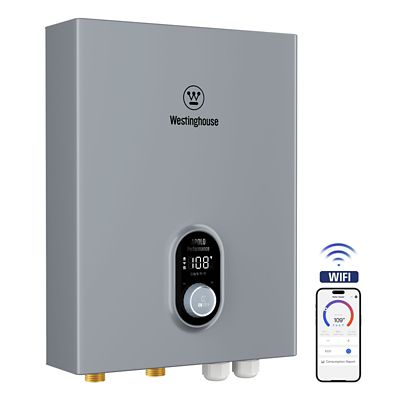
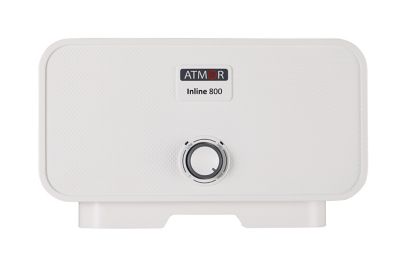
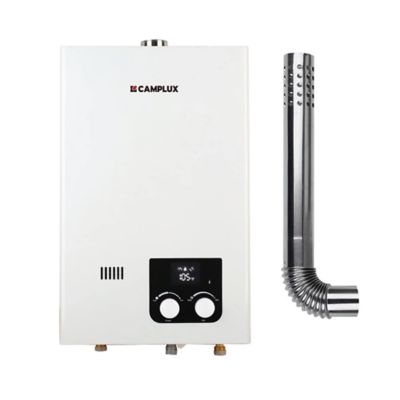
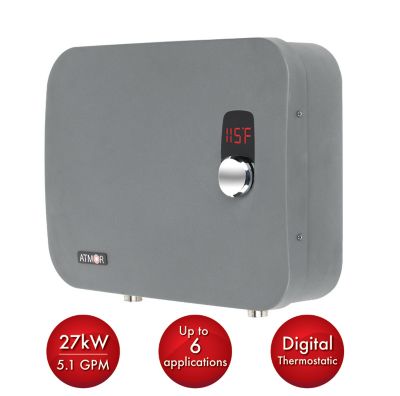
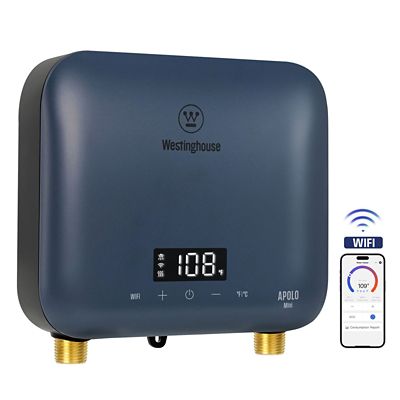
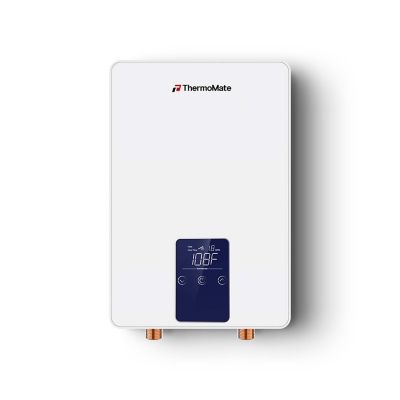
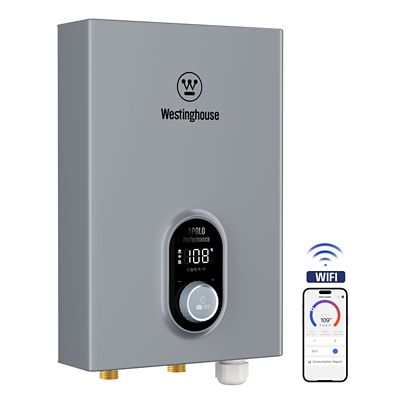
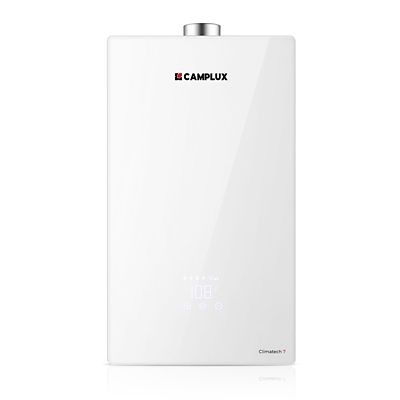
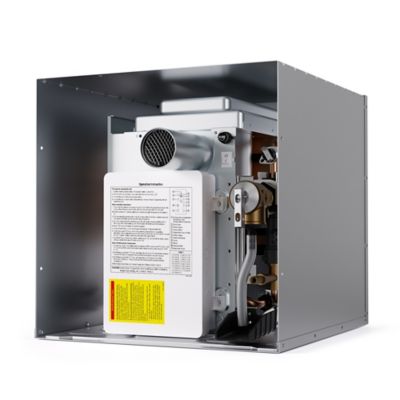
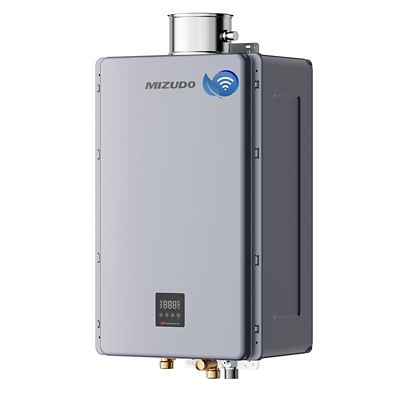
Electric water heaters are a dependable way to keep hot water ready for bathing, washing dishes, doing laundry and cleaning up after a long day of chores. They use electrical resistance elements or heat pump technology to warm water, and many models store that heated water in an insulated tank until it is needed. Standard tank water heaters are available in a range of capacities, commonly from about 30 to 80 gallons. A 40-gallon tank is often a practical fit for a household of two to four people, while larger families, homes with multiple bathrooms or properties with heavy hot water demand may benefit from a 50-gallon or larger tank. Think about the way water is used throughout the day rather than choosing a size based on household headcount alone. A home with teenagers taking back-to-back showers, frequent laundry loads and a deep soaking tub will use hot water differently than a small cabin or guesthouse. Capacity also matters in a rural home where several people may come in from outdoor work needing a hot shower around the same time. Electric tank heaters typically use upper and lower heating elements to maintain the set temperature, while insulation helps reduce heat loss between uses. Tankless electric water heaters warm water as it flows through the unit, which can save floor or wall space and avoid storing a large volume of hot water, but they may require substantial electrical capacity and careful planning for the home’s wiring. Hybrid or heat pump water heaters pull warmth from the surrounding air and use it to heat the water, often using less electricity than standard resistance models under suitable operating conditions. Because the available installation space, electrical service and household habits all play a part, compare the heater’s capacity, recovery rate, dimensions, power requirements and installation instructions before making a choice. These products are generally intended for homes, workshops, apartments, cabins, guest spaces and other buildings with a reliable electrical connection and plumbing system. They can also be useful during renovations, when replacing an aging unit, or when a property owner wants to move away from a fuel-burning water heater and use electricity instead.
Before ordering an electric water heater, check the existing unit and the space around it. Measure the available height, width and depth, including room for plumbing connections, electrical access, maintenance and any required drain pan. A replacement heater may have a different footprint even when it has the same gallon capacity, and a taller or wider tank may not fit in a cramped utility closet, basement corner or low-ceilinged outbuilding. Confirm the voltage, amperage, breaker size and wiring requirements with the home’s electrical system. Many standard residential electric water heaters use a 240-volt connection and dual heating elements commonly rated around 4,500 to 5,500 watts, but requirements vary by model. Tankless units can call for even more electrical capacity, so an electrical upgrade may be needed before installation. Review the product specifications and local building codes, and have a qualified plumber or electrician handle connections when the work is beyond your experience. Proper installation includes secure plumbing connections, correct pressure and temperature settings, a suitable temperature-and-pressure relief valve, grounding and safe routing of electrical wiring. A drain pan and discharge line may also help protect floors and finished spaces if a leak occurs, depending on local requirements and the installation location. For energy-conscious shoppers, compare the Uniform Energy Factor, or UEF, along with estimated annual energy use and operating cost. A higher UEF generally indicates greater efficiency, while ENERGY STAR® certified models meet established efficiency standards. Hybrid heat pump models may use up to substantially less electricity than conventional resistance units, although they need suitable surrounding air temperature, clearance and drainage. Standard tank models are often straightforward replacements, while tankless and hybrid systems may involve more planning. Keep the home’s water quality in mind as well. Hard water, sediment and mineral buildup can affect heating elements and shorten service life, making routine inspection and maintenance especially worthwhile. Flushing a storage tank, checking connections for signs of moisture and following the manufacturer’s maintenance schedule can help keep hot water flowing through the cooler months and beyond.
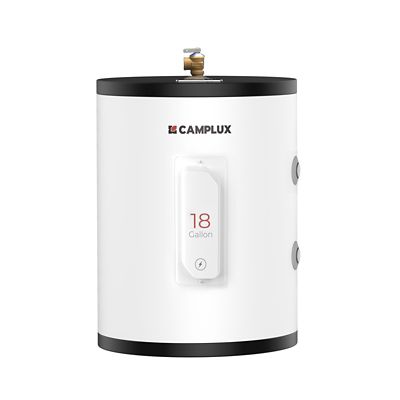
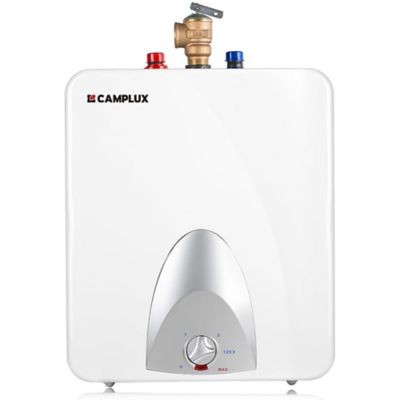
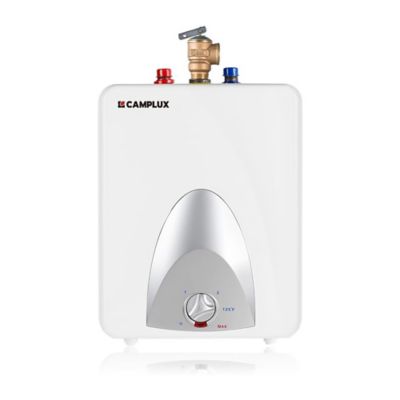
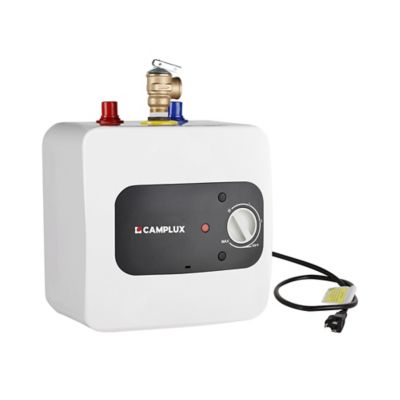
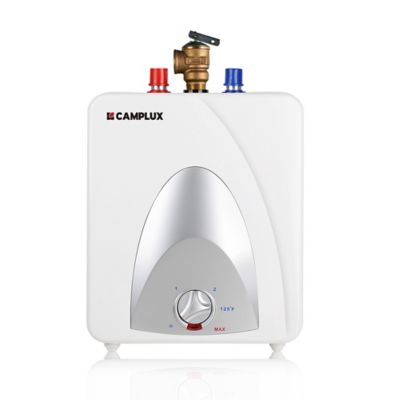
The right electric water heater can make everyday routines feel a whole lot easier, whether it is supplying a farmhouse kitchen sink, a busy family bathroom, a hunting cabin or a detached workshop with a small wash area. Smaller spaces and low-demand locations may be better served by a compact unit, including
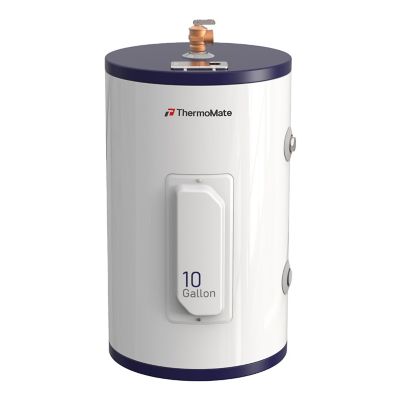
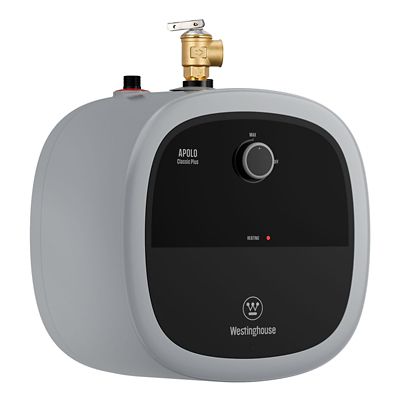
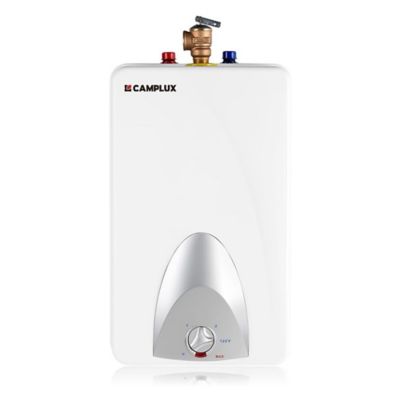
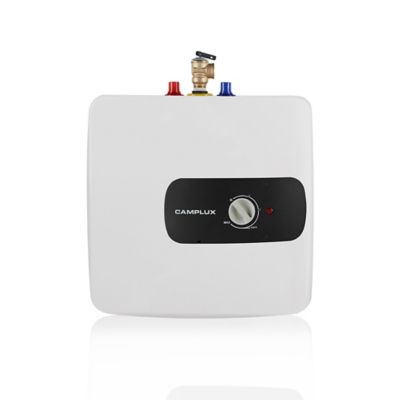
Electric Mini Tank Water Heaters that can provide hot water close to a point of use without taking up the room required by a full-size tank. A mini tank may work well beneath a sink, in a guest bathroom, in an accessory building or in a remote area where running a long hot water line is inconvenient. Full-size storage heaters are a familiar choice for homes that need several showers, loads of laundry and kitchen cleanup throughout the day. Hybrid models may appeal to homeowners focused on long-term energy use, while tankless models can suit places where space is limited and the electrical service is ready for the installation. As the weather warms, hot water helps with muddy boots, garden cleanup and rinsing off after outdoor projects; during the cooler months, a reliable supply is just as welcome for steamy showers, handwashing and household chores. For homes with well water, pressure tanks or seasonal occupancy, make sure the heater is compatible with the property’s plumbing setup and intended use. If the unit will serve a barn office, workshop or cabin, consider freeze protection, insulation and whether the building stays heated when unoccupied. Electric water heaters are not usually chosen as a traditional gift, but they can be a practical upgrade for someone remodeling a first home, finishing a guest space or improving a rural property. The best match comes down to available space, household size, daily demand, electrical service, efficiency goals and installation conditions. Taking those details into account helps narrow the selection to a heater that delivers dependable hot water without creating surprises during installation or operation.