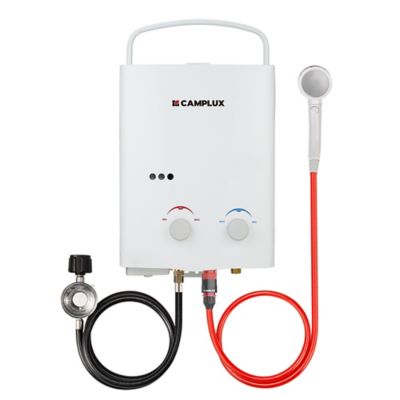
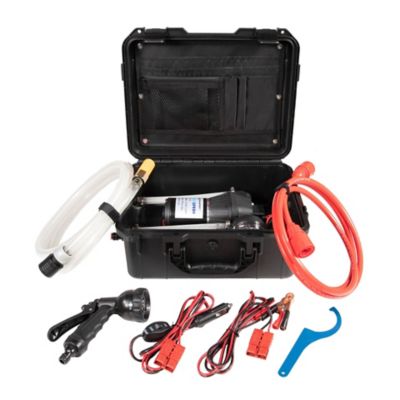
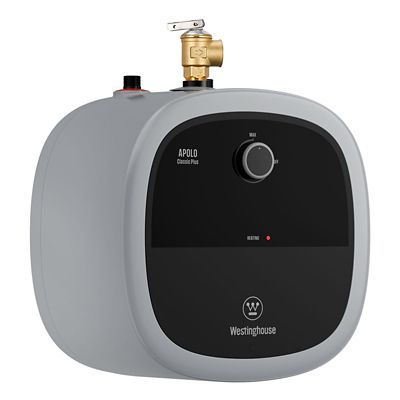
Portable water heaters provide hot water away from a fixed household water-heating system, making them useful for camping, outdoor wash stations, RV campsites and chores around the farm. Depending on the design, they heat water as it passes through the unit or keep a small supply ready in a tank. That means a place to wash muddy hands, rinse dishes after supper at camp or give a dog a comfortable bath without running a long line from the house. These heaters still need a suitable water supply and an energy source; portable does not mean completely self-contained. Propane models generally need a compatible cylinder and regulator, while electric models need a power source that meets their electrical requirements. Some setups also need a separate pump to move water from a clean container. The right fit depends on how much water the job calls for, how far the equipment needs to travel and what connections are already on hand. Flow rate, commonly listed in gallons per minute, helps describe how much heated water a unit can deliver. For tankless designs, that figure needs to be considered alongside temperature rise: the difference between incoming water temperature and the desired outlet temperature. A heater may deliver less flow when it has to make a larger temperature increase. A simple handwashing station has different demands from a shower, and running more than one outlet can stretch a small heater beyond its intended capacity. Tank-style units have a limited stored supply and need time to heat replacement water. Adjustable heat and flow controls can help match the output to the task, but minimum operating pressure and minimum flow matter, too. A trickle from a hose may not activate a tankless unit. For a campsite shower or a wash rack beside the barn, matching those operating requirements to the actual water source matters more than picking a heater by its carrying size alone.
Portability involves the whole setup, not just the weight of the heater. A compact housing and a carrying handle make a difference on the walk from the truck, but hoses, a fuel cylinder, a pump and a water container can add several separate loads. Dimensions also matter when equipment has to fit in a camper storage compartment or share truck space with feed sacks and fencing tools. Hose connections should match the intended supply and outlet attachments, with hoses rated for the water temperature and pressure involved. A household faucet connection, a pressurized campground hookup and a pump-fed container are not interchangeable arrangements without the proper components. Pumps need compatible power and enough pressure and flow for the heater, and some require priming before operation. Battery ignition on a propane heater generally powers the ignition system rather than supplying the energy that heats the water; a pump may have its own electrical needs. Electric water heaters require particular attention to voltage, amperage, grounding and any manufacturer restrictions on extension cords. Outlets near water need appropriate ground-fault protection, and the equipment must be approved for the location where it will operate. Water heating and space heating are separate jobs;
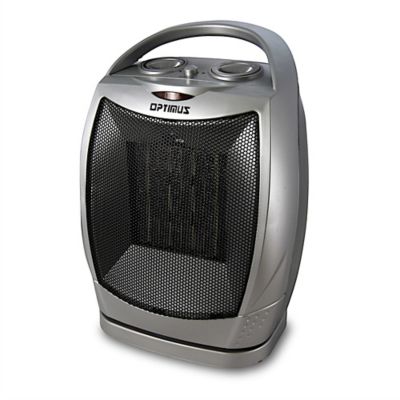
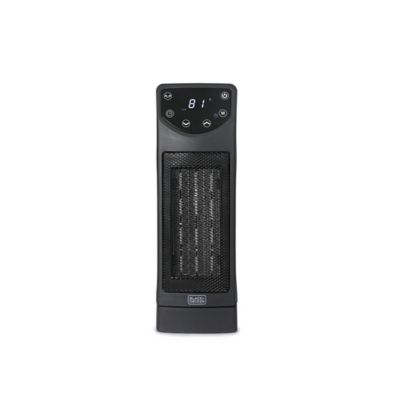
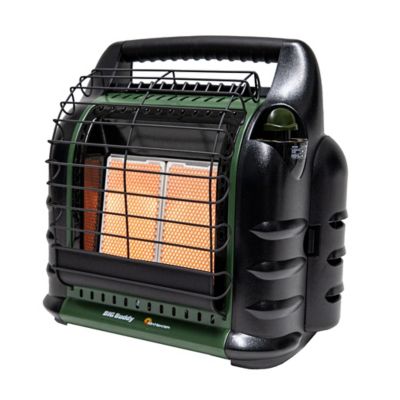
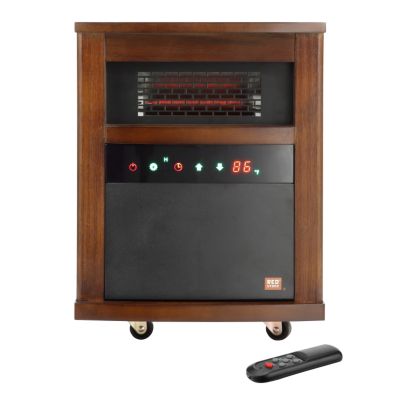
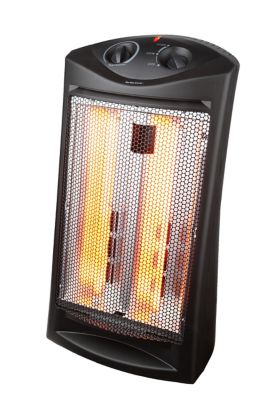
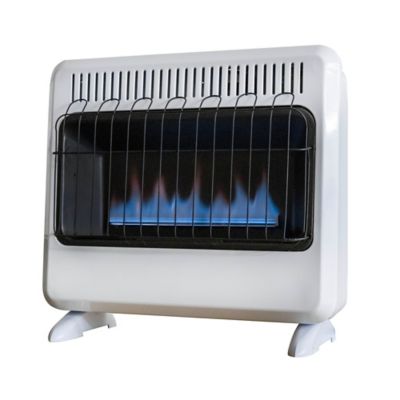
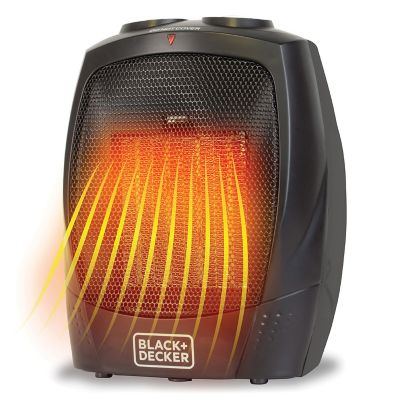
Electric Portable Heaters warm an area rather than supply hot water to a faucet or hose. For fuel-burning portable water heaters, placement is a safety requirement, not merely a matter of convenience. Outdoor-only propane units belong outdoors with the ventilation and clearances specified by the manufacturer, never inside a tent, enclosed trailer, vehicle or other enclosed space. Open doors or windows do not make an enclosed location safe for outdoor-only combustion equipment. A portable unit also should not be assumed suitable for connection to an RV’s built-in plumbing or for replacing its installed water heater. Stable support, protected hose routing and access to shutoff controls help keep a temporary washing area orderly, especially where children, animals or foot traffic are nearby.
Materials and construction affect how well a portable water heater handles hauling, repeated connections and everyday cleanup. Depending on the design, housings may include metal or molded components, while heat exchangers, fittings, seals and hoses each have their own care requirements. Corrosion resistance is worth considering around frequent splashes, but an outdoor-use rating does not mean every component can sit in standing water or tolerate unrestricted exposure. Solid mounting points, manageable handles and fittings that are easy to reach can make a unit less awkward to set up beside a wash station. Hoses and attachments need support so their weight does not pull against the heater’s connections. After the job, the unit needs time to shut down and cool before packing, along with draining or other storage steps specified in its instructions. Water left in tanks, hoses or internal passages can create storage problems, and mineral buildup can restrict flow or reduce heating performance. Equipment supplied by hard water may need periodic descaling with a manufacturer-approved method. Screens, filters, seals and hose connections also need inspection and cleaning at the recommended intervals. For washing animals, a steady, gentle stream and a checked outlet temperature matter more than the hottest possible setting. A startled horse or a dog shifting its feet can tug a hose, so placement should keep the heater and fuel supply away from the animal’s reach. At a camp sink, water intended for drinking, cooking or food-contact tasks needs a potable source and components approved for that purpose. Heating untreated water in a portable heater does not automatically make it safe to drink. For emergency washing arrangements, the same requirements still apply: the heater needs its specified water supply, fuel or electrical power, and a suitable operating location. Whether the work is rinsing hands after fence repairs or washing up at camp, the most practical portable water heater is one whose capacity, connections and care requirements fit the job.