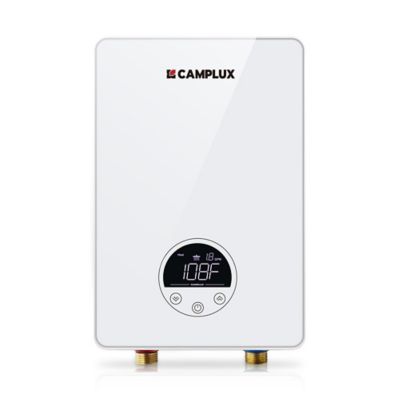
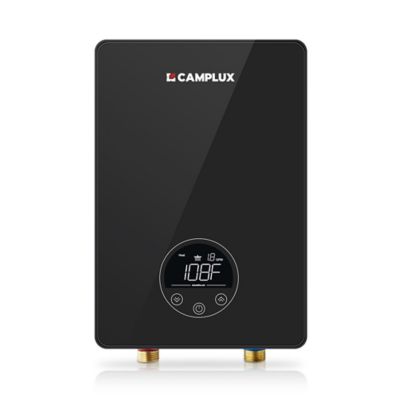
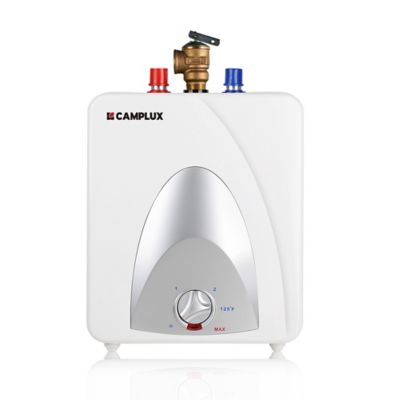
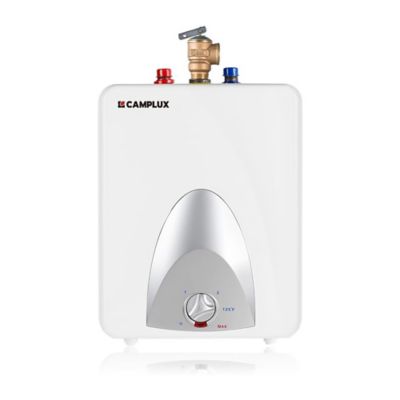
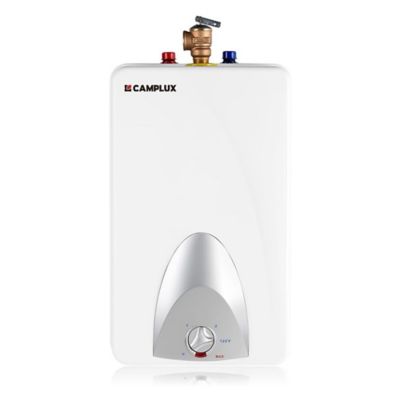
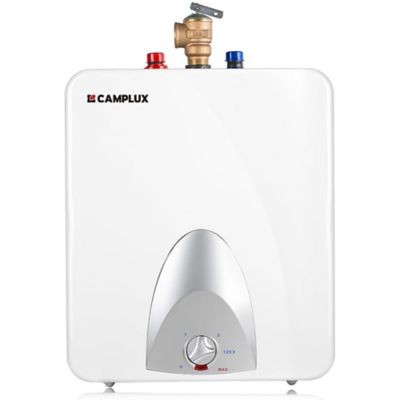
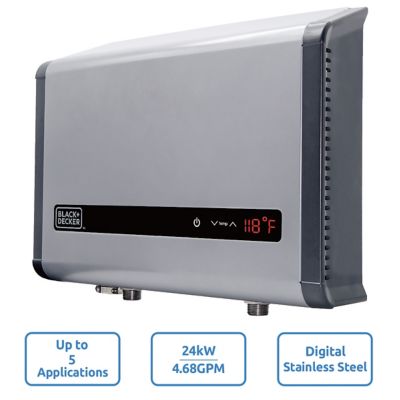
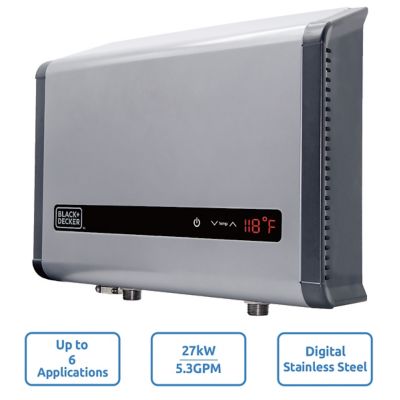
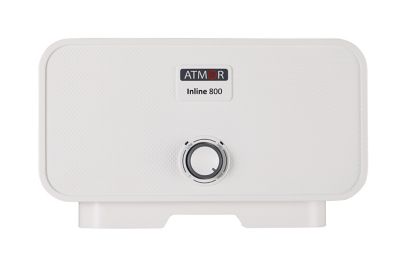
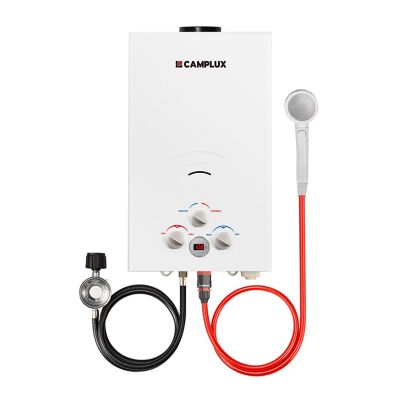
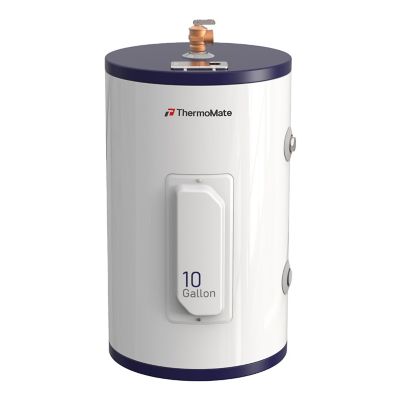
Under sink water heaters bring hot water closer to the faucet, making a handy addition wherever the main water heater sits far down the hall, in a basement, or in another outbuilding. Instead of waiting for a long run of pipe to warm up, you can get hot water at the sink with less water going down the drain. That can be especially helpful at a busy kitchen sink, a bathroom in a chilly addition, a laundry area, a workshop, or a guest space that does not need a whole-house hot water supply. During the cooler months, a small heater tucked inside the cabinet can make handwashing and cleanup feel much more comfortable, whether you are rinsing muddy hands after tending livestock or washing dishes after a family meal. These compact units generally fall into two groups: mini-tank heaters and tankless, on-demand heaters. Mini-tank models store a small supply of heated water, often in capacities from about 1.3 to 6 gallons, so warm water is ready when the faucet opens. They can serve one sink on their own or add a boost to water coming from a larger household heater. Tankless models warm water as it flows through the unit, without keeping a reservoir hot between uses. Each style has a place, and the right fit depends on how often the sink runs, how much water is needed at one time, and what electrical service is available nearby.
When comparing under sink water heaters, start with the space inside the cabinet and the sink’s plumbing layout. Measure the cabinet opening, look for shelves or drawers that may limit clearance, and leave room for connections, service access, and any required safety components. A mini-tank may connect to a standard 120-volt outlet, while some higher-powered tankless models call for a dedicated 240-volt circuit. Check the heater’s electrical requirements before purchase, and have a licensed electrician handle new wiring or circuit changes. Water connections matter, too. Confirm the inlet and outlet size, the direction of the plumbing, and whether the unit is designed for the pressure in your home or shop. A pressure relief valve, shutoff valve, and properly routed drain line may be required, and local plumbing rules can vary. If the cabinet has no outlet, if the wiring is older, or if you are unsure about the plumbing, bringing in a licensed professional is a smart step. Look at recovery time and temperature controls for mini-tank units, and compare flow rate for tankless models. A low flow rate may work well for handwashing, while a sink that fills stockpots or handles steady washing may call for more capacity. It also helps to consider energy use: a mini-tank keeps stored water warm between tasks, while a tankless model draws power during operation. Hard water can lead to mineral buildup, particularly in tankless heaters, so check the care instructions and plan for periodic flushing where needed. Keep an eye on fittings and the cabinet floor after installation, since a small drip can cause trouble if it goes unnoticed behind stored cleaners or towels.
These heaters can suit homeowners updating an older kitchen, families adding a sink to a mudroom, and landowners setting up a wash station in a barn office or detached workspace. They may also help in a guest bathroom where running a long hot-water line would take extra time and materials. For a sink that sees light, occasional use, a small mini-tank can offer a simple source of warm water without asking the main heater to serve every corner of the property. For a handwashing station that runs for short stretches throughout the day, a tankless model may help provide hot water without keeping a reservoir warm. Keep in mind that a compact heater is meant to support a specific sink or point of use, not replace a whole-house system. Capacity can run short when several people draw hot water back to back, and a tankless unit may not keep up if the flow demand is greater than its rating. A homeowner planning a remodel may appreciate the way these heaters free up time at the sink, while someone moving into a farmhouse, cabin, or shop may see them as a practical housewarming gift. For more options in the stored-water style, browse
Electric Mini Tank Water Heaters. Before settling on a model, match the heater to the sink’s daily routine, available voltage, cabinet dimensions, water pressure, and installation requirements. With the right setup and regular checks, an under sink water heater can bring a little more warmth and convenience to everyday chores, from rinsing a coffee mug on a frosty morning to cleaning up after a long day outside.