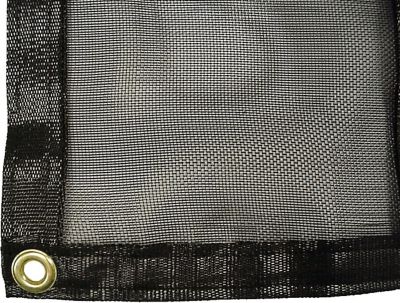
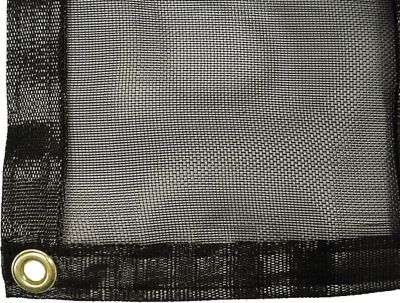
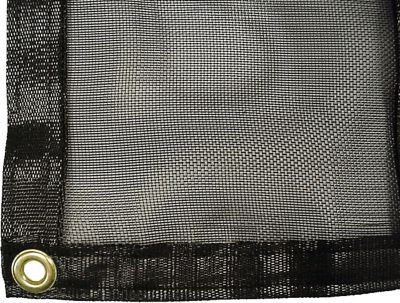
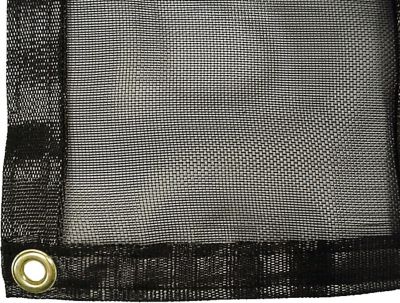
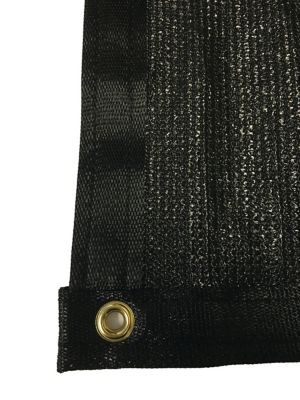
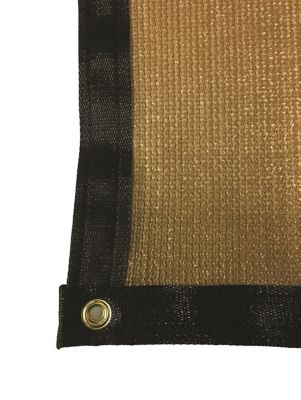
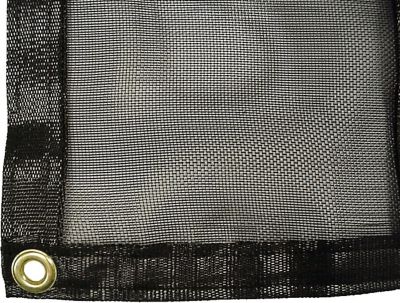
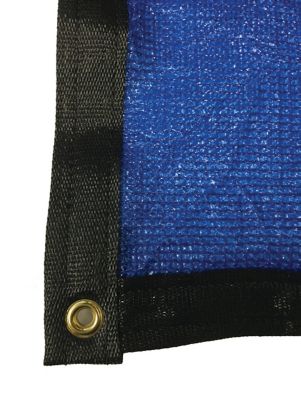
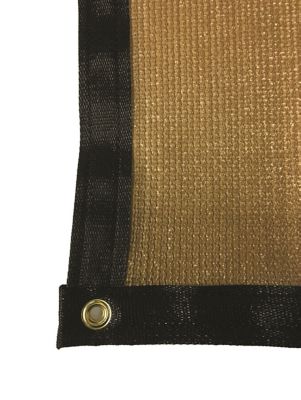
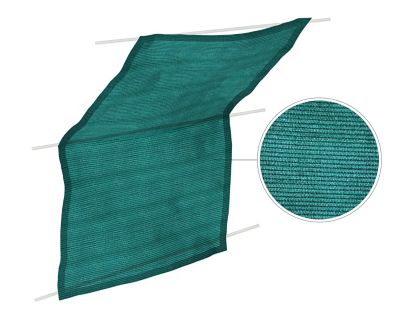
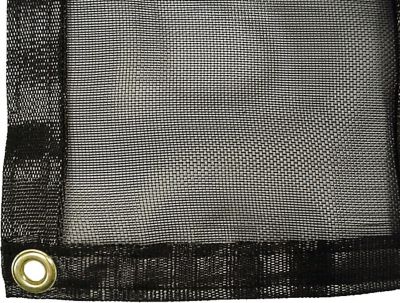
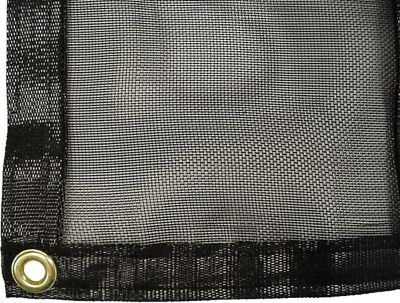
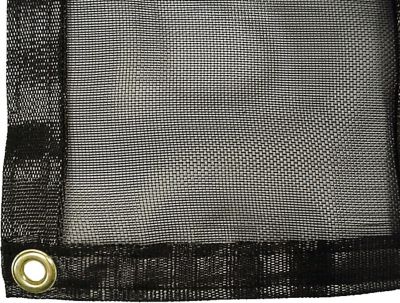
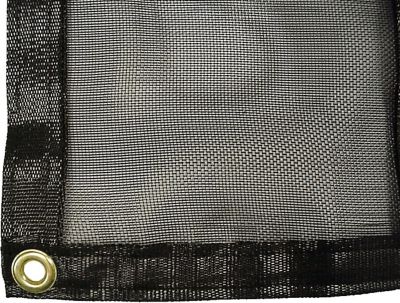
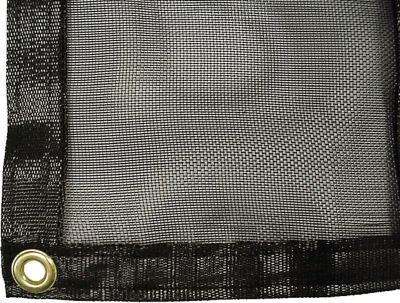
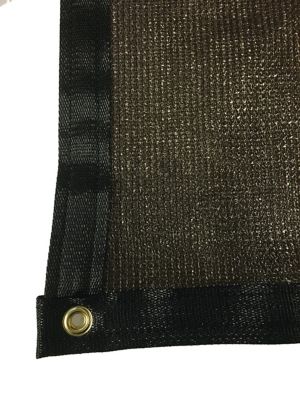
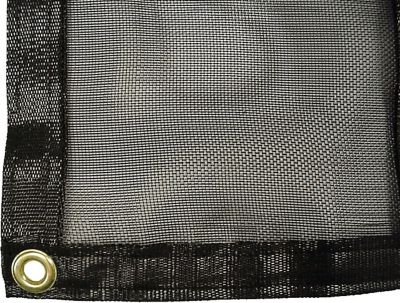
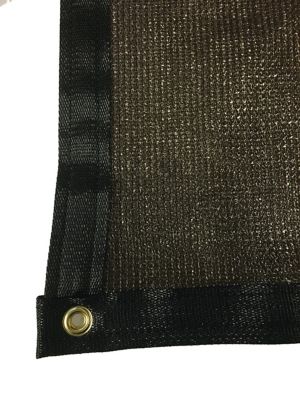
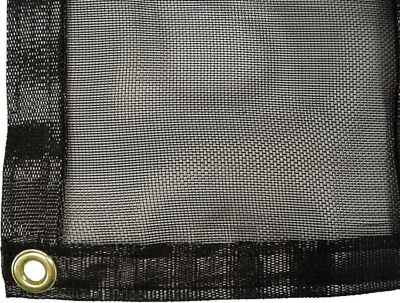
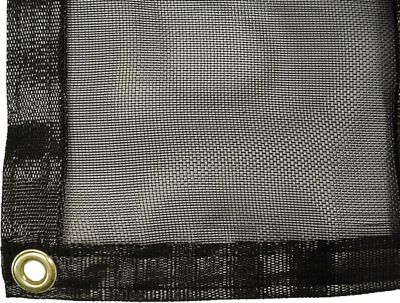
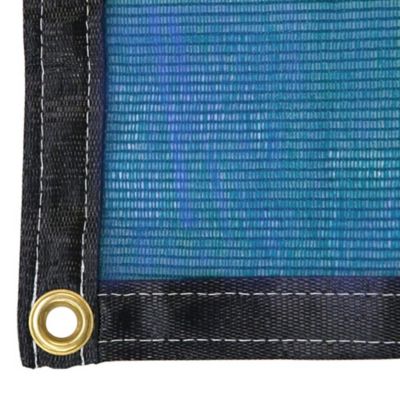
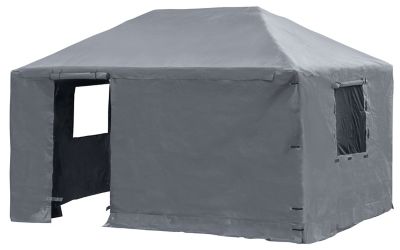
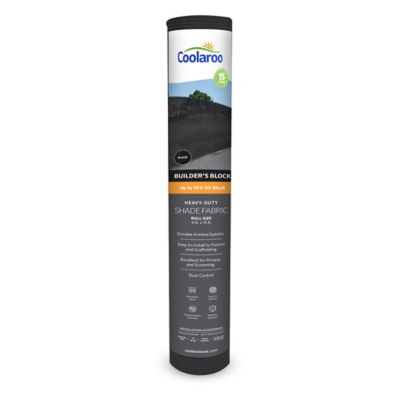
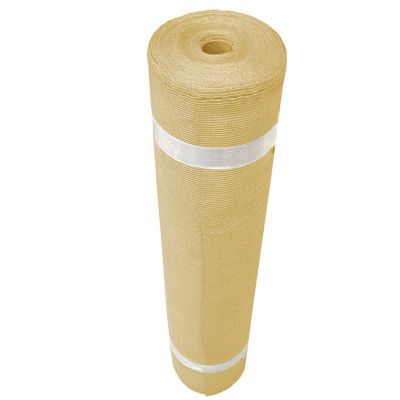
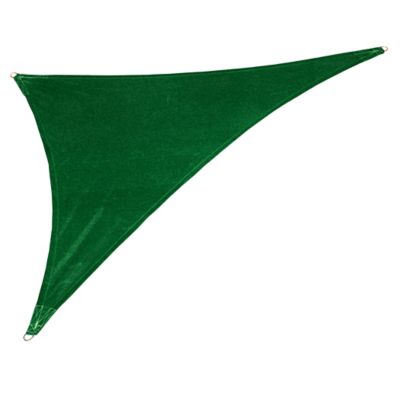
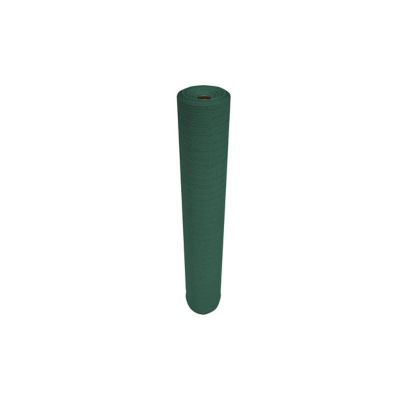
Shade cloths with grommets are a handy way to add practical cover wherever bright sun, heat, or glare makes an outdoor space harder to use. Commonly made from UV-resistant HDPE mesh, these fabrics allow air to move through while filtering a portion of the sunlight. Reinforced edges and built-in metal grommets make them easier to fasten than plain fabric, whether you are covering a garden row, tying shade along a fence, adding relief over a kennel, or building a simple canopy over a work area. The right shade cloth can help make a stock-tank sitting area more comfortable, give young plants a break from harsh afternoon sun, or create a cooler corner beside a barn, shed, greenhouse, porch, or pergola. Gardeners may use lighter shade levels to soften sunlight without shutting it out, while patios, animal areas, and resting spaces may call for denser fabric that blocks more heat and glare. For tender starts and newly transplanted crops, browse
Shade Cloths for Seedlings for additional options suited to early plant growth. As the weather shifts through the warmer and cooler parts of the year, shade cloth can also serve as a flexible windbreak or privacy screen, though mesh fabric is best viewed as a breathable cover rather than a waterproof shelter. It is useful around rural properties because it can be put up for a particular season, moved to another spot as needs change, and taken down for storage when the structure or plants no longer need it.
When choosing shade cloth with grommets, start with the space you need to cover and measure the area in more than one direction. A cloth that is a little larger than the opening may give you room to pull the edges taut, while an undersized panel can leave gaps and put extra strain on the attachment points. Keep in mind that listed dimensions generally describe the fabric size, not the exact area that will be shaded after the cloth is angled, folded, or attached to a frame. Shade ratings often range from about 30% to 90% blockage. A lower rating lets more sunlight through and may fit plants or seating areas that still benefit from bright, open conditions. Medium shade can be a useful middle ground for garden beds, porches, animal runs, and outdoor chores. Higher shade ratings offer stronger relief from intense sunlight and may suit spaces where comfort and glare reduction matter most. The best choice depends on what is underneath the cloth, how much direct sun reaches the area, and whether airflow is a priority. A vegetable bed, dog kennel, chicken run, equipment area, and patio may each call for a different balance of light, ventilation, and coverage. Look for reinforced, taped borders and secure lock-stitch construction when the cloth will be handled often or installed where wind is common. Metal grommets spaced along the edges—often about every 1 to 2 feet—give you several fastening points, helping distribute tension rather than pulling from only the corners. Before hanging a panel, check the surrounding posts, rails, fence, or frame for sharp edges that could wear through the fabric. Rounded hardware and smooth attachment points can help protect both the cloth and the structure.
Fastening options depend on the setup and how often you plan to move the shade. Bungee balls are useful on pergolas, garden hoops, metal frames, and other structures where a little stretch can help absorb movement in the wind. Zip ties offer a quick, snug connection for chain-link fencing, railings, and temporary screens, while nylon rope or outdoor-rated cord can be threaded through a series of grommets for longer runs and larger canopy arrangements. Heavy-duty hooks, clips, or wire may work well for permanent structures when matched to the weight and tension of the fabric. Pull the cloth evenly from several sides instead of tightening one corner all the way before attaching the others. A little give is helpful; fabric stretched drum-tight can place unnecessary stress on grommets, posts, and fasteners when gusts roll across an open yard. Avoid letting the cloth rub against rough lumber, exposed screws, or welded edges, and inspect the ties and grommets from time to time, especially after strong weather. Shade cloth is not intended to carry snow, standing water, or heavy debris, so remove it or change the setup when conditions call for it. For storage, let the fabric dry, shake off dirt and leaves, fold it loosely, and keep it in a clean, dry place away from rodents and sharp tools. These panels can make a thoughtful gift for a gardener, homesteader, livestock owner, camper, or anyone improving an outdoor workspace because they are useful across a wide range of projects. Whether it is stretched beside a garden fence, tied over a place to sit, or used to give animals and plants a cooler retreat, shade cloth with grommets offers a simple, adaptable way to make better use of the space around home and farm.