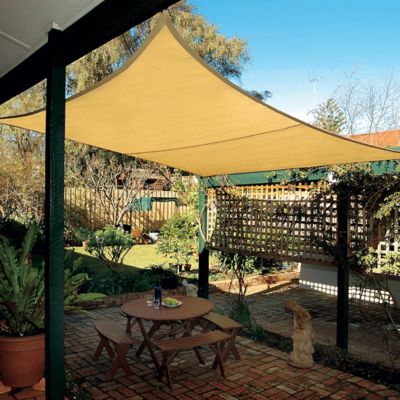
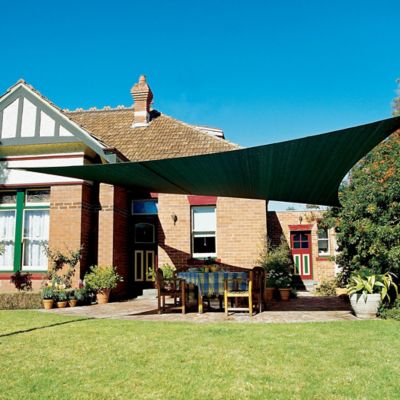
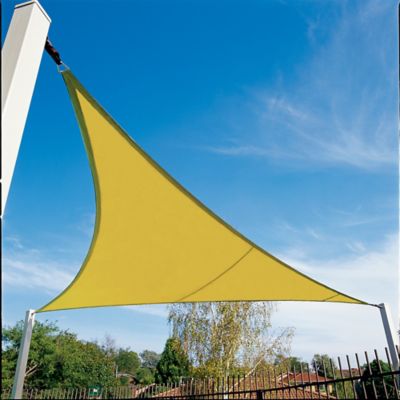
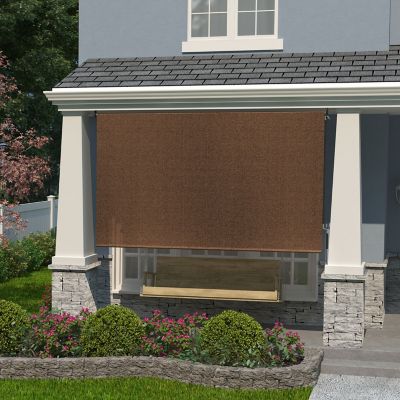
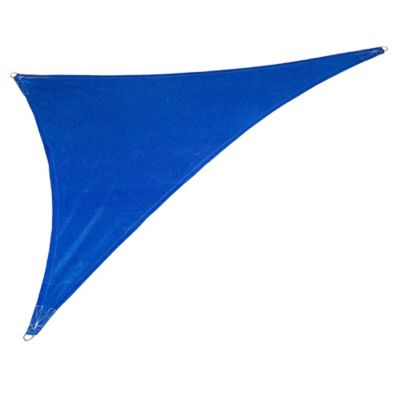
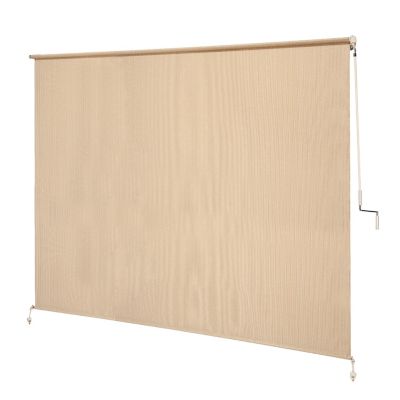
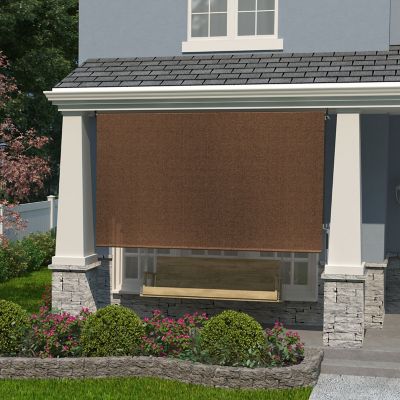
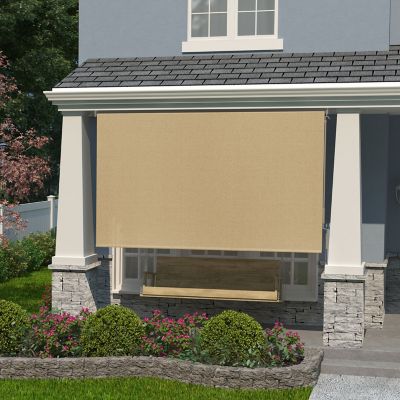
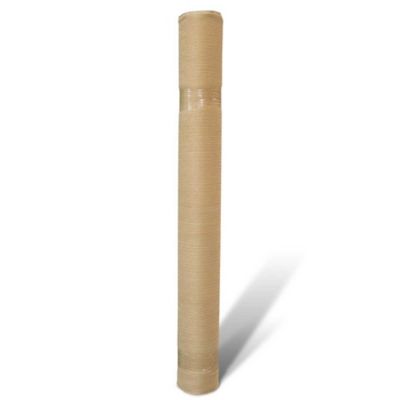
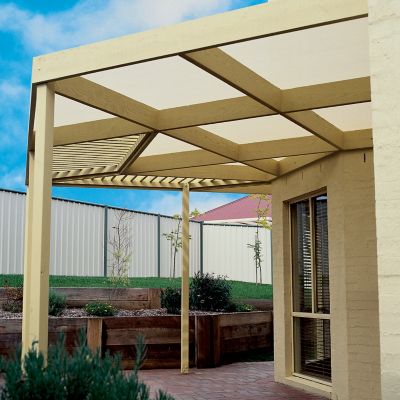
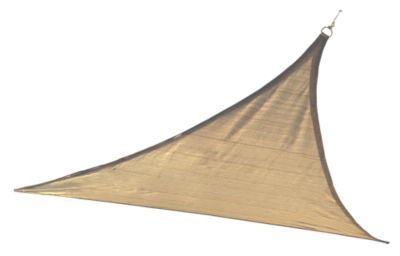
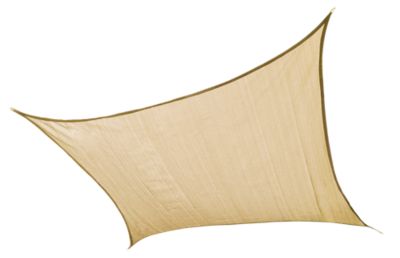
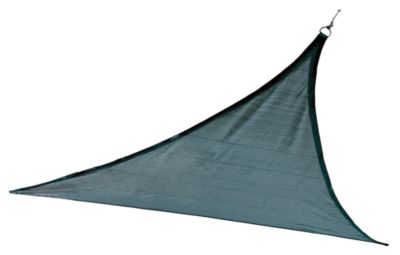
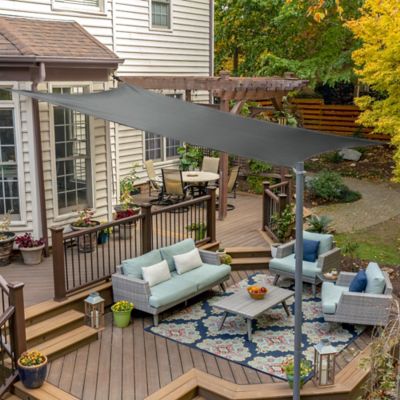
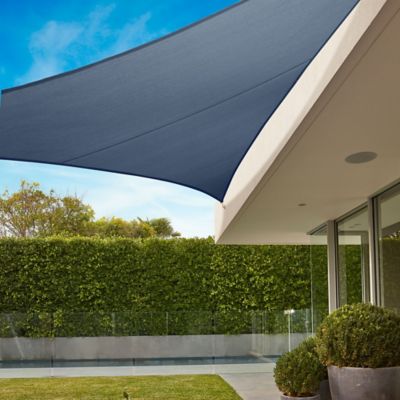
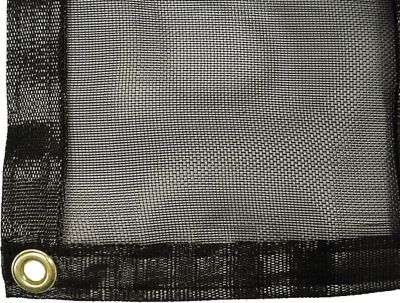
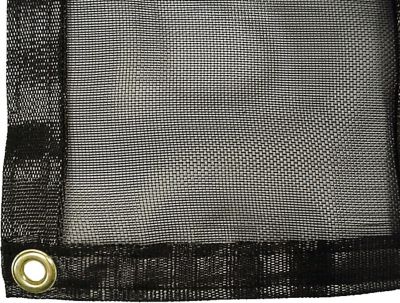
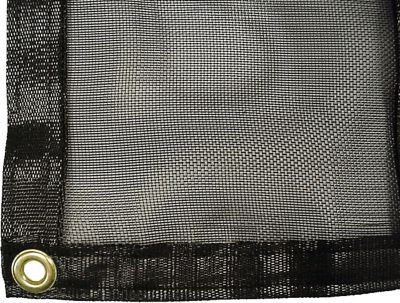
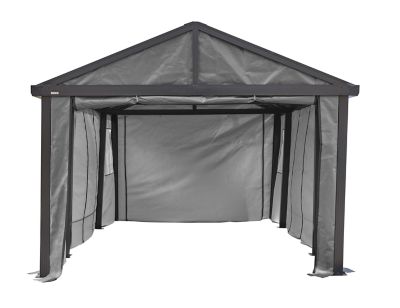
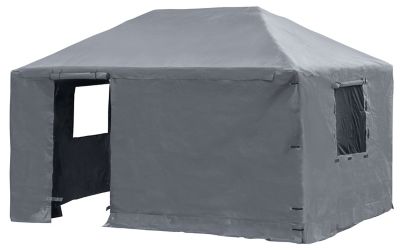
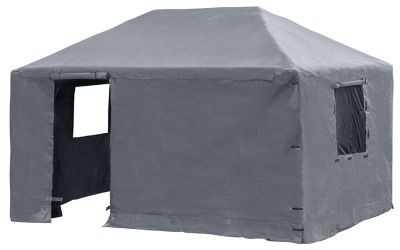
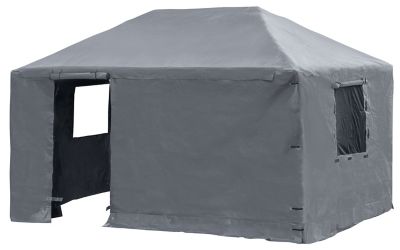
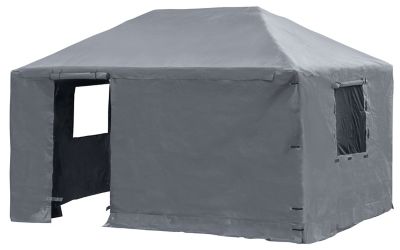
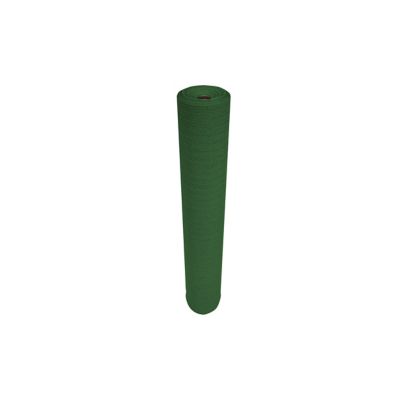
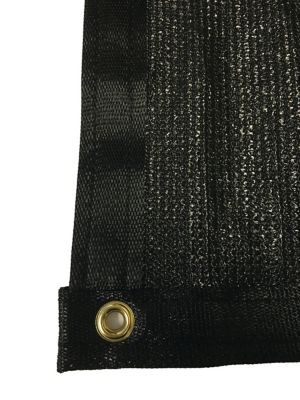
Shade cloths for patios help turn a bright, hot outdoor space into a more comfortable place for morning coffee, family meals, grilling, or putting your feet up after a long day. By blocking a portion of the sun’s ultraviolet rays, patio shade cloth can reduce glare and help lower the temperature beneath a pergola, porch frame, open shelter, or other outdoor structure. The fabric still allows air to move through, which is especially useful when you want relief from direct sun without sealing in every bit of heat like a solid roof can. Shade cloth is also handy around campsites, pool areas, garden seating, livestock buildings, and rental properties where a permanent addition may not be practical. When choosing a cloth, start by measuring the area you want covered, then consider the shape of the space and where the fabric will be attached. Leave room for hardware, tension, and a little slope for water to run off rather than collecting in the middle. A panel that is too small may leave hot strips of sunlight across the seating area, while an oversized piece can sag, flap, or put extra strain on posts and fasteners. Draw a quick sketch of the patio and mark the attachment points before ordering. It helps to note whether the cloth will stretch between four posts, span a pergola, attach to a wall and posts, or cover an irregular corner. Shade cloth can be a practical gift for someone who enjoys outdoor cooking, gardening, tailgating, camping, or making the most of a small backyard. It is also a thoughtful choice for new homeowners and handy folks who like improving their outdoor setup one project at a time.
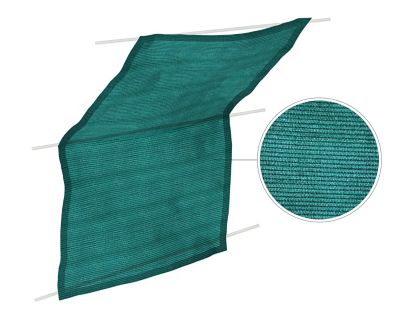
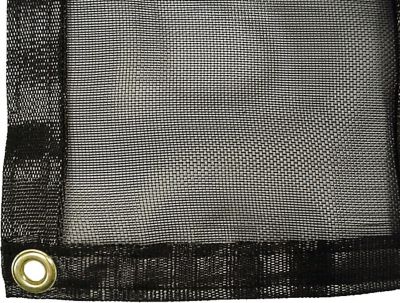
Shade percentage is one of the most important details to compare. Cloth rated around 50% to 70% shade generally creates filtered light while keeping the space open and bright, making it a good fit for patios where you want some sun, a view of the sky, or a lighter feel beneath the cover. Higher shade ratings, often around 80% to 90%, are better suited to sitting areas where stronger heat and glare reduction matter most. Keep in mind that shade ratings describe how much sunlight the fabric blocks, not a promise that the space will feel a specific number of degrees cooler. The final result depends on the fabric color, patio size, local weather, time of day, nearby walls, and how high the cloth is mounted. Darker colors may offer a deeper, more settled look, while lighter colors can keep the space feeling open and may reflect more visible light. Knitted high-density polyethylene, often called HDPE, is a popular material for patio shade because it is lightweight, breathable, and flexible. Many knitted fabrics resist unraveling when trimmed, which can be useful for custom projects, though cut edges should still be finished or secured as recommended. Woven cloth has a tighter, heavier grid and may be preferred for demanding installations or areas needing more substantial coverage. Compare fabric weight, UV treatment, edge reinforcement, grommet quality, and the manufacturer’s care instructions along with the shade percentage. A reinforced border helps distribute pulling force, and evenly spaced grommets give you more choices when lining up the cloth with a frame. Fabric that is built for outdoor exposure can last for years when it is installed properly, but strong sun, ice, wind, tree branches, and repeated rubbing against rough surfaces will shorten its life. The right choice depends on whether you need seasonal coverage, a semi-permanent patio improvement, or a durable shade solution that can stay in place through changing outdoor conditions.
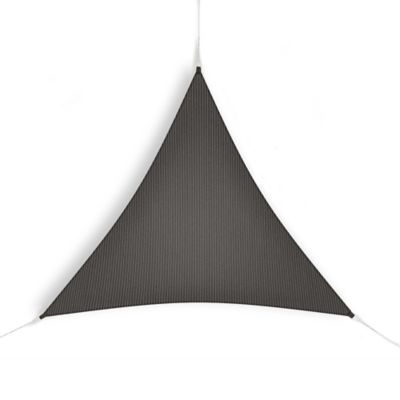
A secure installation makes a big difference in how well shade cloth performs. Use suitable posts, beams, wall anchors, tension cable, heavy-duty rope, or other hardware rated for outdoor use, and attach the fabric only to sound, stable structures. Shade sails and other pre-shaped panels may have reinforced corners and metal rings that simplify anchoring, while rolls and bulk fabric can be cut to fit a pergola, lean-to, or custom frame. Bungee ball ties, clips, and outdoor-rated zip ties can work for lighter-duty fastening or for filling small gaps, but a broad patio covering needs dependable attachment at every corner and along longer edges. Keep the fabric taut without pulling it so tight that the seams or grommets bear excessive strain. A slight angle can help shed rain, leaves, and light debris. Since shade cloth can catch wind like a sail, check the forecast before installing a large panel and inspect the setup after strong gusts. Remove or loosen temporary coverings when severe weather, heavy snow, or freezing rain is expected. Look over the seams, corners, fasteners, and support posts as the seasons change, and replace worn hardware before it fails. Brush off leaves and dirt, then follow the care directions for washing and drying; harsh cleaners, high heat, and rough scrubbing can damage outdoor fabric. Patio shade cloth can also be paired with outdoor curtains, screens, fans, or a simple seating arrangement to make a more comfortable retreat during warmer weather, while taking it down or storing it properly can keep the patio tidy during cooler months. For gardeners deciding between patio coverage and plant protection,
Shade Cloths For Plants can help point you toward fabrics intended for delicate flowers, seedlings, vegetables, and other growing spaces.