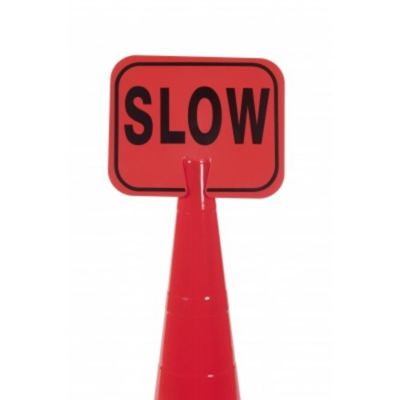
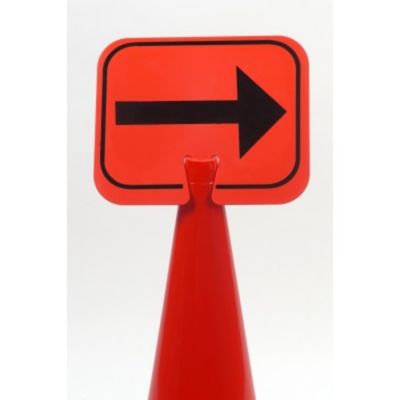
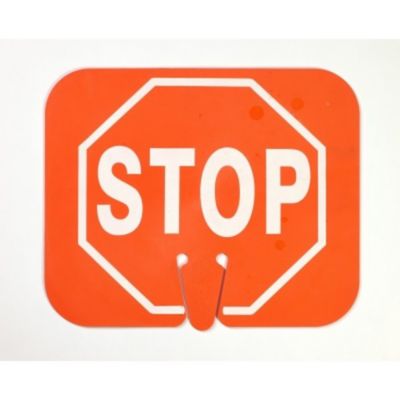
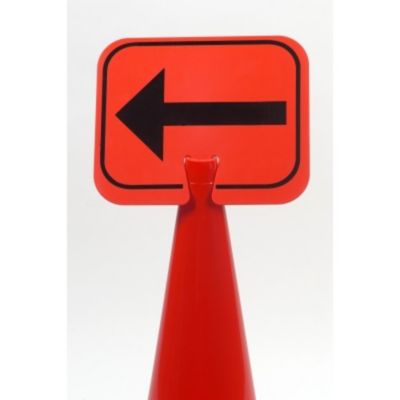
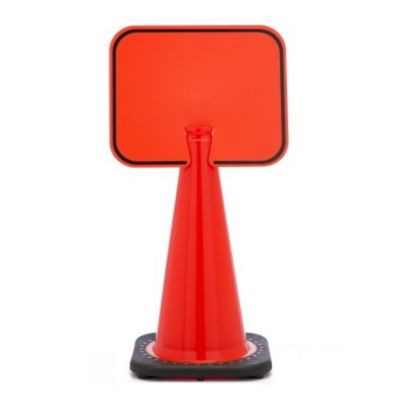
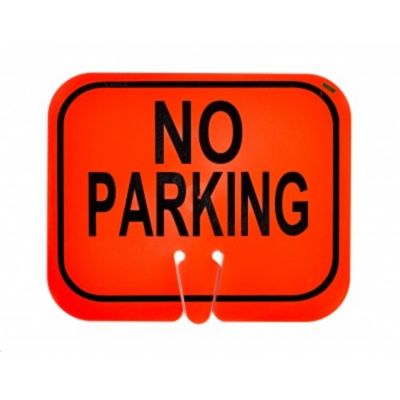
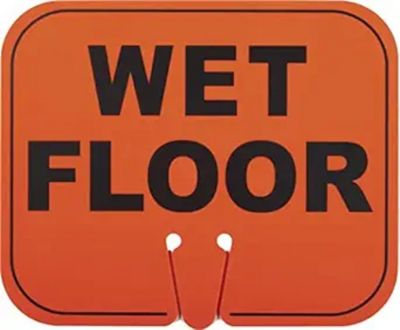
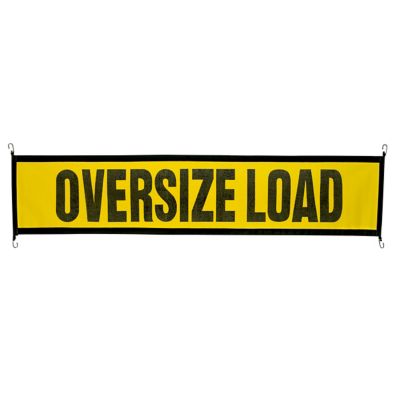
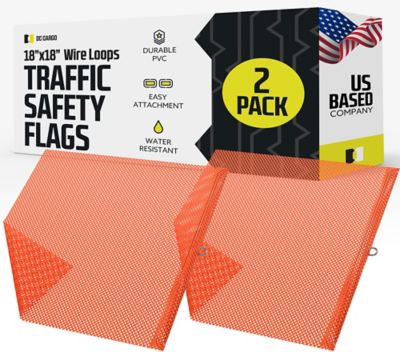
Road safety signs communicate traffic rules, warn of hazards, and help drivers find their way through roads, driveways, parking areas, and work zones. The four main categories are regulatory signs, warning signs, guide signs, and temporary traffic control signs, including those for construction. Regulatory signs state requirements such as speed limits, stopping, yielding, and restrictions on vehicle movement. Many have rectangular white faces with black lettering, while stop signs have a red octagonal shape and yield signs have a downward-pointing triangular shape. Warning signs call attention to conditions ahead, including curves, intersections, pedestrian crossings, and changes in the roadway. These signs are generally yellow diamonds with black symbols or lettering; fluorescent yellow-green appears on certain signs associated with pedestrians, bicycles, and schools. Guide signs provide directions and location information, with green commonly marking destinations and routes, blue identifying motorist services, and brown identifying recreational or cultural destinations. Orange signs with black lettering or symbols typically communicate temporary work-zone warnings and changes in traffic patterns. Those familiar shapes and colors help drivers recognize the kind of message before they can read every word. On a rural property, that quick recognition matters when a delivery truck reaches a narrow entrance, a livestock trailer approaches a busy crossing, or visitors arrive at a driveway they have never traveled before. Signs can also help separate customer parking from equipment access and point foot traffic away from vehicle routes. The right message depends on the actual condition: a direction sign points the way, a warning sign identifies a hazard, and a regulatory sign communicates a traffic requirement. Keeping those purposes distinct makes a property easier to navigate without burying drivers in competing messages. Public-road signs and signs at private entrances can look similar, but their placement, authority, and required specifications may differ.
Materials, dimensions, lettering, and mounting details all affect how a road safety sign fits its intended location. Aluminum is a common sign material because it is relatively lightweight and resists rust, while steel offers rigidity and may have a protective finish to help limit corrosion. Plastic signs can suit certain property-management or temporary applications, depending on their construction and stated purpose. Material alone does not tell the whole story: panel thickness, surface finish, edge construction, and the attachment points all contribute to how a sign holds up in service. A sign mounted beside a farm lane has different demands than one attached to a building at a walking entrance. Mounting-hole spacing needs to match the post, bracket, or other support, and the hardware must suit both the sign material and the installation. Sign size also matters. A message meant for a driver approaching along a roadway needs different viewing considerations than a notice read by someone standing at a gate. Larger lettering, strong contrast, and a short, familiar message can help drivers recognize information without taking attention away from traffic. Reflective sign faces improve visibility when illuminated by vehicle headlights, while fluorescent colors help certain signs stand out in daylight; fluorescence and reflectivity are not the same feature. Reflective sheeting comes in different types, so the listed specifications matter when a roadway application calls for a particular performance level. A brightly colored face alone does not establish that a sign meets a public-road requirement. Symbols can make a message easier to recognize at a glance, but they work best when they follow familiar traffic-sign conventions. Placement matters just as much as the face itself. A sign hidden behind a gate, blocked by a parked trailer, or surrounded by unrelated notices may not give an approaching driver enough time to respond. Visibility, approach speed, viewing distance, and the movement the sign addresses all belong in the selection process.
Around farms, ranches, rural businesses, and shared properties, road safety signs serve everyday traffic needs as well as temporary changes. A clearly marked entrance can keep a delivery driver from turning into an equipment lane, while directional signs can send visitors toward parking rather than a loading area. Where pedestrians cross a vehicle route, signs help call attention to that crossing, though they do not replace a suitable layout, clear sight lines, or other required safeguards. A posted message near a livestock-handling area needs to address the actual traffic concern rather than simply add another sign to the fence. Temporary work areas bring a different set of needs: a driveway repair, utility project, or closed access lane may call for traffic-control signs that explain the change before a driver reaches it. Signs provide the message, while
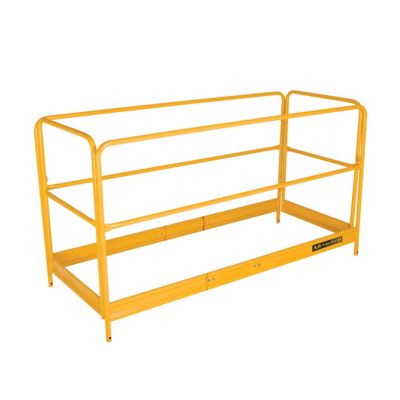
Safety Barricades can help define a restricted area or mark a closure as part of an appropriate traffic-control arrangement. Neither should create confusion about where vehicles or people can safely travel. For public roads and other locations where traffic-control standards apply, the Federal Highway Administration’s Manual on Uniform Traffic Control Devices, commonly called the MUTCD, provides national standards, alongside applicable state and local requirements. The responsible road authority determines the requirements and approvals for a particular location; purchasing a familiar-looking sign does not authorize its installation. Ongoing care helps preserve a sign’s function after it is mounted. Cleaning methods should follow the manufacturer’s directions, since abrasive pads and harsh chemicals can damage lettering, coatings, or reflective surfaces. Faces that are faded, bent, peeling, or difficult to read deserve attention, as do loose fasteners, damaged posts, and brackets that allow the panel to turn away from approaching traffic. Clear messages, suitable materials, compatible mounting parts, and proper upkeep help road safety signs do their job: giving drivers useful information where it matters.