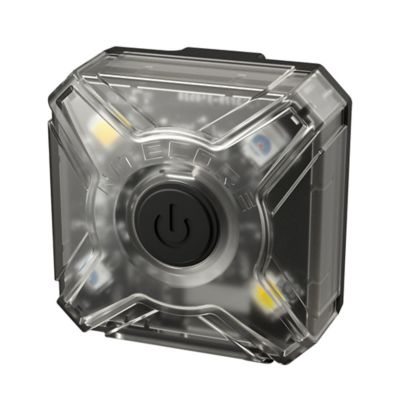
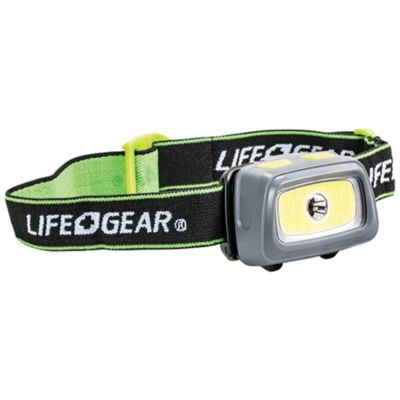
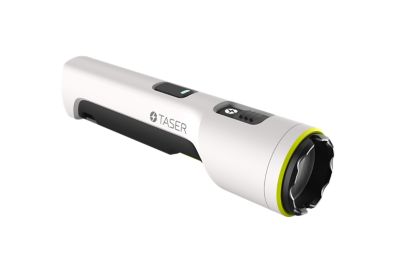
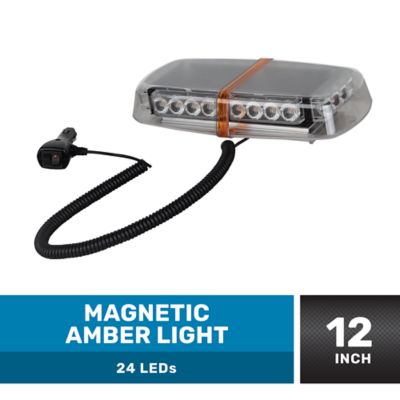
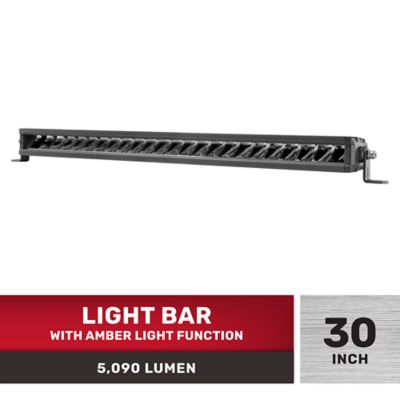
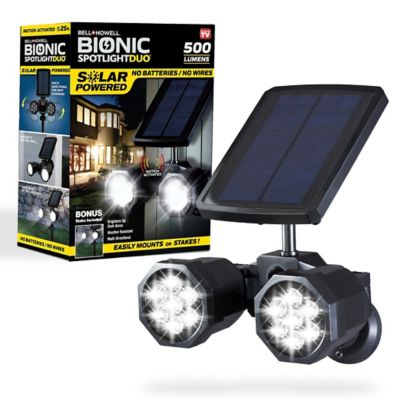
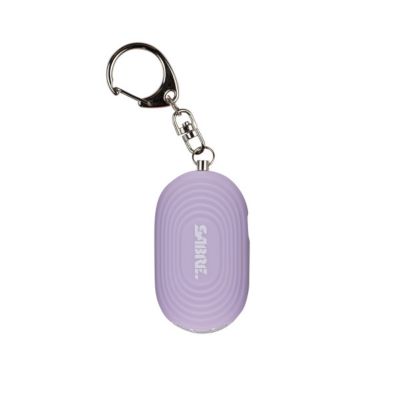
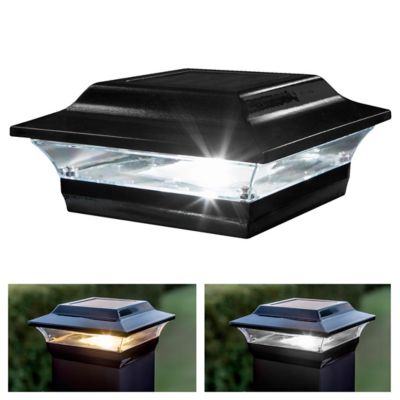
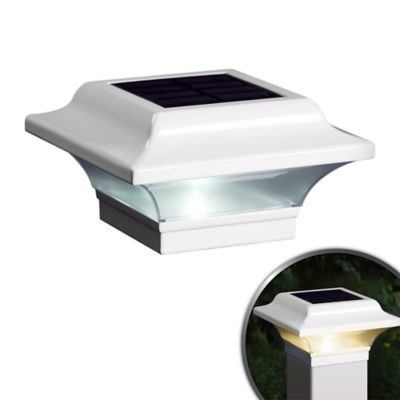
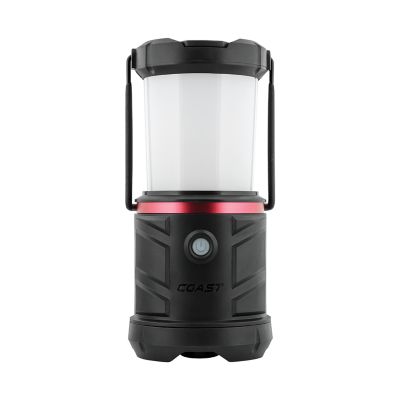
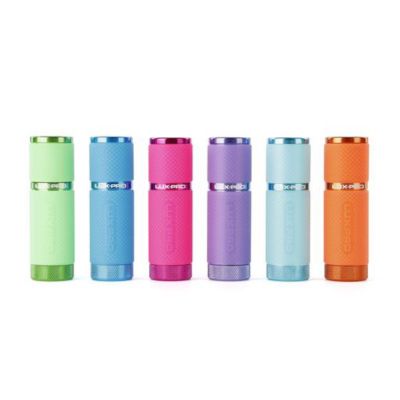
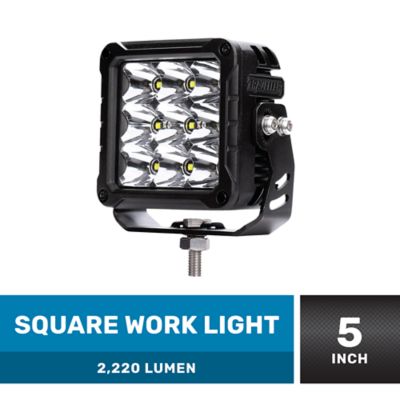
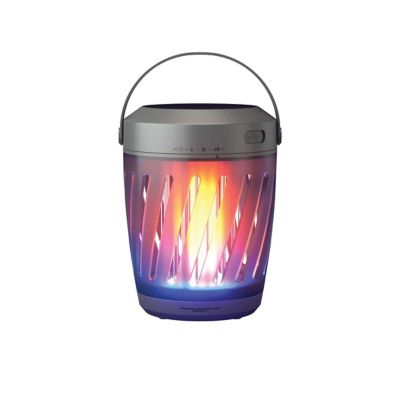
Night walking safety lights serve two different jobs: lighting the ground ahead and helping other people notice the walker. A steady path light makes it easier to spot a broken sidewalk, a loose stone along a gravel lane or the edge of a curb. A visibility light draws attention to the person wearing it, especially where streetlights are few and far between. Those jobs often call for different lighting features, so a bright forward beam alone may not cover every need. Handheld flashlights, headlamps and chest-mounted lights can provide illumination for the next stretch of ground, while lighted bands and small clip-on lights can add visibility at the back or sides. For someone taking an evening walk down a country lane, heading from the house to an outbuilding or walking a dog after supper, the placement of the light matters as much as its brightness. A steady beam aimed toward the walking surface helps reveal uneven footing without shining straight into someone else’s eyes. Flashing modes can draw attention, but they are not a substitute for steady illumination; the breaks between flashes can make changes in the ground harder to judge. Front, rear and side visibility also deserve separate consideration. A light facing forward may be easy to notice head-on but less noticeable when a walker crosses a driveway or turns at an intersection. Red or amber visibility lights can add a distinct signal at the rear, while a white path light serves a different purpose up front. Color alone does not establish how far away a light can be seen, and placement, obstructions and viewing angle all affect the result. Lumens describe light output, but beam shape determines whether that light spreads across nearby ground or concentrates into a narrower spot. A comfortable night-walking setup balances a useful beam with visibility from several directions. Lights add another layer of awareness; they do not replace a clear walking route, attention to traffic or reflective clothing.
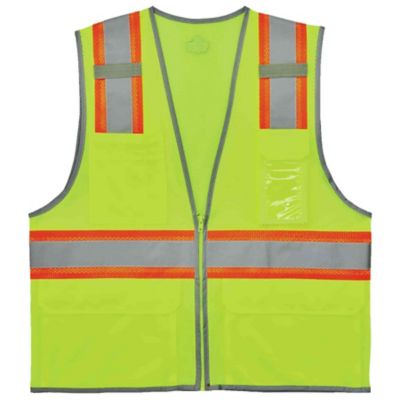
Comfort and attachment style help determine whether night walking lights fit naturally into an everyday routine. A lightweight clip-on light can ride on a jacket, belt or bag, provided the attachment grips securely and the lens stays uncovered. An adjustable lighted band offers another option, but its fit should stay snug without pinching or restricting movement. Headlamp straps need enough adjustment to hold the beam steady without creating pressure across the forehead, and a chest-mounted light should stay pointed toward the path rather than bouncing with every step. A few extra ounces may seem minor at first, yet weight and balance become more noticeable over a longer walk. Someone holding a leash may prefer hands-free illumination, while a person taking a short trip down the driveway may find a handheld light easier to manage. Buttons that are easy to locate by touch make it simpler to change modes without stopping to hunt for a tiny switch. For dog walks, a light attached to a leash or harness can help show where the animal is, but it should not replace the walker’s own path light or interfere with the leash connection. Mounting options for a stroller, cane or walker require particular attention to fit: the attachment should suit the equipment and stay clear of brakes, folding joints and handgrips. Materials matter here, too. Molded plastic housings help keep weight down, while metal housings may add heft; flexible straps, clips and attachment points all need to stand up to repeated handling. Reinforced mounting areas and a firmly seated battery cover are worth considering for lights that travel in a coat pocket or gear bag. Water-resistance and impact-resistance ratings describe different capabilities, so neither should be assumed from a sturdy-looking shell. A splash-resistant light is not necessarily suitable for immersion. Smooth housings are generally easier to wipe clean, and washable straps can help with regular wear when the care directions allow it. Reflective trim adds visibility when headlights strike it, but reflective material needs an outside light source and does not illuminate the walking surface on its own.
Power options, controls and upkeep round out the everyday considerations for walking safety lights. Rechargeable designs can be convenient for frequent walks when there is a regular place to charge them, while replaceable-battery designs allow fresh batteries to be carried along without depending on an outlet. Neither approach removes the need to check the charge before heading out. Runtime varies with the brightness setting, lighting mode and battery condition, and a stated maximum runtime may apply to a lower setting rather than the brightest beam. For longer routes, enough power for the full walk matters more than an impressive brightness figure by itself. Several brightness levels can help match the beam to the route: a lower steady setting may cover a familiar sidewalk, while a broader or brighter beam may be helpful where the surface is uneven. A lockout feature can help prevent a light from switching on inside a bag and draining its battery before the walk begins. Charging ports, battery contacts and lenses benefit from routine attention, since dirt on a lens can interfere with light output and grit around a cover can keep it from closing properly. Cleaning should follow the care directions, and rechargeable lights should be dry before charging. Straps and clips also merit an occasional check for stretched material, cracks or loose fittings. These practical details make lighting a thoughtful gift for a neighbor who walks every evening, a family member who takes the dog out after dark or someone who regularly crosses a long driveway on foot. The best fit depends on that person’s route, comfort preferences and ability to work the controls, not simply the highest light output. For walkers who also pick up the pace,
Gear For Night Running brings the related activity into the picture. Whether the route follows neighborhood sidewalks or a lane beside a pasture fence, a steady view of the ground, visible lighting and a secure, comfortable fit help make after-dark outings easier to manage.