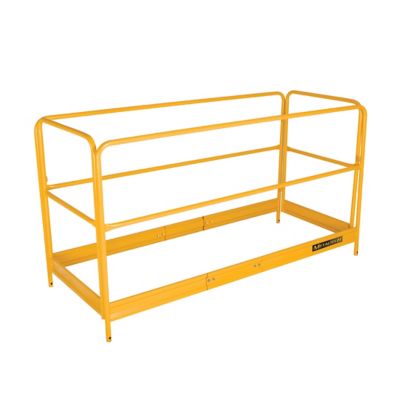
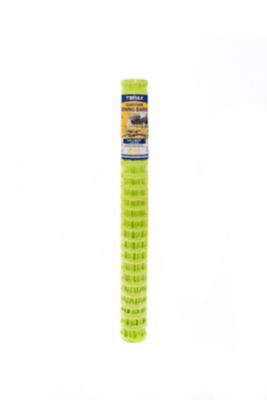
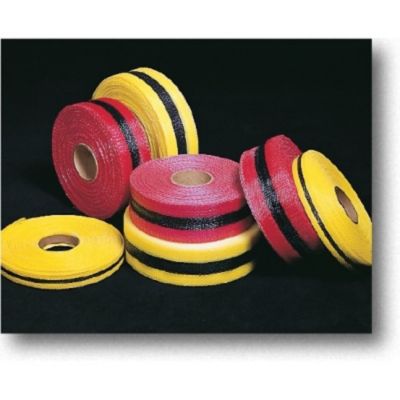
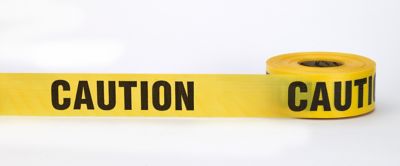
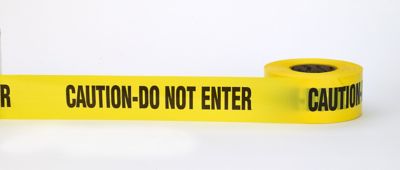
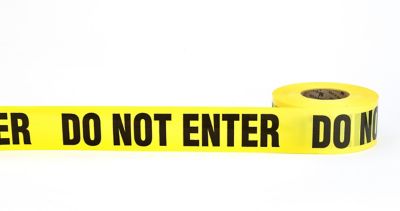
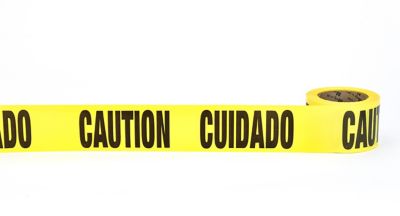
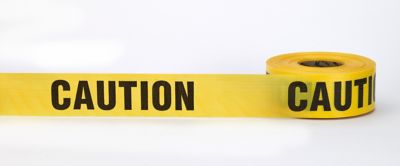
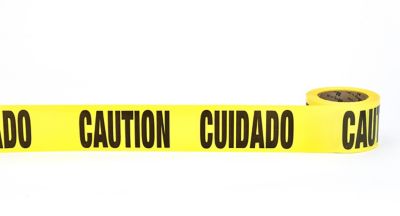
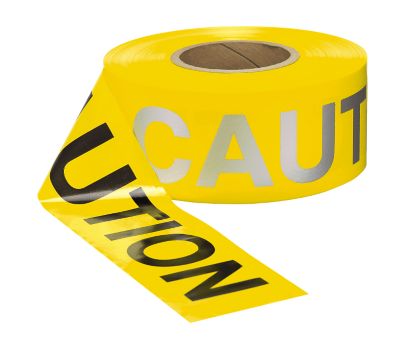
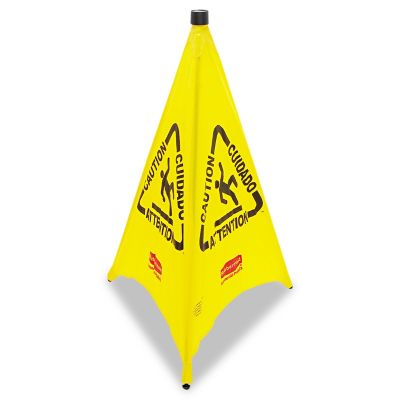
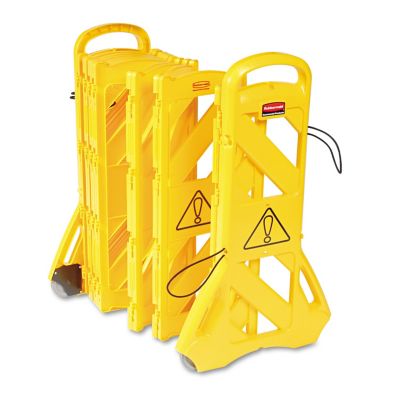
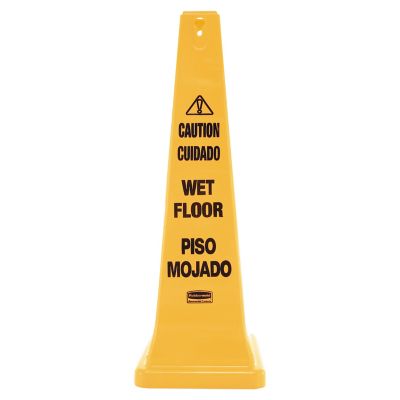
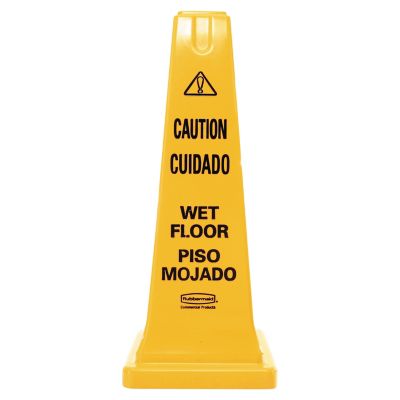
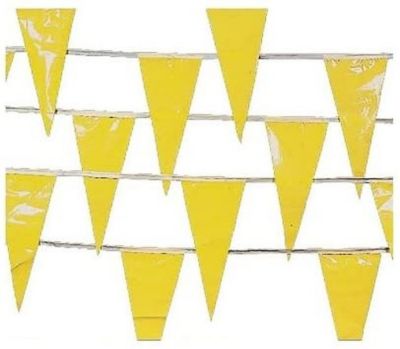
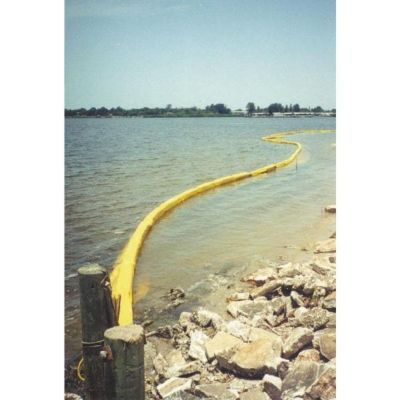
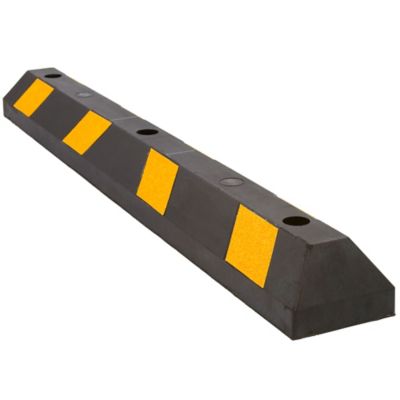
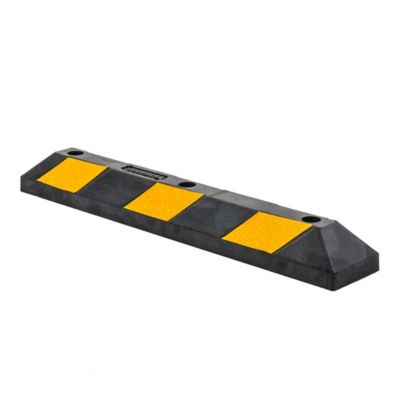
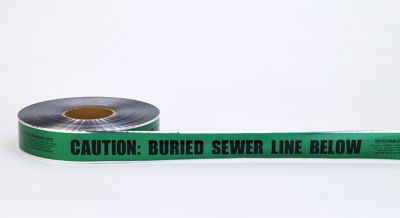
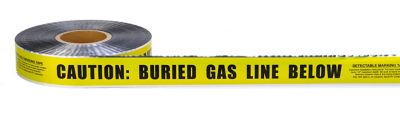
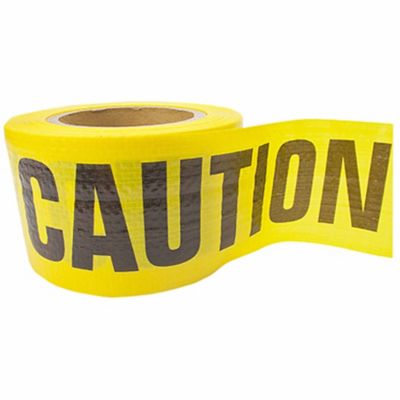
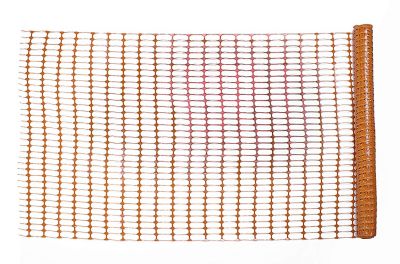
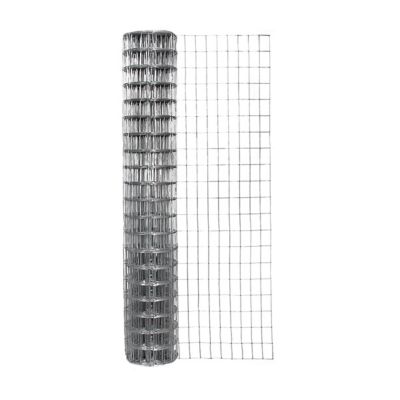
When it comes to keeping folks, animals, and equipment safe around the farm or jobsite, yellow barriers are a tried-and-true choice that just about everyone recognizes at a glance. That bright, unmistakable color stands out against fields, gravel, or even a freshly mown lawn, making it easy to mark off areas that need a little extra caution—whether it’s a patch of wet concrete, a section of pasture that’s being reseeded, or a driveway where the kids are playing ball. Around this time of year, as the days get longer and projects pick up steam, you’ll see yellow barriers popping up everywhere from roadside ditches to county fairs and backyard gatherings. They’re a staple for anyone looking to direct traffic, keep livestock where they belong, or simply make sure visitors know where to steer clear. Folks who run small businesses, host community events, or manage large properties know how handy it is to have a few yellow barriers on hand, ready to roll out whenever there’s a need for clear boundaries.
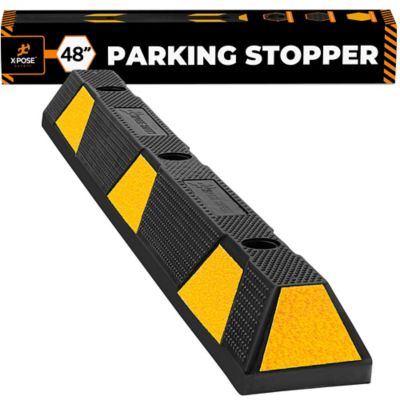
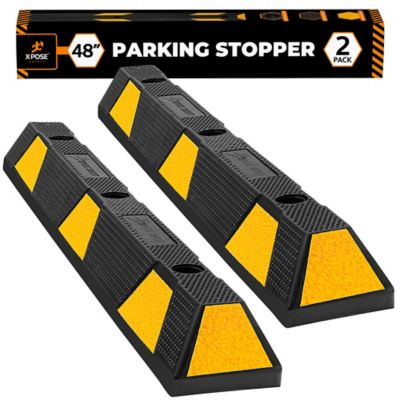
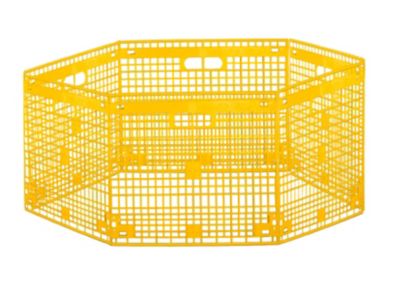
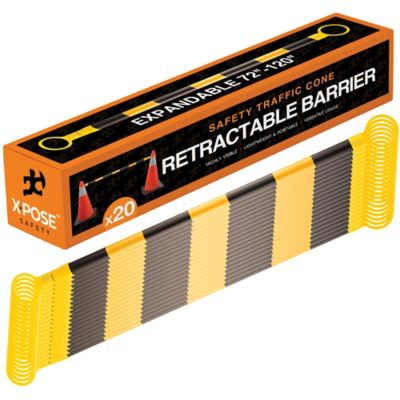
Choosing the right yellow barrier comes down to thinking about what you’re trying to block or guide and how long you’ll need it in place. Some folks need something lightweight and easy to move for temporary setups, like marking off a spot at a farmers’ market or guiding vehicles during a busy weekend event. Others might be after something sturdier that stands up to wind, rain, and the occasional bump from a tractor tire or curious goat. Durability matters, especially if you’ll be moving barriers around the property or using them through changing seasons. If you’re gifting one of these to a neighbor who’s always working on a new project or a family member who hosts big gatherings, it’s a practical pick that’ll get used more than you’d think—think of it as a helping hand that keeps things running smooth and safe. And for folks with livestock, pets, or little ones, a yellow barrier is worth its weight in peace of mind, making sure everyone stays where they’re supposed to be without a lot of fuss.
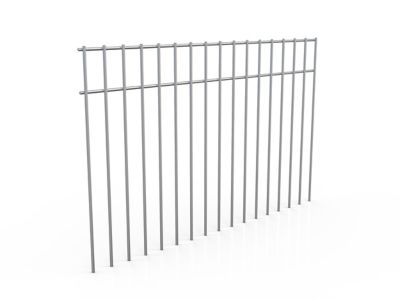
No matter what you need to keep separated—whether it’s people, pets, vehicles, or equipment—yellow barriers are a smart, visible solution that fits right in with rural life. They’re easy to spot, quick to set up, and just as simple to take down when the job’s done. If you’re looking for more options or need something a little more permanent, take a look at our collection of
Barrier Fences for even more ways to protect your property, livestock, and loved ones. With the right barrier in place, you can get back to the work and fun that comes with the season, knowing you’ve done what you can to keep everyone safe and sound.