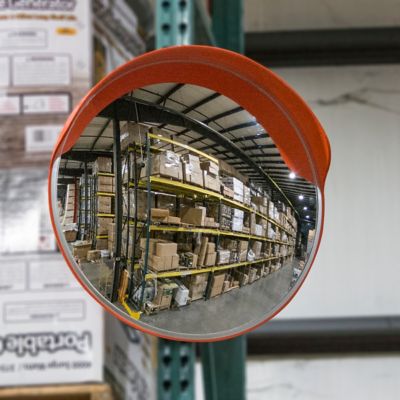
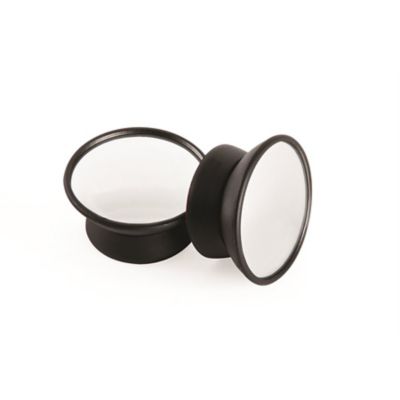
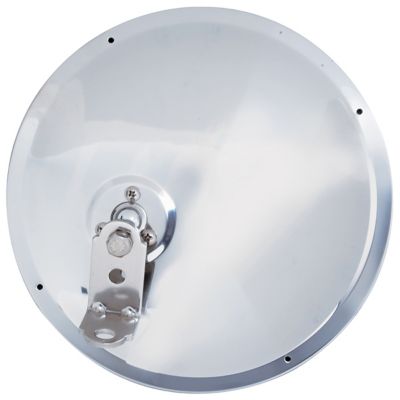
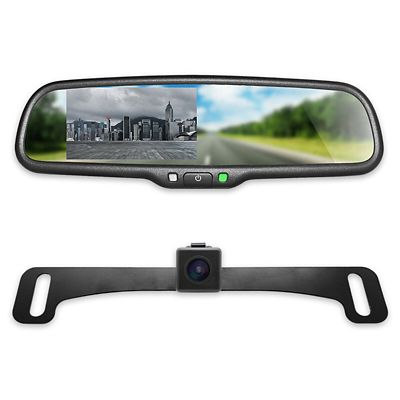
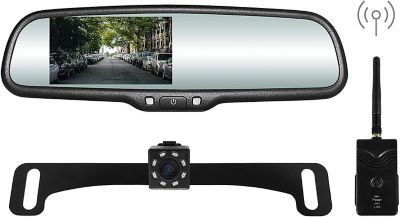
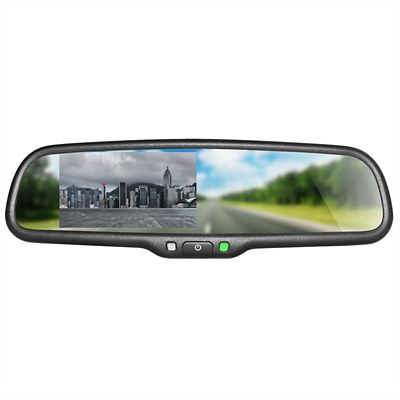
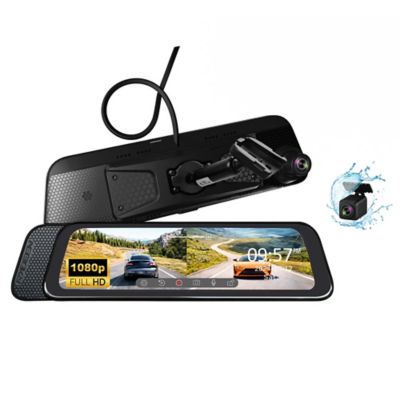
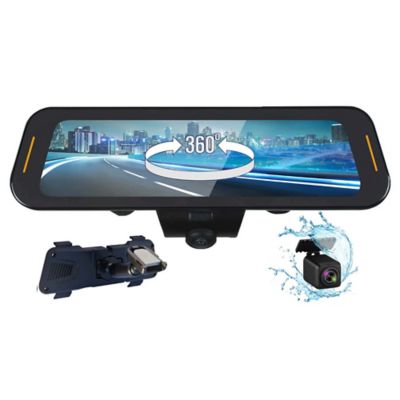
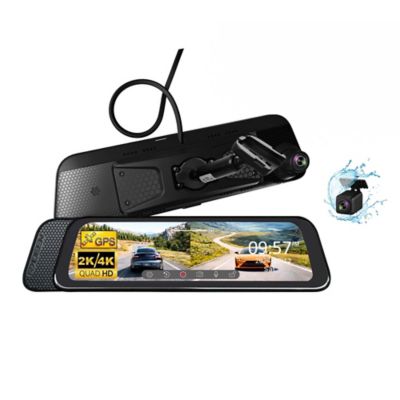
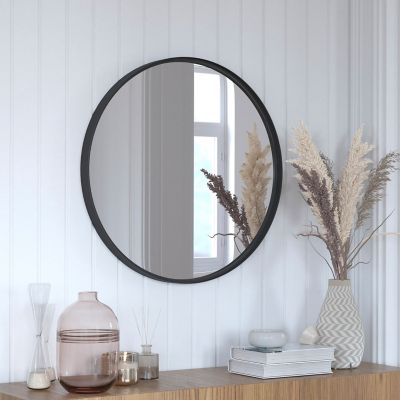
Safety mirrors help bring blind spots into view around the places where people, vehicles, livestock, and equipment cross paths. A wide-angle mirror can give drivers a broader look at a driveway, lane, loading area, or shop entrance, while a dome mirror can help people spot movement around a hallway corner, warehouse intersection, or store aisle. Flat mirrors provide a familiar, straight-on reflection and can be a good fit where clear depth perception matters more than a wide field of view. Convex mirrors curve outward to show more of the surrounding area, often covering a viewing range of up to about 160 degrees depending on the size and shape. That wider view can help someone check both directions before pulling out from behind a building, backing a tractor from a shed, or turning a cart into a busy aisle. Some mirrors are made for indoor spaces, while others have backing and finishes suited to outdoor exposure, changing temperatures, dust, and moisture. A mirror near a garage, barn, feed room, or equipment bay can make a familiar daily task feel less cramped by giving a quick look around a corner before stepping or driving into the next space. In a busy workplace, the right mirror may help workers see foot traffic sooner and make high-traffic areas easier to monitor. These products can also make a practical gift for a new homeowner, farm operator, shop manager, or anyone improving the visibility around a driveway or work area.
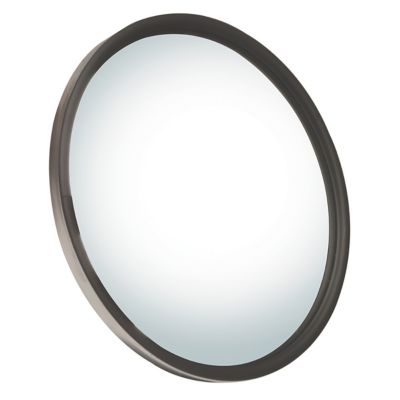
Choosing the right safety mirror starts with the location and the view needed. Measure the space where the mirror will hang, then consider how far away the viewer will stand and how much area needs to appear in the reflection. A small mirror may fit neatly beside a door or in a narrow aisle, but a larger mirror can be easier to see from a vehicle or across a broad equipment area. Convex models are often a good choice for blind corners, driveway exits, aisle intersections, and places where a wide sweep of the surroundings matters. Dome styles can work well in hallways, retail settings, barns, offices, and other areas where people approach from more than one direction. Quarter-dome and half-dome designs can cover a corner, while full ceiling domes can provide a view around a central point. Flat mirrors may be better near a workbench, inspection station, or narrow passage where the reflection needs to look more natural and depth should be easier to judge. Also consider the mirror material. Acrylic and polycarbonate options can offer a lighter choice for many work areas and may be less likely to break into sharp pieces if struck. Glass can provide a crisp reflection for indoor settings where the mirror is protected from impacts. Look for a backing suited to the setting, especially when the mirror will face rain, sun, wind, cold, or the fine dust found around a farm or gravel lot. Some outdoor-ready designs include protection around the edges and hardware intended to hold the mirror steady through changing weather.
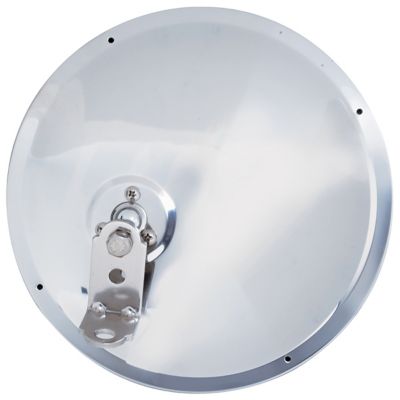
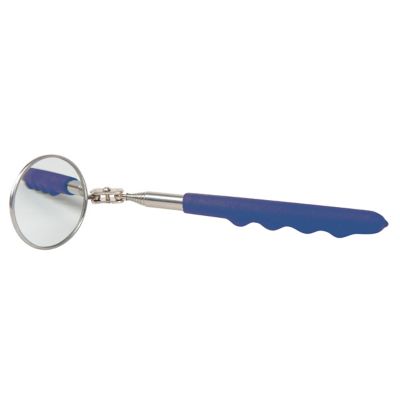
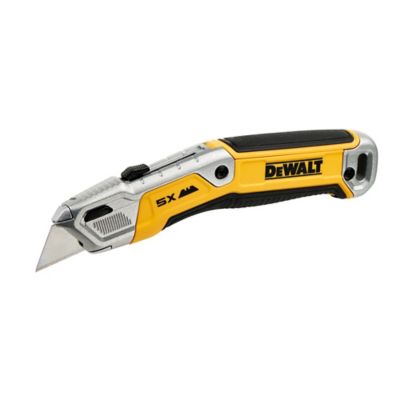
Mounting details matter just as much as the mirror shape. Adjustable ball-swivel brackets can help aim the reflection after the mirror is in place, which is handy when the viewing angle changes between a seated driver and someone walking through the area. J-brackets, wall mounts, pole kits, and other mounting hardware may fit different surfaces, so check the installation requirements before selecting a location. A mirror should be positioned where it can be seen without forcing a driver or worker to take attention away from the path ahead. Keep it clear of hanging tools, stacked feed bags, signs, and branches that could block the view. In a driveway or equipment yard, place it where it shows the approach without creating glare from low sunlight. Inside a shop or warehouse, mount it high enough to protect it from carts and machinery while keeping the reflection easy to read. Handheld and telescoping inspection mirrors serve another purpose, helping someone look beneath a vehicle, around a tight machine compartment, or behind equipment without reaching into a cramped space. Pairing visibility tools with other workplace safety supplies, such as
Safety Knives, can help keep routine tasks organized and give workers the right tool for each job. Whether the goal is a clearer look at a blind corner, better awareness near a livestock gate, or added visibility around a home driveway, safety mirrors offer a simple way to see more of the space before moving ahead.