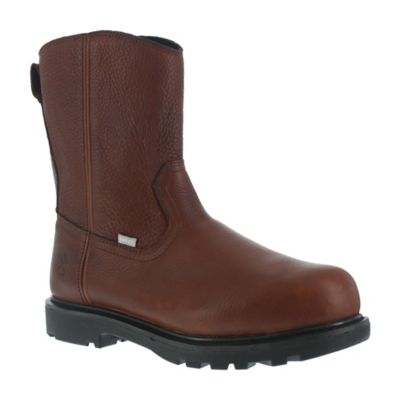
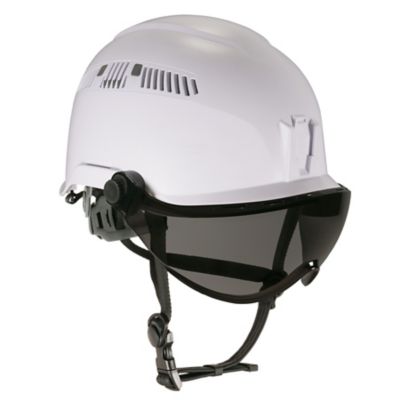
Construction site safety starts with having the right protective gear close at hand and using it every time work begins. Whether the job involves framing a new home, repairing a barn, pouring a driveway, setting fence posts or maintaining equipment around a farm, a busy work area can change quickly. Falling materials, moving machinery, sharp edges, dust, loud tools and uneven ground all call for thoughtful preparation. Basic personal protective equipment commonly includes head protection, eye protection, high-visibility clothing, hand protection, hearing protection and sturdy work footwear with suitable toe and sole protection. When work takes place above ground level, on ladders, near open edges or around roof areas, a properly selected fall-protection setup may also be needed. Browse
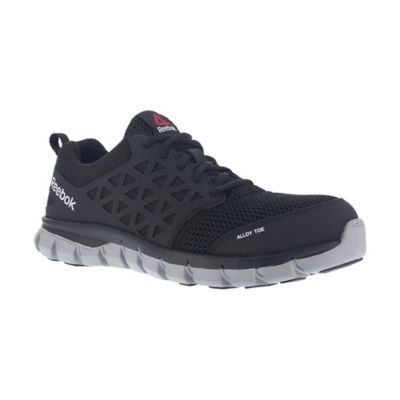
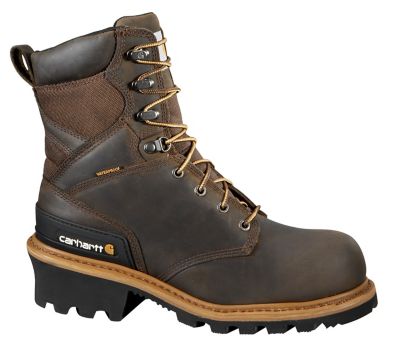
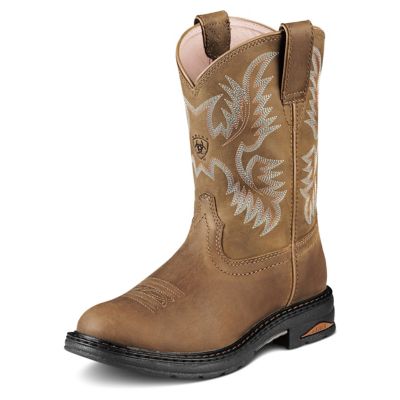
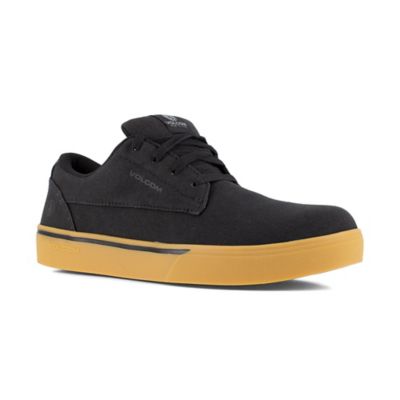
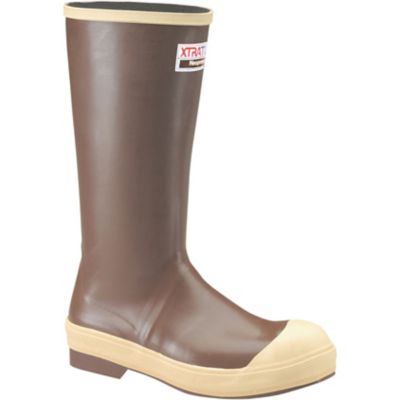
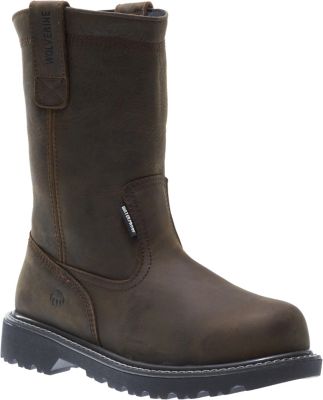
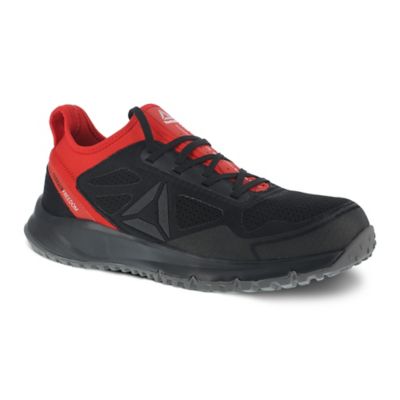
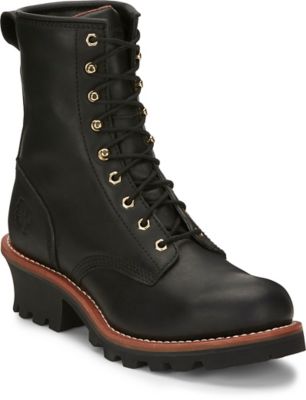
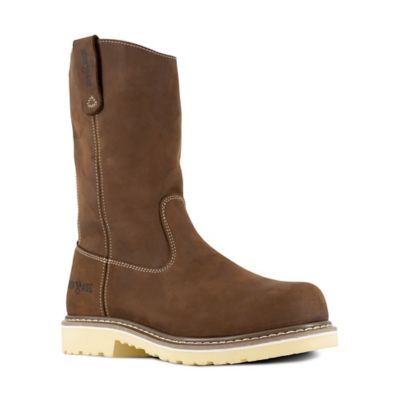
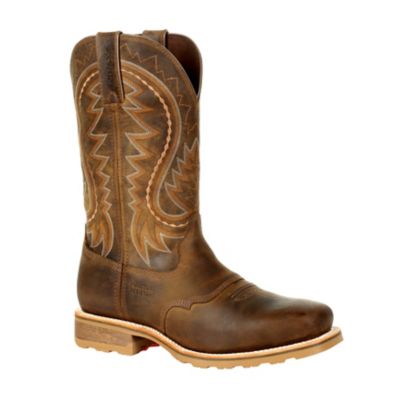
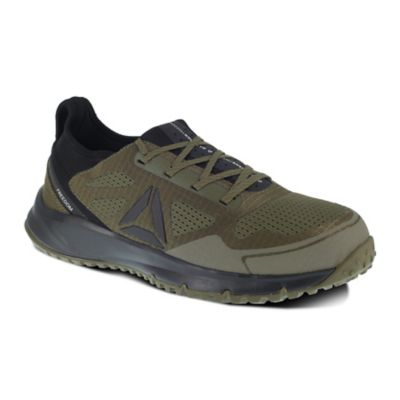
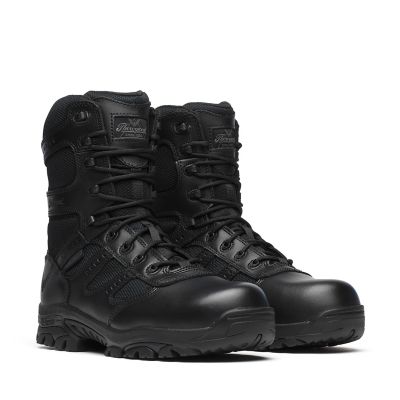
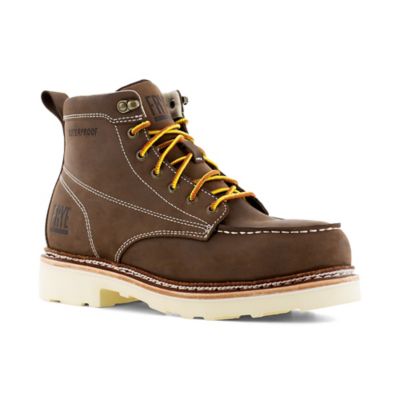
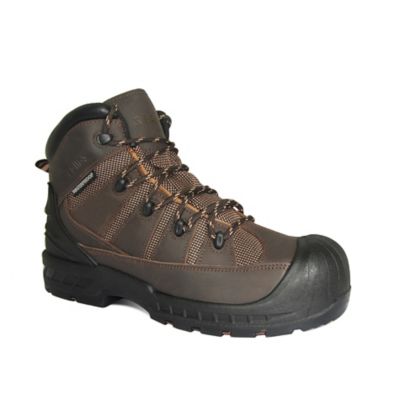
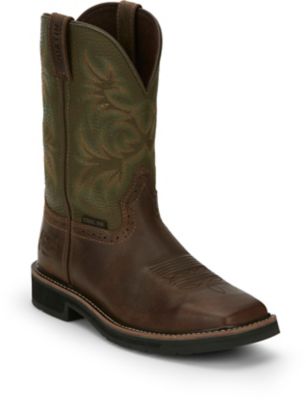
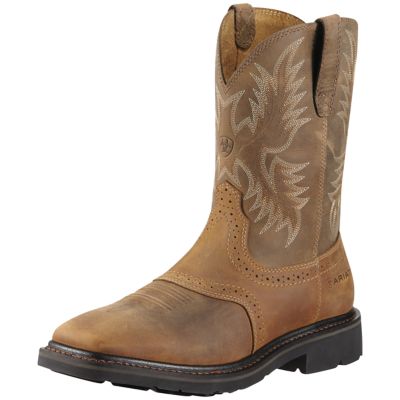
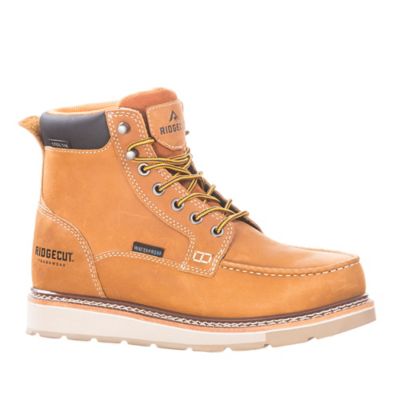
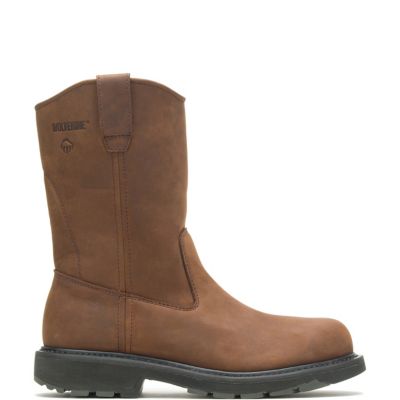
Construction Safety Gear to help outfit a crew, refresh an established job box or gather dependable essentials for a home project. The best choices depend on the work being done, the surrounding conditions and the person wearing them. A vest should be easy to see over the clothing used on the job, while gloves should provide a useful balance of protection, grip and dexterity. Eye protection should fit securely without blocking a clear view, and hearing protection should be comfortable enough to wear around sustained equipment noise. Footwear should match the surface and task, offering steady footing when the ground is muddy, dusty, gravelly or slick. Fit matters just as much as the label: loose gear can snag, shift or become a distraction, while equipment that pinches or fogs may be left in the truck when it is needed most.
These supplies can serve professional contractors, builders, roofers, electricians, landscapers, utility crews, maintenance workers and farm families who handle their own repairs. They also make practical gifts for a new apprentice, a student entering the trades, a handy neighbor, a family member setting up a workshop or anyone taking on a major renovation. A useful safety setup often includes more than one size or style when several people share a work area, since protective gear should fit the individual rather than be passed around without consideration. Keep commonly used items where the crew can reach them before stepping onto the site, and store clean, dry gear away from direct sunlight, chemicals and sharp tools. Before each shift, inspect equipment for cracked shells, worn straps, torn fabric, damaged lenses, split seams, flattened cushioning or other signs that it may no longer perform as intended. Replace anything that has taken a hard impact or shows meaningful wear, following the care and replacement guidance provided with that item. Safety also depends on simple habits around the gear. Keep walkways, stairs and work platforms clear of scrap, cords and spilled materials to reduce slips and trips. Check tools and extension cords before use, keep guards in place and make sure the work area has enough lighting for the task. Stay alert around loaders, lifts, trucks and other moving equipment, and make eye contact with operators before entering their path. During the warmer part of the season, breathable layers and plenty of water can help workers stay focused; as cooler weather settles in, add warm layers without covering up high-visibility markings or creating loose fabric near machinery.
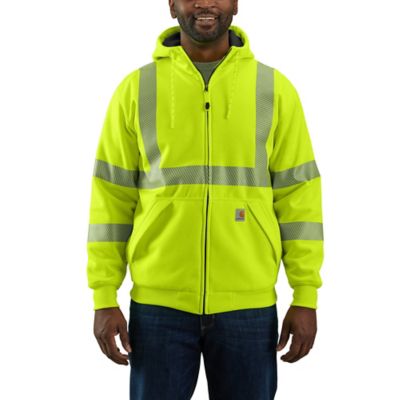
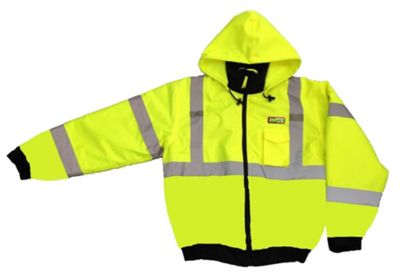
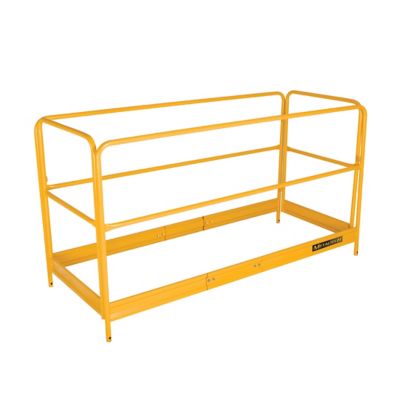
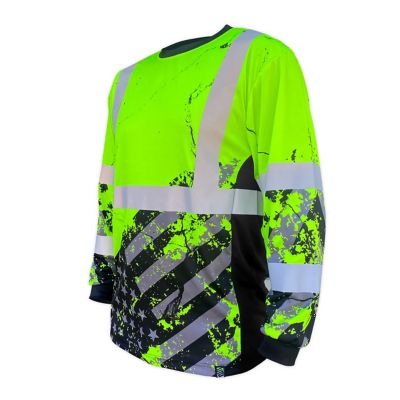
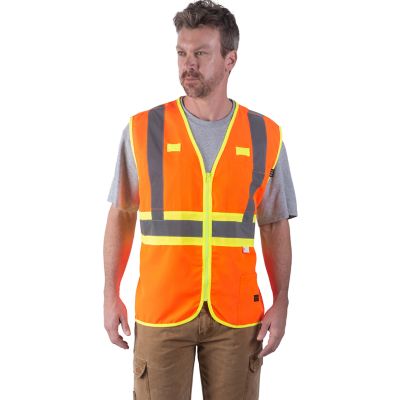
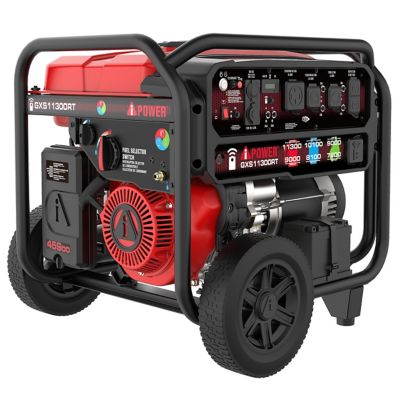
Protective equipment works best as part of a larger site-safety routine rather than as a substitute for planning, training or sound judgment. Employers and project leaders should identify hazards before work starts, explain site rules clearly and make sure workers know where to report unsafe conditions. Requirements can vary by job, location and type of work, so review applicable OSHA standards and local rules when planning a construction project, particularly for fall protection, excavation, electrical work, respiratory hazards and work around heavy equipment. Hard hats should be worn where overhead hazards may exist, and eye protection is important wherever flying particles, dust, splashes or sparks are possible. High-visibility clothing helps equipment operators and coworkers spot people in busy areas, especially in low light, around roadways or when the background is dusty and crowded. Gloves can help protect hands from cuts, abrasion, heat and rough materials, but they should be chosen carefully around rotating equipment where loose material could catch. Hearing protection is worth considering around saws, compressors, generators and other loud tools, especially during long shifts. Fall hazards deserve extra attention: guardrails, stable work platforms, proper ladder practices and an appropriate personal fall-arrest system all require correct selection, setup and training. These products are useful on large commercial sites, but they also have a place in smaller jobs where a single dropped board, loose nail or poorly marked vehicle path can cause trouble. Keep a stocked safety area near the entrance or tool storage, replace used supplies before they run out and review the setup as the site changes from early groundwork to finishing work. A steady, no-shortcuts approach helps crews return home safely through changing weather, longer shadows and the demanding pace of construction.