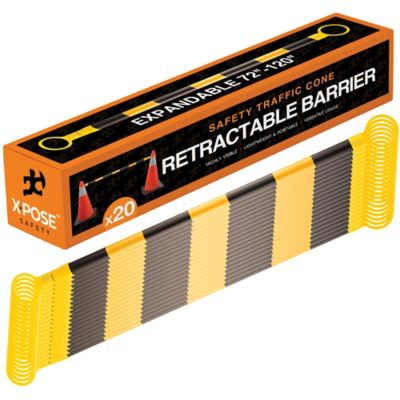
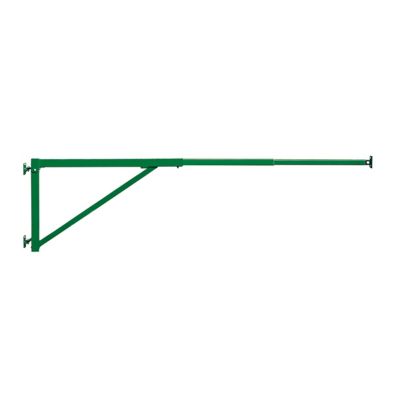
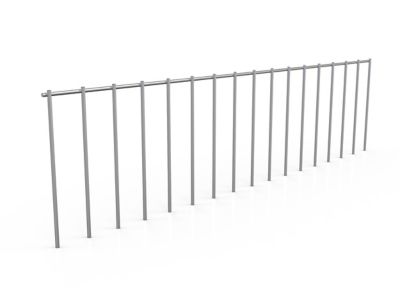
Safety barricades are physical barriers that help direct foot traffic, channel vehicles and mark areas where people should not enter. Around a farm, shop, warehouse or worksite, they make a boundary easier to spot than a small sign alone. A barricade across an equipment bay can keep visitors away from a repair job, while a line of barriers along a farm lane can separate a delivery route from an active work area. Farmers, ranchers, contractors, maintenance crews and event organizers may all need temporary boundaries, but the right design depends on what needs separating and how people approach it. Traffic barricades, pedestrian barriers and expandable gates serve different jobs, even when they share bright colors or reflective surfaces. Type I traffic barricades generally have one horizontal reflective board, Type II barricades have two, and Type III barricades have three. Type I and Type II designs commonly mark temporary hazards or channel traffic, while Type III barricades often mark road closures and larger restricted areas. Folding frames suit locations where a barrier needs to move between jobs, and expandable gates can span shop aisles or doorways without taking up the same storage space as a fixed-width frame. Interlocking plastic barriers can form longer runs, with some designs accepting fill material for added weight. Caution tape and warning signs communicate a hazard, but they do not create the same physical boundary as a freestanding barricade. Even a substantial-looking barricade is not necessarily a vehicle restraint, fall-protection system or livestock fence. Its purpose may be visibility and access control rather than stopping an impact. That distinction matters beside moving equipment, open excavations and loading areas. On public roads, barricade design and placement must meet applicable transportation agency requirements and fit the traffic-control plan. For private-property projects, the same basic considerations still matter: who needs a warning, which route should stay open and whether the barrier is intended for pedestrians, vehicles or both.
Materials, frame design and base style shape how safety barricades fit the job. Steel frames offer a firm structure, while galvanized finishes and protective coatings help limit corrosion. Molded plastic can reduce carrying weight and eliminate rust on the plastic body, though hinges, fasteners and other hardware still need attention. Fillable barriers gain weight from the material specified by their manufacturer; water and sand are not interchangeable for every design. Filled weight also affects transport, lifting and removal, so a barrier that travels easily when empty may need equipment to move after filling. Weight alone does not establish crash protection. Only systems specifically tested and rated for vehicle containment should be treated as crash barriers, and their installation requirements matter just as much as their construction. For everyday access control, footprint is another practical consideration. A wide base can help support a barrier, but feet that extend into a walkway may become trip hazards. Uneven gravel, sloped pavement and smooth shop floors each present different placement challenges. The clear opening, overall height and space between sections should suit the intended task without squeezing people into equipment paths. In a warehouse aisle, an expandable barrier needs enough room to open fully without blocking nearby doors. Along a driveway, reflective boards need a clear line of sight from the approach, not a position hidden behind a parked trailer. Reflective surfaces return light toward its source, helping a barricade stand out under headlights, but they do not replace required lighting or warning devices. Connection points matter when several sections form a continuous boundary, especially where gaps could invite someone to slip through. For a longer temporary perimeter around a work area,
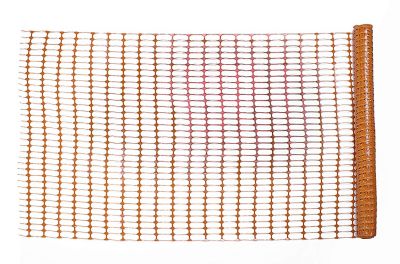
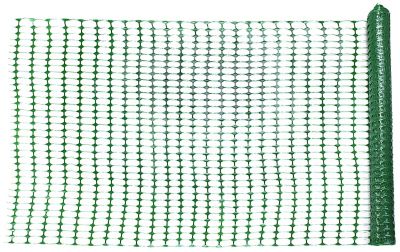
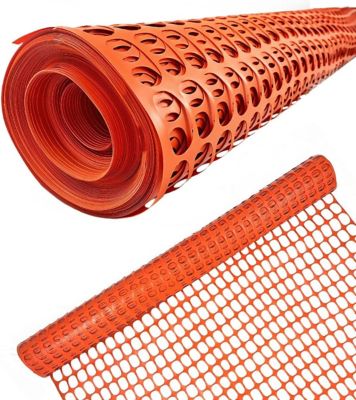
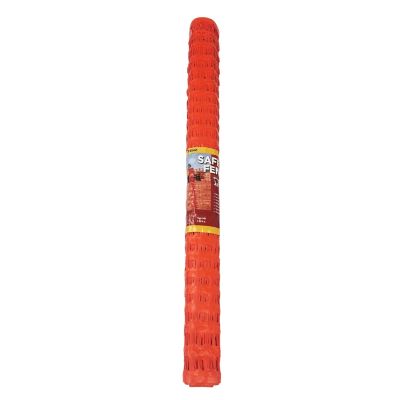
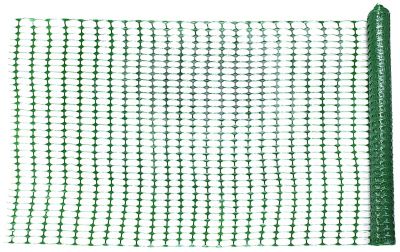
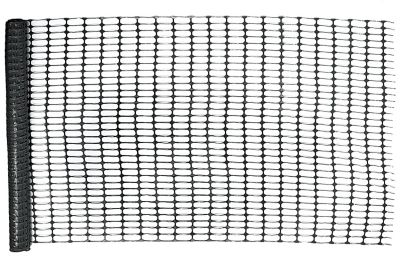
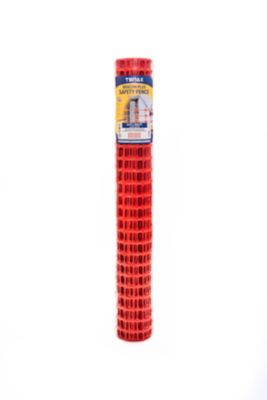
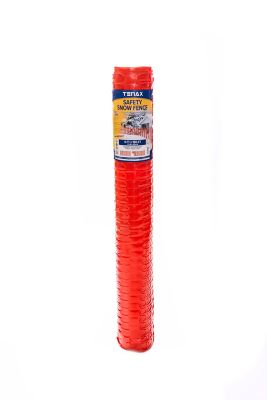
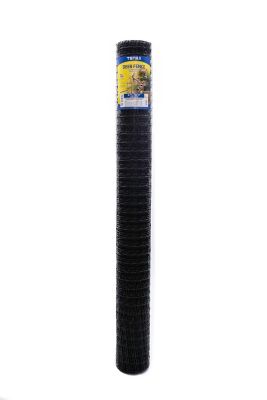
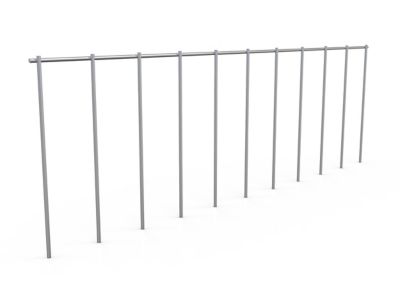
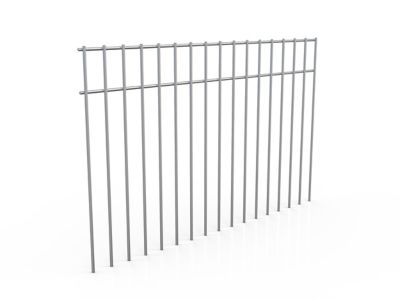
Safety Fence Panels are another option to consider alongside barricades. A connected perimeter and a clearly marked entrance can make more sense than several separate barriers scattered around the same job.
Care and handling play a big part in how well a barricade holds up through repeated setup, transport and storage. Mud, grease and dust can cover reflective boards and warning surfaces, making a bright barrier harder to notice. Cleaning methods should match the frame material and reflective sheeting, since harsh solvents or abrasive scrubbing can damage finishes. Loose fasteners, cracked plastic, bent legs and worn hinges deserve attention before a barrier goes back into service. Folding frames and expanding gates also have pinch points, so handles, locking features and controlled movement matter when opening or closing them. For wheeled barriers, caster condition and brake function affect whether the frame stays where it belongs. Fillable designs need intact caps and sound bodies to retain their specified ballast. Storage works best when sections rest in their intended position rather than leaning where they can fall, twist or block a passage. A designated spot in the equipment shed makes it easier to keep matching sections, connectors and approved accessories together between jobs. In a busy yard, the practical value of a barricade comes from a boundary that people can recognize and understand. A repair area beside a tractor bay needs a different layout from a pedestrian queue at a community event, and neither should force people into a vehicle lane. Emergency access, required exit routes and accessible paths need to remain clear. Where workers must enter a restricted area, a defined opening helps prevent repeated climbing over or moving aside the barrier. Signs can explain the restriction, while the barricade gives that message a visible physical boundary. A barricade does not replace guarding, equipment shutdown procedures or other required safeguards. Matching its intended function, dimensions, support and visibility to the setting helps keep access orderly, whether the job lasts an afternoon or involves repeated work in the same part of the property.