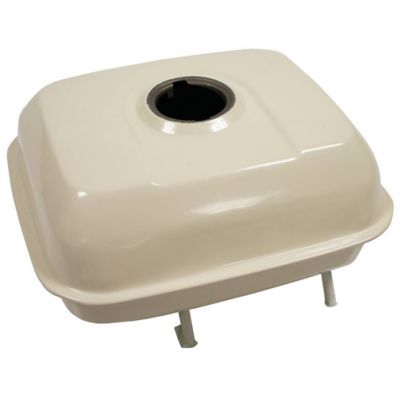
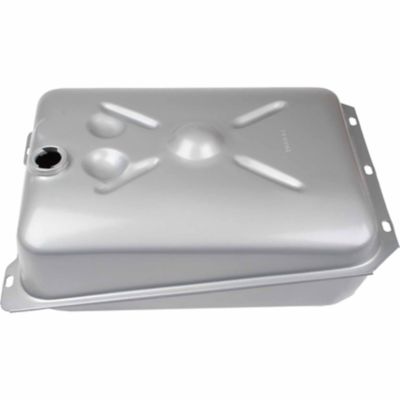
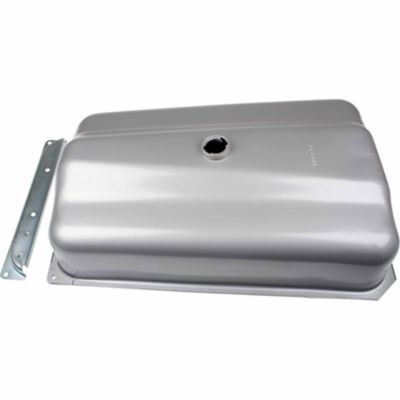
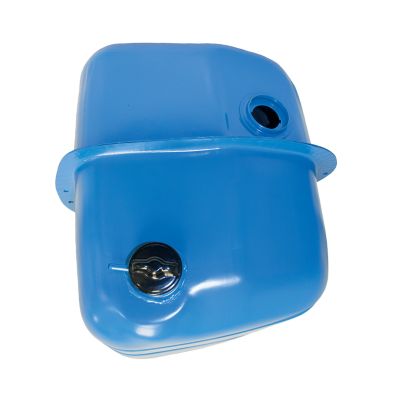
Replacement fuel tanks help keep trucks, cars, tractors, generators, utility equipment, and other fuel-powered machines ready for work when the original tank is damaged, corroded, leaking, or no longer a good match for the vehicle. On a rural property, a fuel tank may spend its days through dust, gravel, mud, road salt, rain, and wide temperature swings, so a problem can show up at an inconvenient time—such as before feeding livestock, clearing snow, hauling firewood, or heading into town. When shopping, start with the year, make, model, engine size, body style, and fuel type of the vehicle or machine. Tank shape and mounting points can vary even between vehicles from the same model line, and a tank intended for one engine or chassis may not connect properly to another. Check the listed capacity, inlet and outlet locations, vent setup, filler neck connection, fuel pump opening, sending unit opening, and emissions connections when those features apply. Some replacement fuel tanks arrive as the tank shell only, while others may include or accommodate related parts such as a fuel pump module, sending unit, straps, shields, vapor lines, or gaskets. Comparing those details before ordering can help prevent a second trip for a missing fitting or mounting part. Material also matters. Steel tanks are common for many automotive and equipment applications, while other tank materials may be selected for weight, corrosion resistance, or a particular fuel system. Look for a listing that matches the original configuration unless a higher-capacity tank is specifically needed and approved for the vehicle or equipment. A larger tank can extend the distance between fill-ups, but it may add weight and require room beneath the frame, bed, cab, or equipment housing. For marine applications, browse
Boat Fuel Tanks to find options intended for watercraft fuel systems rather than assuming an automotive tank will be appropriate.
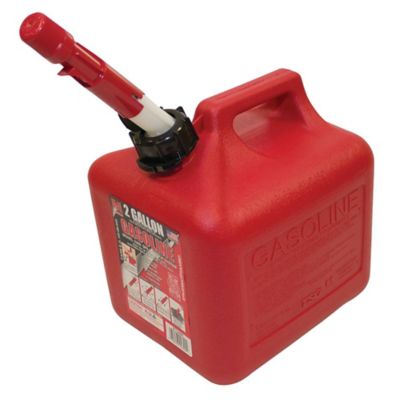
Price can vary widely because the tank itself is only one part of the project. Standard replacement tanks may fall in the $100 to $300 range for the part, while high-capacity or specialized options can cost more than $1,000. A complete vehicle tank replacement, including labor, may run from about $1,000 to $3,500 depending on the vehicle, tank location, access, fuel system design, and shop rates. Passenger cars and sedans may have different labor needs than trucks and SUVs, especially when the tank sits beneath the rear seat, cargo floor, bed, or frame. Before installation, compare the product details with the vehicle identification information and inspect the surrounding hardware. Rusty straps, cracked hoses, hardened seals, clogged vents, and worn electrical connections can create trouble even after a new tank is in place. Any fuel remaining in the original tank should be handled in an approved container, away from sparks, flames, heaters, cigarettes, and running engines. Fuel vapors can collect in low areas, so ventilation and proper storage matter. A qualified mechanic or equipment technician is often the best choice when the tank is difficult to access, the fuel system is pressurized, or the project involves lifting a heavy tank beneath a vehicle. If installing a tank on farm equipment or a generator, shut down the machine, remove the key, allow hot parts to cool, and follow the manufacturer’s service instructions. Take time to inspect for seepage and confirm that the filler neck, vent lines, pump connections, and mounting hardware are secure before returning the machine to regular work. Replacement fuel tanks are a practical purchase for farm owners, contractors, fleet managers, outdoor workers, and anyone keeping an older work vehicle on the road; they can also make a thoughtful gift for a family member restoring a truck, maintaining a tractor, or preparing equipment for the cooler months. With the right fit, capacity, fuel compatibility, and installation plan, a replacement tank can help keep daily chores, long drives, and seasonal work moving along with fewer interruptions.