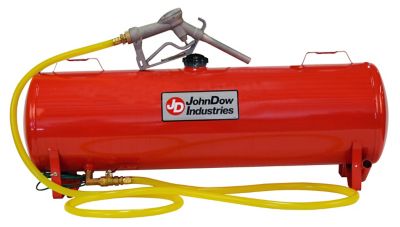
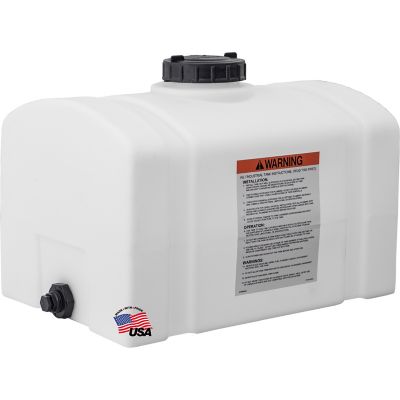
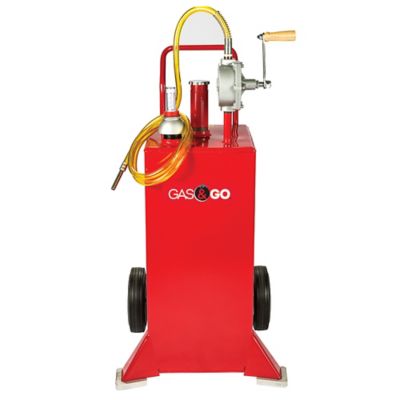
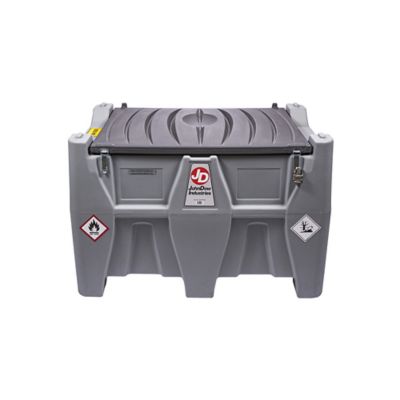
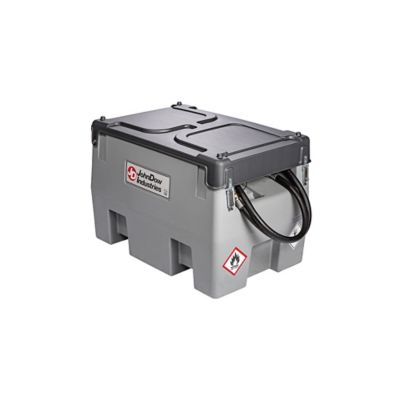
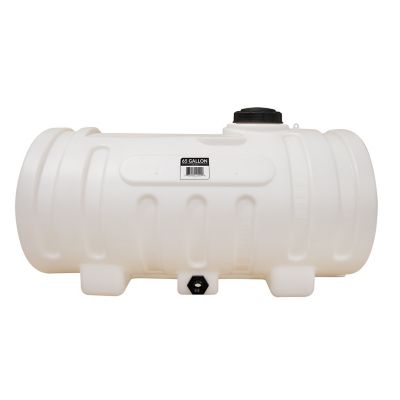
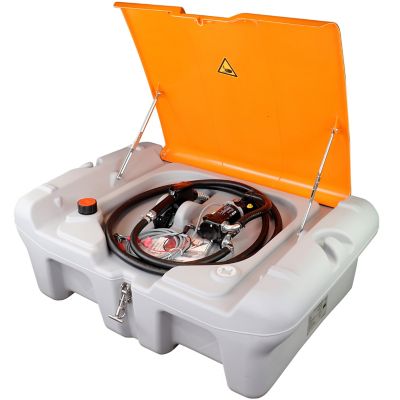
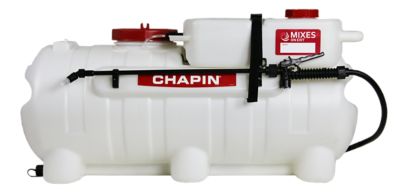
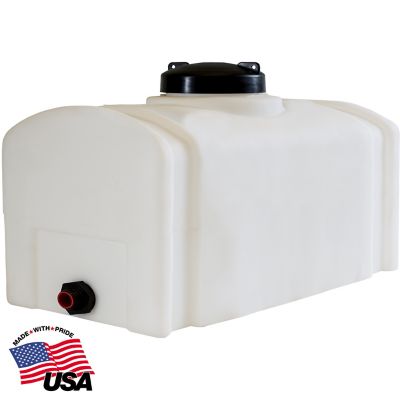
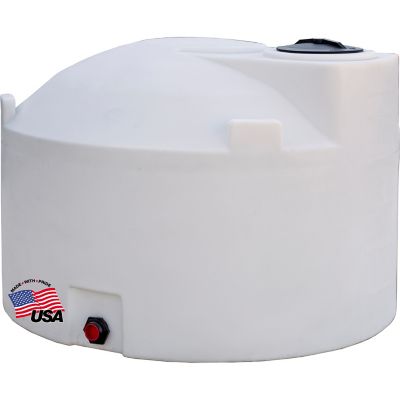
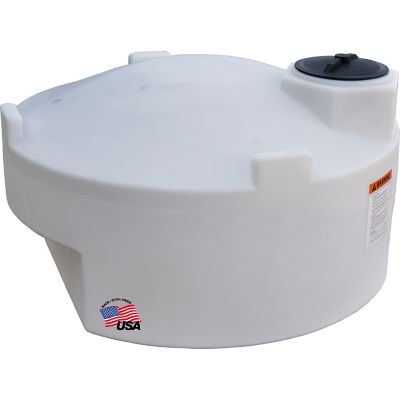
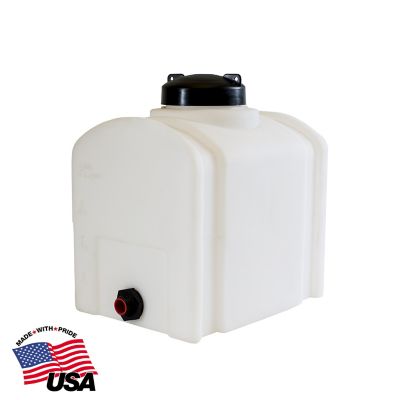
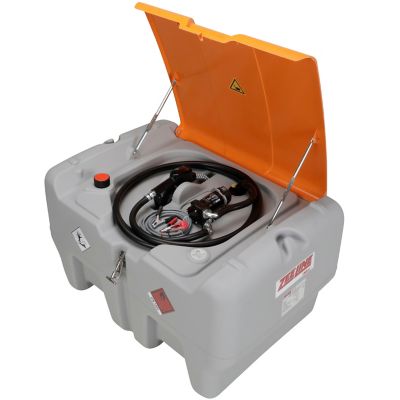
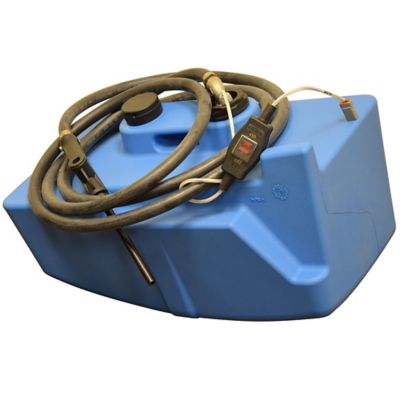
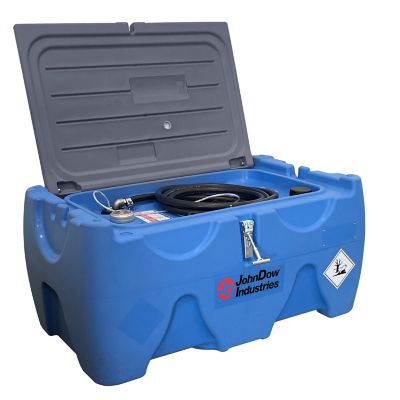
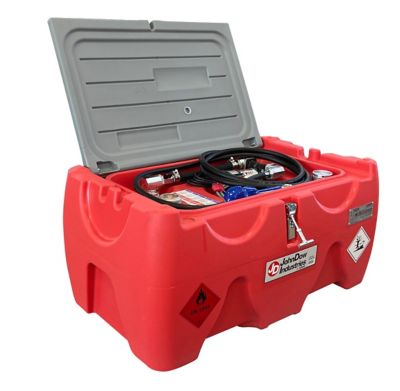
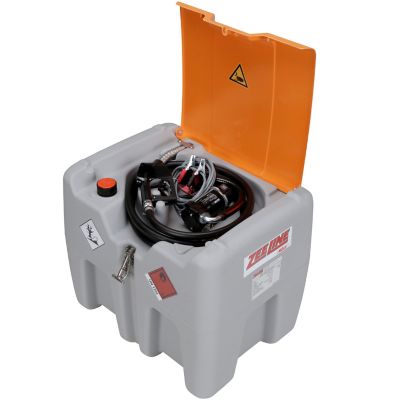
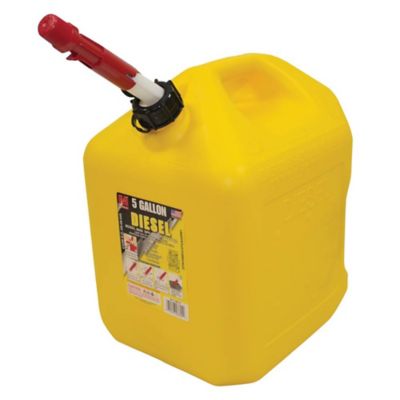
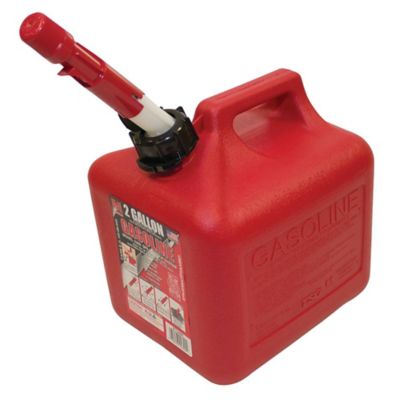
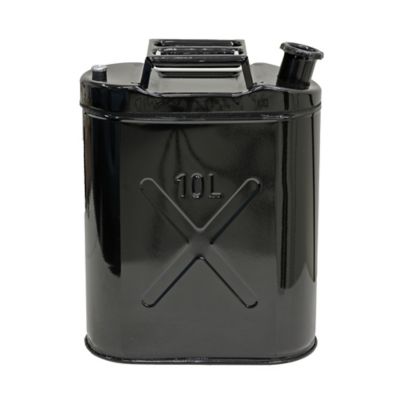
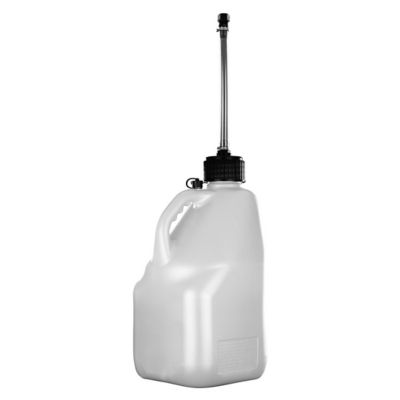
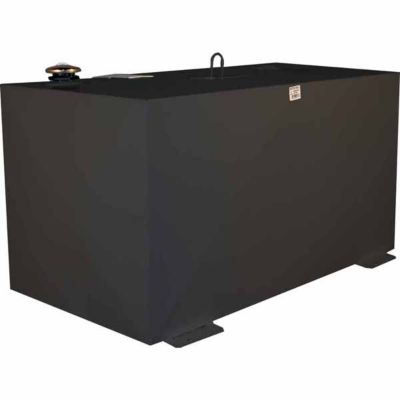
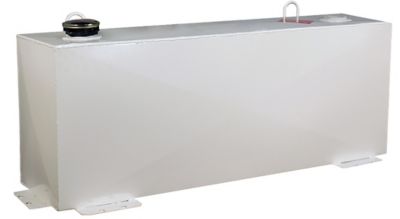
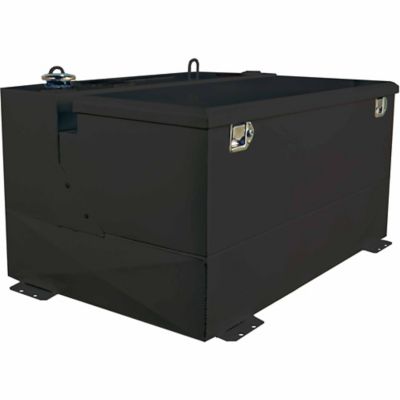
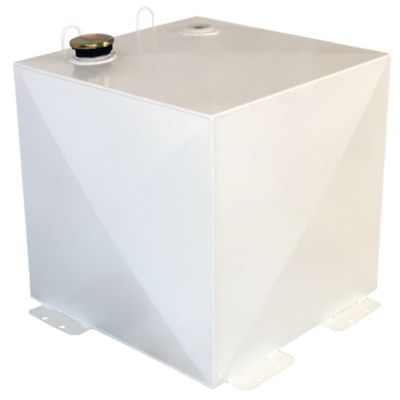
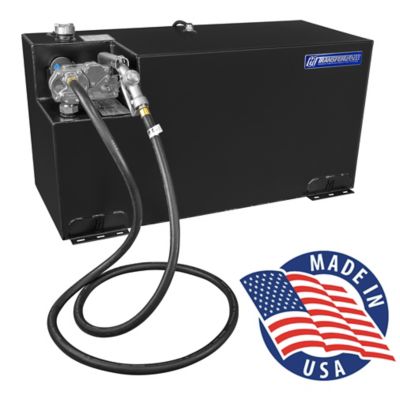
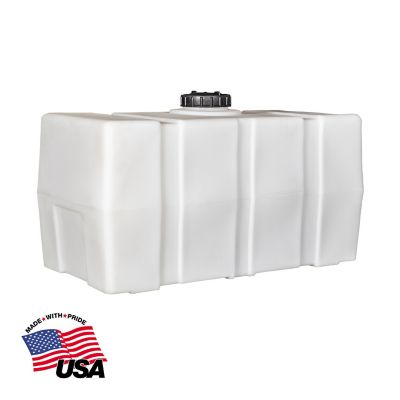
Fuel storage tanks provide a practical way to keep gasoline, diesel, kerosene and other approved fuels on hand for farm equipment, generators, work trucks, boats, ATVs, lawn equipment and job-site machinery. A dependable supply can save a trip into town when a storm rolls in, help keep chores moving during the cooler months, and make it easier to fuel several pieces of equipment from one convenient location. Small portable fuel caddies, often holding around 15 to 30 gallons, are useful for topping off mowers, compact tractors, utility vehicles and recreational equipment. Their wheels and compact footprint make them easier to move around a barn, shed or garage, though a full tank can still be heavy and should be handled with care. Larger skid tanks and stationary tanks, commonly ranging from roughly 150 gallons to more than 1,000 gallons, are better suited to farms, ranches, fleet yards, contractors and businesses that use fuel every day. Overhead tanks can use gravity to help dispense fuel, while tanks fitted with hand or electric pumps offer a more controlled setup when fuel needs to travel farther or be dispensed often. Boat owners looking for a fuel storage option for marine use can also browse
Boat Fuel Tanks. Whether the tank will support a few weekend chores or a full season of fieldwork, start by estimating normal fuel use over a week or two rather than choosing the largest capacity available. A tank that is too small may require frequent refills, while an oversized tank can take up valuable space and leave fuel sitting longer than recommended.
Choosing the right fuel storage tank comes down to the fuel type, capacity, construction, placement and dispensing needs. Gasoline, diesel and kerosene are not interchangeable, so confirm that the tank and all related components are approved for the fuel being stored. Heavy-duty carbon steel is a common choice for stationary farm and commercial use, while stainless steel may be preferred in demanding environments where corrosion resistance matters. UV-resistant HDPE plastic can be a useful option for certain portable applications, especially where a lighter tank is easier to move, but the material still needs to be rated for the intended fuel. Single-wall tanks may work in locations where they are permitted and properly contained, while double-wall tanks add a second layer of protection to help reduce the risk of a spill reaching the ground. Fireguard or other thermally protected designs may be appropriate for commercial settings with stricter storage requirements. Before buying, check local fire codes, zoning rules, insurance requirements and any applicable standards, such as UL-142 or UL-2085, rather than assuming every tank is approved for every location. Placement matters just as much as tank construction. Set the tank on a stable, level, noncombustible surface with enough room to inspect fittings, operate the pump and reach emergency shutoffs. Keep fuel storage away from ignition sources, open flames, building openings and areas where children or animals gather. A well-planned setup should also allow room for delivery vehicles, equipment traffic and safe filling without creating a tripping or collision hazard. Tanks intended for transport may have different requirements than stationary tanks, so review the manufacturer’s instructions and applicable transportation rules before carrying fuel in a truck or trailer.
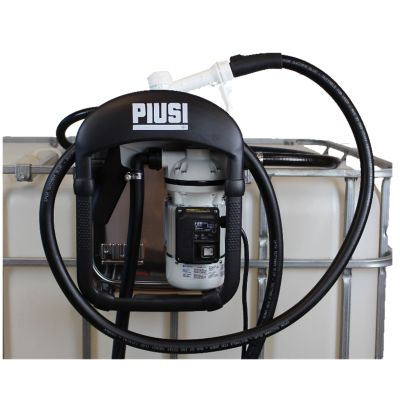
A reliable pump, fuel gauge, filter, hose and nozzle can make a noticeable difference in everyday use. A clear gauge helps track how much fuel remains before a busy workday, while a properly sized hose and nozzle can make filling tractors, generators and trucks less awkward. Hand pumps are straightforward for occasional use and do not depend on electricity; electric pumps can be a better fit for higher-volume fueling or a busy fleet yard when the power source and installation meet safety requirements. Use anti-static grounding and bonding equipment where required, and make sure connections are secure before dispensing flammable fuel. Inspect hoses, seals, caps, vents, pumps and fittings regularly for cracking, leaks, rust or damage. Keep the area around the tank clean, and store absorbent material nearby so a small spill can be addressed promptly. Fuel should be kept in a cool, well-ventilated location and protected from water, dirt and direct sunlight. Never mix different fuels in the same tank, and label each tank clearly so there is no confusion when several types of equipment are being serviced. Seasonal equipment owners may find a fuel tank especially useful when preparing for snow removal, backup power, livestock chores or long stretches of work away from town. It can also be a thoughtful practical gift for a farmer, acreage owner, contractor or outdoor enthusiast who already has a safe place to install and use one, although the recipient’s fuel type, available space and local requirements should be confirmed first. With the right capacity, durable construction and safe dispensing setup, a fuel storage tank can help keep the farmstead, workshop or job site ready for the work ahead.