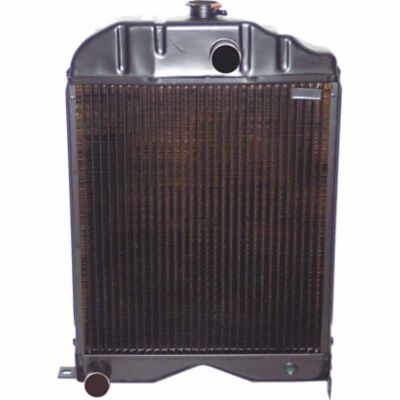
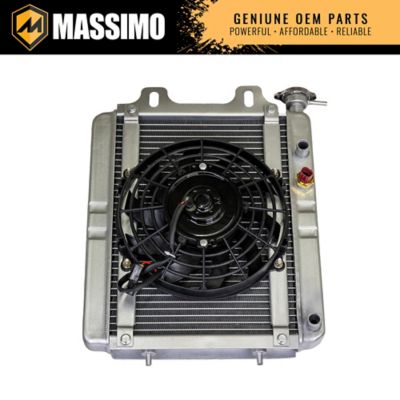
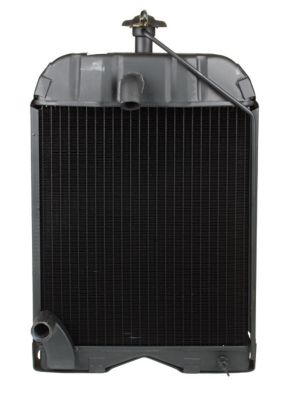
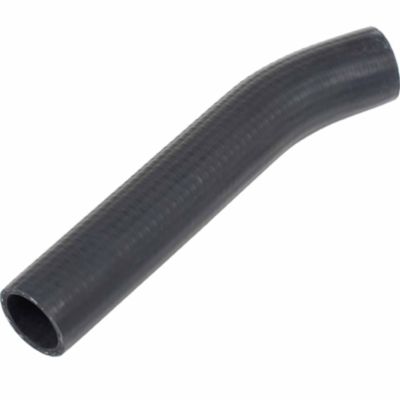
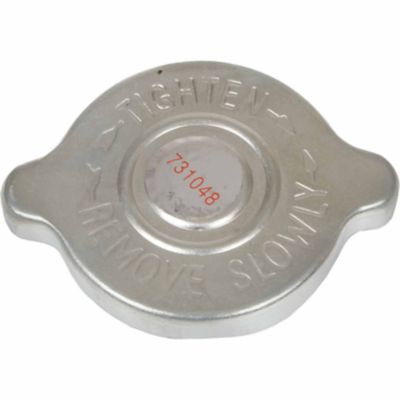
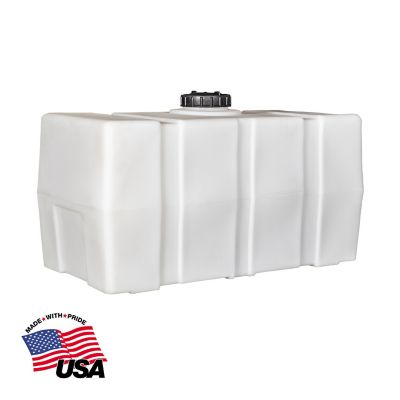
Radiator tanks help manage engine coolant, but the name covers several parts with different jobs. A radiator core tank is the chamber attached to the side, top, or bottom of the radiator, where it directs coolant into or out of the core’s small passages. An external coolant recovery tank holds coolant that moves out of the radiator as it heats and expands, then supplies it back as the system cools, provided the system has a recovery-style cap and the proper hose connections. A pressurized expansion tank is different again: it forms part of the sealed cooling circuit and carries a pressure-rated cap. These tanks are not interchangeable, even when their shapes look similar. The right replacement depends on how the vehicle or machine’s cooling system is built, not simply on how much liquid the container holds. For pickup owners, farmers, mechanics, and folks keeping equipment running around the property, that distinction matters. A truck pulling a loaded trailer down a gravel lane and a tractor working steadily near the barn both need a cooling system that can handle changing engine loads without losing coolant. The tank itself does not do the radiator core’s main heat-transfer work, but it helps the system maintain coolant circulation or manage expansion, depending on its design. Split seams, damaged hose necks, or leaks around a tank connection can interrupt that job. Radiator tanks belong among the practical replacement parts people shop for when keeping a working vehicle in service, whether that vehicle hauls feed, carries tools, or makes the daily drive into town. When the issue involves an integrated radiator tank rather than a separate reservoir, browsing
Truck Radiators can help put the larger assembly in view. Knowing which component needs attention makes it easier to compare replacements without mistaking a simple overflow bottle for a pressure-bearing part.
Fitment is the first purchase consideration, and there is more to it than matching a tank’s general outline. Vehicle year, make, model, engine size, and cooling-system configuration can all affect the replacement needed. For farm and work equipment, the machine model, engine information, and original part number may be more useful than appearance alone. Mounting tabs, bracket spacing, hose connection locations, and clearance around belts, fans, and nearby engine parts all matter once the hood is down. A reservoir that looks close on the workbench may place its hose against a hot surface or leave its fill neck difficult to reach after installation. Capacity matters too, although a larger tank is not automatically a better fit; the system needs the specified expansion space and the correct operating coolant level. On pressurized tanks, the cap rating, neck design, and connection layout must match the application. Some replacements include a cap, mounting hardware, or a level sensor, while others require those components separately, so the package contents deserve a close look. Material choices also follow the cooling-system design. Molded plastic reservoirs often make coolant levels visible from the outside, which is handy during a cold-engine check before heading out. Metal tanks may offer a different mounting arrangement or require a sight tube or another method of checking the level. Aluminum, steel, and molded plastic each have application-specific requirements; swapping materials does not remove the need for the proper pressure rating, coolant compatibility, and secure mounting. Integrated radiator tanks bring additional details into the decision, including the tank-to-core seal and any connections for built-in fluid coolers. Some heavy equipment radiators have serviceable bolt-on tanks, while many passenger-vehicle and light-truck radiators have crimped plastic tanks attached to aluminum cores. Those construction differences determine whether a separate tank replacement is practical or whether a complete radiator assembly makes more sense. A listed application match carries more weight than a resemblance in a product photo.
A radiator tank earns its place through ordinary work: the early drive with the heater running, the slow pull across a pasture, and the stretch of idling while a gate gets opened. During the cooler months, engines still generate substantial heat, and a sound cooling system remains important even when the air feels sharp. Proper coolant concentration also provides freeze and corrosion protection; the tank cannot make up for the wrong coolant mixture or a leak elsewhere in the system. For owners comparing replacements, the condition of surrounding parts can help explain the scope of the job. A stained seam, crusty residue near a hose fitting, or a falling cold coolant level may point to leakage, but similar symptoms can come from hoses, caps, the radiator core, or other components. A puddle beneath a reservoir does not, by itself, prove that the reservoir is the source. A pressure test and inspection by a qualified technician can help confirm the fault before parts are ordered. This is especially worth keeping in mind when a tank has cracked more than once, since excess pressure or another cooling-system problem may need attention. Temporary sealants and surface patches are not a dependable substitute for a properly matched replacement on a pressure-bearing tank. A separate recovery reservoir may be replaceable on its own, while a cracked crimped radiator tank often leads to replacement of the complete radiator or evaluation by a radiator specialist. Any inspection involving a cap belongs on a fully cooled system, because hot coolant can escape under pressure and cause serious burns. Replacement work also calls for the specified coolant and the vehicle’s filling and air-bleeding procedure. For a home garage, farm shop, or repair business, the most useful purchase is the tank that fits the machine, supports its original cooling arrangement, and leaves connections secure and service points accessible. That means less guesswork at the parts bench and a repair suited to the work waiting beyond the driveway.