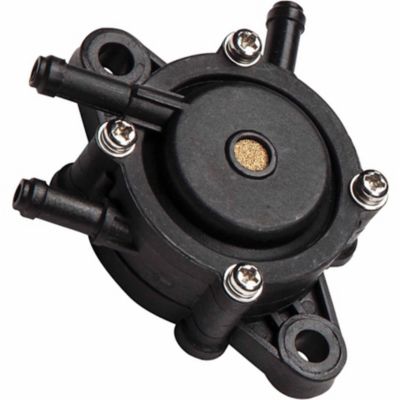
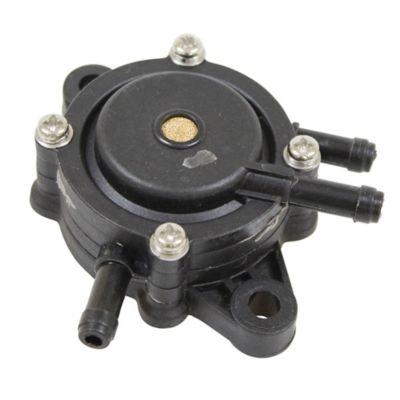
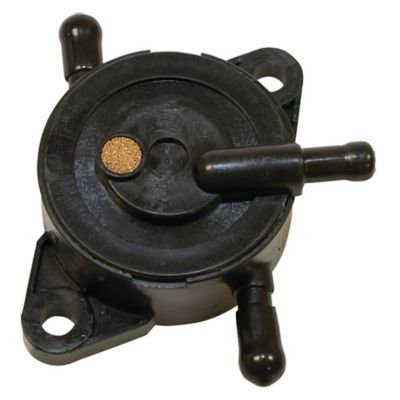
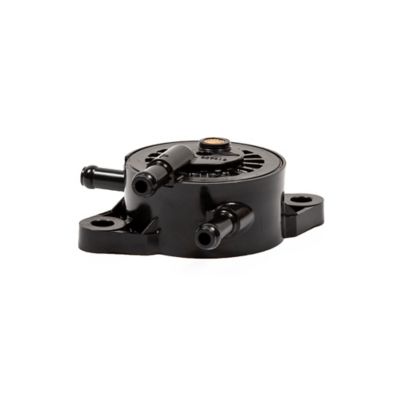
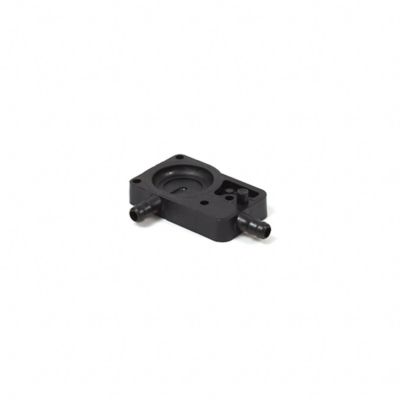
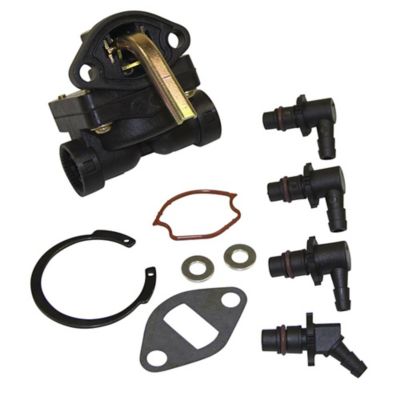
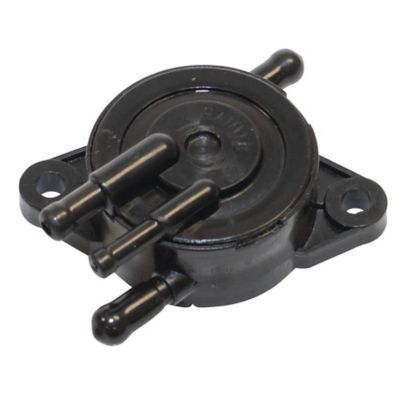
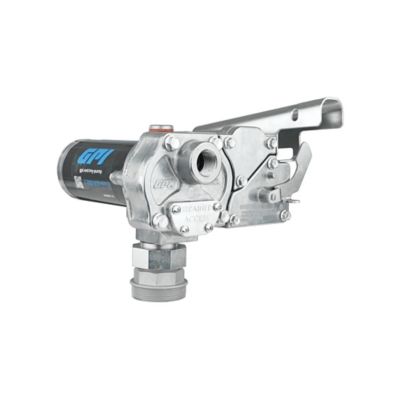
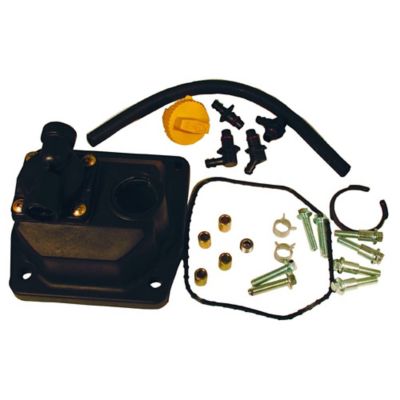
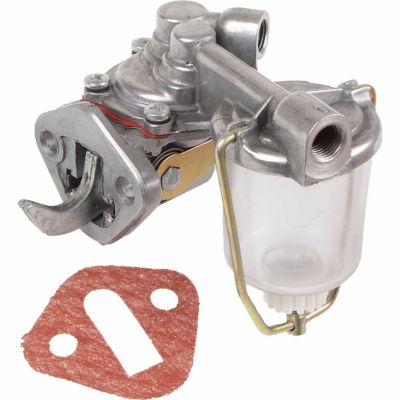
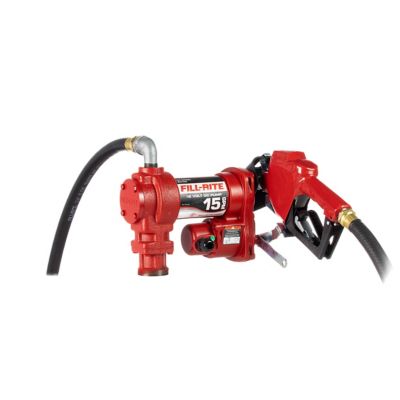
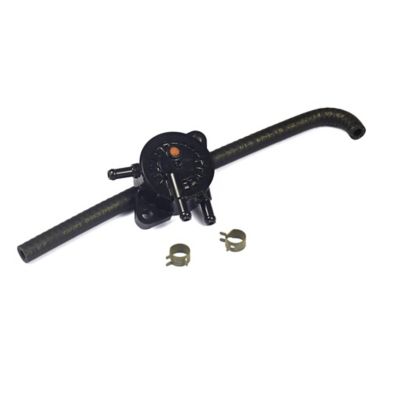
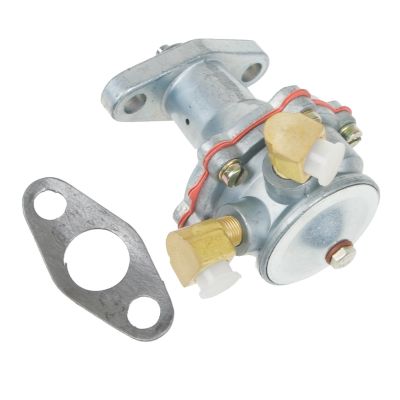
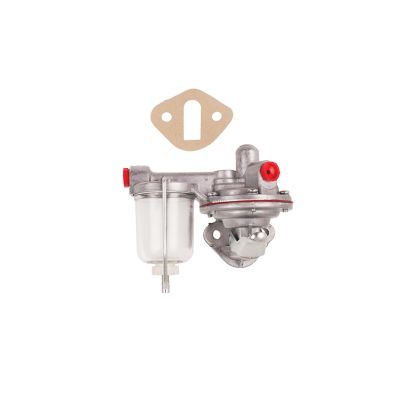
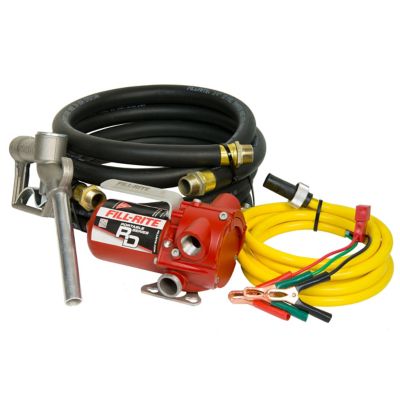
Replacement fuel pumps move fuel from a tank to an engine at the pressure and flow rate its fuel system requires. That steady supply matters whether a pickup is pulling a trailer, a tractor is working along a fence line or a mower is cutting around the barn. A pump that cannot keep up with engine demand may contribute to hard starting, sputtering, stalling or loss of power under load. An electric pump may also develop a louder-than-normal hum or whine, although sound alone does not confirm a failure. Those symptoms can also come from a restricted filter, damaged wiring, a blocked tank vent or other engine problems, so a fuel-system diagnosis helps keep a replacement purchase on track. Fuel pressure, delivery volume and electrical supply checks can help a technician separate pump trouble from another fault. Replacement fuel pumps fall into several categories, including engine-driven mechanical pumps, electrically powered pumps and pulse-operated pumps for certain small engines. Mechanical designs commonly serve older carbureted engines, while electric designs can support either carbureted or fuel-injected systems when their specifications match the application. Pulse-operated designs rely on engine pressure pulses to move a diaphragm and deliver fuel. These types are not interchangeable simply because their housings or hose connections look alike. For a truck owner, acreage caretaker, equipment operator or repair shop, the right replacement starts with the machine and its engine requirements rather than the pump’s appearance. A carburetor generally needs much lower fuel pressure than a fuel-injection system, and excessive pressure can create problems just as insufficient pressure can. A fuel pump’s job is to supply the engine correctly, not to deliver the highest number on a specification sheet. Matching the original system’s requirements helps support steady operation when equipment moves from an easy idle to a demanding stretch of work.
Fit involves more than finding mounting holes that line up. Vehicle applications may depend on the year, make, model, engine size and fuel-system configuration, while tractors and outdoor power equipment often require the engine model, specification number or equipment serial number to narrow the match. An original part number can be a helpful reference, but it still needs to agree with the replacement’s listed applications and specifications. Important details include fuel type, operating pressure, flow rate, voltage for electric pumps, mounting position and the size and direction of inlet and outlet connections. Gasoline and diesel applications have different requirements, and compatibility with ethanol blends or other fuel formulations should be stated by the pump manufacturer rather than assumed. An in-tank electric pump may be supplied as a pump alone or as part of a larger module. Depending on the application, a module may incorporate a reservoir, strainer, fuel-level sender or other components, so the contents of an assembly matter when comparing replacement options. An external electric pump has its own mounting and plumbing requirements, while an engine-mounted mechanical pump must match the mounting flange and actuating arrangement. Small-engine pulse pumps also need the correct fuel and pulse connections, with hose routing that follows the engine manufacturer’s directions. For equipment with those engine-specific needs,
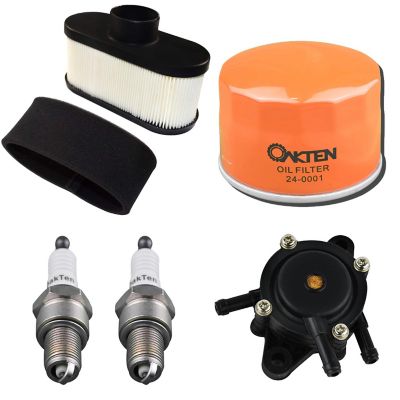
Small Engine Fuel Pumps offers a more focused category to consider alongside the engine’s identification details. Materials vary by design and can include metal housings, engineered plastic bodies, internal diaphragms, seals and electrical components. Each material has a particular role, from protecting the mechanism to maintaining a sealed fuel path. Fuel compatibility is especially important for the soft components inside a pump, where an unsuitable seal or diaphragm material can deteriorate and lead to leaks or poor delivery. A pump that looks right on the workbench still needs the proper internal construction, connections and performance specifications for the machine it will serve.
Service life depends on the condition of the surrounding fuel system as well as the replacement pump itself. Dirt, rust and other contamination in a tank can restrict a strainer or filter and interfere with fuel delivery. Replacing a failed pump without addressing that contamination can leave the original problem in place or expose the new part to the same trouble. Fuel hoses deserve attention, too: cracking, kinks, loose connections and internal deterioration can cause leaks or interrupt supply. On electrically powered systems, sound wiring, secure terminals and proper grounds matter because a poor connection can affect pump operation even when the pump is mechanically sound. Care centers on following the equipment manufacturer’s fuel recommendations, filter service intervals and storage directions, along with checking for leaks and damaged connections during routine maintenance. There is no single replacement interval that fits every fuel pump; operating conditions, system design and contamination all affect how long one lasts. The scope of replacement also varies considerably. An externally mounted pump may be easier to reach than an in-tank assembly that requires tank removal, and some applications call for additional seals, strainers or related parts specified by the manufacturer. Fuel-system work involves flammable liquid and vapors, and some systems retain pressure after the engine stops. Correct pressure-relief procedures, ventilation and control of ignition sources are essential, making professional installation a sensible choice when the work exceeds the owner’s tools or experience. For someone maintaining a work truck, keeping a tractor ready for chores or servicing several pieces of property equipment, a well-matched pump helps restore the fuel supply the engine was built to receive. It will not correct ignition faults, clogged injectors or unrelated engine wear, but it can address a confirmed delivery problem when the rest of the system is in proper condition. The most useful comparison comes down to application fit, fuel compatibility, specified pressure and flow, connection layout and the parts included with the replacement. Those details help turn a broad selection of replacement fuel pumps into a practical match for the equipment that has work waiting.