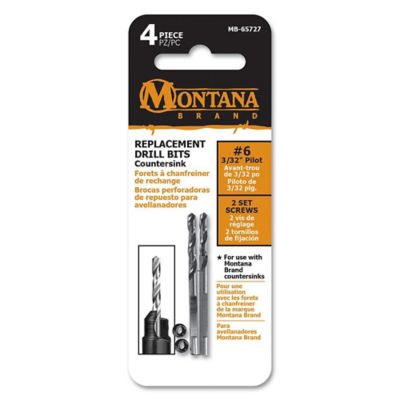
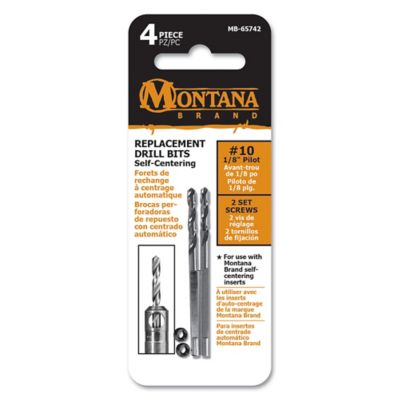
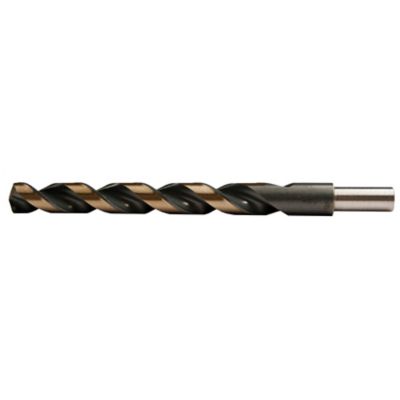
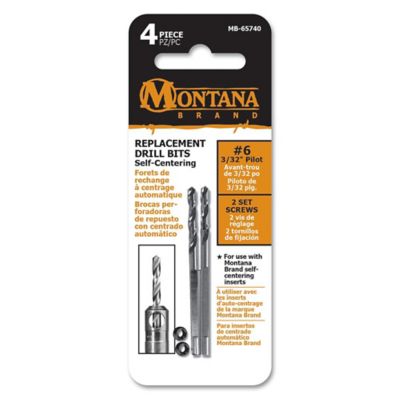
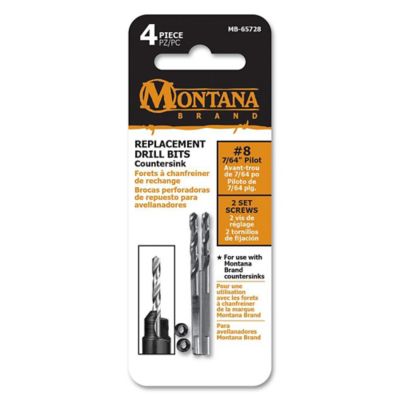
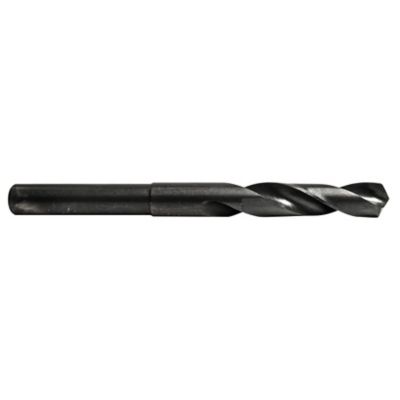
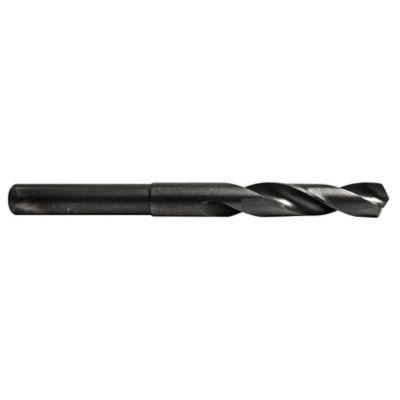
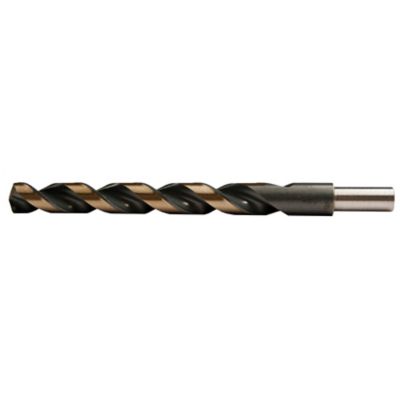
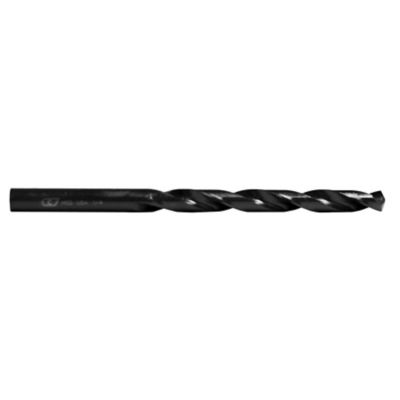
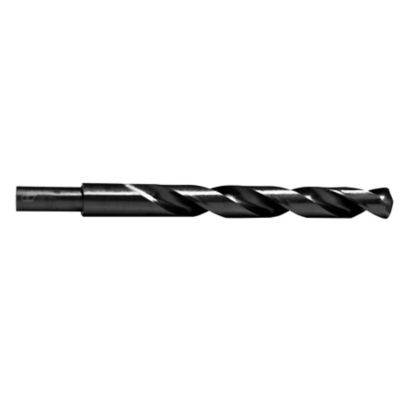
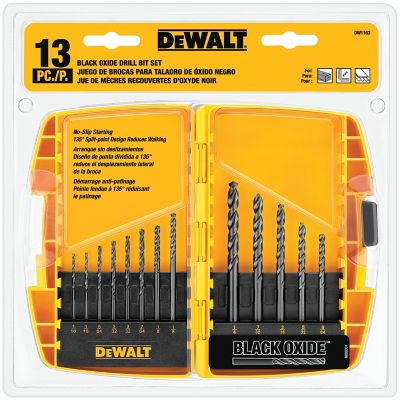
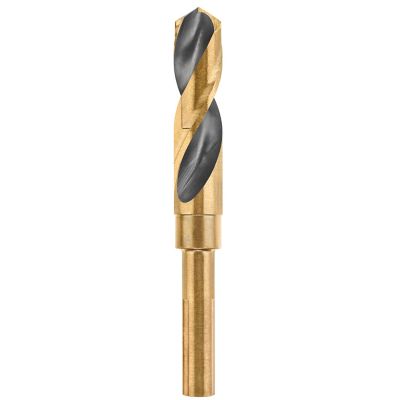
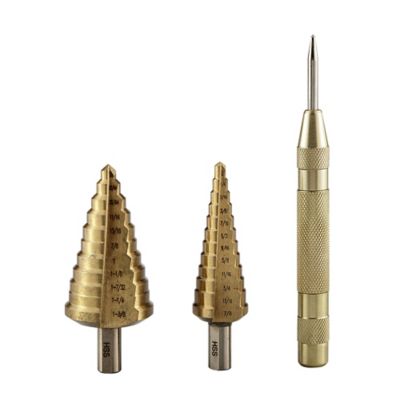
Replacement drill bits take the place of missing, dull, or broken bits so a familiar drill can keep handling repairs, building projects, and everyday shop work. Sometimes a single size is all that stands between a nearly complete bit case and the next job. Other times, several frequently reached-for sizes need replacing after steady work around the barn, garage, or equipment shed. The right match depends on more than the diameter printed on the case: the material being drilled, the drill’s chuck capacity, the bit’s shank, and the depth of the hole all matter. Cutting diameter determines the size of the hole, while shank size determines whether the drill can grip the bit. Those measurements are not always the same, especially with reduced-shank bits. Round shanks fit compatible three-jaw chucks, while hex shanks can fit suitable quick-change holders; a hex shank alone does not mean a bit is rated for impact-driver operation. Fractional, decimal, and metric measurements also deserve a close look when the hole must line up with a bolt, pin, or existing opening. A bit that is close in size may still leave a fastener too tight or a hole with more play than the job allows. Overall length and working length matter, too, particularly when reaching through a thick timber or drilling inside a cramped bracket. Standard-length bits cover plenty of everyday work, while longer bits provide extra reach but need careful support to limit wandering and flex. For replacement bits that belong inside a countersink, hole saw, or another drilling assembly, the original assembly’s specifications are especially important. Diameter, length, shank shape, and the way a retaining screw holds the bit can all affect fit. Matching those details helps keep an otherwise serviceable attachment working as intended, whether the next task is hanging a gate latch, fitting a shelf bracket, or making pilot holes for a fence repair.
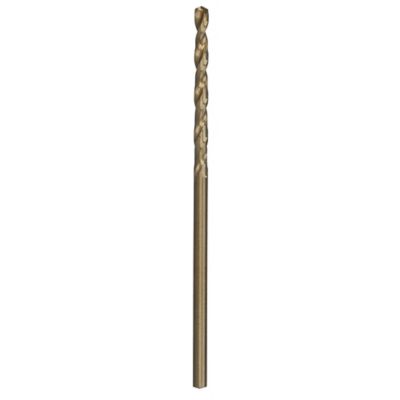
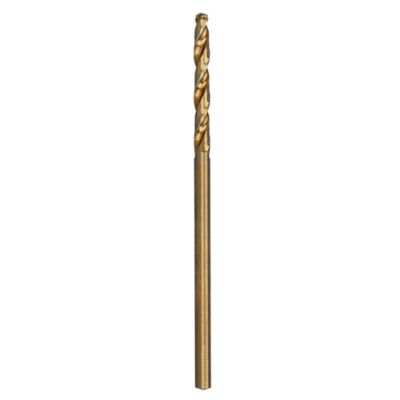
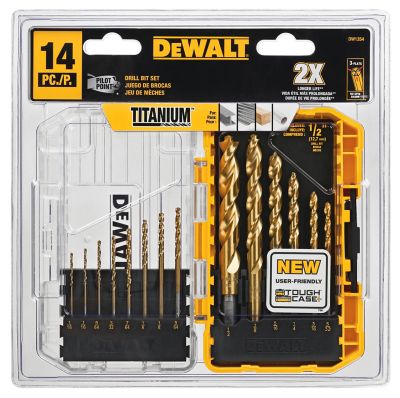
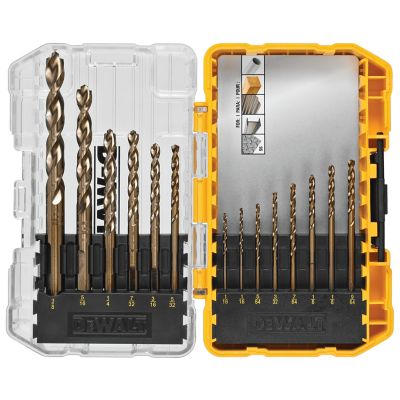
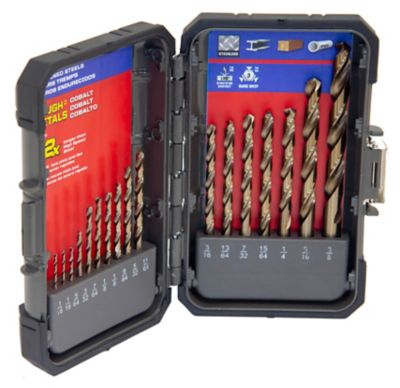
The material under the drill bit is a good place to start when comparing cutting edges and bit construction. High-speed steel bits suit many general drilling jobs in wood, plastics, and certain metals, provided the bit’s specifications match the task. Cobalt-alloy high-speed steel offers greater resistance to heat at the cutting edge and is often chosen for tougher metal-drilling work, including suitable stainless steel applications. Cobalt is part of the alloy rather than simply a surface coating. Titanium nitride, by contrast, is a coating applied over a base material, and its presence does not make a bit solid titanium or suitable for every surface. Coatings can help reduce friction or wear in the applications they are designed for, but they do not replace the need for the right bit geometry and operating speed. For steel brackets, equipment repairs, and other metalworking tasks,
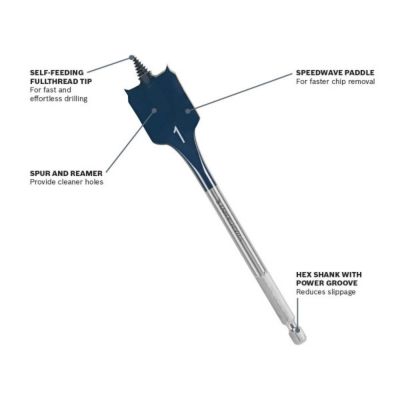
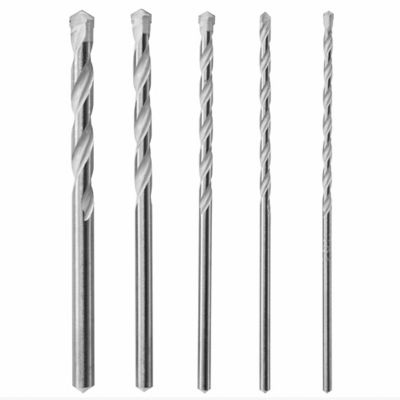
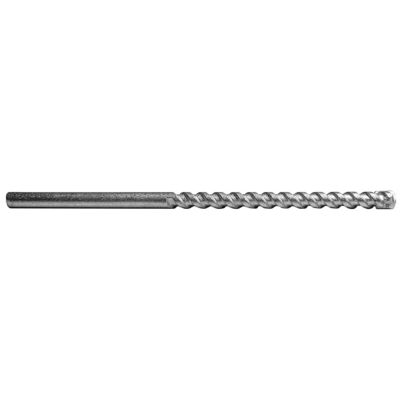
Metal Drill Bits provides a closer look at this material-focused category. Woodworking calls for different considerations. A brad-point bit helps locate a hole and produce a cleaner entry in wood, which matters when the face of a cabinet panel or bench top will remain visible. Spade bits make wider holes for tasks such as routing cable through framing, while auger bits suit deeper wood boring when the drill and workpiece are appropriate for their design. For thin sheet metal, step bits can create several hole diameters within the thickness limits specified for each step. Masonry bits have cutting tips intended for materials such as brick or concrete, with rotary or hammer-drilling compatibility determined by the bit and tool specifications. Specialized shanks require matching tool holders, so a masonry bit’s diameter alone does not establish compatibility. Across these categories, flute shape, point design, and working length influence how a bit enters the surface and clears chips. A replacement that resembles the old bit at a glance may behave quite differently once it meets hardwood, a steel hinge plate, or a concrete anchor hole.
A replacement bit earns its place in the toolbox by fitting the work that actually comes up. For a homeowner, that may mean keeping the pilot-hole sizes needed for common screws close at hand. For a rancher or small-acreage owner, it may mean replacing the sizes that see regular service on brackets, gates, and shop fixtures. Mechanics and fabricators often pay closer attention to exact hole dimensions, repeat drilling, and performance in particular metals, while woodworkers may put more weight on a clean entry and controlled hole depth. Repeated tasks can justify keeping more than one of a frequently needed size, especially when a broken bit would otherwise interrupt a repair halfway through. Long service life depends on matching the bit to the material and keeping the cutting edge in good shape. Excessive heat, squealing, unusually heavy pressure, or a bit that rubs without cutting can point to a dull edge, an unsuitable speed, or the wrong bit for the job. A bent shank, chipped cutting lip, or damaged tip calls for replacement rather than more pressure on the drill. Some steel bits can be sharpened with suitable equipment, though sharpening must preserve the intended geometry, and it can remove a coating at the cutting edge. Bits with specialized tips or profiles may require a different approach. Care between jobs matters as well: removing chips and residue, keeping bits dry, and storing them in labeled compartments helps protect edges and makes sizes easier to find. Loose bits rolling against sockets and wrenches can suffer damage before they ever reach the chuck. Before a bit change, disconnecting the drill from its power source helps prevent an accidental start; secure workpieces and suitable eye protection remain important during drilling. With the right material match, a proper fit, and sensible care, replacement drill bits help keep familiar tools ready for the next repair without turning a straightforward job into a struggle.