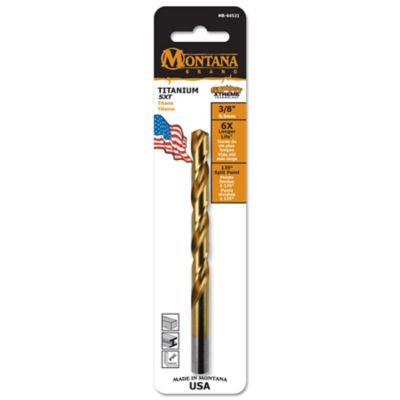
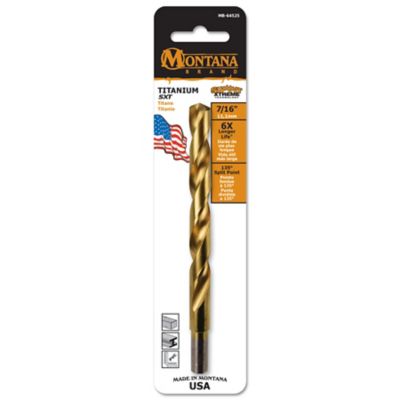
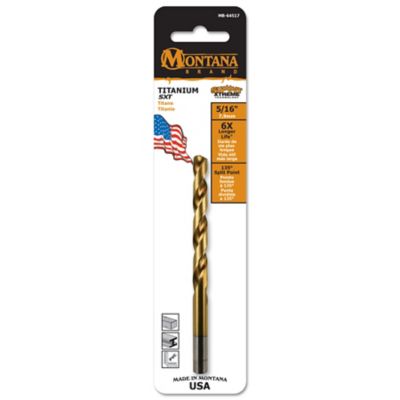
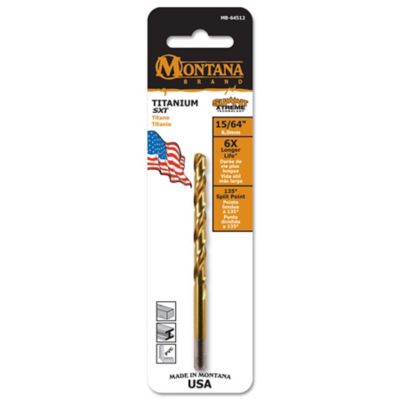
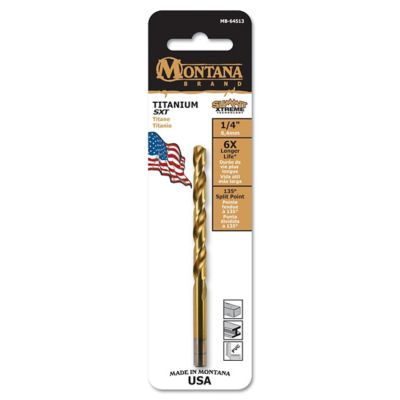
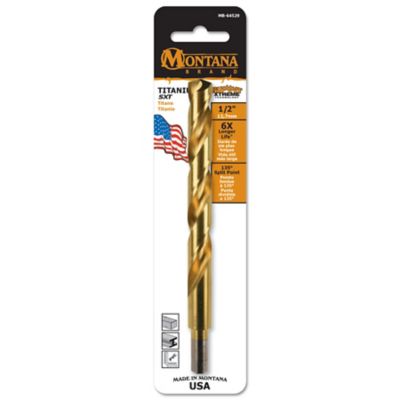
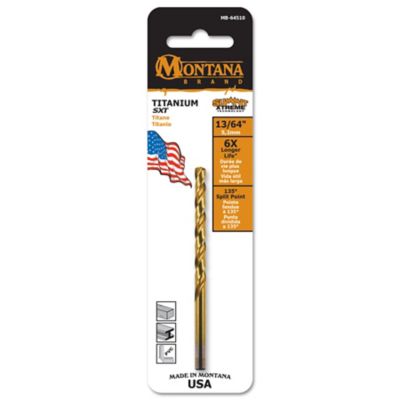
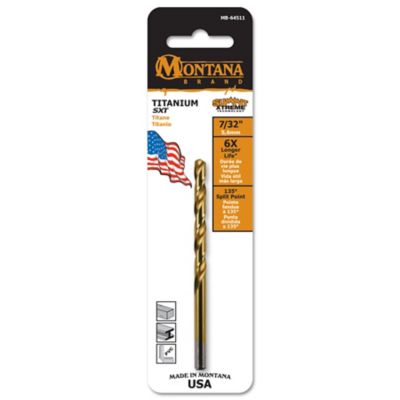
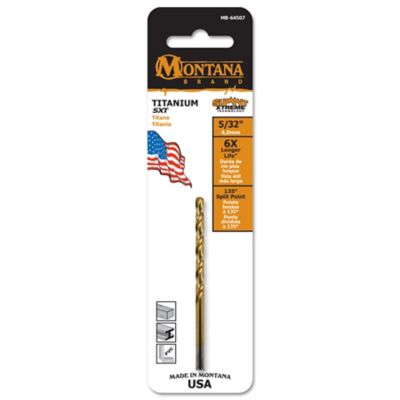
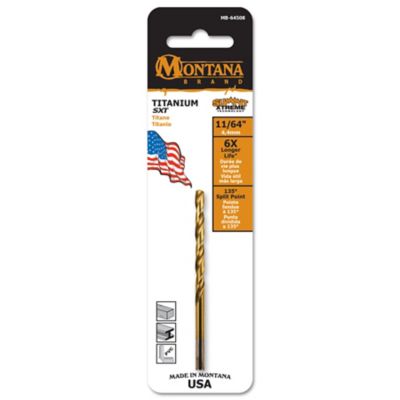
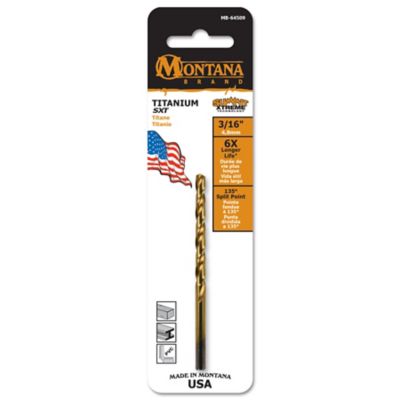
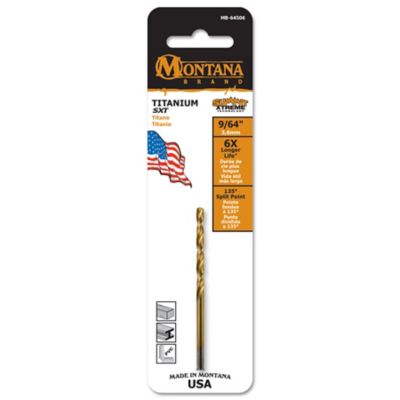
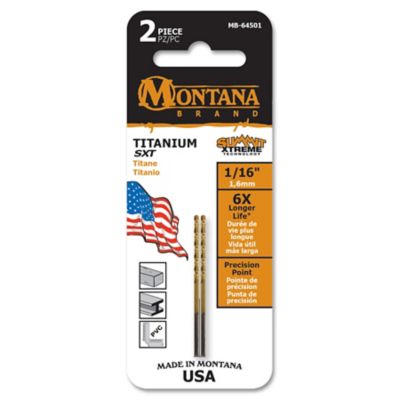
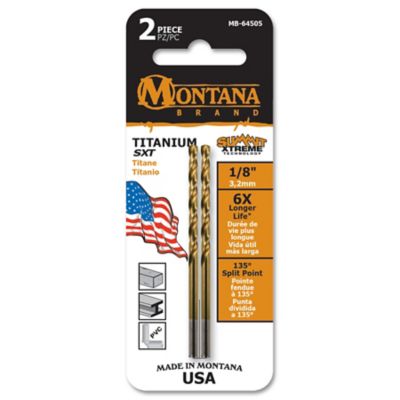
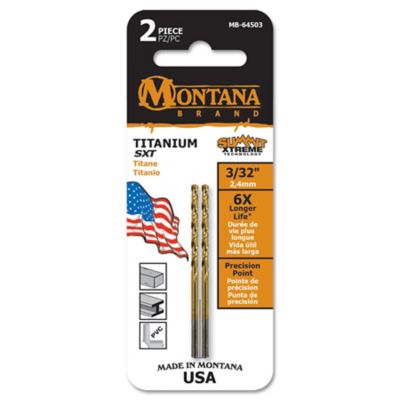
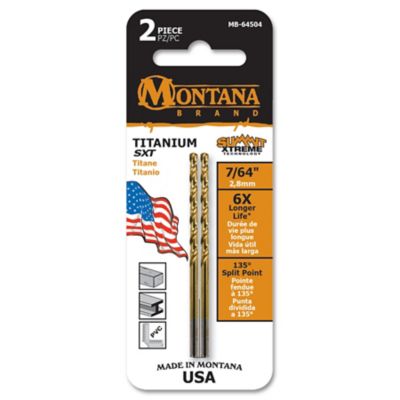
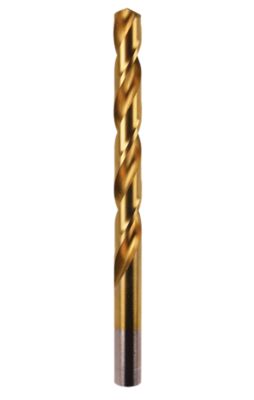
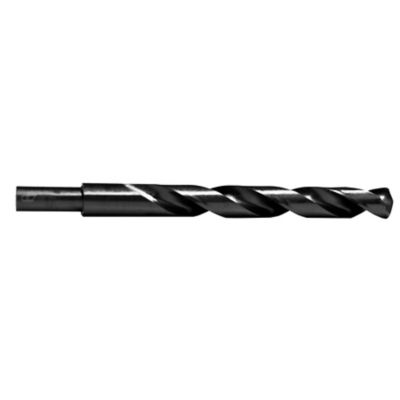
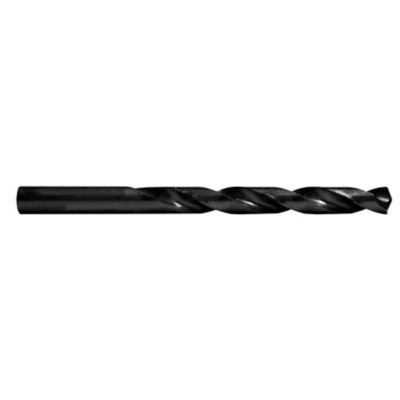
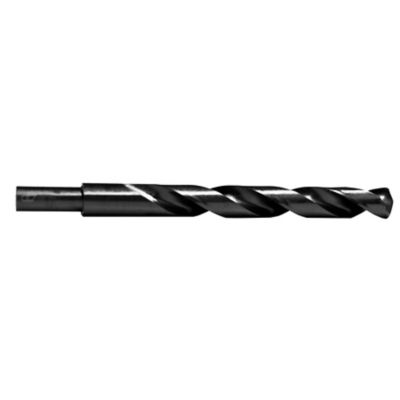
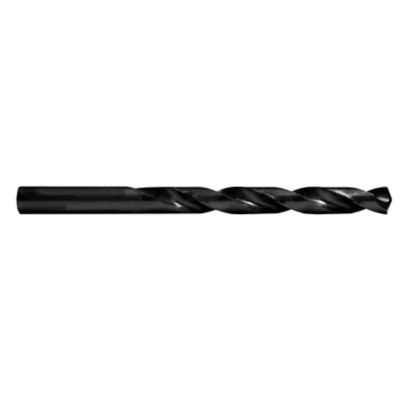
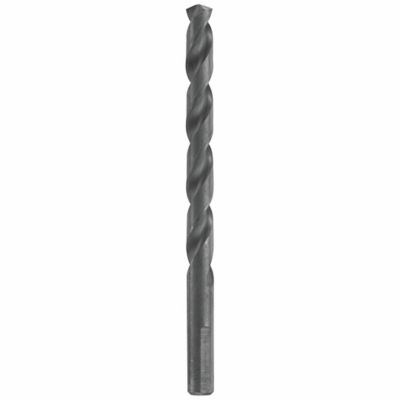
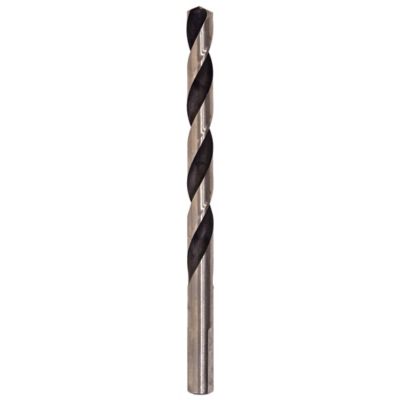
Round shank drill bits have a smooth, cylindrical, non-cutting end that fits within the gripping range of a standard three-jaw drill chuck. That familiar shape makes them a practical choice for compatible handheld drills and drill presses, whether the job involves a pilot hole in a fence board or a bolt hole through a piece of angle iron. The shank describes how the bit connects to the tool, not which materials the cutting end can handle. Wood, metal, plastic, and masonry each call for a cutting design suited to the surface, so the material rating matters just as much as the round profile. Around a farm shop, garage, or workbench, these bits can serve folks repairing equipment brackets, building shelves, attaching hardware, or making room for fasteners in a new project. Their usefulness comes from matching the hole diameter, cutting length, and bit material to the task at hand. A small bit can create a pilot hole that helps a screw enter wood without splitting it, while a larger diameter may provide clearance for a bolt to pass through a bracket. Those are different jobs, even when both begin with the same drill. Round shanks are intended for compatible drill chucks rather than direct insertion into a hex quick-change impact-driver holder. Chuck capacity also deserves a look: the shank must fall within the chuck’s stated clamping range, and the tool needs enough power and control for the cutting diameter. Some larger bits have reduced round shanks, meaning the portion held by the chuck is narrower than the cutting section. That can expand fitting options, but it does not increase the drill’s working capacity. For anyone moving between a handheld drill at the barn and a drill press at the bench, checking both machines’ chuck ranges helps keep the choice grounded in the equipment already on hand. A sound fit leaves the jaws gripping the shank securely, with the bit running straight rather than wobbling through the work.
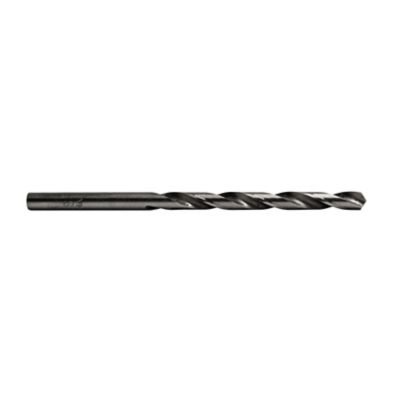
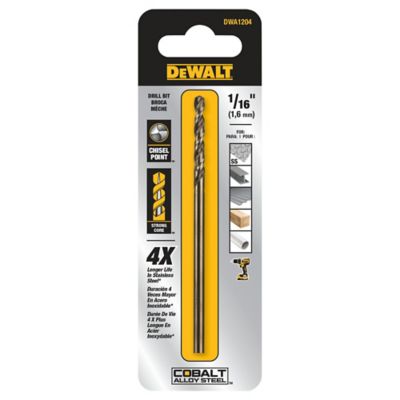
The steel and cutting geometry behind round shank drill bits make a real difference once the edge meets the material. High-speed steel, often labeled HSS, is a common choice for general drilling in wood, plastic, and many metals when the bit’s design and stated applications match the job. Cobalt-alloy high-speed steel offers greater resistance to cutting heat, which can be helpful with tougher metals such as stainless steel. Cobalt is part of that steel alloy, not simply a surface coating. Finishes and coatings serve different purposes, too. Black oxide can help with corrosion resistance and lubricant retention, while titanium nitride coatings can reduce friction and surface wear. Neither takes the place of the right underlying steel, suitable drill speed, or a sharp edge. A gold-colored finish alone does not tell the whole story. Point angles are another useful comparison: a 118-degree point is common on general-purpose twist bits, while a 135-degree split point is often associated with metal drilling and can help reduce wandering at the start of a hole. Actual performance still depends on the material, point design, and workpiece setup. For a smooth steel bracket, a center-punch mark can help locate the hole; for a board that needs a clean opening, a wood-specific point may be a better match than a general-purpose metal-cutting tip. Plastic brings its own concerns, including cracking, grabbing, and melting, so its drilling requirements deserve attention rather than an assumption that every twist bit will behave the same way. Masonry requires a bit specifically rated for that material, along with the appropriate drilling mode. For projects spanning several surfaces,
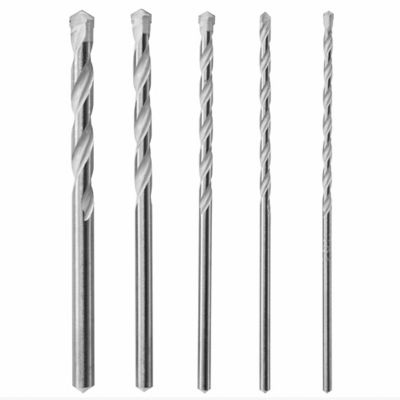
Universal Drill Bits offer another category to consider, with each bit’s material ratings and tool requirements still guiding the fit. The goal is a cutting edge suited to the work, not simply a shank that fits the chuck.
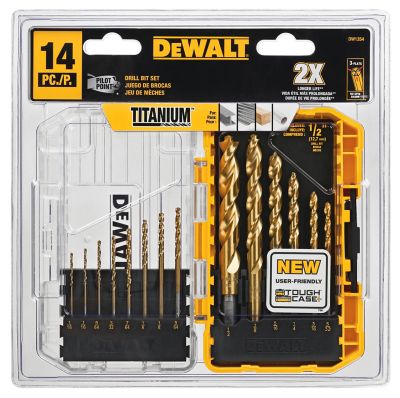
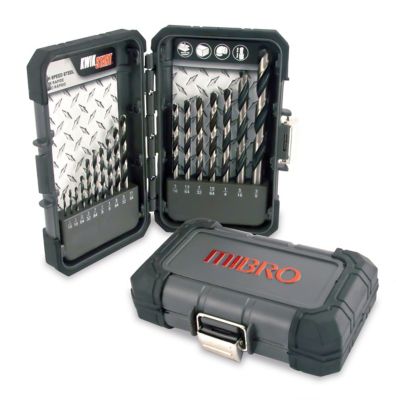
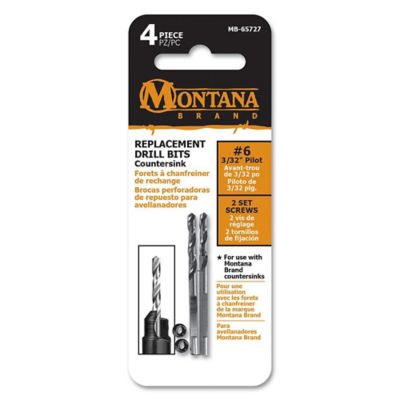
Size, reach, and everyday care round out the considerations for a working collection of drill bits. Fractional-inch sizes are familiar around many American shops, while metric sizes matter when a repair involves metric hardware or a specified hole diameter. The fastener and the job determine the opening: a screw pilot hole, a clearance hole, and a hole prepared for tapping threads are not interchangeable. Overall length and flute length also deserve a look, especially when drilling through a thick timber or reaching past an obstruction. Extra reach can be handy, but a longer bit can flex more readily; the shortest practical length generally offers better support. The flutes carry chips out of the hole, and packed chips can increase friction and make cutting harder. On metalwork, suitable cutting lubricant, steady pressure, and a speed matched to the material and bit diameter can help protect the edge. Larger diameters generally call for slower speeds than smaller ones in the same material. At a drill press, a properly secured workpiece helps prevent a steel strap or bracket from spinning if the bit catches. Clamps and backing material can also make handheld drilling more controlled, particularly when the bit breaks through the far side of a board. Eye protection belongs with either setup, since metal chips and wood splinters can leave the cutting area quickly. After the work is done, removing chips and residue, drying the bits, and storing them where their edges will not knock together helps limit rust and edge damage. A labeled index or case makes it easier to return to the right diameter instead of guessing from a loose handful in a drawer. Bits showing chipped edges, a bent shank, or persistent trouble cutting deserve attention before another demanding hole. For home repairs, farm maintenance, and shop projects alike, a well-matched assortment of round shank drill bits keeps the focus on fitting the hardware and finishing the job cleanly.