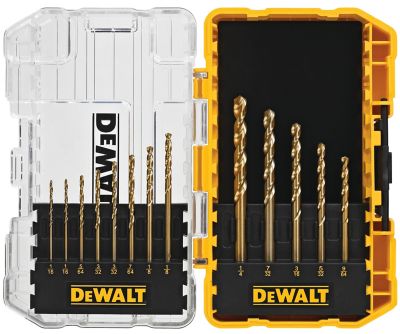
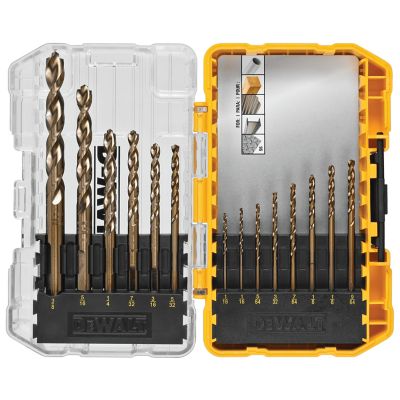
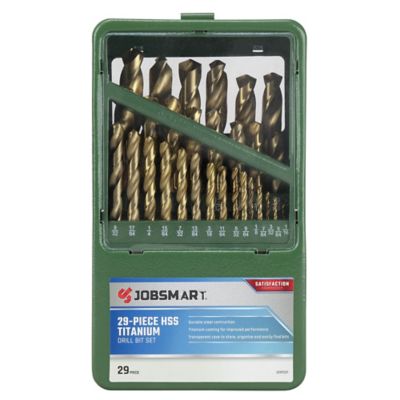
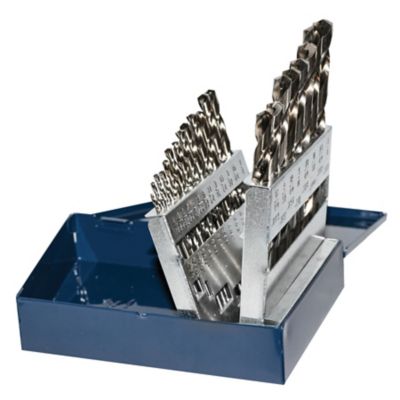
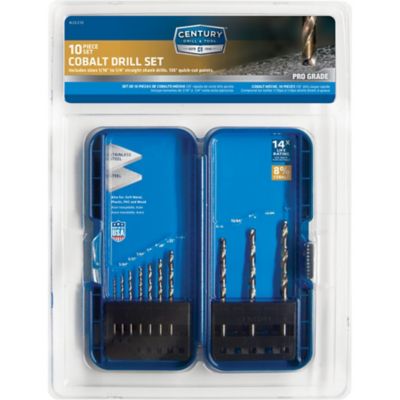
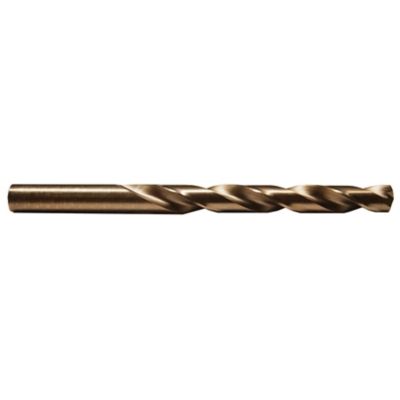
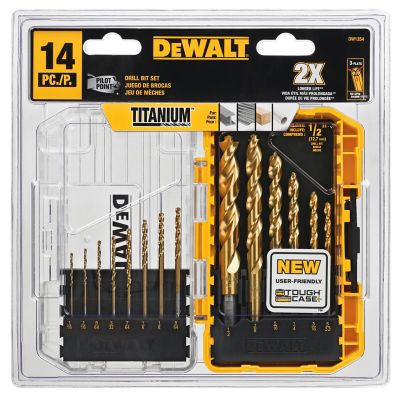
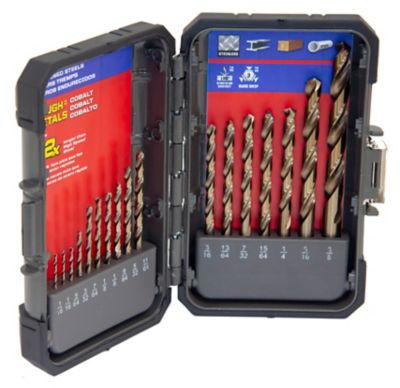
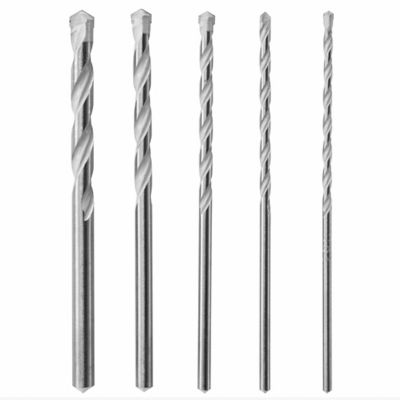
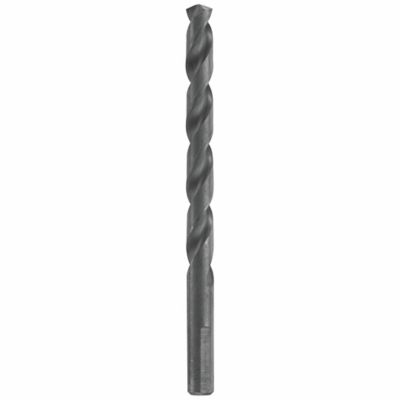
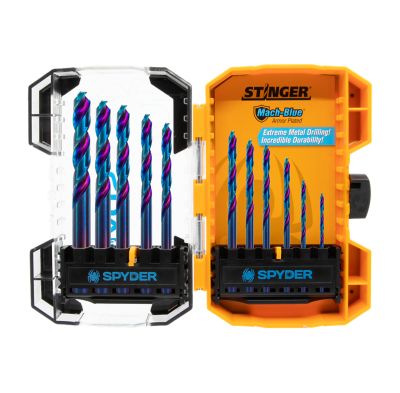
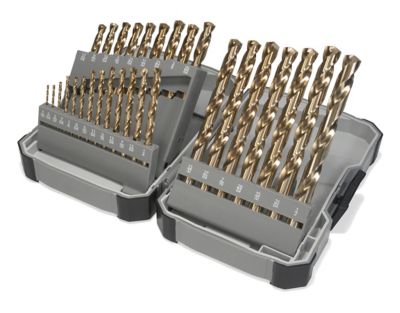
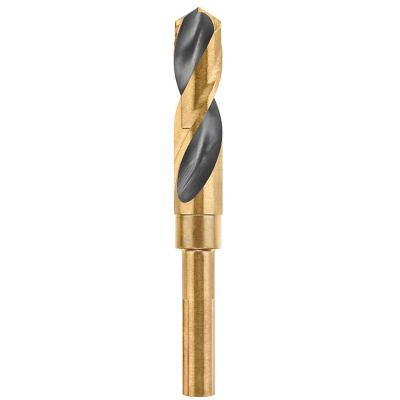
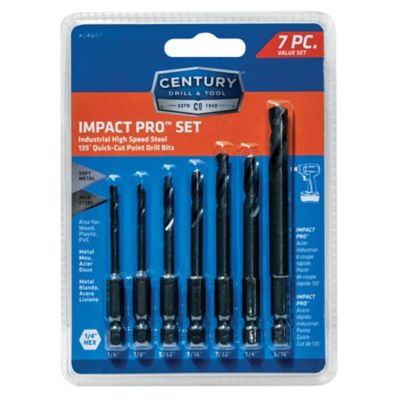
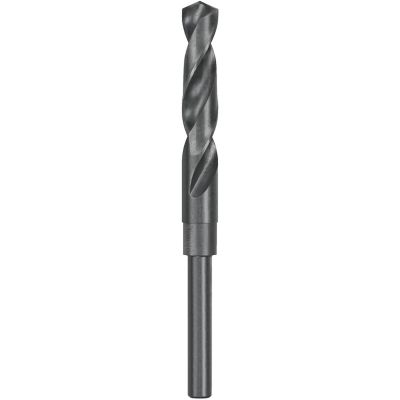
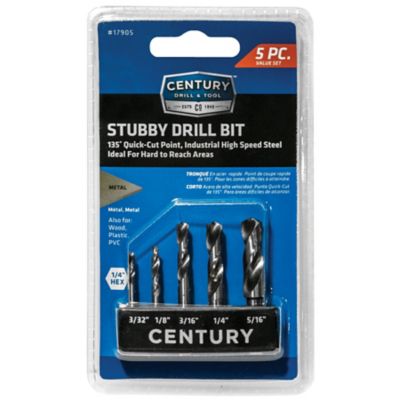
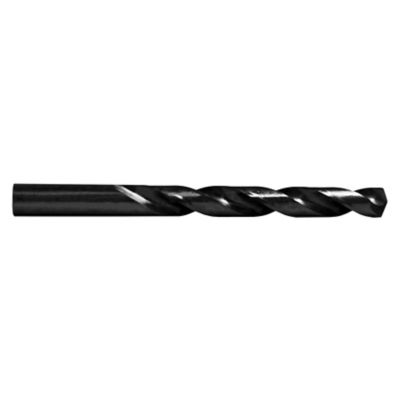
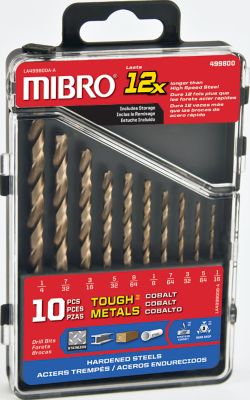
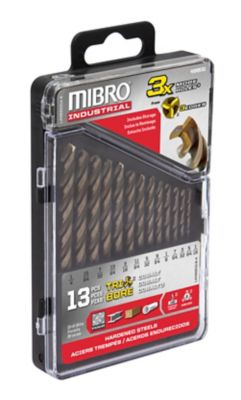
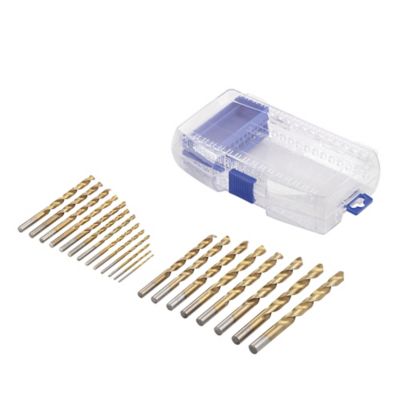
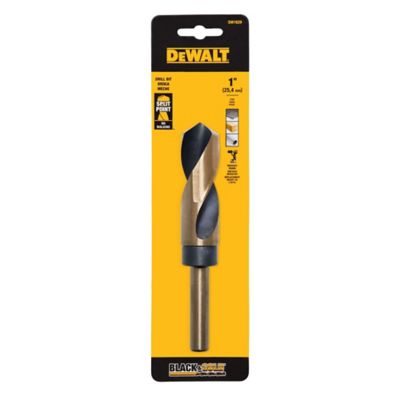
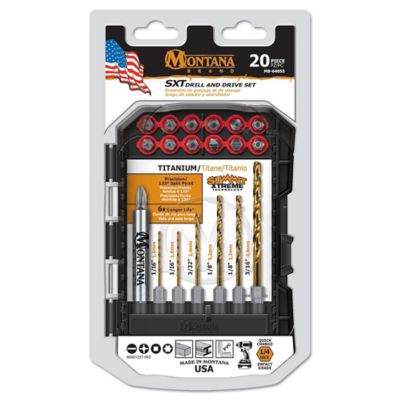
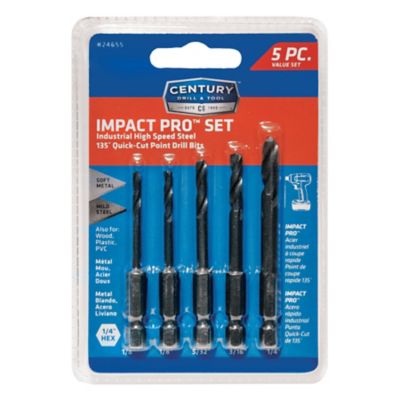
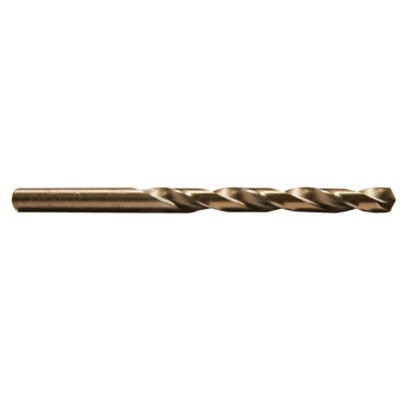
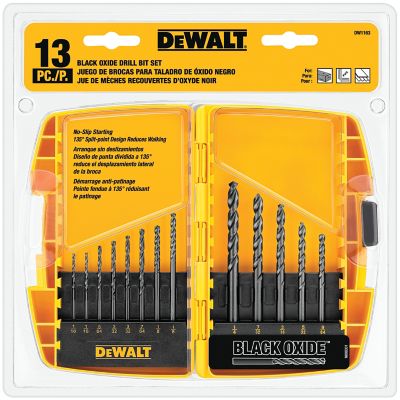
Metal drill bits are cutting tools built to bore holes through steel, aluminum, iron, brass and other metals, with the bit material and cutting geometry matched to the job. Around a farm, garage or maintenance shop, that can mean making bolt holes in a gate bracket, fitting a latch to a steel toolbox or drilling aluminum angle for a storage rack. Unlike a wood bit with a pointed spur or a masonry bit with a chisel-like tip, a metal-cutting twist bit typically has cutting lips at the point and spiral flutes that carry chips out of the hole. High-speed steel, often labeled HSS, is a common choice for general-purpose drilling in aluminum, mild steel and other machinable metals. Cobalt drill bits are made from high-speed steel alloyed with cobalt, which helps the cutting edge retain hardness under the heat generated by tougher drilling jobs. M35 cobalt steel contains about 5 percent cobalt, while M42 contains about 8 percent; both are associated with demanding applications, including stainless steel, when the bit’s specifications support that work. Titanium-coated drill bits generally have a high-speed steel core beneath a hard surface coating, such as titanium nitride, that can reduce friction and wear. That coating is not the same as solid titanium, and sharpening removes it from the cutting edges. Black oxide is another common finish that offers some corrosion protection and helps hold lubricant on the surface. No single material or finish makes a bit right for every metal. The hardness of the workpiece, the thickness being drilled and the amount of drilling all matter. A few holes in thin aluminum place different demands on a cutting edge than repeated holes through stainless mounting plates. For folks repairing equipment, building shop fixtures or keeping fence hardware in working order, those differences make metal drill bits worth choosing by application rather than appearance alone. Material compatibility listed by the bit maker is a better starting point than color, since similar-looking finishes can have different properties.
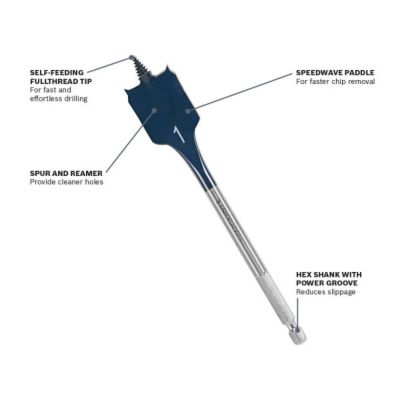
Fit starts with the hole size, but it also includes the connection between the drill bit and the tool. Fractional-inch sizes cover many everyday fastening jobs, while numbered, lettered and metric sizes serve applications with more particular dimensions. A clearance hole for a bolt needs a different diameter than a hole that will receive tapped threads, so the fastener or tap specification should determine the size. Round shanks fit conventional three-jaw drill chucks within the chuck’s stated capacity. Hex shanks can fit compatible quick-change holders, though a hex shape alone does not mean a bit is rated for an impact driver. Reduced-shank bits allow certain larger cutting diameters to fit smaller chucks, but the drill still needs enough power and control for the task. Bit length matters, too: a shorter bit generally offers greater rigidity, while an extended-length bit reaches recessed locations at the cost of more flex. Standard jobber-length bits provide a practical middle ground for many shop tasks. Point design influences how the bit starts and cuts. A 118-degree point is common on general-purpose bits, while a 135-degree split point is often found on bits intended for metal and can help reduce wandering at the start. Neither angle alone guarantees suitability for a particular alloy. Step drill bits offer several hole diameters on one tapered body and are especially useful for sheet metal, provided the sheet thickness stays within the bit’s rated step depth. They suit work such as openings in thin panels and enlarging existing holes without changing bits for every size. Traditional twist bits are a better match for many deeper holes through bar, angle and plate. A drill press offers steady alignment for repeat work, while a handheld drill brings access to hardware that cannot easily reach the bench. For projects that also involve wood or plastic,
Universal Drill Bits provide another category to consider, with each bit’s stated material compatibility still guiding the choice.
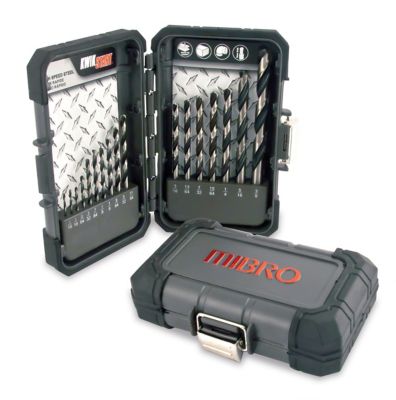
The working life of a metal drill bit depends as much on the setup as on the steel inside it. A firmly clamped bracket, a supported workpiece and a straight approach help protect the cutting edges from side loads and sudden binding. Thin sheet deserves particular care because it can catch as the bit breaks through; holding it by hand leaves little control if it starts to spin. A center-punch mark can help locate a hole where the metal and surface finish allow it, and a backing piece can support the exit side. Cutting speed should follow the bit maker’s recommendations for the metal and bit diameter rather than one setting for every job. Larger diameters generally need lower rotational speeds, and stainless steel calls for controlled speed with steady feed so the cutting edge cuts instead of rubbing and work-hardening the surface. A suitable cutting lubricant can reduce friction and help manage heat, although lubricant needs vary by metal and operation. Chips need room to leave the flutes, especially in deeper holes, where packed material can increase heat and strain. Eye protection matters around flying chips, and loose clothing, jewelry and gloves should stay clear of rotating drill parts. Once the tool has stopped, a brush offers a safer way to clear sharp shavings than bare fingers. Between jobs, wiping bits clean and storing them dry in labeled slots helps prevent rust, protects the points from knocking together and makes the next size easier to find. A dull edge that needs extra pressure, leaves ragged holes or repeatedly overheats deserves inspection rather than more force. Some twist bits can be resharpened with the right equipment and geometry, while chipped or bent bits may need replacement. For a ranch hand maintaining hinges, a mechanic fitting a mounting bracket or a home shop builder assembling a workbench frame, a thoughtfully chosen range of sizes keeps common jobs moving. A well-organized drill bit set can also make a practical gift for someone setting up a shop, particularly when its sizes and materials match the projects that regularly land on the bench.