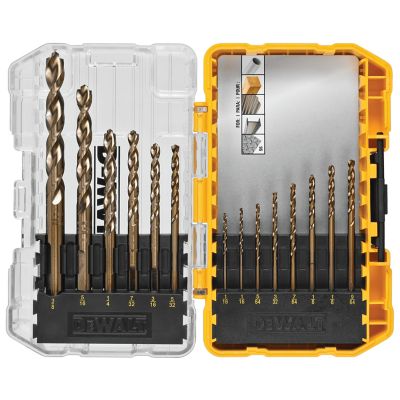
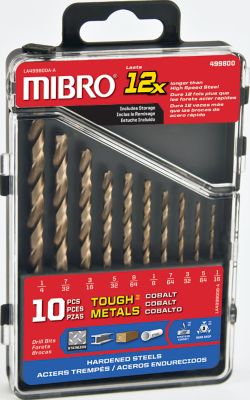
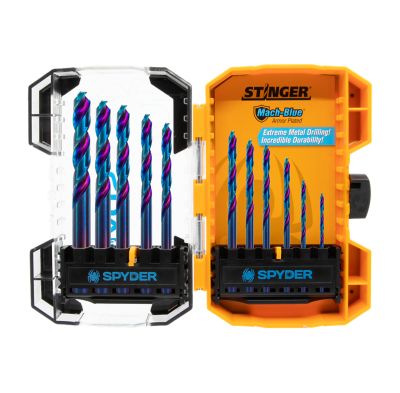
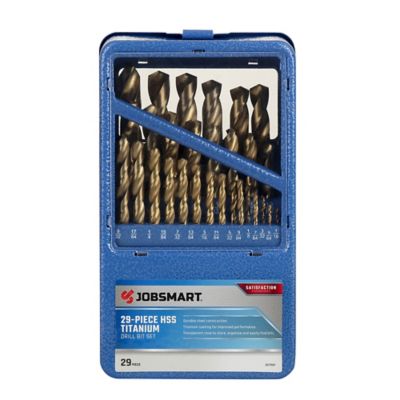
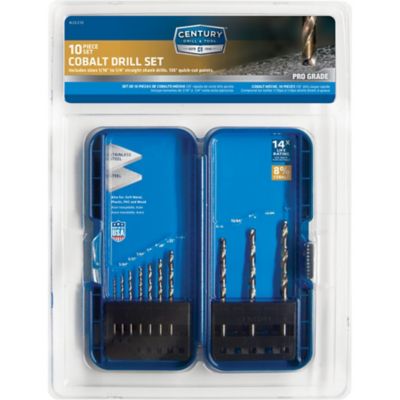
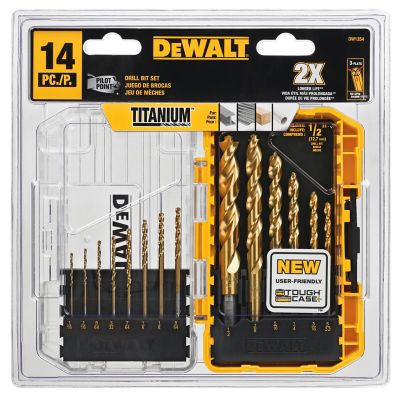
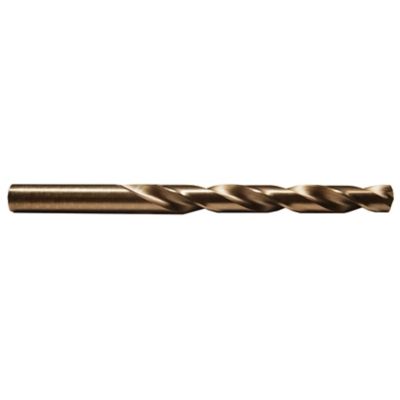
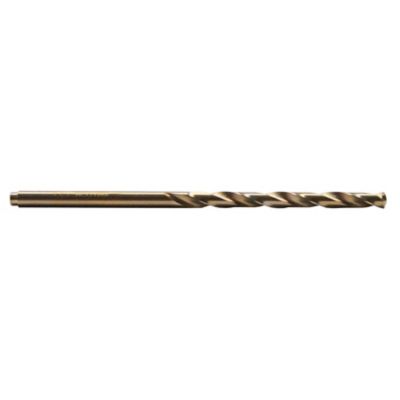
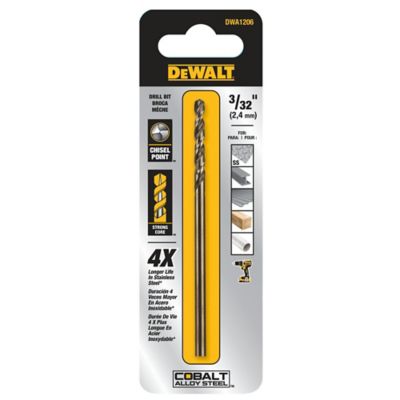
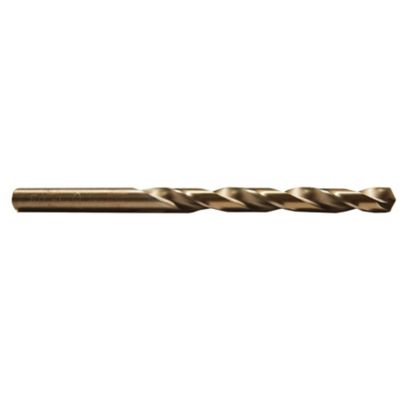
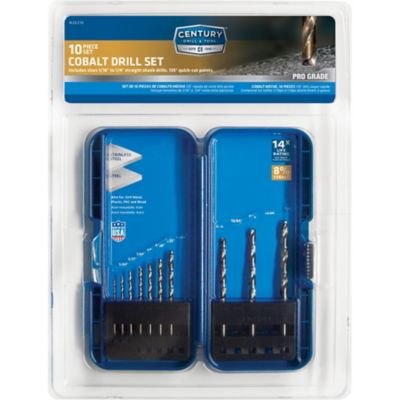
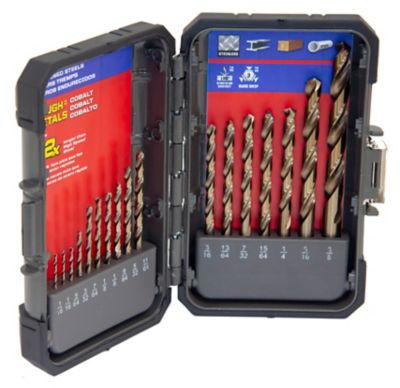
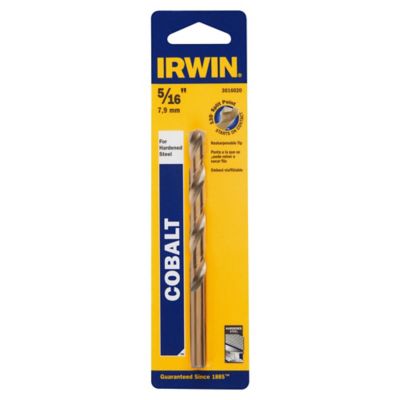
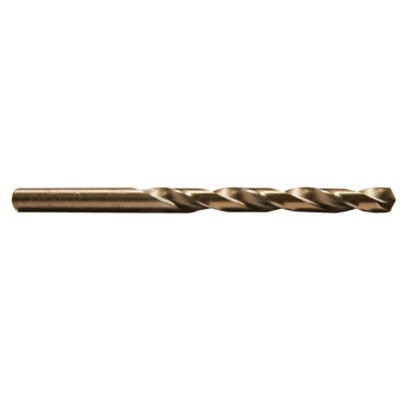
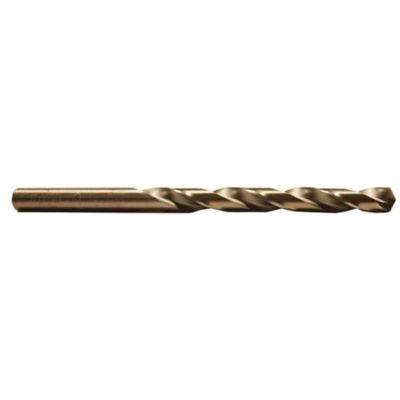
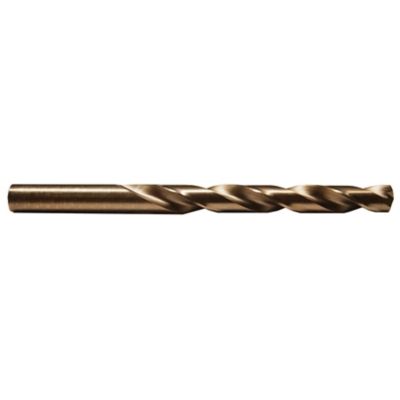
Hard steel drill bits belong in shops where metalwork goes beyond soft sheet metal and into tough brackets, alloy steel parts, machinery repairs and fabrication jobs. A hole for a mounting bolt may look simple on paper, but the steel’s hardness, thickness and heat treatment can make a big difference in how a bit cuts. Hard steel and hardened steel are not interchangeable descriptions: a tough structural part may still be machinable with a cobalt drill bit, while a fully hardened component can call for carbide and a much more rigid setup. That distinction matters when working on equipment mounts, steel fixtures or replacement parts that need holes without damaged edges or broken tooling. Cobalt high-speed steel drill bits are a common choice for demanding metal drilling because their alloy helps the cutting edge hold its hardness at elevated cutting temperatures. M35 cobalt steel contains about 5% cobalt, while M42 contains about 8%; those percentages describe the bit material, not a surface coating. Cobalt bits can suit many tough alloy steels, but they are not a blanket answer for every heat-treated part. Solid carbide drill bits offer greater hardness and wear resistance for suitable hardened steels, though their resistance to bending and side loads is lower than that of high-speed steel. They perform best with firm workholding, minimal spindle runout and equipment capable of maintaining a straight, controlled feed. Carbide-tipped drill bits combine a steel body with carbide cutting edges, but the tip geometry must be intended for metal; a masonry bit is not a substitute. For softer steels and everyday metal fabrication,
High Speed Steel Drill Bits For Metal provides a related category to consider alongside cobalt and carbide options. The useful match is the bit material and geometry suited to the steel, rather than simply the hardest bit available. Farmers, mechanics, welders and shop owners all encounter jobs where making that match helps keep a straightforward repair from turning into a pile of damaged bits.
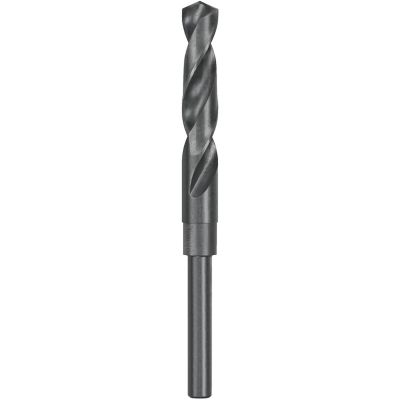
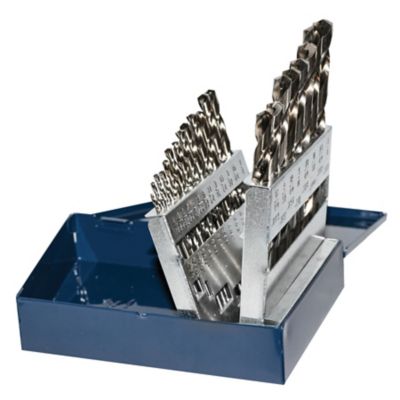
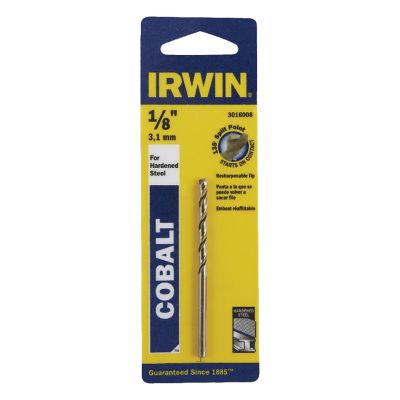
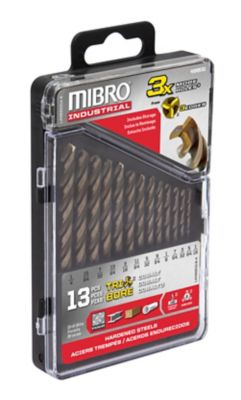
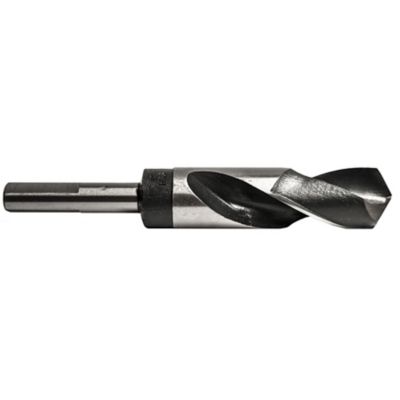
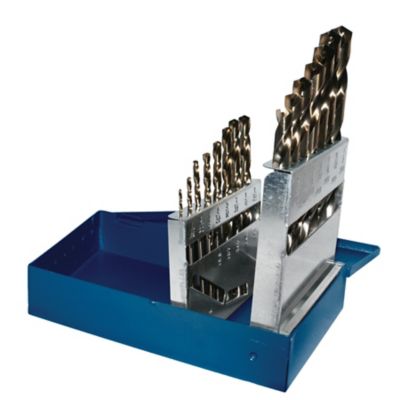
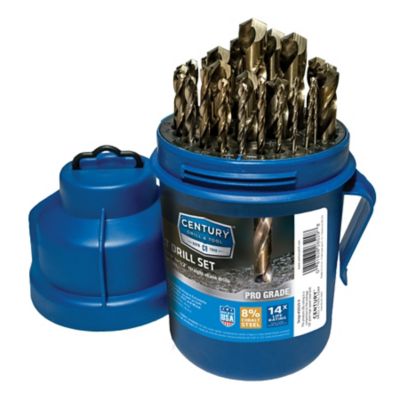
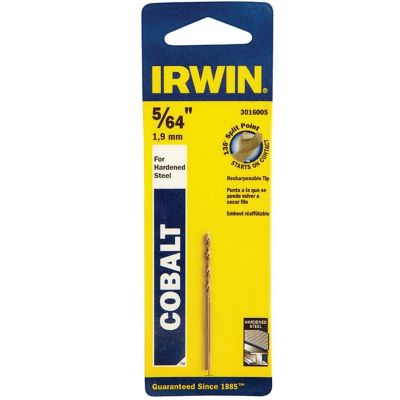
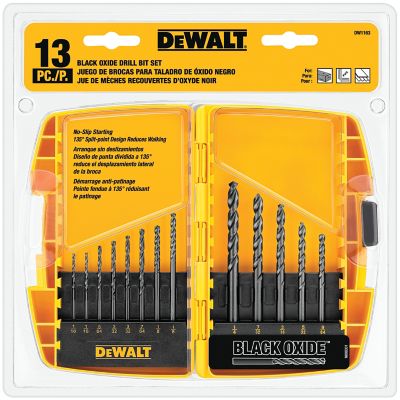
Fit involves more than picking a diameter close to the bolt size. The finished hole may need clearance for a fastener, a specified diameter before tapping threads or a close fit for a pin, and those jobs do not all call for the same bit. Fractional-inch, number, letter and metric sizes serve different shop needs, so the drawing, fastener specification or tap chart is a better reference than a quick eyeball estimate. Shank diameter also needs to match the drill chuck’s capacity. A reduced shank can allow a larger cutting diameter to fit a smaller chuck, but it does not increase the machine’s power, rigidity or safe operating capacity. Round shanks are common for metal drilling, while flats or other drive features may help limit slipping when the chuck and bit are compatible. Working length matters just as much: a shorter bit generally offers more stiffness for shallow holes, while a longer bit adds reach for recessed locations or thicker material. Extra length can also increase deflection, especially when drilling tough steel with a handheld tool. Flute length must allow enough room for the hole depth and chip movement without bringing the shank into the cut. Point shape affects how a bit starts and how cutting force reaches the workpiece. Split-point designs can reduce wandering and the thrust needed to begin a hole, and 135-degree points are common among bits intended for tougher metals. Point angle alone, however, does not establish whether a bit can handle a particular hardened steel. Surface treatments and coatings can help manage friction or wear in certain applications, but they do not turn an ordinary high-speed steel core into solid carbide. For a shop that handles several repair jobs, a range of sizes supports different fasteners and thread preparation. Individual replacement bits make sense when one diameter sees repeated work, such as matching mounting holes across several steel brackets.
The drill and the workholding deserve as much attention as the cutting edge. A handheld drill may be practical for suitable cobalt bits and accessible steel parts, but hard material, larger diameters and deeper holes place greater demands on alignment and control. Solid carbide typically calls for a rigid machine setup; a drill press is appropriate only when its spindle condition, workholding and speed range meet the bit’s requirements. A loose chuck or a part that shifts under load can chip a carbide edge before much cutting takes place. That is especially important with broken fasteners or irregular surfaces, where an off-center start can load one side of the bit. Steel grade and hardness information help narrow the choices, and the bit maker’s application limits should govern work on fully hardened parts. Cutting speed depends on bit material, diameter, steel hardness and the machine, so there is no single low-speed setting that fits every job. Larger bits generally require fewer revolutions per minute than smaller bits at the same cutting speed. A suitable cutting fluid can reduce friction, carry away heat and support chip movement when the bit and application call for it. Firm, controlled feed helps the edges cut rather than rub, while excessive pressure can damage the bit or overload the equipment. Pilot-hole needs also vary by drill design; carbide tooling in particular should follow its specified starting requirements. Secure clamping keeps the work from spinning, and eye protection helps guard against sharp chips. Gloves, loose sleeves and loose jewelry should stay clear of rotating equipment. Between jobs, clean chips and residue from the bits, dry them and store them where cutting edges cannot knock together. A fitted case or indexed holder keeps sizes easy to find and helps protect fine points. Inspect edges for chipping or rounding before tackling another hard-steel hole, and have suitable bits sharpened to their original geometry when practical. With the right material match, sound machine fit and careful storage, hard steel drill bits earn their place beside the taps, punches and other tools that keep farm equipment and shop projects moving.