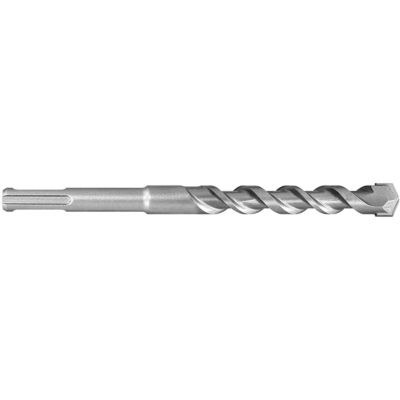
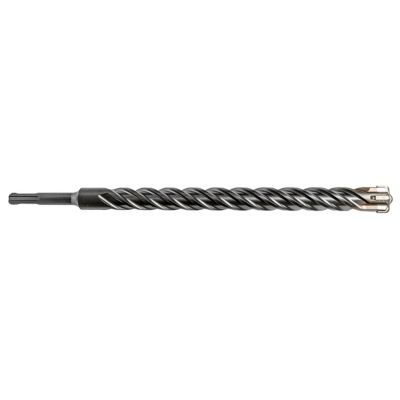
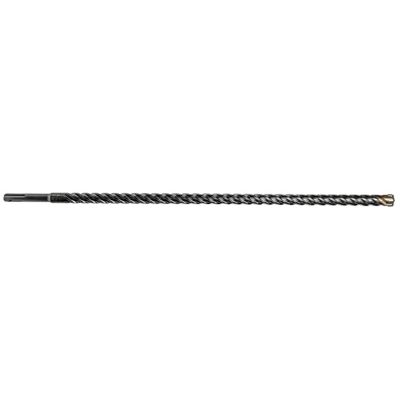
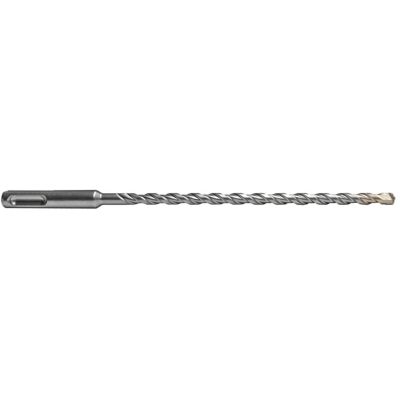
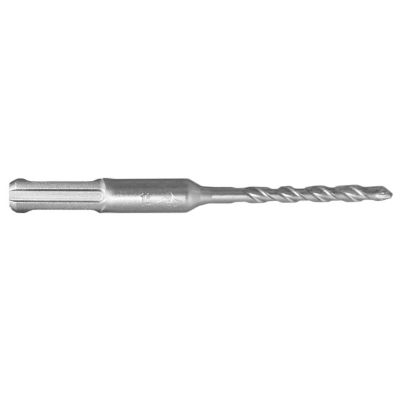
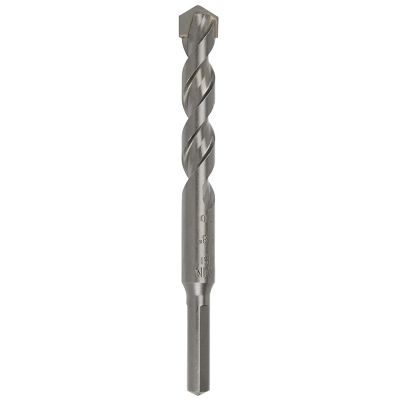
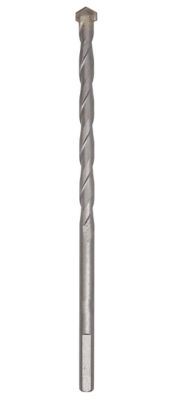
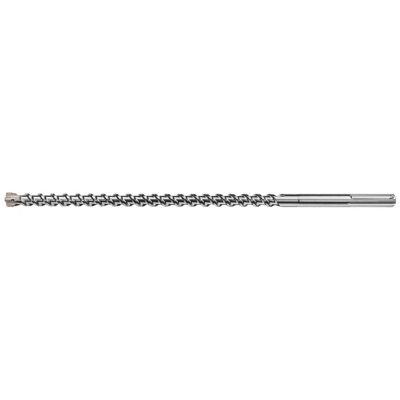
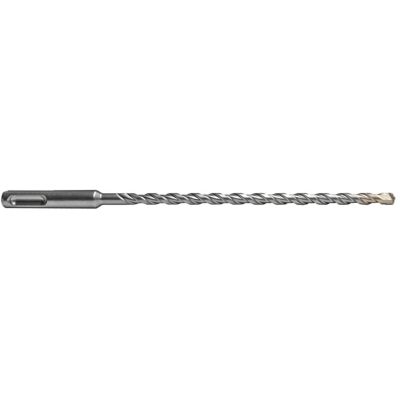
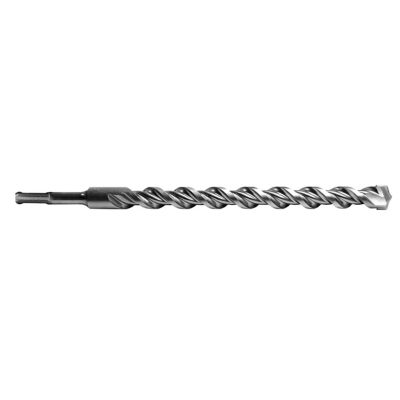
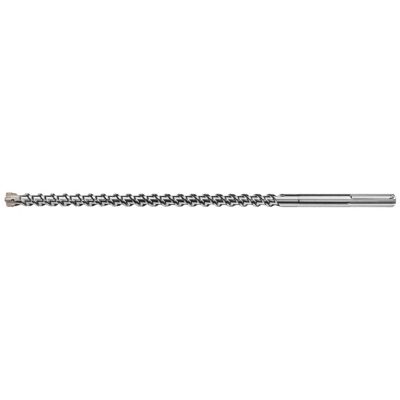
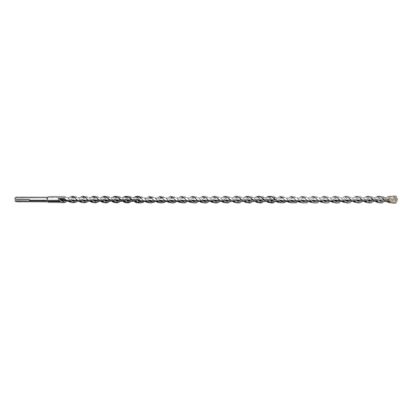
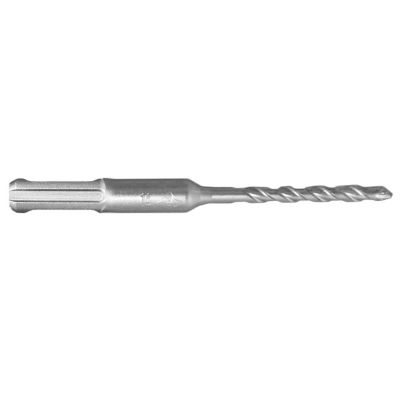
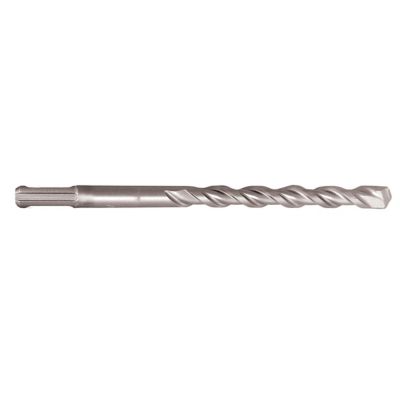
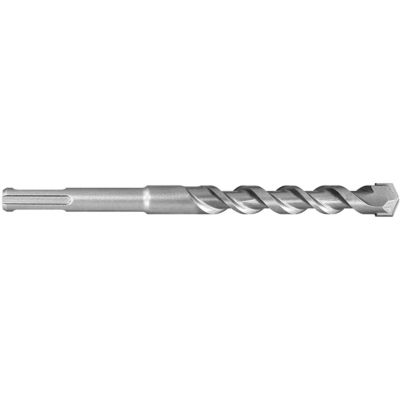
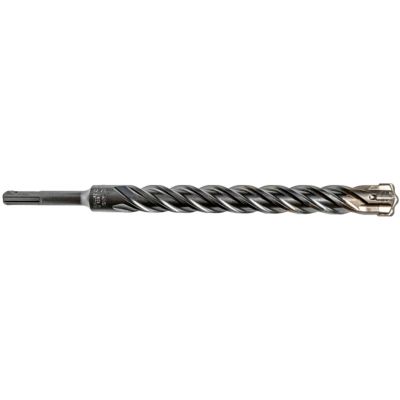
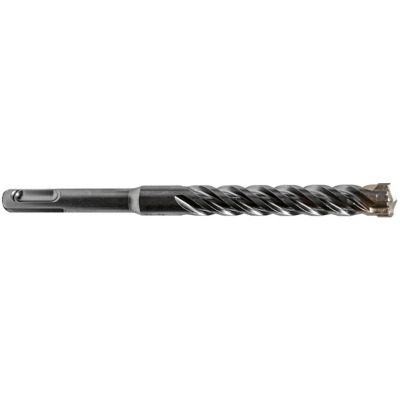
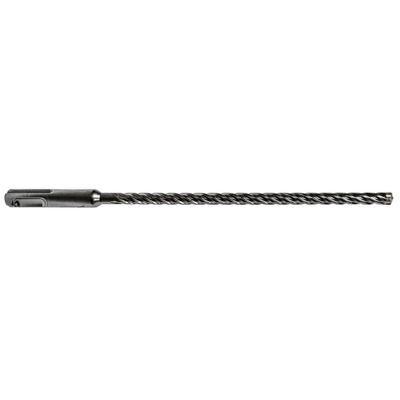
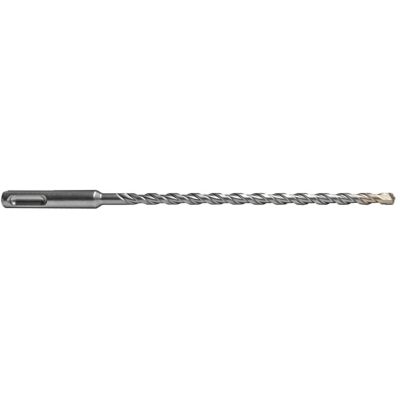
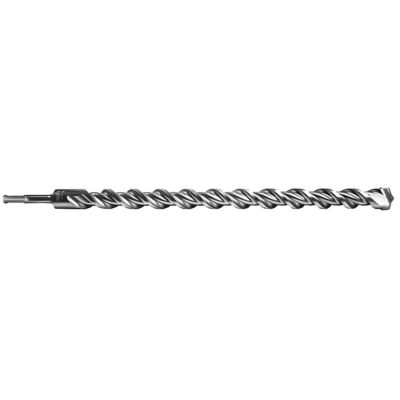
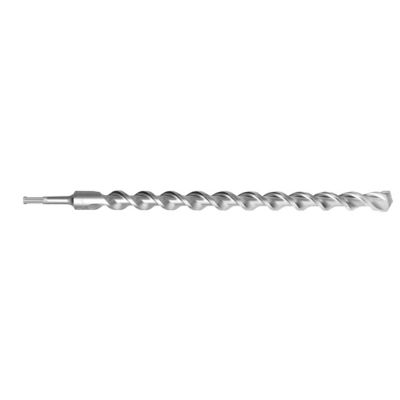
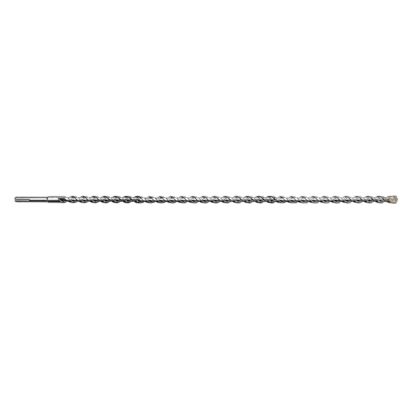
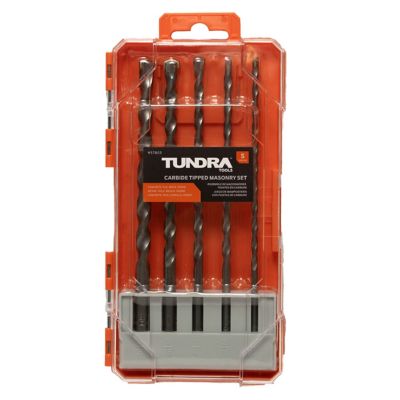
Rotary hammer drill bits are made for the tough stuff that can stop an ordinary drill in its tracks, including poured concrete, concrete block, brick, mortar, stone and masonry. Unlike a standard twist bit, a rotary hammer bit is built to work with both spinning and hammering action. That pounding motion helps break up hard material while the flutes carry dust and chips out of the hole. Many masonry bits use a carbide tip for durability and improved cutting performance, especially when drilling anchor holes, mounting hardware or running fasteners through concrete. They are useful for a wide range of jobs around a farm, home, shop or worksite, from setting fence posts and attaching gates to securing shelving, conduit, brackets, handrails and equipment supports. A rotary hammer bit can also come in handy when repairing a barn foundation, installing a livestock waterer, fastening lumber to a slab or making room for masonry anchors during a renovation. The right bit can make a noticeable difference in how smoothly the work goes. A dull or mismatched bit may wander across the surface, drill slowly, overheat or leave a rough, oversized hole. A properly matched bit starts cleanly, breaks through dense material more steadily and helps create a hole that holds an anchor securely. Keep in mind that these bits are designed for masonry rather than wood or metal. For general-purpose drilling in softer materials, take a look at
Round Shank Drill Bits, which are made for compatible chucks and different types of everyday drilling.
Fit is one of the first things to check before adding rotary hammer drill bits to your tool box. The bit shank must match the chuck on your rotary hammer, and two common systems are SDS-Plus and SDS-Max. SDS-Plus bits generally use a smaller shank with two open grooves and are commonly paired with light- to medium-duty rotary hammers. They are a practical choice for smaller holes used with anchors, screws, electrical work and general repairs, often in diameters up to about 1 inch, depending on the tool and bit. SDS-Max bits use a larger shank with locking grooves and are intended for heavier rotary hammers, larger holes and demanding drilling or demolition work. They are often selected for bigger anchor holes, thick concrete, heavy construction and jobs where the tool will be working hard for long stretches. Always compare the shank style and size with the specifications for your hammer before ordering, since a bit that does not fit the chuck cannot be used safely. Next, consider the hole diameter and depth. Measure the anchor, sleeve or fastener you plan to install, and choose a bit that matches the manufacturer’s recommended hole size rather than simply using the closest bit in the drawer. A longer bit may be needed for deep holes, but extra length can be awkward in tight spaces, so use the shortest bit that reaches the required depth when possible. Bit shape matters, too. Standard carbide-tipped designs are suitable for many concrete, block and brick projects, while more robust carbide construction can be helpful when drilling dense concrete or working around occasional rebar. Drilling through reinforced concrete puts added strain on the bit and hammer, so stop if the bit binds, inspect the hole and use a bit rated for the material and work at hand. For brick and block, lighter pressure often gives better results than leaning your full weight into the tool, which can chip the surface or damage softer masonry.
A little preparation helps rotary hammer drill bits last longer and keeps the job safer. Mark the hole location clearly, check for hidden wiring or plumbing, and make sure the work area is clear of loose items before starting. Wear safety glasses or a face shield to protect against flying chips, along with hearing protection because hammering tools are loud. Concrete and masonry dust can be hard on your lungs, so use suitable respiratory protection and dust control when conditions call for it. Hold the hammer firmly with both hands, keep your footing steady and let the tool’s hammer action do the work instead of forcing the bit. If the bit begins to bind, release the trigger and let everything come to a complete stop before trying to pull it free. Clear dust from a deep hole occasionally so the bit does not pack up, and give the bit time to cool if it becomes hot during extended drilling. Never touch the tip immediately after use; carbide and steel can stay hot longer than they look. Inspect bits before and after a project for chipped carbide, bent shanks, worn grooves or unusual damage, and replace a bit that no longer cuts cleanly. Keeping several useful sizes on hand saves a trip to town when a repair turns into a bigger job, and a set can be a handy gift for a homeowner, maintenance worker, contractor, farmer or do-it-yourselfer who spends weekends improving a shop, outbuilding or house. Store the bits dry and together, preferably in a case or organizer that keeps the cutting ends from knocking against other tools. With the correct shank, diameter, length and carbide construction, rotary hammer drill bits give you a dependable way to drill clean, useful holes in the hard surfaces that show up in everyday work, whether you are finishing a project during the cooler months or handling repairs whenever the job calls.