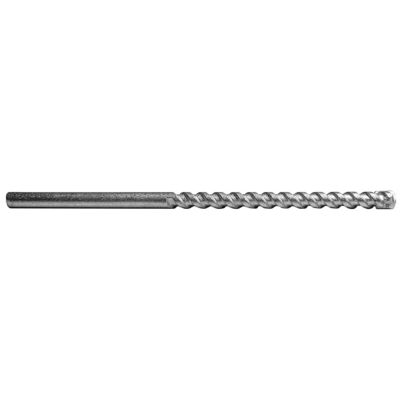
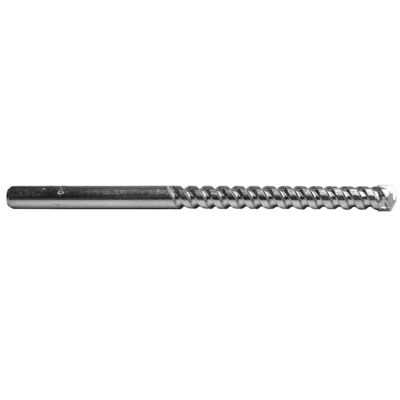
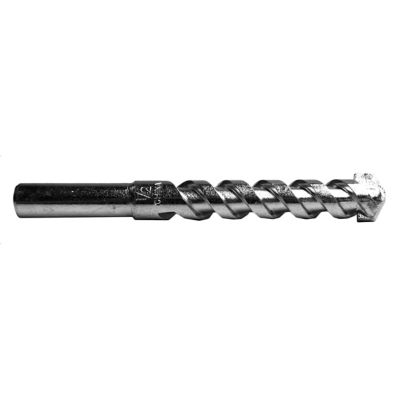
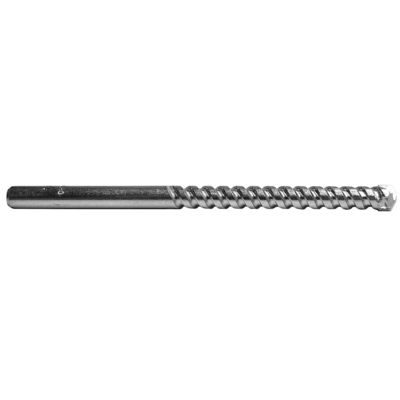
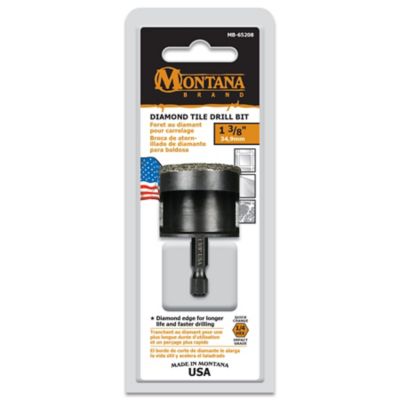
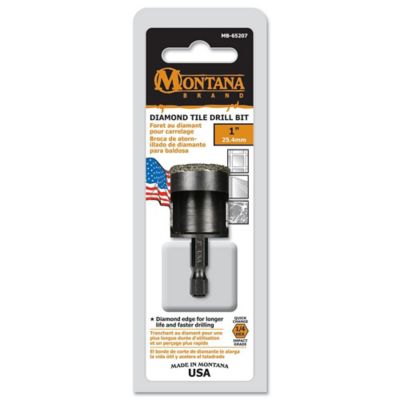
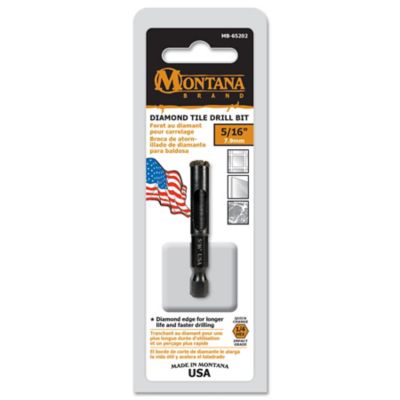
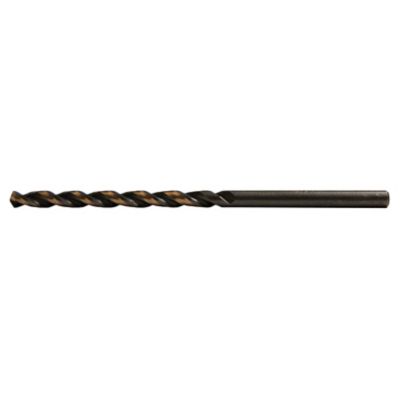
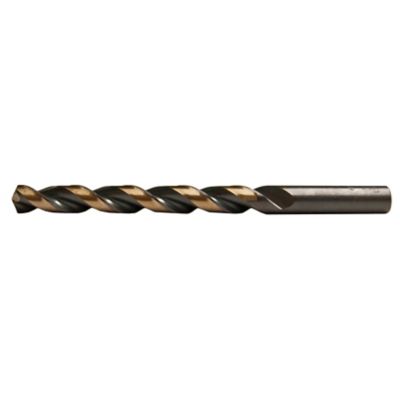
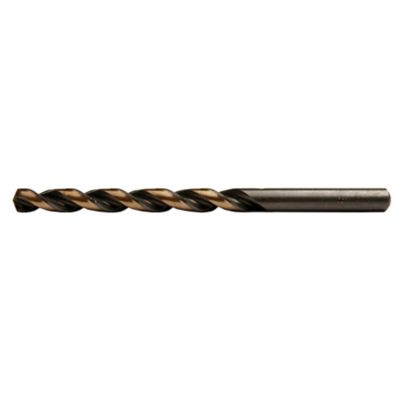
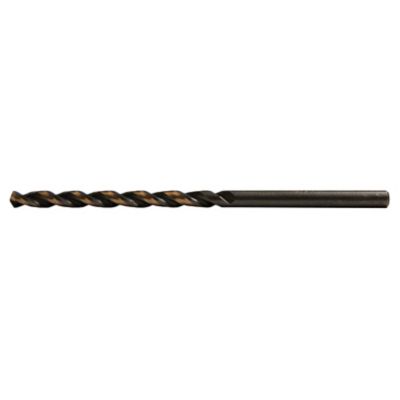
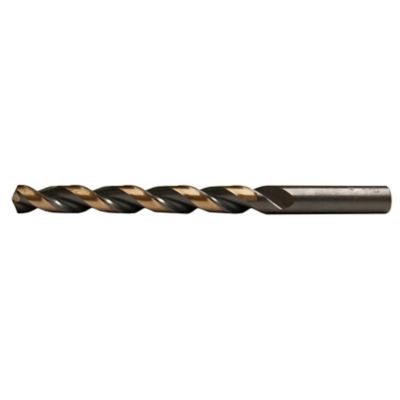
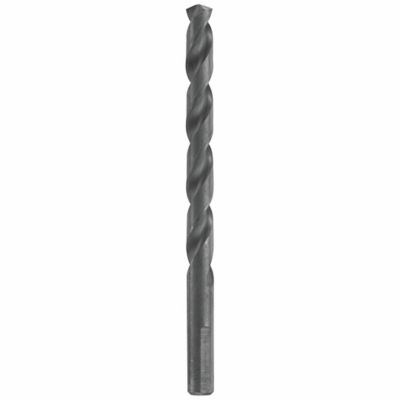
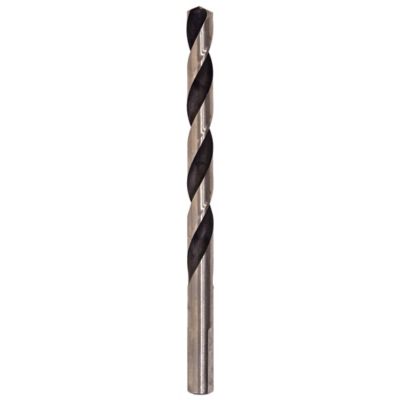
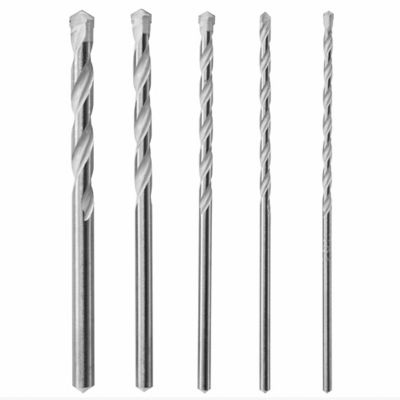
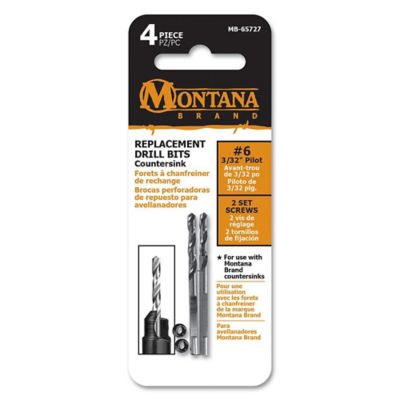
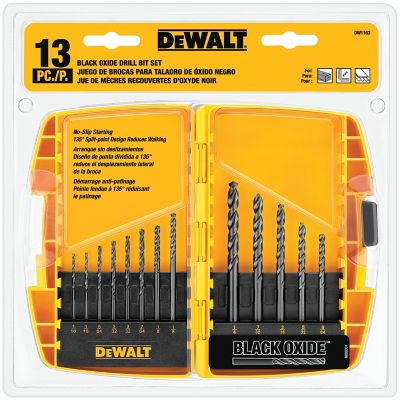
Drill bits for cordless drills need to match the material being drilled and the size and type of shank the drill’s chuck can hold. That match matters whether the job is a pilot hole in a fence rail, an opening through a steel bracket, or a clean hole in a plywood panel. Cordless drills handle a broad range of everyday repairs, but the bit’s cutting edges, point shape, and base material determine what it can tackle. High-speed steel twist bits suit many common jobs in wood, plastic, and metal when their stated applications match the workpiece. Cobalt-alloy steel bits are often intended for tougher metals, including stainless steel, while carbide-tipped masonry bits are built for materials such as brick and concrete. Coatings can help reduce friction or wear, but a coating alone does not make a bit suitable for every surface. Woodworking brings its own considerations: a brad-point bit helps keep an entry hole centered, a spade bit opens larger holes for rough carpentry, and an auger bit draws itself into timber with a threaded tip. That self-feeding action can put a substantial load on a cordless drill, especially in thick lumber. For sheet metal, step bits offer several hole sizes on one stepped body, with material thickness limited by the depth of each step. A clean hole for a hinge screw is a different job from a passage for wiring, so the intended hole size and finish matter just as much as the material. Plastic also needs a bit and operating speed suited to its type and thickness; excess heat can soften the edge of a hole. Around a shop, barn, or equipment shed, matching the cutting tool to the task helps keep a small repair from becoming extra work.
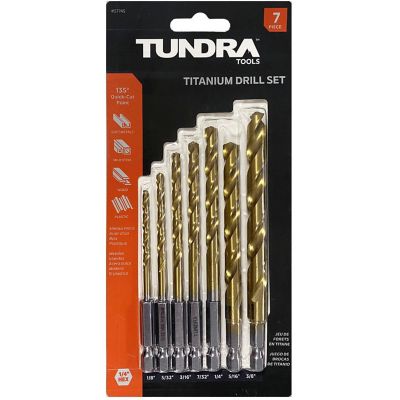
Chuck capacity refers to the shank the drill can grip, not necessarily the diameter of the hole a bit can make. Many cordless drills have a 3/8-inch or 1/2-inch chuck, though the tool’s specifications establish its actual clamping range. A reduced-shank bit may cut a hole wider than its shank, but it still needs a drill with enough power and control for that workload. Round shanks are common on twist bits, while shanks with flats give chuck jaws additional gripping surfaces. Hex shanks are another option, and many fit an adjustable three-jaw drill chuck when their dimensions fall within its capacity. The distinction matters when comparing standard drill bits with
Drill Bits For Impact Drivers, since a hex shank by itself does not establish an impact rating. Impact-driver compatibility depends on the bit’s rating and its fit with the tool’s holder. A cordless hammer drill is different again: its hammer setting provides blows along the drilling direction for suitable masonry work, rather than the rotational impacts of an impact driver. Concrete applications may call for hammer action, while some other hard surfaces require drilling without it, making the bit and tool instructions important. Beyond fit, working length deserves a look. A longer bit can reach through thicker stock or into a recessed area, but unnecessary length adds flex and makes it harder to hold a steady line. Shorter bits generally offer better control where access allows. Fractional sizes cover many household and farm repairs, while certain hardware calls for metric, letter, or numbered sizes. Pilot holes, clearance holes, and holes prepared for threading serve different purposes, even when they look close in size. Clearly marked dimensions help distinguish them, especially when a repair involves matching an existing fastener rather than making a new connection from scratch.
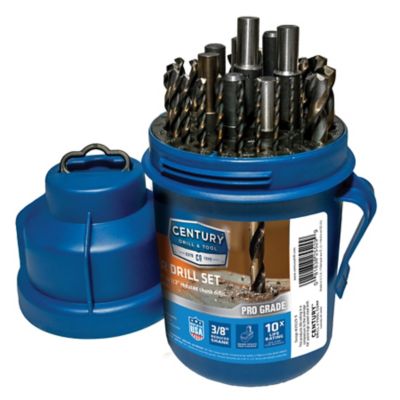
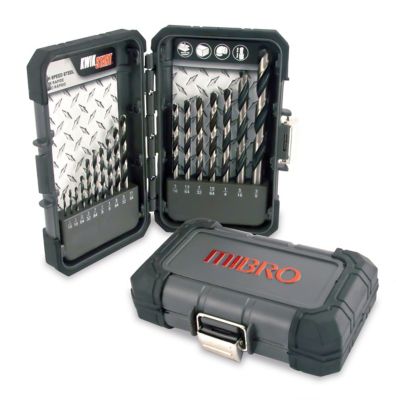
How a bit holds up depends on its construction, the material it cuts, and the way the drill is operated. A sharp cutting edge removes material with less strain than a dull one, while a bent shank or chipped point can lead to wobble, rough holes, and extra effort. Larger bits generally call for lower speeds, though the suitable speed also depends on the workpiece and the bit maker’s directions. Metal drilling may benefit from an appropriate cutting lubricant; that does not mean the same lubricant belongs on wood, plastic, or masonry. Flutes need room to carry chips out of the hole, particularly in deep lumber or thicker metal. Packed chips and excessive pressure can build heat instead of helping the bit cut. A firmly clamped workpiece, eye protection, and a clear drilling path are part of sensible shop work, and auxiliary handles matter when the drill manufacturer calls for them. Between jobs, removing debris and storing bits dry helps protect the cutting surfaces. Cases with separate slots keep sizes organized and reduce contact between sharp edges, while legible size markings save time at the bench. Loose bits rattling around with wrenches and fasteners are harder to sort and more likely to suffer damage. A general-purpose assortment can suit homeowners handling cabinet hinges, gate hardware, and everyday repairs, while a more focused selection fits someone who regularly works with lumber, metal brackets, or masonry anchors. Several bits in a frequently needed size may be more practical than a wide assortment that rarely leaves its case. For a gift, compatibility with the recipient’s drill and the materials they work on is more useful than sheer piece count. Whether the work happens at a garage bench or beside a feed-room door, well-matched drill bits help a cordless drill earn its place in the toolbox.