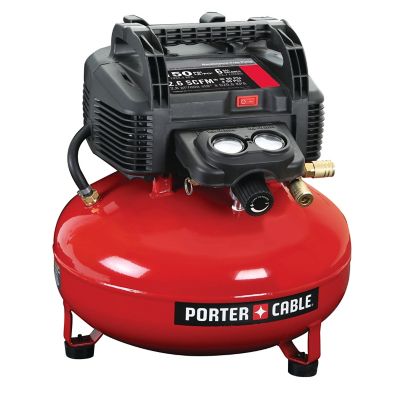
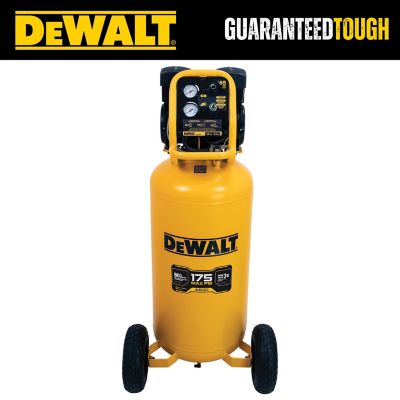
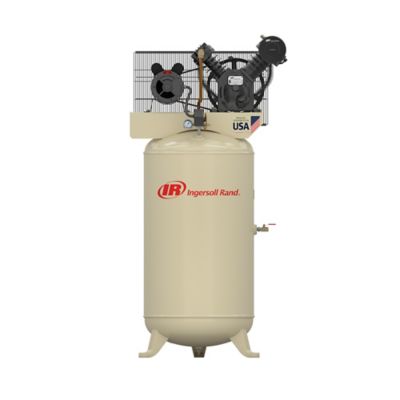
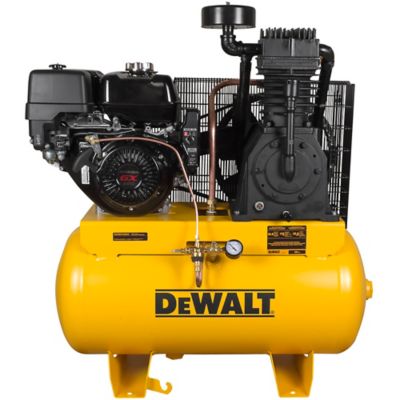
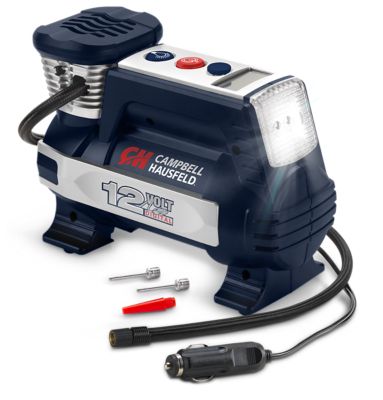
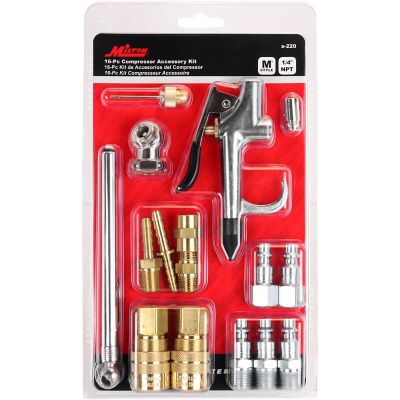
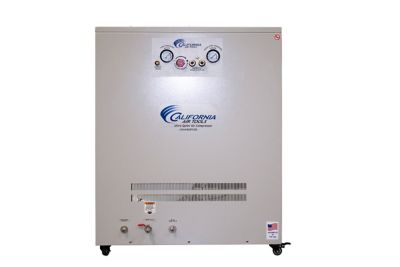
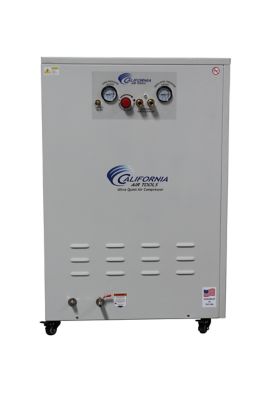
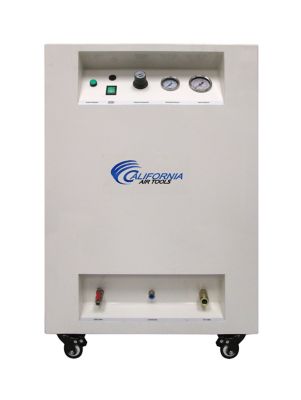
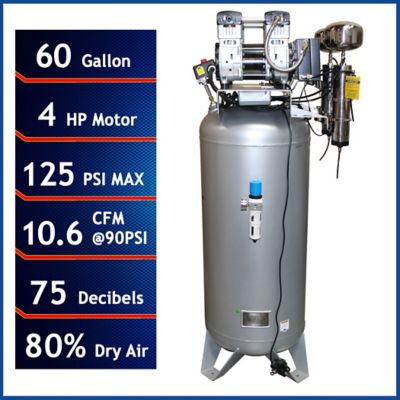
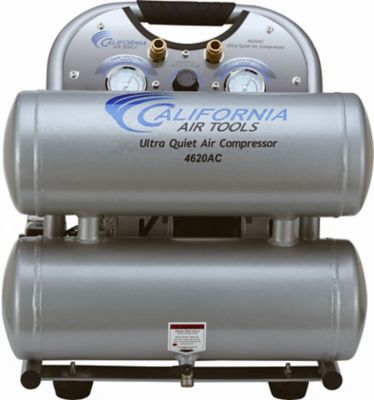
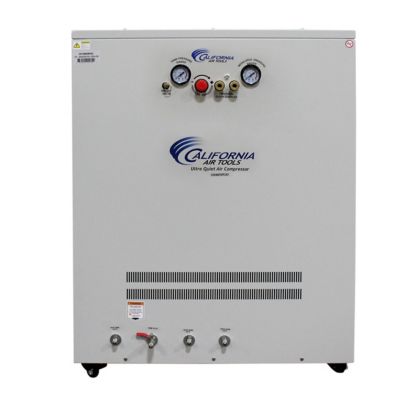
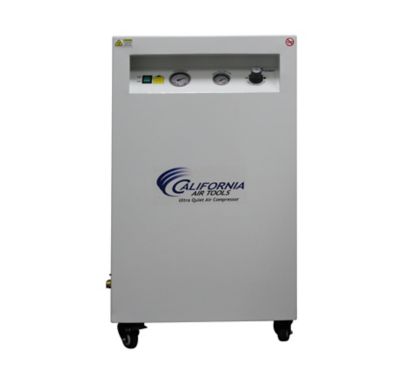
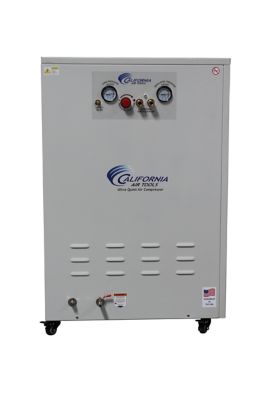
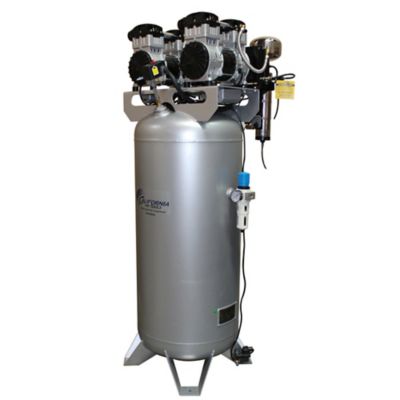
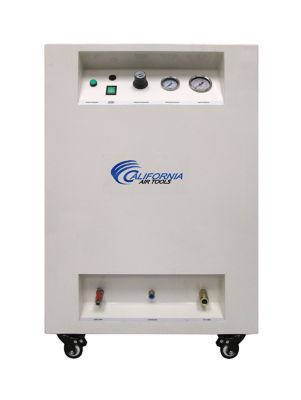
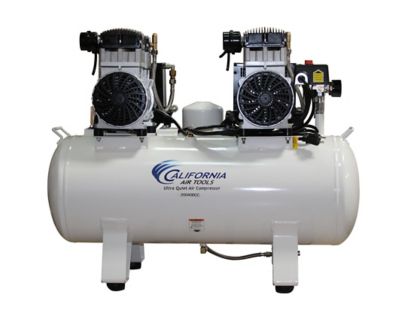
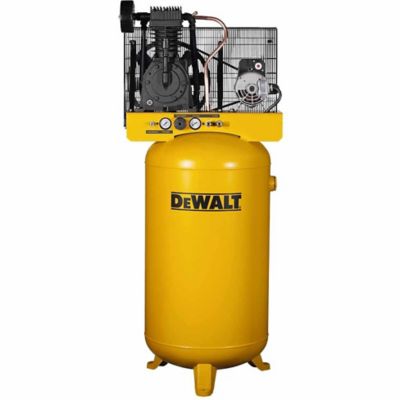
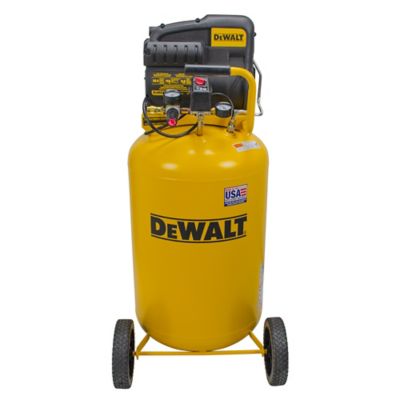
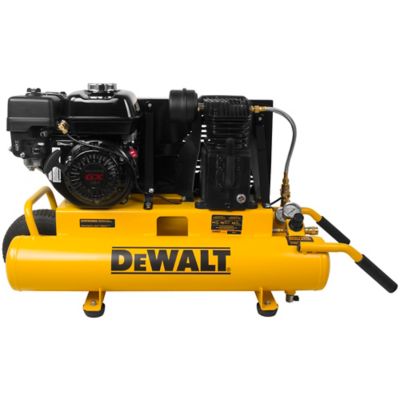
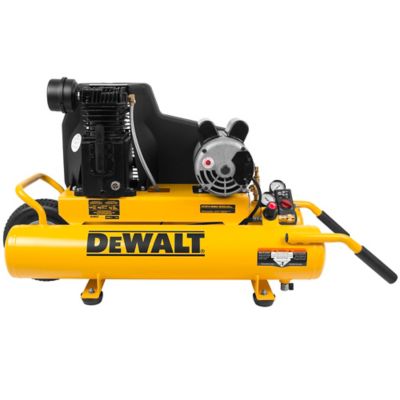
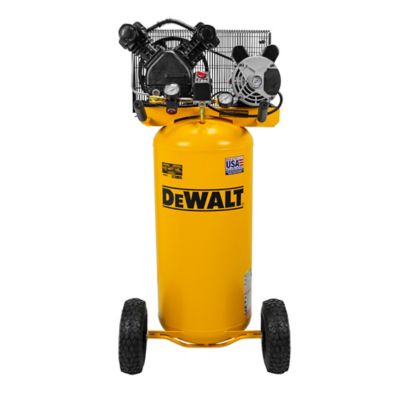
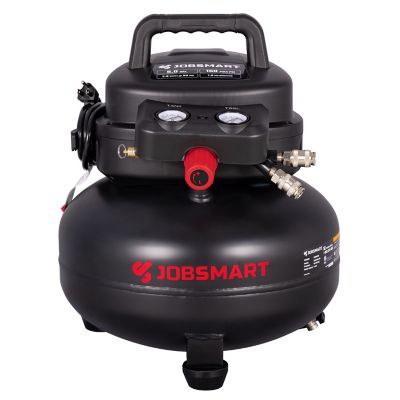
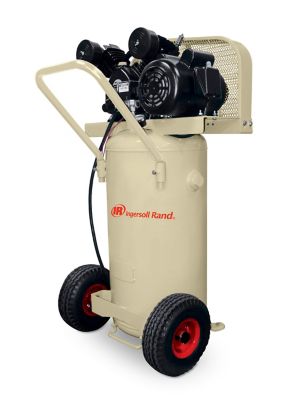
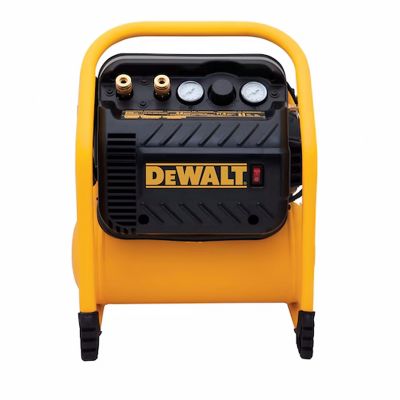
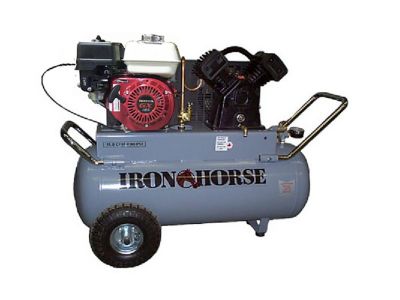
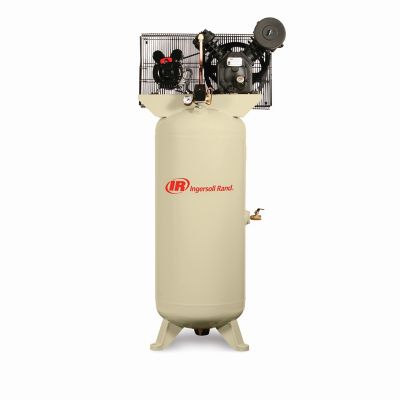
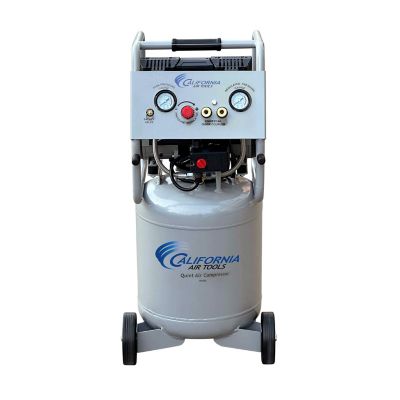
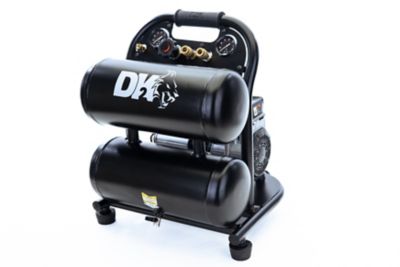
Reliable air compressors bring steady, useful power to the garage, barn, workshop, driveway and jobsite. Instead of relying on hand tools or stopping to recharge batteries, you can use compressed air for jobs such as inflating tractor and truck tires, topping off wheelbarrow tires, cleaning sawdust from a workbench, running nailers and staplers, spraying finish, powering impact wrenches and blowing debris from hard-to-reach spots. A dependable compressor can be especially handy during the warmer part of the year, when equipment gets more use outdoors, and during the cooler months, when you may be catching up on shop projects, repairs and maintenance indoors. Homeowners, farmers, ranchers, mechanics, contractors, woodworkers and serious DIYers all have different air needs, so the right choice starts with the work you expect to do. A small portable unit may be a good fit for inflating tires, air mattresses, sports equipment and bicycle tires, while a larger compressor can keep up with air-hungry tools and longer work sessions. Portable models are easier to carry around the property or load into a truck, while stationary compressors make sense for a dedicated garage, shop or outbuilding with a convenient power supply. If you are comparing options, our guide to a
Good Air Compressor can help explain the features that matter most. Think about where the compressor will live, how far it needs to travel and whether you have a level, dry spot with enough room for ventilation and routine service. A unit that is easy to reach, drain and connect is more likely to get used when a flat tire or small repair comes up.
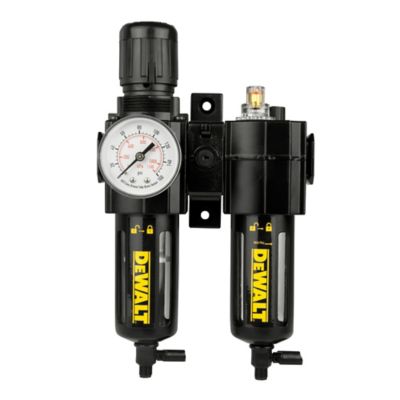
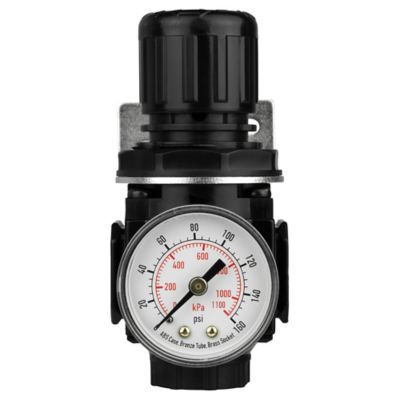
When matching a compressor to your tools, pay close attention to airflow rather than looking only at tank size. Standard cubic feet per minute, commonly shown as SCFM, tells you how much air a compressor can deliver at a stated pressure. Compare that rating with the tool’s required SCFM, and leave some breathing room so the motor is not running nonstop just to keep up. Nailers and staplers generally use short bursts of air and may work well with a smaller tank, while impact wrenches, grinders, sanders and paint sprayers can demand a steadier supply. A larger tank stores more compressed air and can reduce how often the motor cycles during brief tasks, but tank capacity alone does not make a compressor suitable for continuous-use tools. Check the compressor’s delivered airflow, maximum PSI, duty cycle and recovery time, and consider whether your electrical service can handle the motor. A lower-RPM motor may run with less vibration, heat and noise, which can be helpful when the compressor is used often or placed near a home or workspace. Oil-lubricated pumps are commonly favored for demanding shop work because oil helps reduce friction and carry heat away from internal parts. Many heavy-duty designs use cast-iron pump components and belt-driven systems for long-running applications, though they require regular oil checks and changes. Oil-free compressors can be lighter and simpler for occasional use, and they are convenient when you want less routine maintenance, but they may run hotter or louder depending on the design. Noise matters more than many shoppers expect; a quieter compressor is easier to live with in an attached garage, basement workshop or small shed. Look for practical details such as rubber feet, sturdy wheels, a comfortable handle, accessible drain valve, clear pressure gauges and a regulator that lets you set the air pressure for the tool at hand. A hose and fitting setup that matches your tools also helps prevent leaks and frustrating interruptions.
Reliable performance depends on care as much as construction. Place the compressor on a stable surface with room around the motor and pump for airflow, and keep it away from rain, standing water, excessive dust and loose hay or shavings that could collect around the intake. Drain moisture from the tank as recommended, especially when the machine is used in humid conditions or stored in an unheated building. Water naturally collects as air is compressed, and leaving it in the tank can contribute to internal corrosion over time. Check the air filter, fittings, hoses and power cord regularly, and listen for unusual knocking, excessive vibration or air leaks. A small leak at a coupler can make the compressor run far more often than it should, while a cracked hose can be a safety concern. Follow the manufacturer’s instructions for oil type, oil level, break-in procedures and service intervals, and never exceed the pressure rating of the compressor, hose or connected tool. Keep hands, clothing and debris away from moving belts and pulleys, and wear eye protection when blowing dust or using pneumatic tools. Air compressors can also make thoughtful gifts for a new homeowner, hobby mechanic, woodworker, farmer or anyone setting up a first workshop. They are useful for everyday chores, from inflating a livestock trailer tire before heading down the road to cleaning dirt from a mower deck or fastening boards during a weekend project. Choosing a model based on the recipient’s tools, available space and power supply is more helpful than simply choosing the biggest tank. With the right airflow, a suitable duty cycle and a little regular upkeep, a dependable compressor can become one of those shop tools that earns its place year after year.