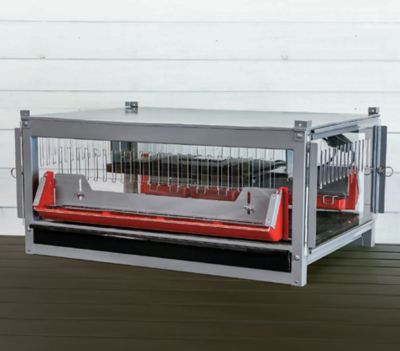
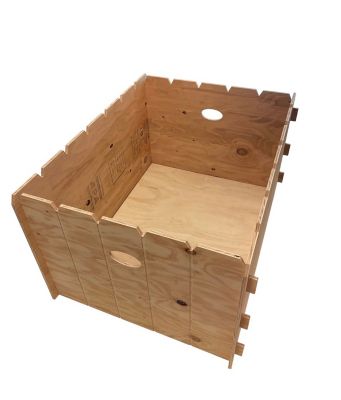
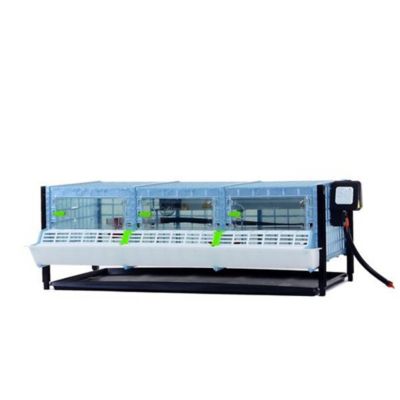
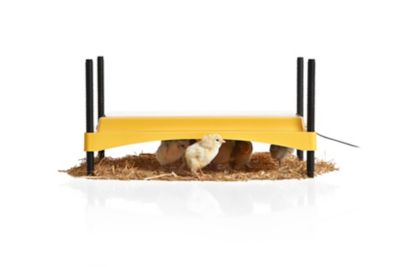
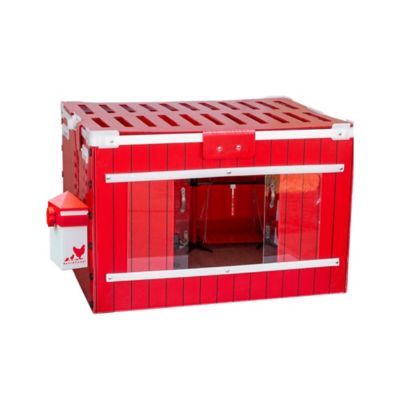
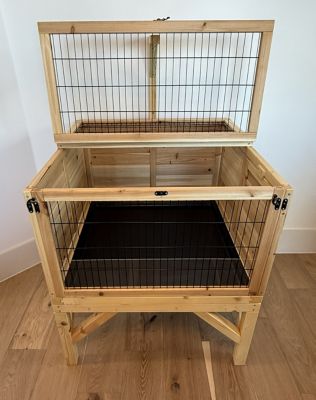
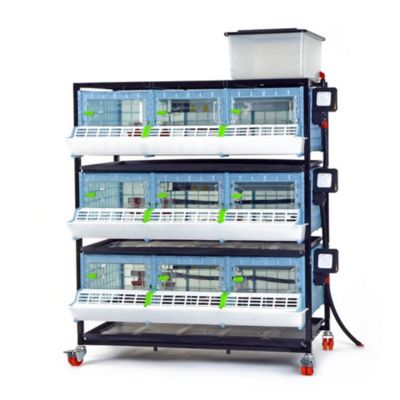
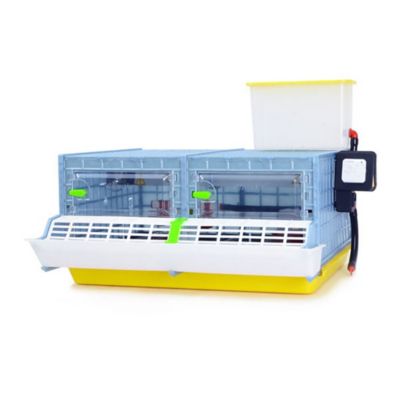
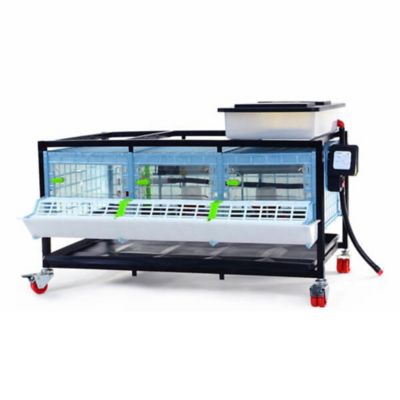
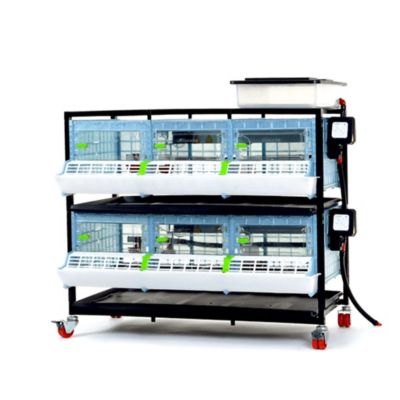
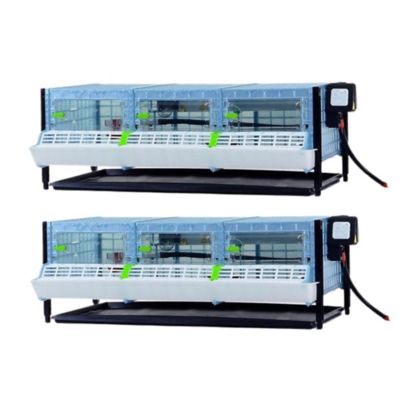
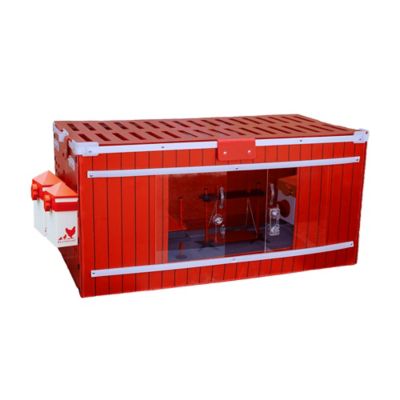
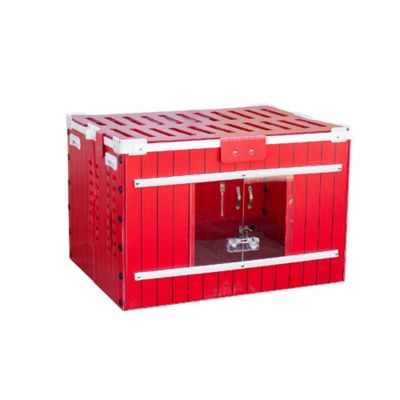
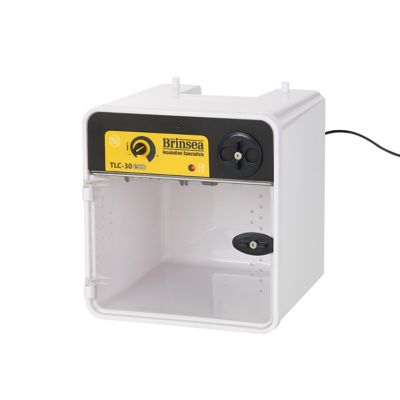
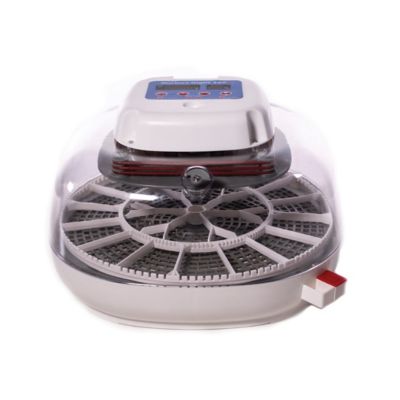
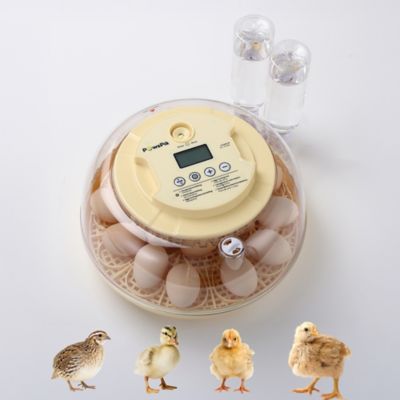
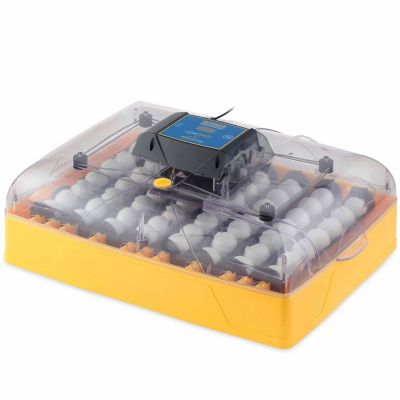
Quail brooders give newly hatched quail chicks a warm, sheltered place to get their footing before they move to a grow-out pen or outdoor enclosure. During the first three to four weeks, chicks need steady heat, clean bedding, fresh water and protection from drafts, pets and other farm activity. A good brooder keeps those daily jobs simple while giving the chicks room to move between the warm area and a cooler edge. When comparing quail brooders, consider how many chicks you plan to raise, how much floor space they will need as they grow and where the setup will live. A brooder should sit in a dry, well-ventilated area away from direct wind, heavy dust and sudden temperature swings. It also needs a secure top. Quail chicks are tiny, but they can jump and flutter surprisingly well within their first couple of weeks, and an open box can turn into an escape route before you know it. Look for a design with a well-fitted, ventilated mesh lid or another secure enclosure that allows airflow without leaving gaps around the edges. Smooth, easy-to-clean surfaces are helpful when bedding becomes damp or feed gets scattered, while removable panels or trays can make routine cleanup less of a chore. If you are raising a small hatch for the backyard, a compact brooder may be all you need. Larger batches, repeat hatches or a small farm operation may call for a roomier or modular setup that can be expanded, divided or used for more than one age group.
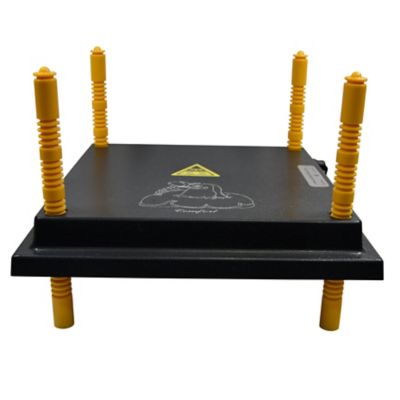
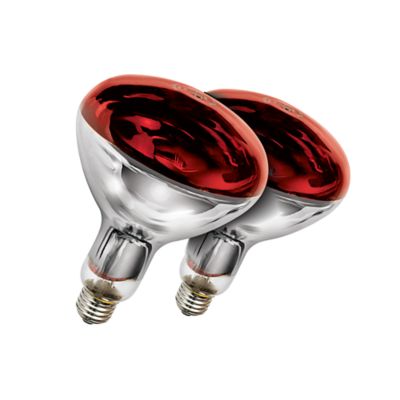
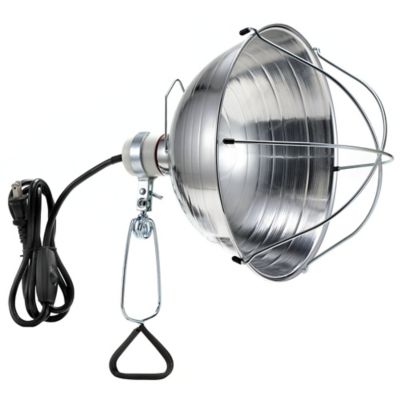
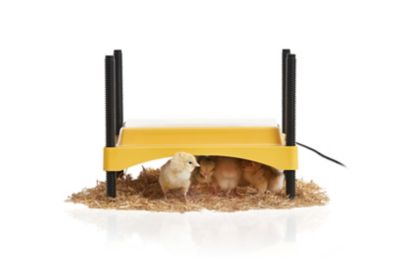
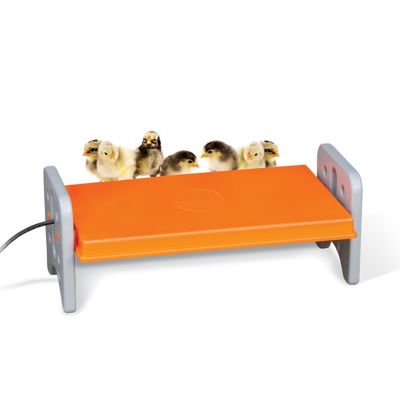
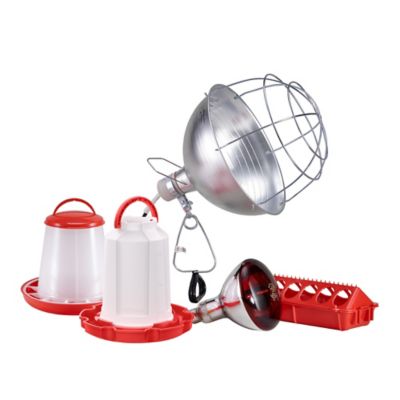
Heat is the heart of a quail brooder, and dependable temperature control matters more than a fancy appearance. Newly hatched chicks generally need an area of about 95 degrees Fahrenheit directly beneath the heat source during their first week. The target can be lowered by roughly 5 degrees each week as the chicks feather out and become better able to regulate their body temperature. A brooder thermometer placed at chick level helps you check the actual environment instead of guessing from the room temperature. Watch the birds, too. Chicks packed tightly under the heat may be cold, while chicks spread far away from it or panting may be too warm. Healthy chicks usually move around, peep softly and settle in loose groups across the brooder. Choose a heat source that can be mounted or positioned safely, with cords kept away from water, bedding and curious beaks. Heat lamps and other warming equipment should be secured so they cannot tip into the enclosure, and combustible materials should be kept at a safe distance. A brooder cover must allow ventilation while preventing chicks from reaching hot equipment. Good flooring is another important consideration. For the first 24 to 72 hours, paper towels or a non-slip shelf liner can help tiny feet stay steady while chicks learn to walk. Slick newspaper or smooth cardboard can contribute to splayed legs. After the chicks are moving confidently, absorbent bedding such as pine shavings, chopped straw or suitable stall pellets can help manage moisture and odor. Avoid dusty or moldy bedding, and remove wet spots promptly, especially around waterers. Fresh air matters, but a draft blowing across the floor can chill chicks quickly during the cooler months.
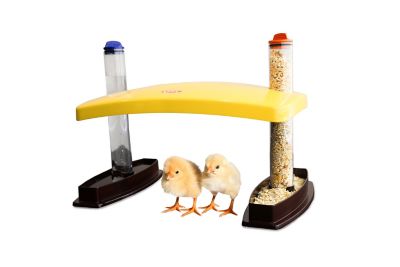
Food and water arrangements should fit the small size and quick movements of quail chicks. A shallow, stable waterer is a safer choice than a deep dish, and clean pebbles or marbles can be used in an appropriate water container to reduce the chance of drowning. Water should be checked often because chicks kick bedding and feed into it with remarkable efficiency. Keep feed dry and close to the warm area, but not directly under the heat source. Quail chicks typically need a high-protein game bird starter crumble, often in the range of 20% to 24% protein, to support fast early growth. Browse
Quail Feeds to help round out the rest of a chick-care setup. When choosing among quail brooders, also think about access for checking chicks, refilling feed, changing water and cleaning without creating a scramble. A secure brooder can be useful for homesteaders, backyard poultry keepers, 4-H families, small game bird breeders and anyone raising a hatch for future egg production or meat birds. It can also be a thoughtful gift for a neighbor starting a small flock, though the recipient will still need suitable feed, waterers, bedding and a safe heat source. Before bringing chicks home, make sure the brooder is assembled, warmed and tested so there are no cold corners, loose fittings or unexpected gaps. As the birds grow, reassess the space regularly; crowding can lead to damp bedding, dirty water, pecking and uneven access to heat and feed. A well-chosen brooder helps turn those first busy weeks into a calmer routine, with lively chicks scratching, peeping and feathering out in a clean, protected space.