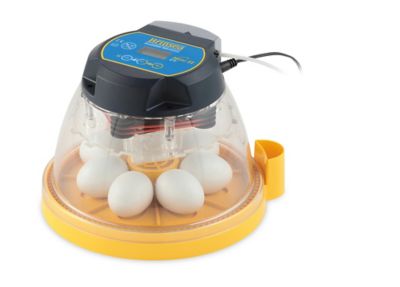
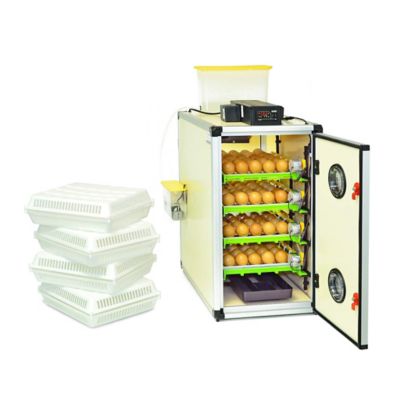
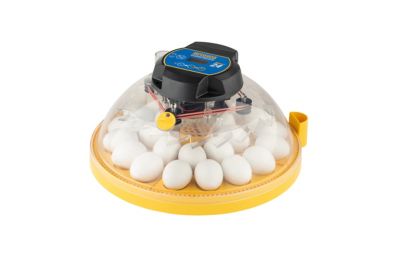
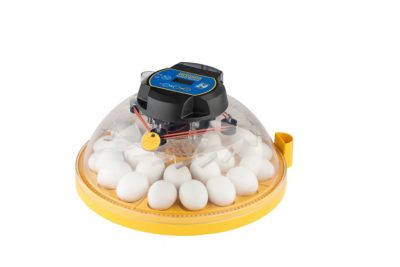
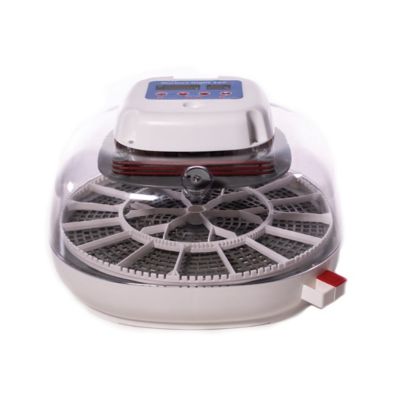
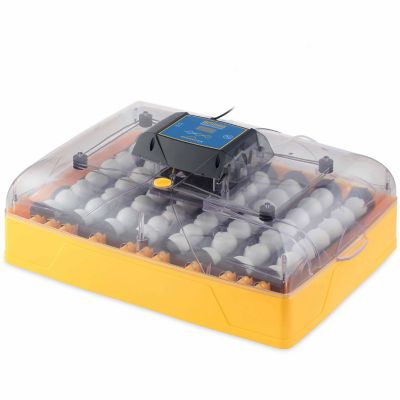
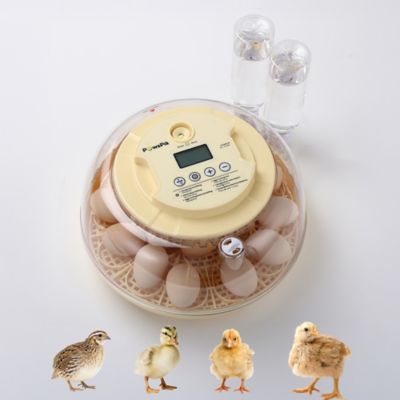
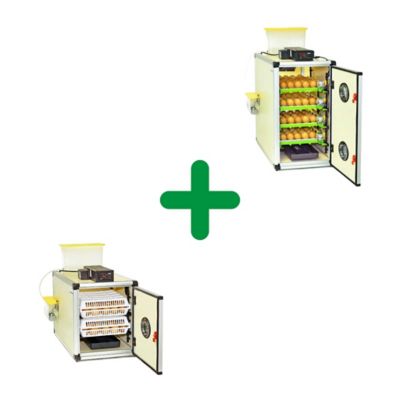
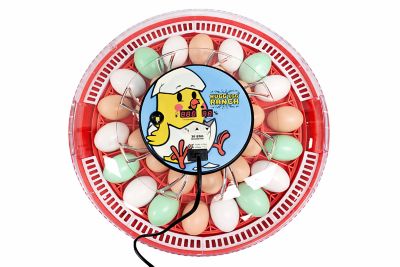
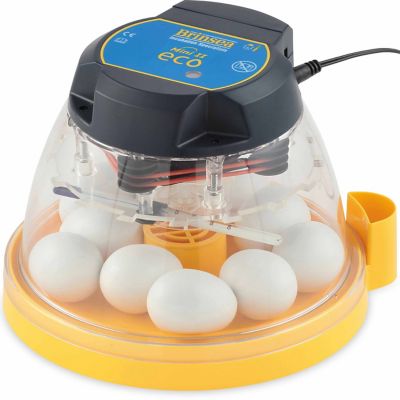
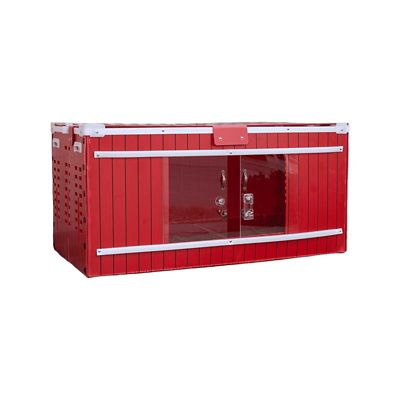
Duck egg incubators provide a controlled space for fertile duck eggs to develop, with heat, humidity, ventilation, and egg turning all playing a part in the hatch. They suit backyard flock keepers, small farms raising replacement birds, breeders managing planned pairings, and supervised farm education projects. Most domestic ducks descended from mallards hatch in about 28 days, while Muscovy eggs generally take around 35 days, so an incubator needs controls and turning settings that suit the birds being raised. Fertile eggs are essential; an incubator cannot make infertile eggs develop, and even well-managed conditions do not guarantee that every egg will hatch. Capacity is one of the first details worth comparing, especially because a machine’s stated egg count may refer to chicken eggs rather than duck eggs. Duck eggs vary in size by breed and individual bird, and their shape affects how they sit in a tray or roll across a turning surface. A smaller tabletop incubator can suit a household hatching a modest group for the backyard flock, while a larger chamber may make more sense for a farm planning several hatch groups. Usable tray dimensions, spacing between eggs, and clearance beneath the lid matter more than the biggest number on the box. Adjustable dividers or duck-compatible trays can help accommodate different shell sizes without crowding. Automatic turning reduces the need to handle each egg throughout incubation, but the turning mechanism still needs to fit the eggs properly. Rollers, tilting trays, and moving rails work differently, and compatibility should be confirmed in the equipment specifications. The overall footprint matters, too: a unit needs room for its lid to open, water reservoirs to be reached, and trays to slide out without bumping a wall or shelf. Those everyday details can make a real difference when checking eggs between feeding the flock and finishing barn chores.
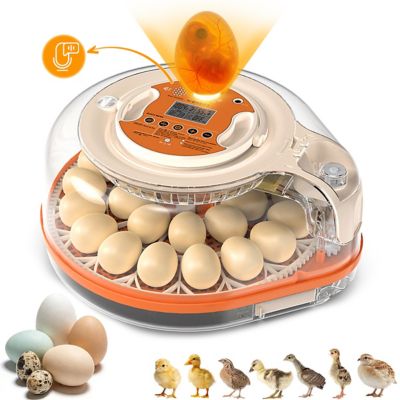
The main differences among duck egg incubators often come down to how much control they provide and how easily their settings can be checked. Forced-air designs circulate heated air with a fan, helping distribute warmth throughout the chamber, while still-air designs rely on natural air movement and require attention to the manufacturer’s directions for measurement and egg placement. A clear digital display can make heat and humidity readings easier to see, but the display alone does not tell the whole story; sensor placement, calibration provisions, and the ability to check conditions with a separate instrument are also worth considering. Humidity control ranges from water channels filled by hand to systems that manage water delivery automatically. An external fill point can make routine topping off simpler without lifting the lid, while removable reservoirs make cleaning easier after the hatch. Adjustable vents support air exchange as embryos develop, and their design should allow airflow without creating awkward gaps around the chamber. Duck eggs need suitable moisture loss during development, followed by hatching conditions appropriate to the breed and equipment, so a fixed setting should not be treated as right for every batch. Some keepers track changes with candling or egg weights rather than relying on a humidity reading alone. Built-in candling lights can help show development, although shell color, shell thickness, and the stage of incubation affect what is visible. Automatic turning programs, adjustable turning intervals, and a way to stop turning before hatch are useful distinctions when comparing controls. A separate hatching tray or a design that allows the turning equipment to be removed can provide a more suitable surface for emerging ducklings. Viewing windows let a family watch the hatch without repeatedly opening the chamber. Alarms may flag conditions outside a set range, and compatible backup-power features can offer another layer of preparation, but their capabilities vary. Clear instructions and accessible controls matter more than a long feature list that leaves everyday operation hard to follow.
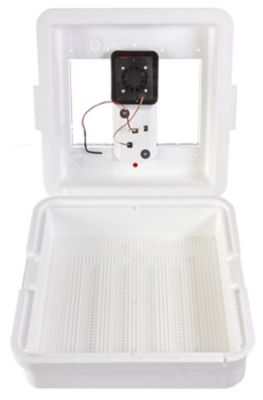
Materials and construction affect how an incubator fits into farm life, especially after shells, down, and hatch residue collect inside. Molded plastic interiors and removable trays can simplify washing, while insulated foam chambers may need gentler handling and more attention around seams and textured surfaces. Smooth corners, reachable water channels, and parts that come apart without a struggle help make cleanup less of a chore. Cleaning methods should match the manufacturer’s directions, with electrical components kept away from wash water and all washable parts allowed to dry before storage. Lid fit, hinge strength, tray support, and access to replacement parts are practical considerations for equipment expected to handle repeated hatches. A clear cover should provide a useful view while still closing securely, and a stable base helps keep the chamber from shifting when water is added or the controls are adjusted. A level indoor work surface, a suitable power connection, and space away from splashes and curious pets give the equipment a sensible place in the household or farm work area. Families and school groups may appreciate controls that adults can manage easily, along with enough visibility for children to observe without handling eggs. For someone who already raises poultry, an incubator can also be a thoughtful gift when its capacity and operating needs match that person’s setup. Mixed-flock keepers comparing equipment for larger waterfowl eggs can also explore
Goose Egg Incubators, while checking egg dimensions, tray fit, and incubation requirements rather than assuming one setup suits every bird. An incubator is only one part of raising ducklings: once hatched, they need a separate brooder with appropriate warmth, footing, feed, and drinking water. Keeping that distinction in mind helps match the incubator to its intended job—supporting eggs through development and hatch—while leaving room for the next stage of flock care. The best fit balances workable capacity, straightforward controls, easy cleaning, and enough flexibility for the duck breeds and hatch plans on the farm.