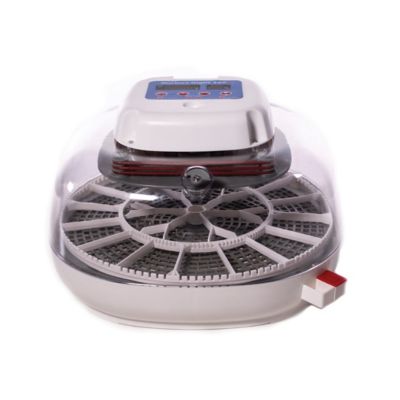
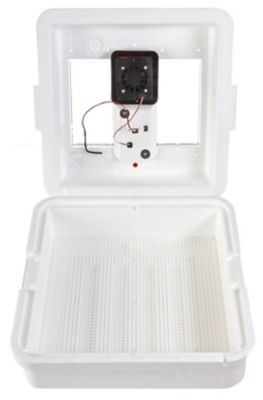
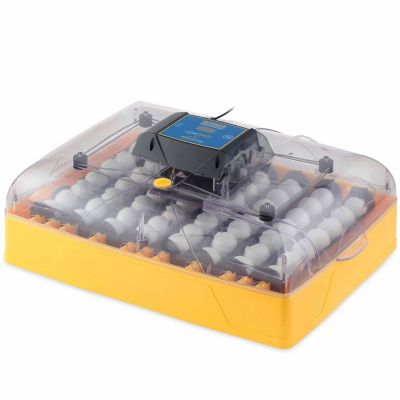
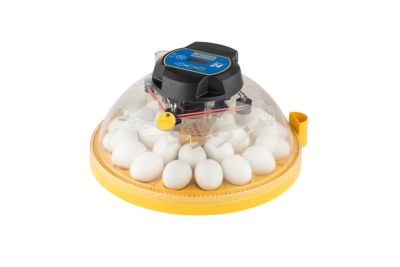
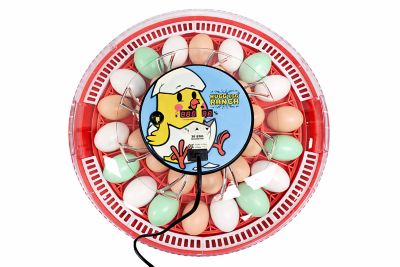
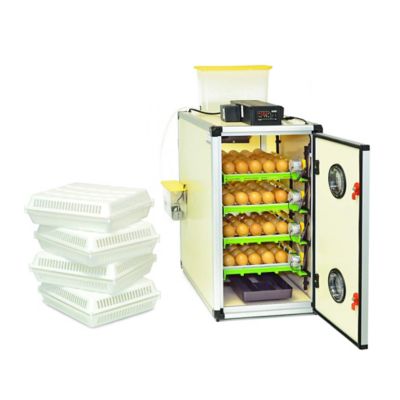
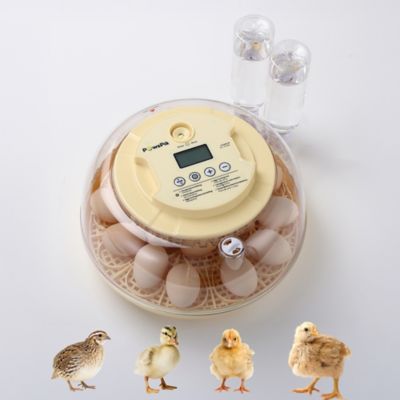
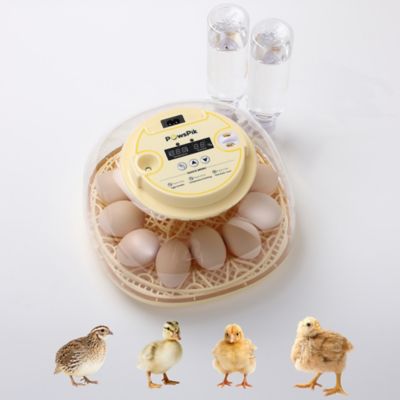
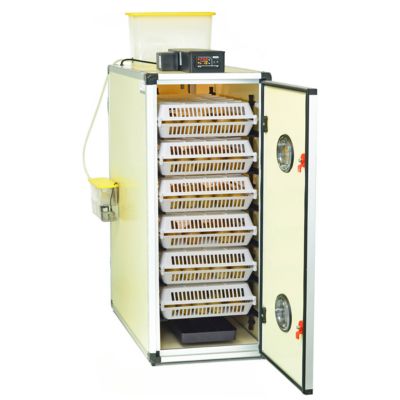
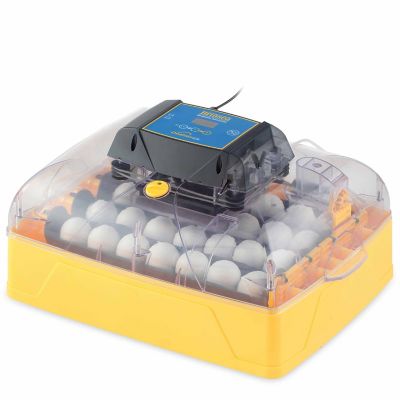
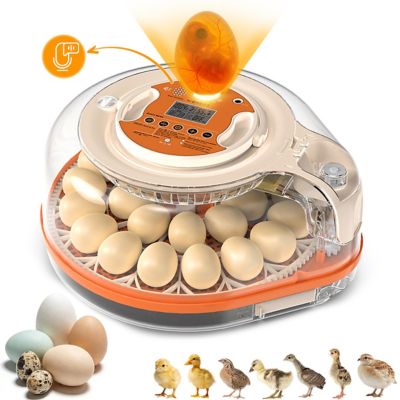
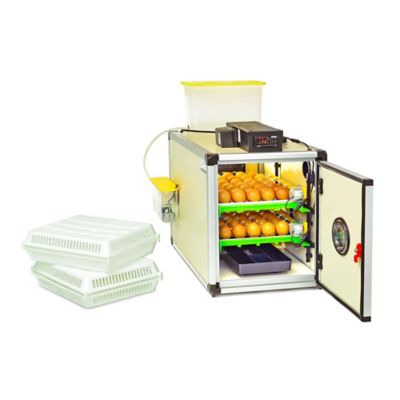
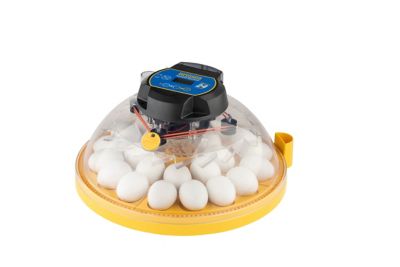
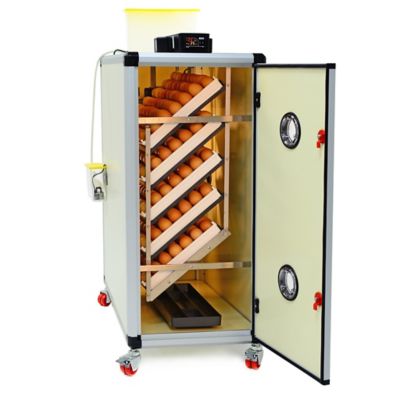
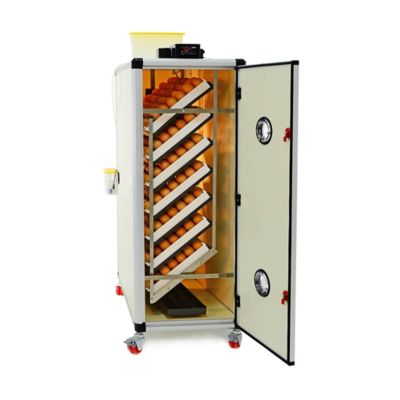
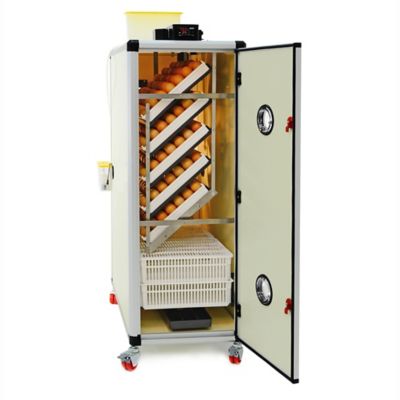
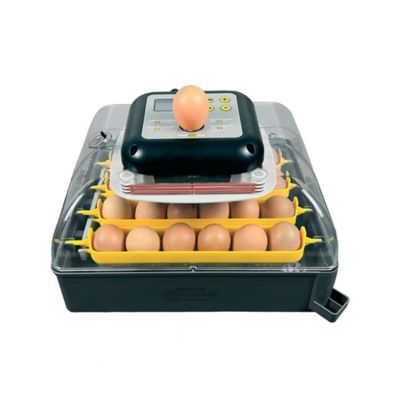
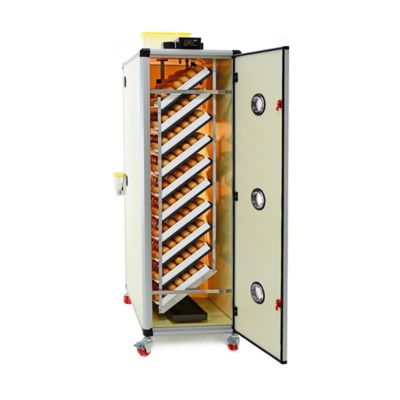
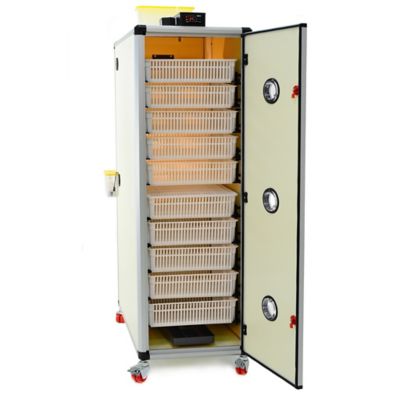
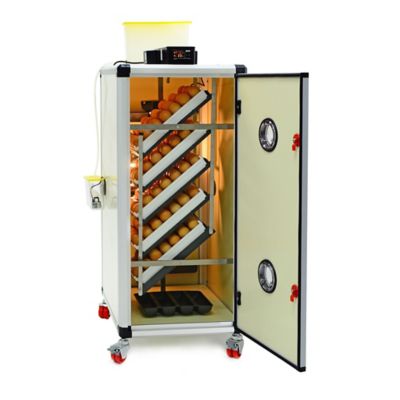
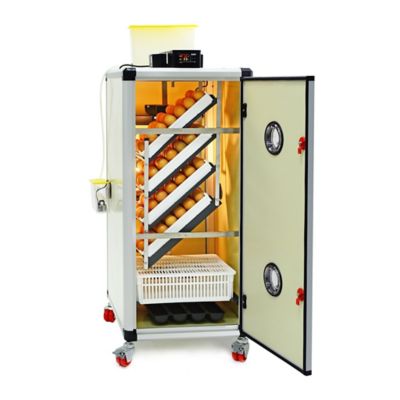
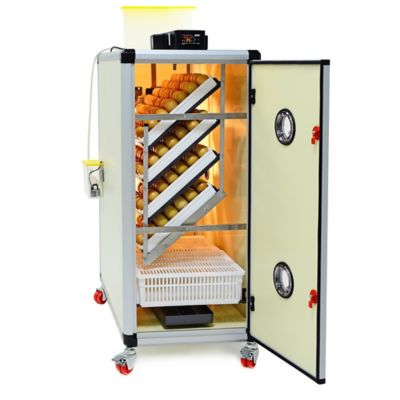
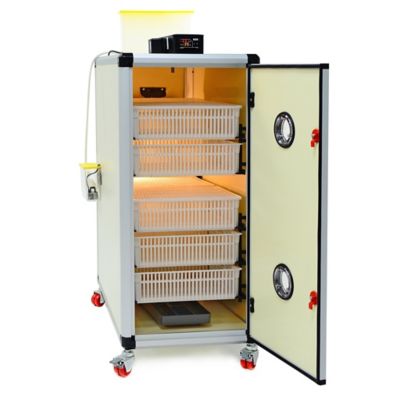
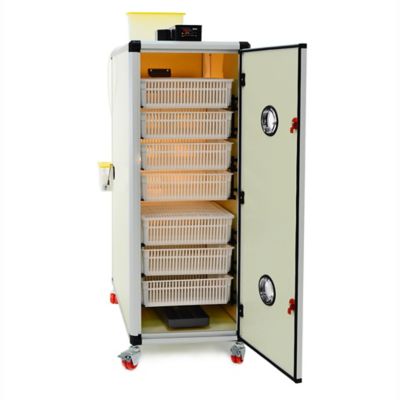
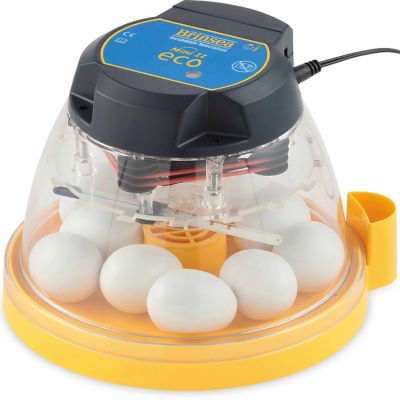
Goose egg incubators give homesteaders, poultry keepers, small farms and backyard flock owners a dependable way to hatch goslings when a broody goose is not available or cannot cover the full clutch. Because goose eggs are larger than chicken and many duck eggs, the incubator needs enough room for the eggs to rest securely without crowding, rolling into one another or interfering with the turning system. When comparing options, look for a forced-air design with a circulating fan, a steady digital temperature display and controls that make it simple to adjust humidity. A forced-air incubator helps maintain a more even temperature throughout the chamber, which is especially useful when working with large eggs that need several weeks of careful attention. Capacity matters, too. Count the number of goose eggs you plan to set, then check the tray dimensions and spacing rather than relying only on the advertised egg count, since some capacity ratings are based on smaller poultry eggs. Universal trays, adjustable dividers and large-egg rollers can make an incubator more useful from one hatch to the next, especially for families raising more than one kind of poultry. If goose eggs are part of a mixed flock project, a model listed among
Large Egg Incubators may offer the extra room and flexible setup needed for oversized eggs. Clear viewing windows, an easy-fill water reservoir and a readable control panel are handy features when the incubator is set up in a barn office, mudroom, utility room or other protected space. Choose a location away from direct sunlight, drafts, heaters and heavy traffic, and place the unit on a sturdy, level surface where curious children, pets and farm animals cannot bump it. A reliable outlet and backup plan for short power interruptions are worth considering on a rural property, since temperature swings can put a developing clutch under stress. Before setting eggs, clean and disinfect the incubator according to the manufacturer’s directions, allow it to dry fully and run it empty long enough to confirm that the temperature and humidity readings stay steady. Clean equipment lowers the chance of transferring dirt or bacteria to the eggs, while a test run gives you time to learn the controls before the hatch is underway.
Successful goose-egg incubation depends on steady conditions and regular observation. As a general starting point, many forced-air setups are operated around 99°F to 99.5°F, or approximately 37.2°C to 37.5°C, but always follow the instructions supplied with the incubator and consider the needs of the goose breed being hatched. Humidity is commonly kept near 50% to 55% during the first part of incubation, with adjustments made according to the incubator design, local conditions and the appearance of the air cell during candling. Goose eggs are often incubated for roughly 28 to 35 days, although breed, egg size and individual development can change the hatch window. Turning helps keep the embryo from settling against the shell membrane, so eggs are usually turned on a regular schedule through most of the incubation period. Automatic turners can save time and offer consistent movement, but make sure the rollers or tray are designed to handle goose eggs and that the eggs are positioned securely. If turning by hand, wash and dry your hands, mark each side of the shell with a pencil and rotate the eggs gently and evenly. Many keepers candle the eggs in a dark room with a bright egg candler to check development, remove eggs that are clearly infertile or no longer developing and monitor the size of the air cell. Avoid frequent handling, rough movement or extended time outside the incubator. As hatching approaches, usually during the final few days, turning is stopped and the incubator enters the lockdown stage. Humidity is often increased for this period, and the lid should remain closed as much as possible so the membrane does not dry while goslings begin to pip. A thermometer and hygrometer placed where they can be read easily can provide a helpful second reference, though readings may vary by placement and equipment. Keep notes on the set date, temperature, humidity, turning routine and hatch progress; those simple records can make the next season’s setup much easier. Anyone who has watched a gosling work its way through the shell knows the last stretch can feel long, but patience is part of the process. Some goslings hatch quickly, while others need additional time after the first pip. Once they are dry, fluffy and steady on their feet, move them to a clean, warm brooder prepared with safe bedding, fresh water and appropriate starter feed.
These incubators can be a practical addition for a small homestead, a 4-H or agricultural education project, a family learning activity or a breeder working to maintain a favorite flock line. They may also make a thoughtful gift for someone who already keeps geese, raises poultry or enjoys hands-on farm projects, especially when paired with an egg candler, a reliable thermometer, cleaning supplies and brooder essentials. The best choice depends on more than egg capacity. Consider whether the person using it prefers automatic turning or hands-on care, how much space is available, whether the controls are easy to read, how simple the unit is to clean and whether replacement parts or extra trays can be found when needed. During the cooler months, a well-insulated room can make it easier to hold a stable incubation temperature, while warmer weather may require extra attention to ventilation and room temperature. Avoid placing the incubator in a damp coop or dusty livestock area, where bedding, feathers and manure can collect around air vents and moving parts. Goose eggs may also benefit from careful cooling or misting practices in some traditional hatching routines, but those methods should be used only when they match the breed, incubator instructions and a well-understood schedule. Temperature, humidity and turning guidance can vary by equipment and flock, so product directions and advice from a local poultry veterinarian, extension office or experienced breeder are valuable resources. With the right-size chamber, steady controls, clean handling and a little daily recordkeeping, goose egg incubators can help turn a carefully gathered clutch into a lively group of goslings ready for the brooder.