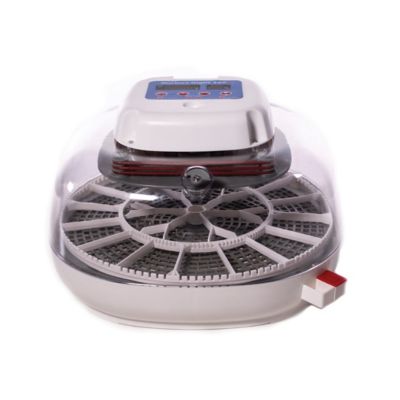
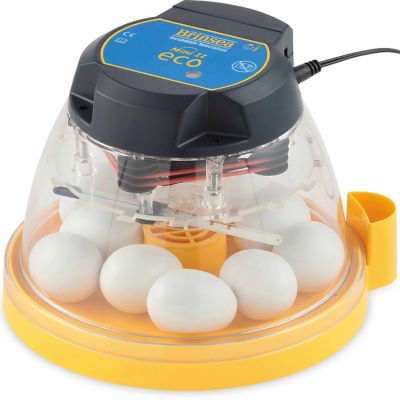
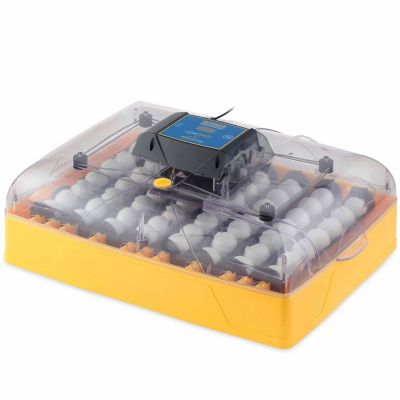
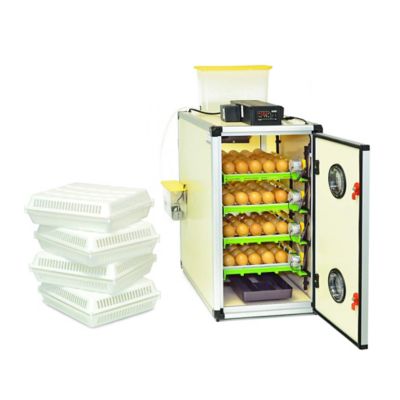
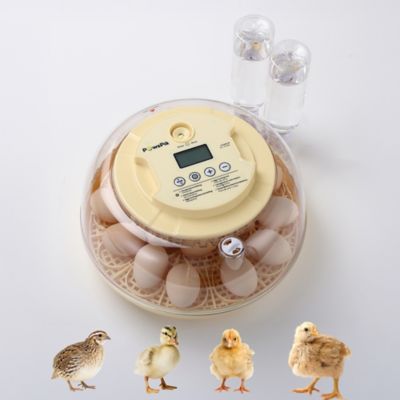
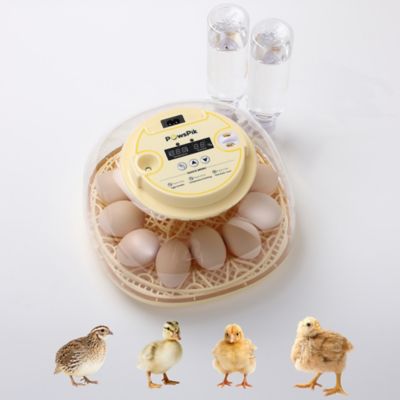
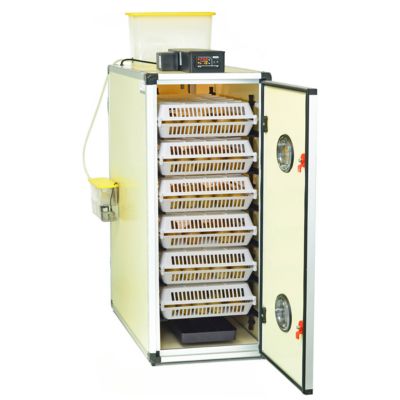
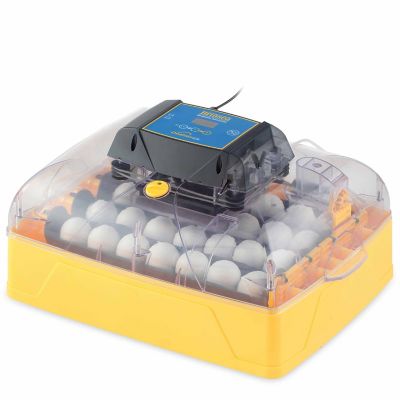
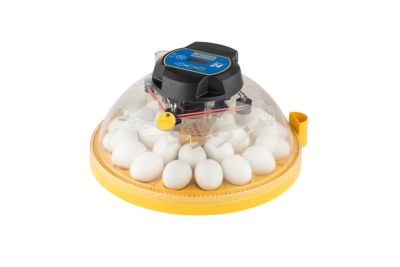
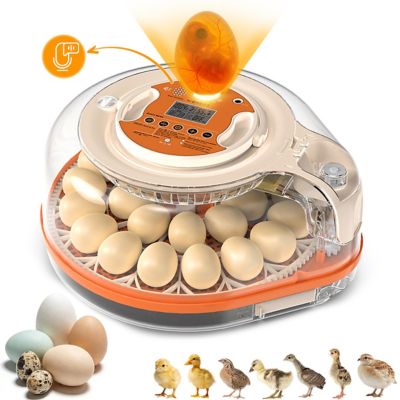
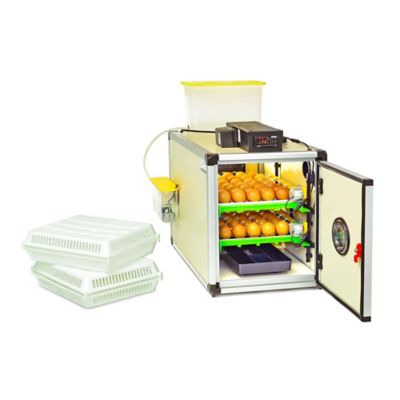
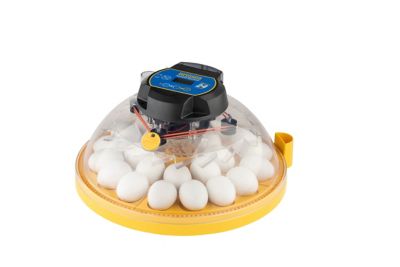
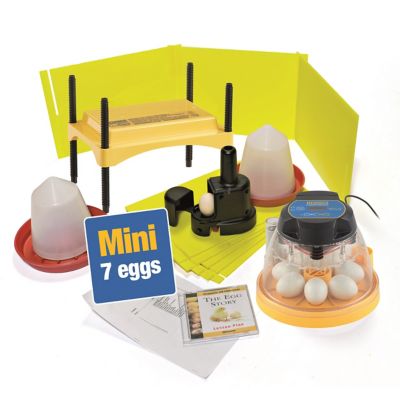
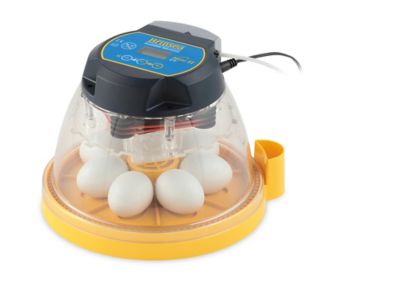
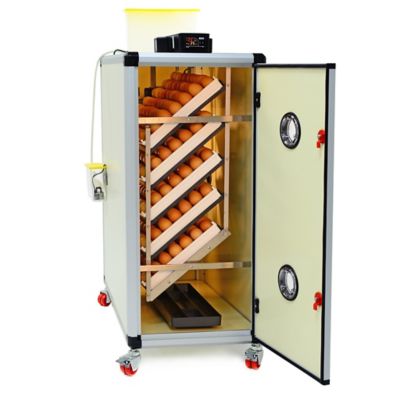
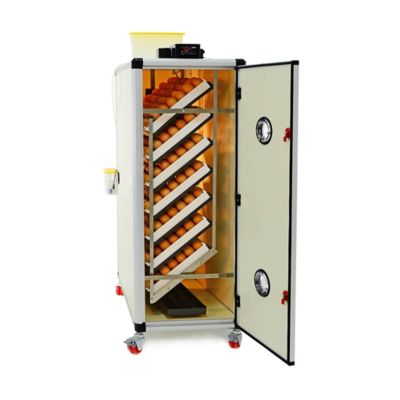
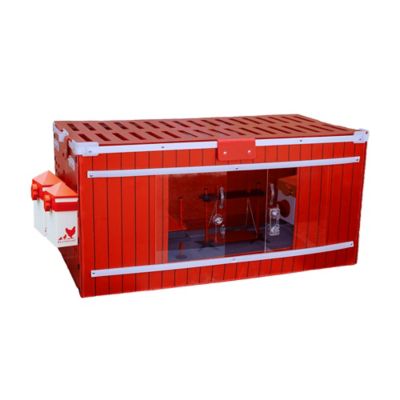
Egg incubators create a controlled environment for hatching fertile bird eggs by supplying warmth, managing moisture and allowing airflow throughout development. They take the place of a brooding hen, giving backyard flock keepers, small farms and poultry enthusiasts a way to hatch chicks on a planned schedule. Whether the goal is adding laying hens, raising quail or expanding a duck flock, the right incubator starts with the bird species and the number of eggs in each hatch. Capacity figures often refer to chicken eggs, so the same chamber may hold fewer large duck eggs or more small quail eggs when paired with suitable trays. Tray spacing, egg orientation and turning clearance matter just as much as the number printed on the box. A compact tabletop incubator fits a modest hatch and a small indoor workspace, while a larger cabinet-style unit makes more sense for someone managing bigger batches. Outside dimensions deserve a close look, too: the lid needs room to open, water reservoirs need access, and removable trays need enough clearance for cleaning. For a family watching its first hatch or a seasoned flock keeper filling another poultry pen, a clear viewing window makes it easier to check progress without opening the chamber. That matters when a chick has started pecking through its shell and the environment inside needs to stay steady. During the cooler months, an incubator belongs in a suitable indoor space rather than a drafty shed where temperatures swing overnight. A level bench away from direct sun, heating vents and open doors gives the equipment a better working environment. Fertile eggs are essential, and even well-managed incubation cannot guarantee that every egg will hatch. Breeder health, egg handling and storage before incubation all influence results alongside the incubator itself. Matching capacity to a realistic hatch size also leaves room to manage the birds once they arrive.
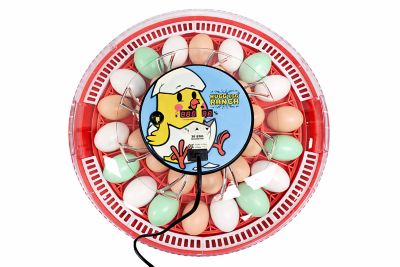
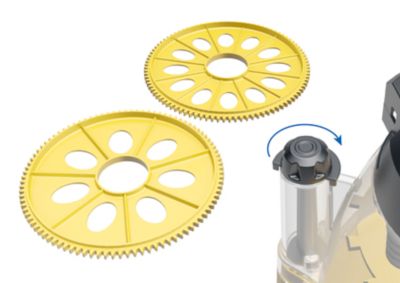
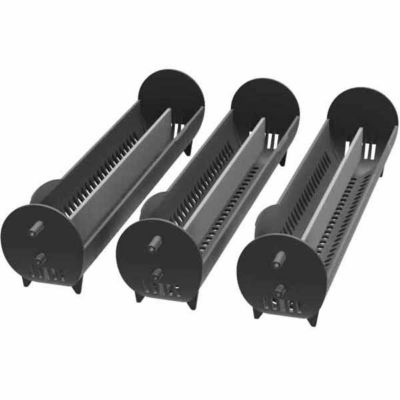
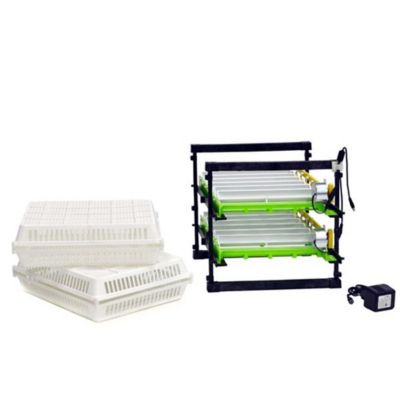
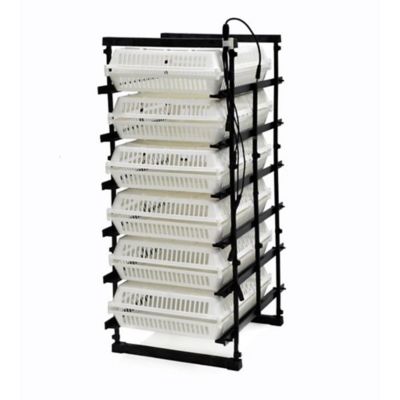
Temperature control, humidity management and egg turning are the main features that separate one egg incubator design from another. Forced-air incubators circulate warmed air with a fan to help even out conditions throughout the chamber, while still-air incubators depend on natural air movement and require particular attention to where temperature is measured. For chicken eggs, a common forced-air temperature setting is 99.5°F; still-air equipment generally calls for a higher reading at egg-top height, following the manufacturer’s directions. Duck, goose and quail eggs can have different incubation requirements, so controls should suit the species rather than depend on one fixed program for every bird. Digital displays make readings easier to check during a pass through the mudroom or utility room, but sensor placement and verification with a separate thermometer still matter. A humidity display, accessible water channels and an external fill point can simplify moisture management without frequent lid lifting. Humidity needs vary with species, shell characteristics, room conditions and the stage of incubation; there is no single percentage that fits every hatch. Adjustable ventilation matters as well, since developing embryos need oxygen, not just warm, moist air. Automatic egg turners handle a recurring task and can be especially helpful when chores start before daylight and stretch into the evening. Manual-turn models require more hands-on attention, while adjustable turners or interchangeable trays may accommodate different egg sizes. Either way, eggs need to fit securely without crowding or rubbing against neighboring eggs. Chicken eggs commonly hatch in about 21 days, with turning stopped around day 18 for the final hatching period, often called lockdown. Timing differs for other birds. A removable turning assembly or separate hatching tray gives chicks space as they emerge. Other practical features include temperature alarms, controls that are easy to read and viewing areas large enough to see across the tray. These details can make daily checks less disruptive without replacing regular attention from the person tending the hatch.
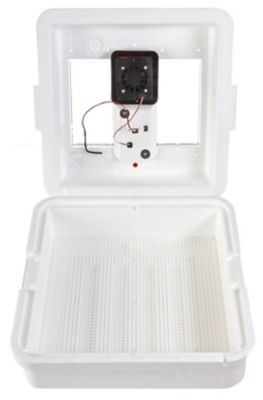
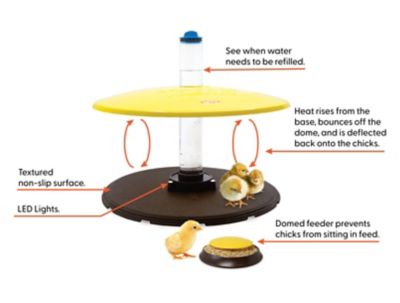
Construction and cleanup deserve the same attention as controls, especially when an incubator will handle several hatches over time. Molded plastic chambers and trays can offer smooth surfaces that wipe down readily, while foam-bodied designs provide insulation but may need gentler handling to protect their surfaces. Larger cabinet units may combine insulated walls with metal racks or trays; access to corners, fan guards and water pans is worth considering before choosing a layout. Shell fragments, down and moisture collect during hatching, so removable parts and reachable seams make cleanup between batches more manageable. Cleaning products and methods should match the manufacturer’s directions, and electrical components need protection from wash water. Parts should dry fully before storage or another hatch. For equipment that moves between a spare room and a farm workspace, secure lids, sturdy hinges and a base that sits flat help with everyday handling. Replacement trays, compatible turning parts and clear maintenance information can also matter over the life of the incubator. Electrical requirements deserve a check before setup, particularly where the nearest outlet is already serving other equipment. A power interruption can affect incubation conditions, making a plan for outages a sensible consideration in rural homes. The space beyond the incubator matters, too: newly hatched birds need an appropriate brooding area once they are dry and ready to move, not simply more time in the hatching chamber. For those raising quail,
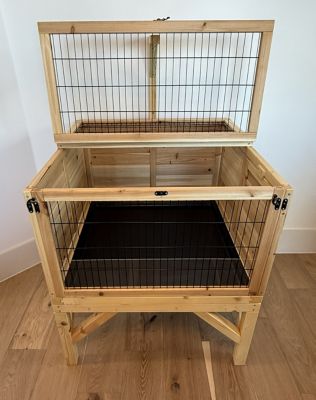
Quail Brooders support that next stage, with attention to suitable warmth, safe footing and protection for small chicks. An egg incubator can be a thoughtful gift for an established poultry keeper who has space and a plan for additional birds, or equipment for an adult-supervised agricultural learning project. From a few eggs on a quiet indoor bench to a larger hatch for the farm, the best fit balances species compatibility, manageable capacity, straightforward care and the level of hands-on attention the keeper can provide.