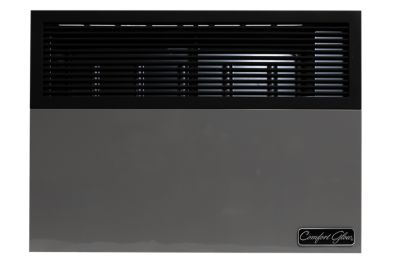
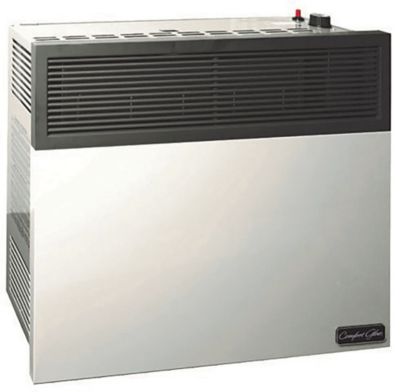
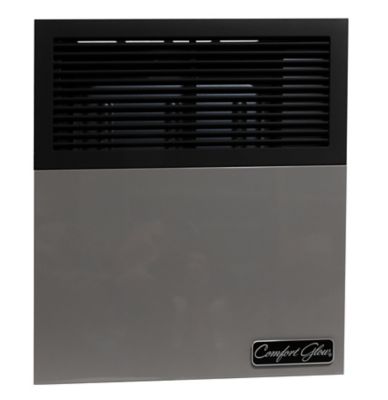
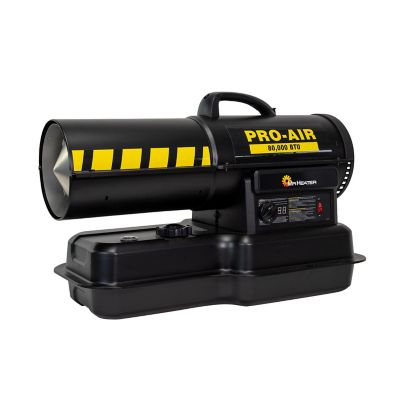
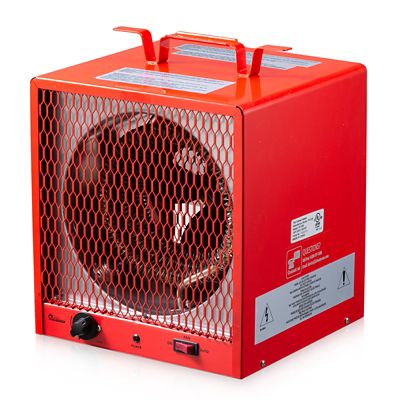
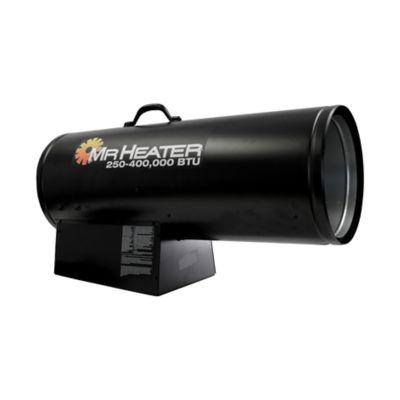
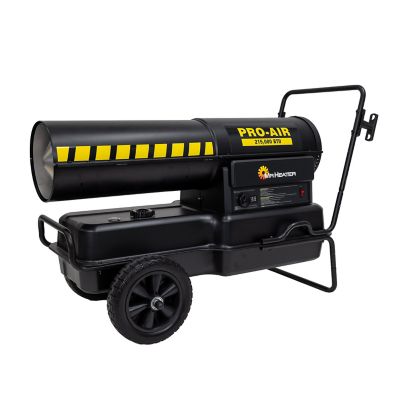
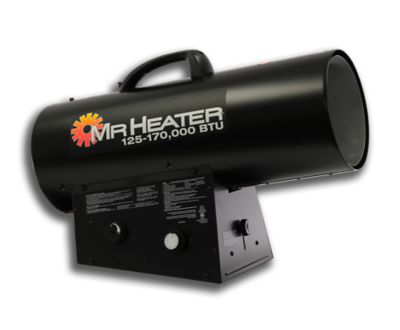
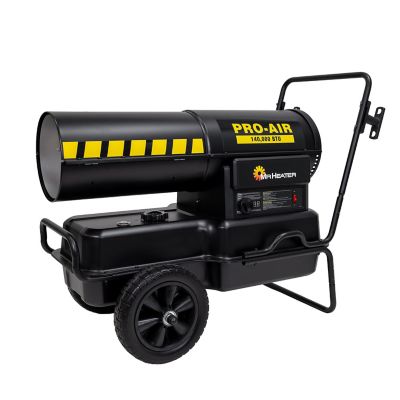
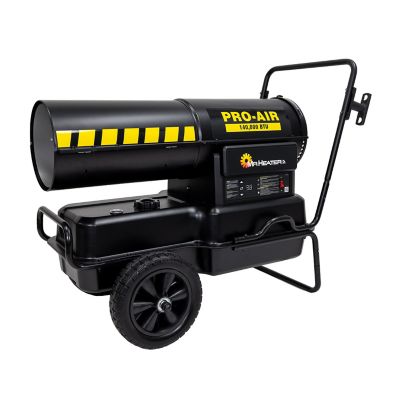
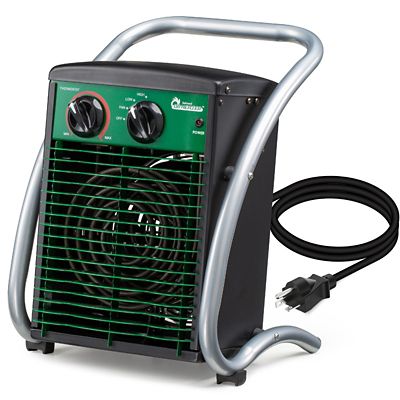
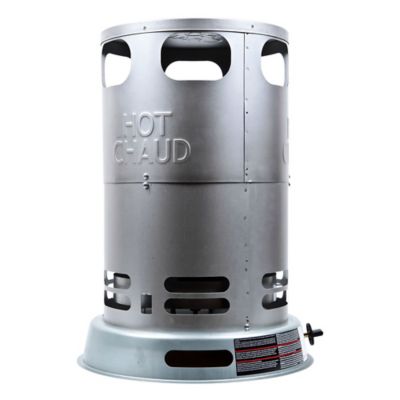
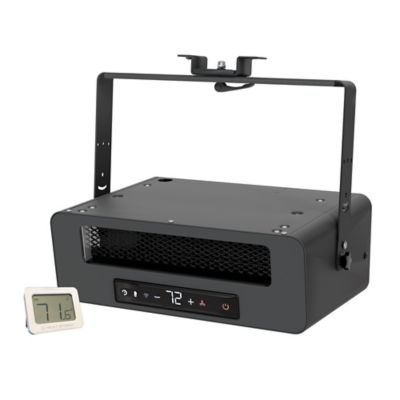
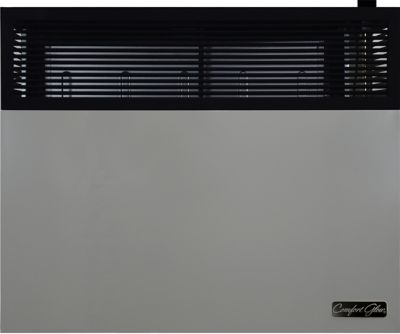
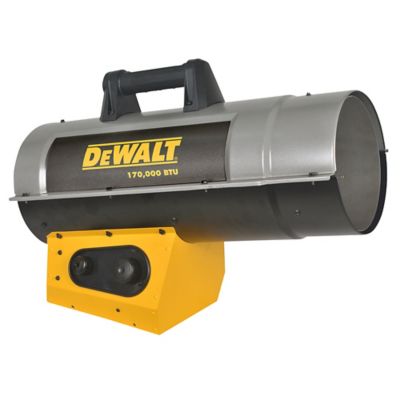
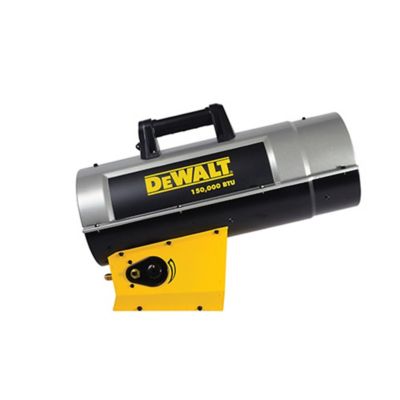
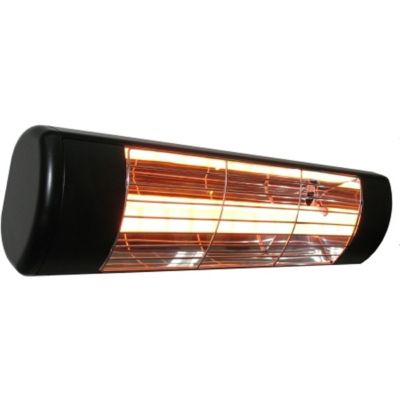
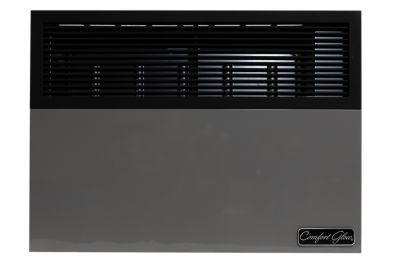
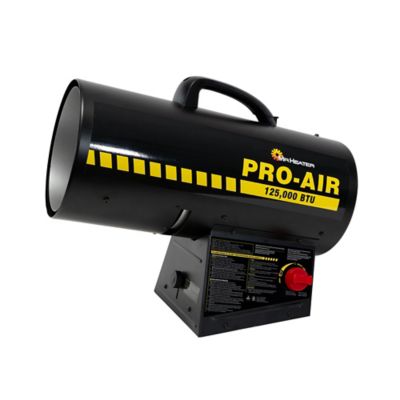
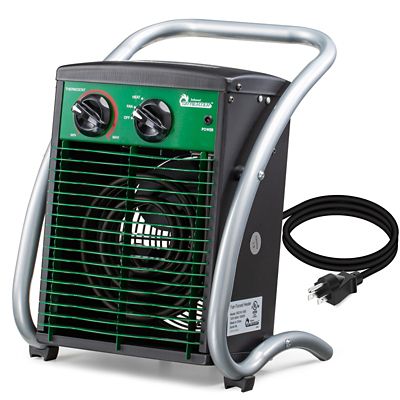
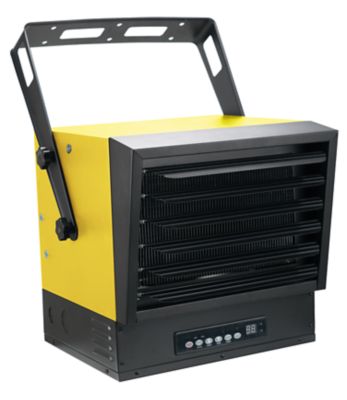
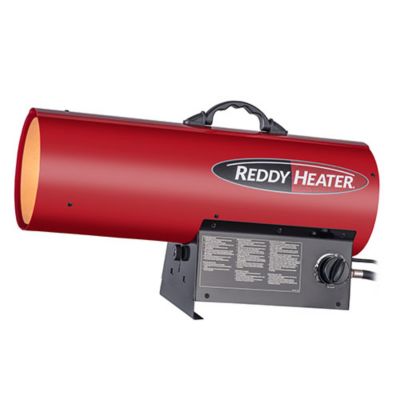
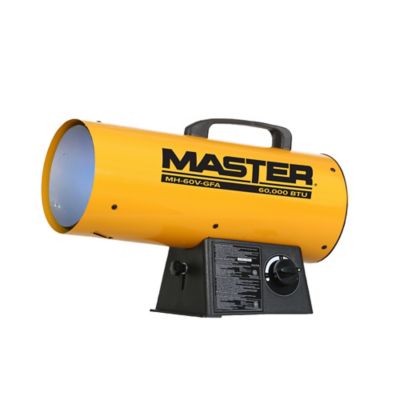
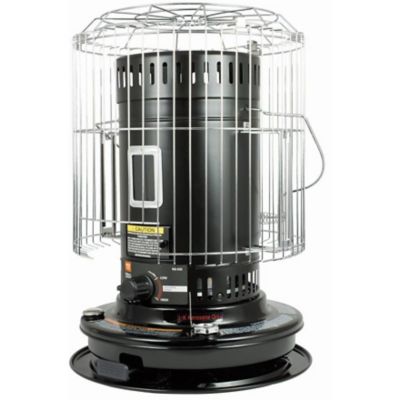
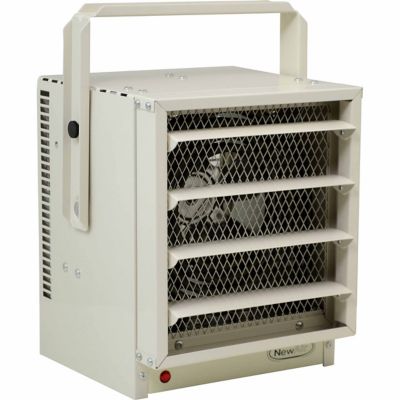
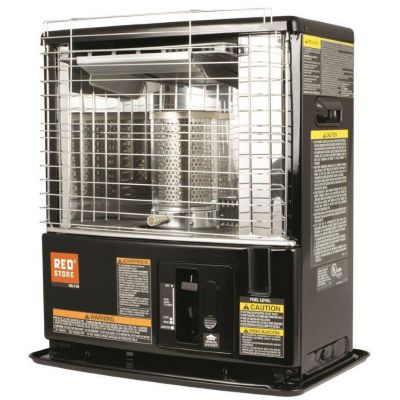
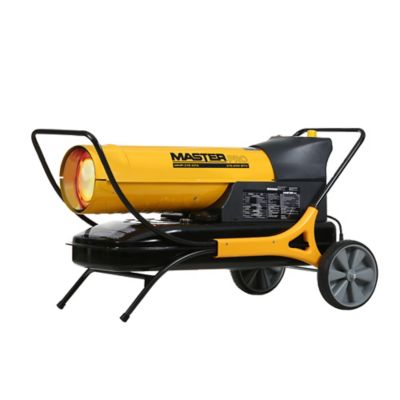
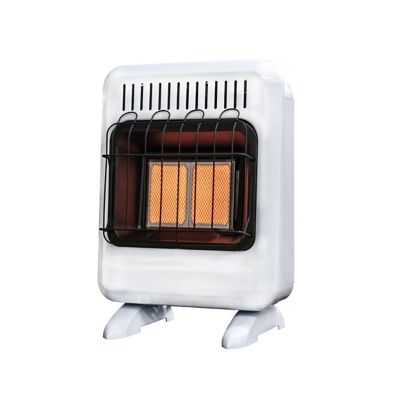
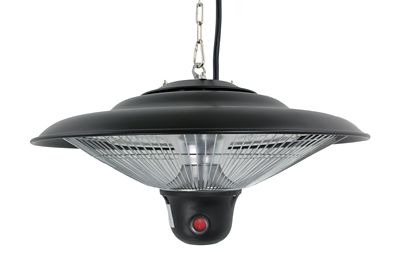
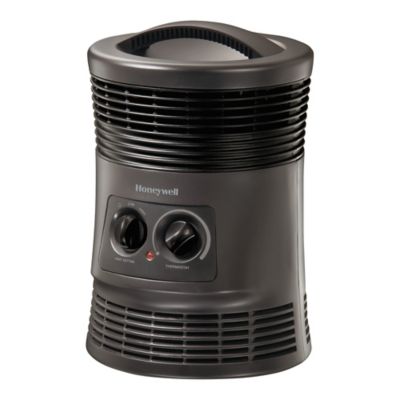
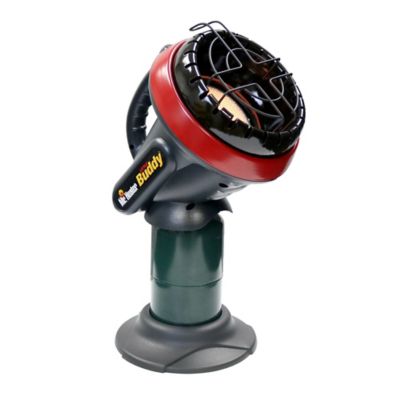
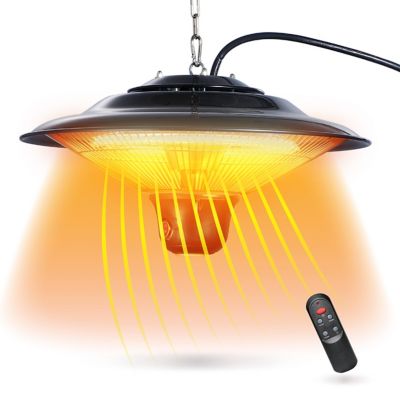
Professional heaters are built for demanding spaces where ordinary household heating may not be enough. They can help warm large garages, barns, workshops, warehouses, service bays, construction areas, agricultural buildings, and other open or drafty workspaces during the cooler months. Unlike a small room heater meant for a bedroom or office, professional heating equipment is selected for higher output, longer run times, tougher surroundings, and the practical needs of people who have work to do. A well-chosen unit can take the edge off a chilly morning in the shop, help keep a maintenance crew more comfortable around a service area, or raise the temperature in a partially enclosed building before livestock care, equipment repairs, or other chores begin. Some professional heaters use electric resistance heat, while others rely on propane or natural gas and move heated air through the space. Radiant and infrared styles warm people, tools, floors, and nearby surfaces directly, making them useful for spot heating where heating every cubic foot of air would be inefficient. Forced-air heaters push warmth across a wider area and can be a practical choice for quickly changing the temperature in a large workspace. Electric units may provide clean, odorless heat without combustion byproducts, but they require the proper voltage, amperage, wiring, and circuit protection. Fuel-burning heaters can deliver strong heat where electrical service is limited, though they require correct ventilation and careful placement. Match the heater type to the building, the available power or fuel, and the kind of work taking place there instead of choosing based on size alone.
Before buying a professional heater, start with the space and its working conditions. Measure the approximate square footage, note the ceiling height, and consider how much heat escapes through open doors, uninsulated walls, windows, vents, and roof lines. A tall metal shop with large overhead doors will generally need a different heating approach than a finished garage with insulation and tighter construction. Output is often listed in BTUs, watts, or both, and airflow may be shown in cubic feet per minute. Higher output does not automatically make a heater the right fit; an oversized unit may cycle frequently, use more energy than needed, or create uncomfortable hot and cold spots, while an undersized unit may run constantly without keeping up. Think about whether the goal is to heat the entire room, dry a work area, protect a particular corner from freezing temperatures, or provide direct warmth for people working nearby. Portability can matter on a farm or jobsite, where equipment moves from one building to another, while wall- or ceiling-mounted heating may make more sense in a busy shop where floor space is already crowded with benches, tools, vehicles, and feed supplies. Compare thermostat controls, adjustable heat settings, fan-only operation, carrying handles, wheels, cord length, mounting options, and the ability to withstand dust or rough handling. If you are shopping for lighter-duty air movement with supplemental warmth, browse
Heater Fans as another option for workshops, utility rooms, and smaller work areas. Also check the manufacturer’s coverage guidance, required clearances, operating temperature range, fuel connection requirements, and whether the unit is approved for indoor, outdoor, construction, agricultural, or commercial use. Professional equipment should fit the jobsite, not simply look powerful on a product page.
Safe operation matters just as much as heating capacity. Set any heater on a stable, level surface or install it exactly as directed, keeping the intake and discharge openings clear of hay, sawdust, cardboard, clothing, curtains, fuel containers, bedding, and other combustible materials. Maintain the listed clearance around the unit, and avoid placing portable heaters where a tractor, cart, livestock, or foot traffic could bump the equipment or pull on its cord or fuel line. Fuel-burning professional heaters need adequate ventilation and should never be used in an enclosed area unless the unit is specifically designed and approved for that application. Carbon monoxide is odorless and dangerous, so use the proper detectors and follow all ventilation instructions. Electric heaters should connect to a properly rated outlet and circuit; extension cords, adapters, and power strips that are not approved for the heater’s load can overheat. Inspect cords, plugs, hoses, regulators, and guards before each use, and shut the unit down if you notice damaged insulation, unusual odors, flames where they should not be, loud mechanical sounds, or uneven operation. Keep dust and debris from building up around filters, grills, and moving parts, and allow the heater to cool before storing or servicing it. In a barn, shop, or worksite, a few minutes spent clearing the area and checking the setup can prevent a small mistake from becoming a serious fire or equipment problem. Professional heaters are useful year after year when they are sized carefully, operated in the right environment, and maintained according to the instructions. As the weather shifts from warm afternoons to colder mornings, dependable heat can make a large rural workspace more comfortable, help crews stay productive, and give you a practical way to keep important buildings and work areas ready for the chores ahead.