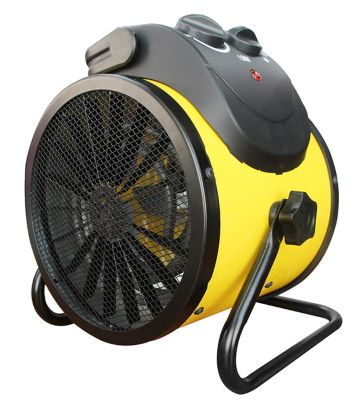
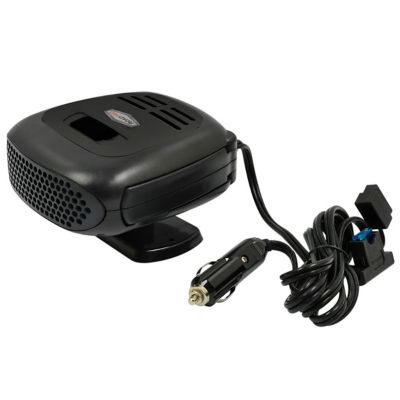
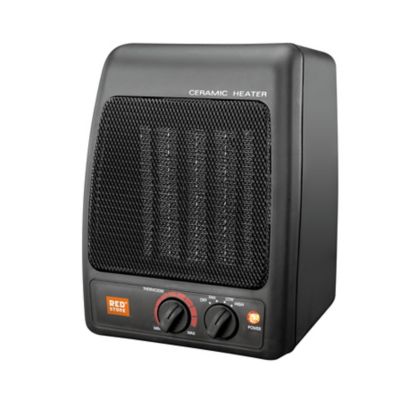
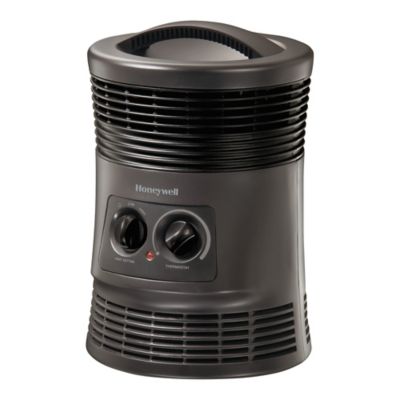
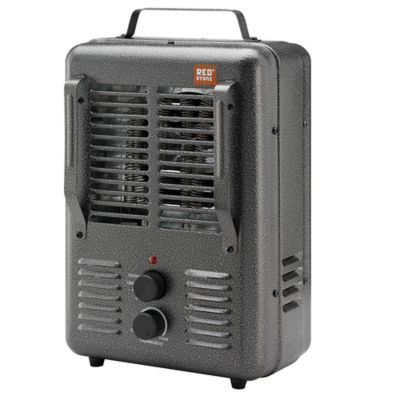
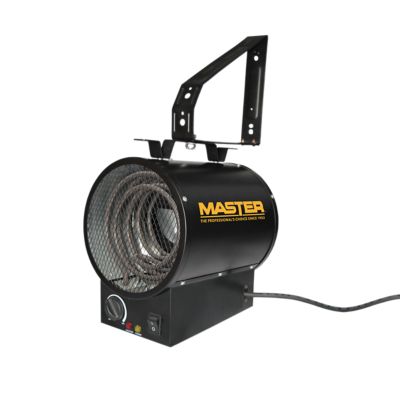
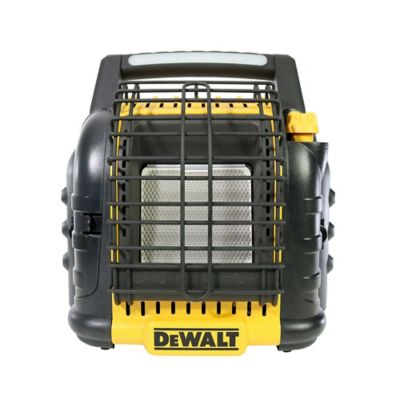
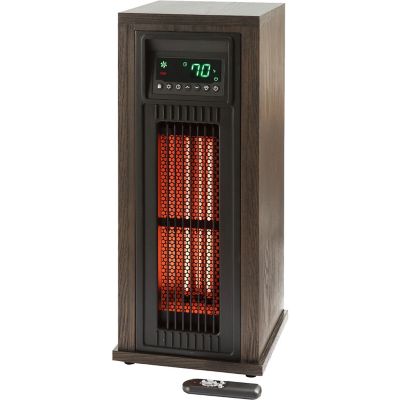
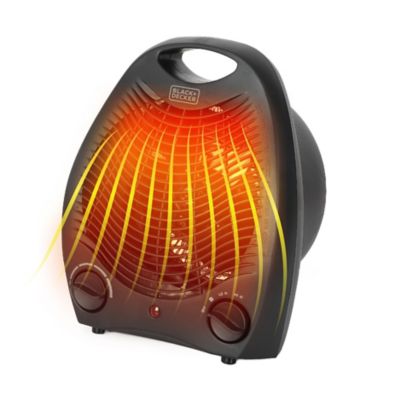
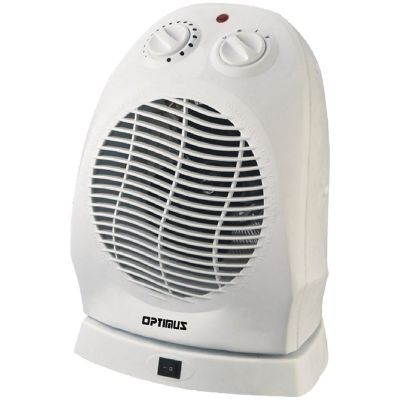
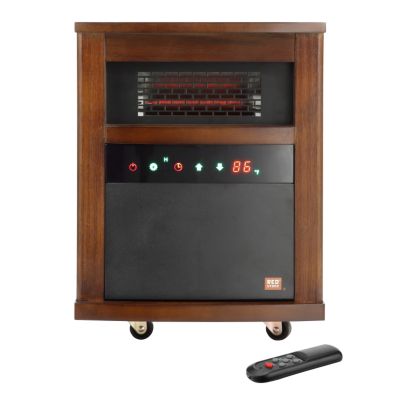
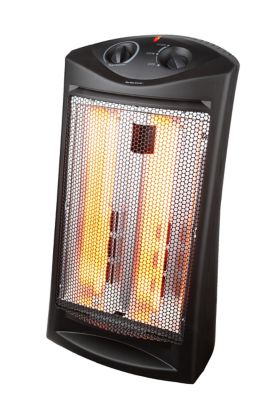
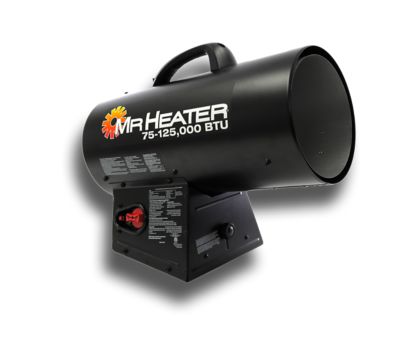
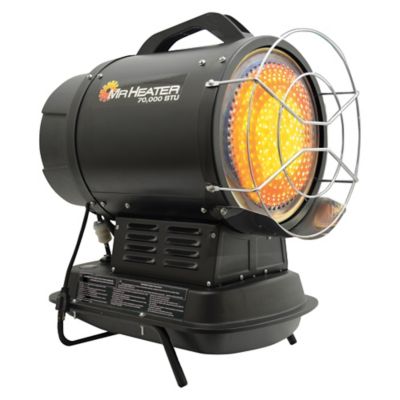
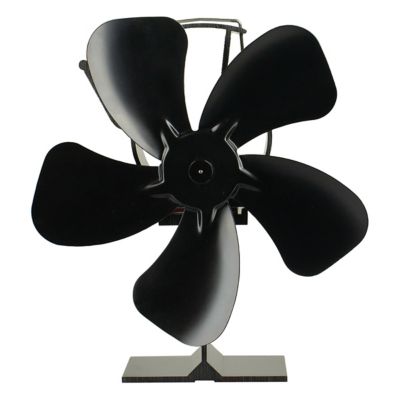
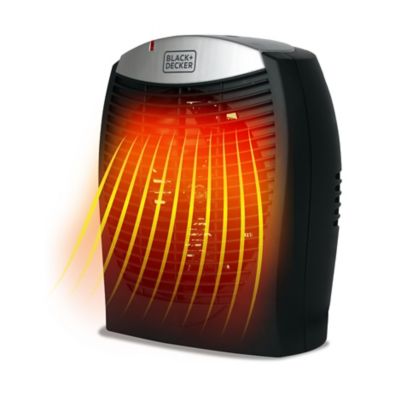
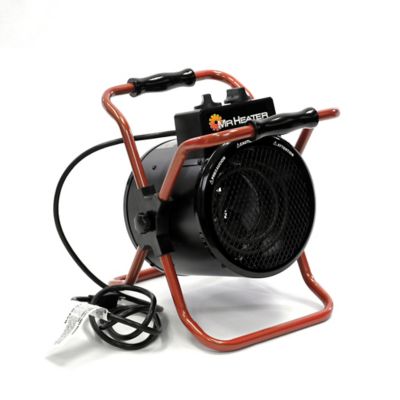
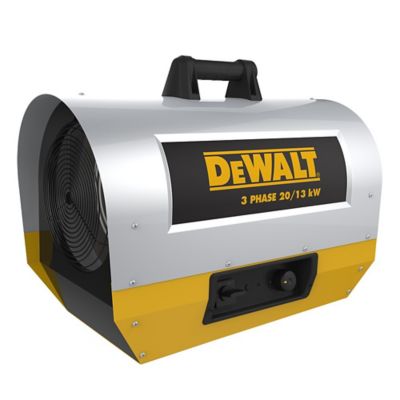
Heater fans are a handy way to take the chill off a smaller space without waiting for a whole-house heating system to warm up. These electric heaters pull cooler air in through the back, move it across a heated metal element or ceramic heating surface, and push the warmed air back into the room with a built-in fan. That combination gives you quick, noticeable heat near a desk, workbench, mudroom, hunting cabin, enclosed porch, garage office or other spot that tends to stay colder than the rest of the house. They can be useful during the cooler months when you need a little extra warmth while getting chores done, sorting seed packets, feeding animals before daylight or working on a project after sunset. Some models are compact enough for personal heating, while others are designed to spread warmth across a small or medium-sized room. A fan heater may also be a thoughtful gift for someone setting up a workshop, finishing a basement, outfitting a camper or keeping a home office comfortable. When choosing one, start with the space and the way you expect to use it. Check the heater’s recommended room size, wattage, controls and heating settings, then think about where it will sit and whether you need a small unit that can be moved from room to room or a larger model that can stay in one place. Many portable fan heaters are rated at up to 1,500 watts on their highest setting. At that output, the heater uses about 1.5 kilowatts of electricity per hour, though the actual cost depends on local utility rates and how often the heating element cycles on and off. Lower heat settings can use less electricity, and a thermostat can help maintain a steady temperature instead of running at full power nonstop. If you want air movement when the weather warms, look for a heater with a fan-only setting. That feature can make the unit useful across more of the year by circulating room air without turning on the heating element. Oscillation can help spread warm air across a wider area, while a directional grille may be better when you want heat aimed toward a chair, work surface or entryway. A carrying handle, simple dial controls, a compact footprint and a manageable cord can make a real difference when you are moving the heater around the house or shop. For larger heating needs or installations that require a flue or exhaust connection, browse
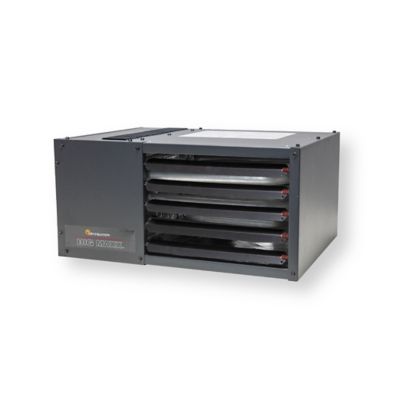
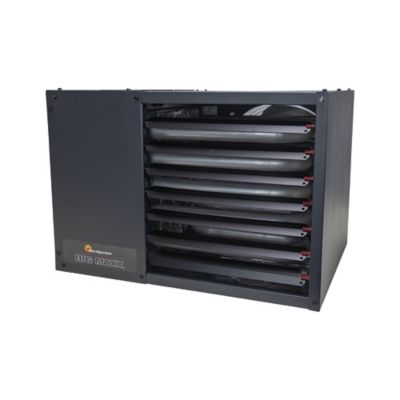
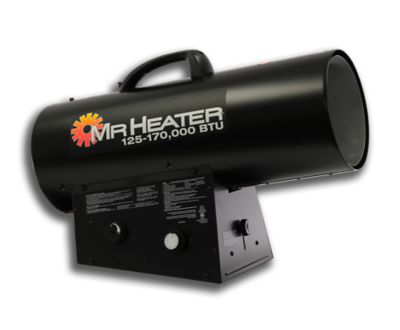
Vented Heaters instead of relying on a portable electric fan heater.
Safety deserves just as much attention as heating performance. Set a heater on a solid, level, nonflammable surface where it cannot be easily bumped by a foot, pet, child, tool or gust of air. Keep at least three feet of open space around it, especially between the heater and curtains, bedding, clothing, paper, cardboard, hay, straw, sawdust, furniture or other materials that can catch fire. Never tuck a portable heater beneath a table, behind a chair or close against a wall where airflow can be blocked. Keep the air intake and exhaust openings clear of dust and debris, and give the unit time to cool before carrying or storing it. Plug the heater directly into a properly grounded wall outlet unless the manufacturer specifically allows another setup; extension cords and power strips may not be rated for the sustained electrical load. Avoid running the cord under rugs, across walkways or through doorways where it can become a tripping hazard or suffer damage. Built-in tip-over protection is an important feature because it can shut the unit off if it gets knocked onto its side, and overheat protection can stop operation if internal components become too hot. Those features add a helpful layer of protection, but they do not replace good placement and regular attention. Inspect the cord and plug before use, and stop using the heater if you notice fraying, scorch marks, a loose connection, unusual smells or repeated shutoffs. Do not leave a portable heater running unattended or while sleeping, and keep pets and livestock from brushing against it or pulling on its cord. In a barn, shed or dusty workshop, remember that loose hay, bedding, wood shavings and fine dust can collect around equipment quickly, so a fan heater may not be the right choice for every area. Keep the heater dry, away from sinks and wet floors, and follow the manufacturer’s instructions for indoor use, cleaning and storage. A soft brush or vacuum attachment can help remove dust from the grille when the unit is unplugged and cool. With the right size, placement and safety features, heater fans can make a chilly corner more comfortable while you work, relax or handle everyday chores.