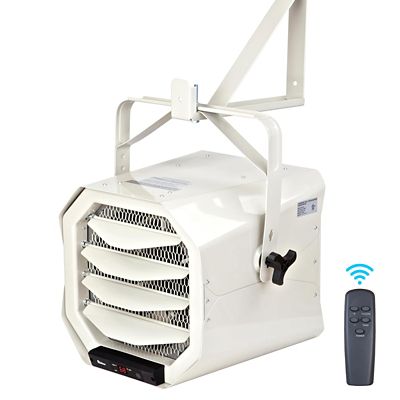
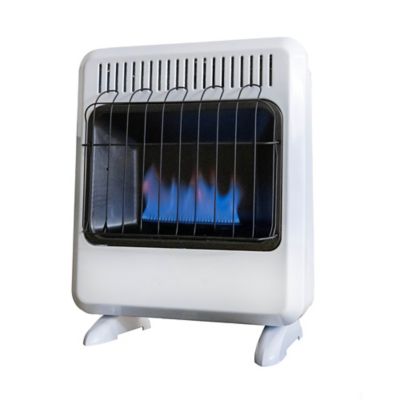
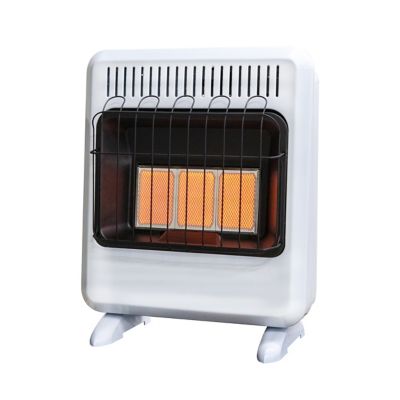
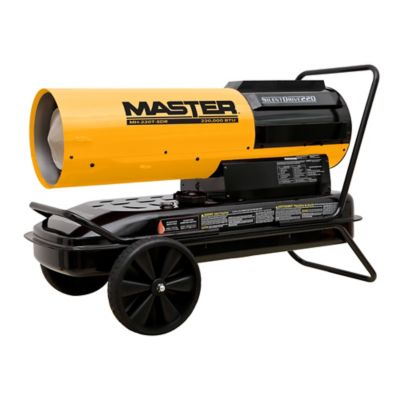
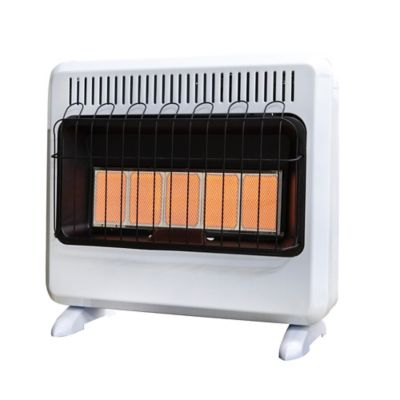
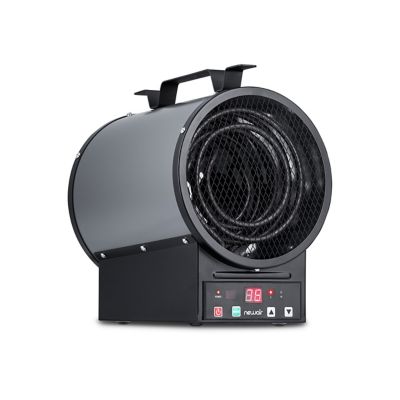
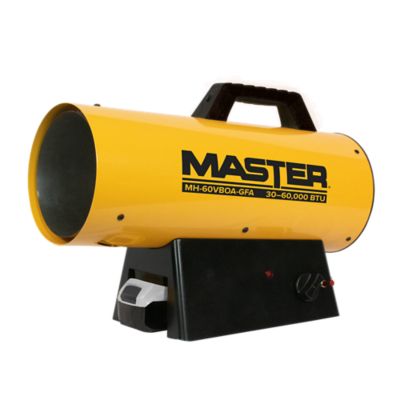
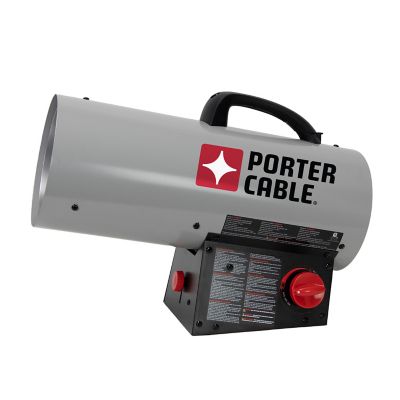
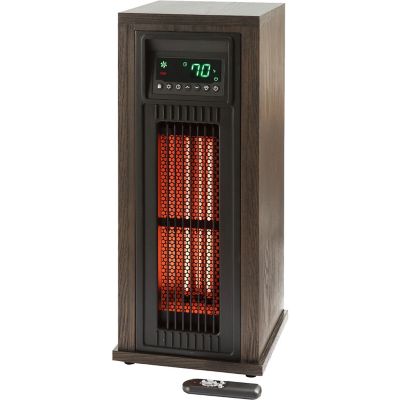
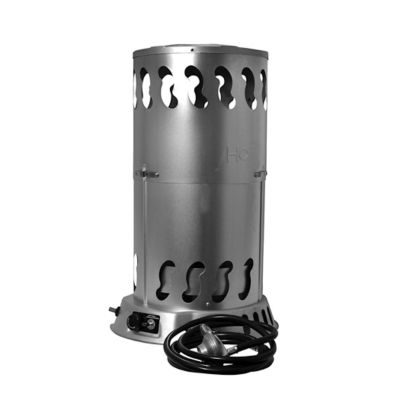
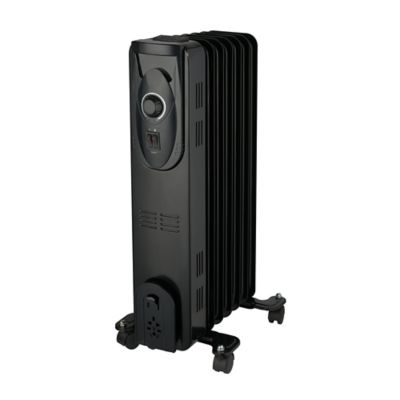
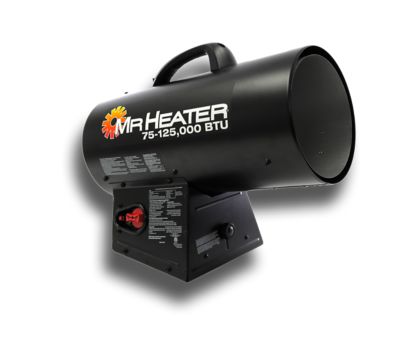
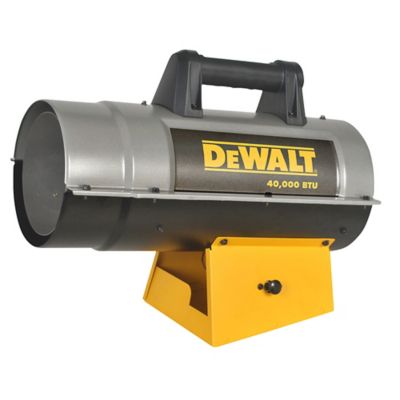
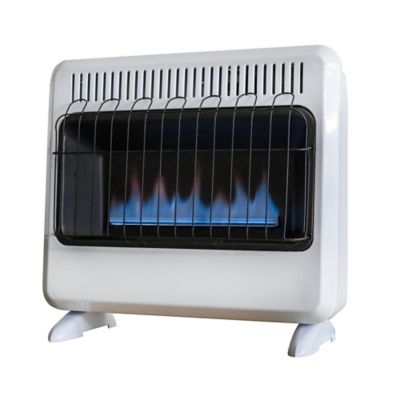
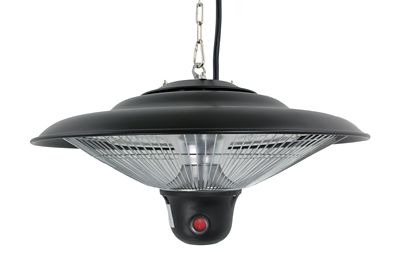
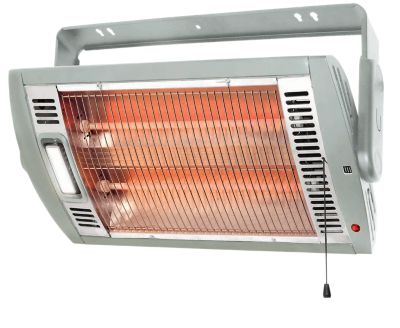
HVAC heaters supply heat for homes, shops, garages, and other spaces, either as part of a central heating system or as equipment serving a particular room or work area. HVAC stands for heating, ventilation, and air conditioning, and the heating portion may run on electricity, natural gas, propane, or another fuel, depending on the equipment. A furnace creates heat through fuel combustion or electric resistance, then a blower moves air across a heat exchanger or heating elements and into the ductwork. A heat pump works differently: it transfers heat from outdoor air or the ground into the building rather than creating all its heat through resistance or combustion. Many heat pumps can also reverse operation to provide cooling. Boilers heat water, distributing hot water or steam through piping to compatible radiators, baseboards, or radiant floor systems instead of circulating heated air through ducts. These differences matter when matching heating equipment to an existing building. A farmhouse with supply vents in every room has different requirements than a shop with a concrete floor and no ductwork. In a typical forced-air system, the thermostat calls for heat when the indoor temperature falls below its setting. The heating equipment responds, and the blower distributes warm air through supply ducts while return ducts bring room air back to the system. Room heaters and unit heaters can provide heat for a smaller area without serving the whole building, although their installation and operating requirements vary considerably. For a garage bay or workspace where floor space matters,
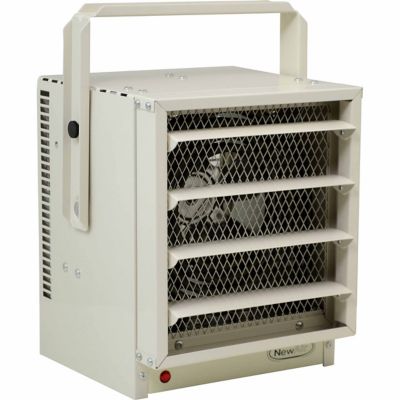
Mounted Heaters can help keep heating equipment out of the way of foot traffic when installed with the required clearances. Central heating, supplemental heating, and spot heating serve different purposes, so the right category depends on whether the job is warming the house, supporting an underheated room, or making a designated work area more comfortable.
Heating capacity is one of the biggest differences among HVAC heaters, but square footage alone does not tell the whole story. Ceiling height, insulation, air leakage, window area, and the local climate all affect a building’s heating load. A tight, insulated room and a drafty workshop with the same floor area may need very different outputs. Tall ceilings and overhead doors add another wrinkle, especially in a shop where a truck or tractor moves in and out throughout the day. Heating output is commonly expressed in British thermal units per hour, while electric equipment may list watts or kilowatts. Fuel-burning equipment can list both input and output ratings; output describes the heat delivered rather than the energy supplied to the appliance. More capacity is not always better. An oversized system may cycle on and off too often, while an undersized system may struggle to maintain the thermostat setting. A professional heating-load calculation helps establish an appropriate size for permanent equipment. Physical fit matters just as much: cabinet dimensions, mounting orientation, service access, and clearance from combustible materials all need to suit the installation location. Electrical requirements can include a dedicated circuit, a particular voltage, or a hardwired connection rather than a standard household outlet. Gas heating equipment must match the fuel supply and have the proper pressure, piping, combustion air, and venting arrangement. Natural gas and propane are not interchangeable without an approved conversion where the manufacturer permits one. Ducted equipment also needs compatible airflow and duct capacity, not simply a cabinet that fits the old space. Thermostat compatibility deserves attention, too, since line-voltage, low-voltage, single-stage, and multistage controls are not all interchangeable. For owners replacing older equipment, matching the existing connections is only part of the job; the new unit’s specifications and local code requirements determine what can stay and what needs to change. Licensed installation helps bring those pieces together safely.
Construction and upkeep have a lot to do with how heating equipment holds up over time. Steel cabinets are common, while protective finishes help shield exterior surfaces from ordinary wear. Heat exchanger materials, corrosion resistance, and enclosure design vary by heater type, making the intended installation environment an important part of the match. A dry utility room is different from a damp outbuilding, and an ordinary indoor heater is not automatically suited to outdoor exposure, washdown areas, or buildings with corrosive vapors. Farm shops and animal-care spaces can also carry airborne dust, bedding particles, or moisture that call for equipment specifically approved for those conditions. Heaters do not belong near stored gasoline, flammable vapors, or combustible dust unless the equipment and installation are expressly rated for that environment. For everyday comfort, the way heat reaches people can matter as much as the output number. Forced-air heat circulates warmth through a room, while radiant heat warms people and surfaces within its reach. Fan sound, air direction, thermostat placement, and mounting height can all affect how a space feels during a long afternoon at the workbench. A thermostat beside a drafty door or directly in the heater’s discharge may not represent the rest of the room. Clear supply and return openings help air move as intended, and storage should never crowd equipment or block required service access. Filter replacement, where applicable, and cleaning according to the manufacturer’s schedule help protect airflow and internal components. Fuel-burning systems need periodic professional inspection of burners, heat exchangers, venting, and safety controls. Working carbon monoxide alarms are an important safeguard wherever combustion equipment serves an occupied building, but they never take the place of proper installation or maintenance. Portable heaters, if part of the heating setup, carry their own placement and electrical restrictions and are not substitutes for a properly sized central system. From a home utility room to a separate workshop, heating equipment matched to the space, fuel source, and daily workload makes comfort easier to manage without getting in the way of the day’s chores.