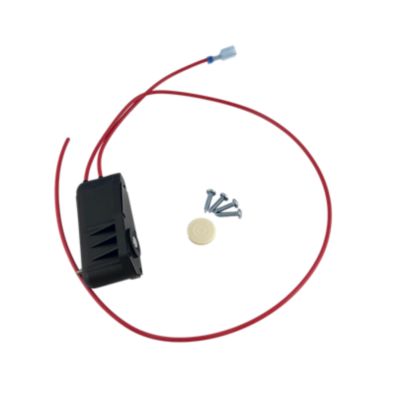
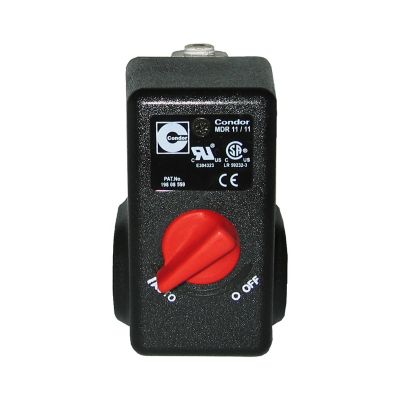
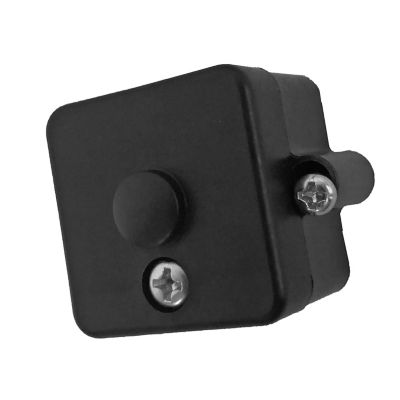
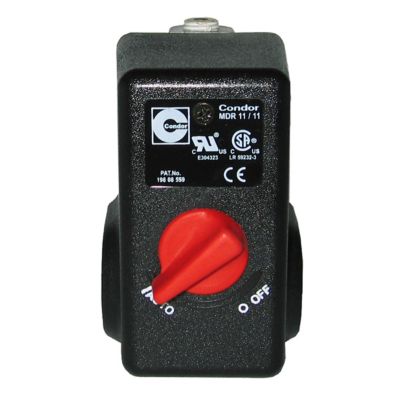
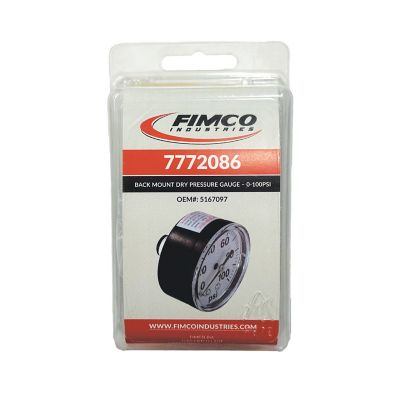
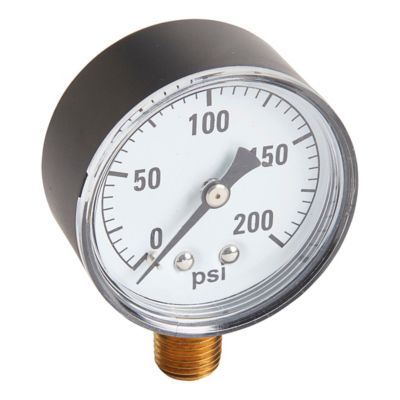
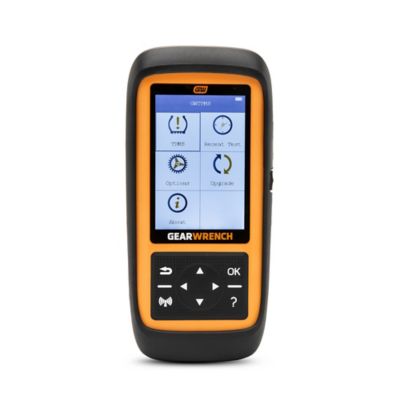
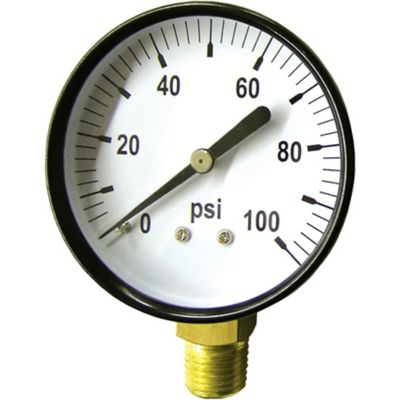
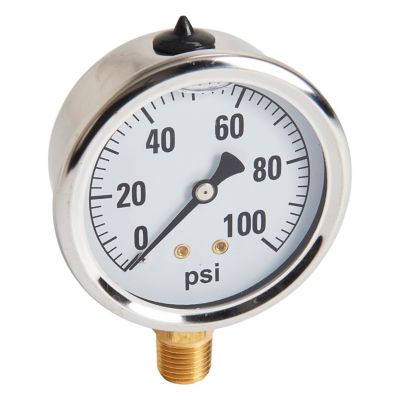
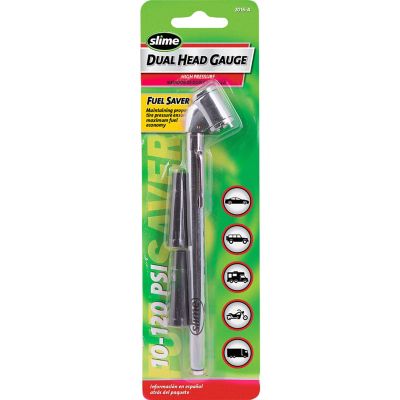
Pressure sensors measure the force of a gas or liquid and convert that measurement into an electrical signal that a controller, monitor, gauge, or other equipment can read. They are used wherever knowing pressure helps a system run safely, efficiently, or consistently, from farm equipment and irrigation setups to air compressors, water systems, sprayers, pumps, hydraulic machinery, and many industrial applications. A sensor may help monitor whether a line is holding the right pressure, alert an operator to a restriction, protect a pump from running under the wrong conditions, or provide feedback for automatic controls. Some are installed in a fixed system and checked only during service, while others send a steady stream of readings to a display or control module. If you are replacing a failed sensor, match the original part carefully rather than choosing by appearance alone. The correct pressure range, electrical connection, mounting thread, connector style, and signal type all matter. A sensor that physically fits but is not designed for the same pressure or electrical system can give inaccurate readings or fail early. It also helps to identify the medium being measured before selecting a part. Air, water, hydraulic fluid, fuel, oil, refrigerant, and other liquids or gases can place different demands on the sensing element, seals, housing, and connection. Pay attention to whether the sensor is rated for the fluid in your system and for the temperatures, vibration, moisture, dust, and weather exposure it may encounter. In a livestock barn, a damp pump shed, or an open-sided equipment area, a durable housing and well-protected connection can make a real difference as cooler weather settles in and equipment sees longer run times.
Pressure sensors are commonly described by the reference used for their measurement. Gauge pressure compares pressure in the system with the surrounding air, making it useful for many air, water, hydraulic, and general equipment applications. Absolute pressure compares the measured pressure with a total vacuum and is often selected when changes in atmospheric pressure need to be removed from the reading. Differential pressure measures the difference between two points, which can help track a filter, monitor airflow, or identify a pressure drop across part of a system. The sensing method also affects how a sensor responds. Piezoresistive and strain-gauge designs use a flexible diaphragm that changes electrical resistance as pressure is applied. Capacitive designs detect movement that changes electrical capacitance and can offer sensitive measurement across a broad range. Piezoelectric designs create an electrical response when the sensing material is compressed, making them well suited to quick pressure changes, vibration, and dynamic measurements, though they are not always intended for steady, long-term static readings. When comparing pressure sensors, start with the maximum expected pressure and choose a suitable range with enough room above normal operating pressure. A sensor operating continually at the very top of its range may not provide the best accuracy or service life. Check the output signal, such as a voltage or current signal, and confirm that it matches the receiving gauge, monitor, controller, or machine wiring. Review accuracy, response time, electrical supply requirements, and whether the sensor is intended for gauge, absolute, or differential readings. Mounting details deserve the same care: thread size and type, port orientation, available clearance, and sealing method must agree with the system. A mismatch can lead to leaks, damaged threads, or a sensor that cannot be installed without stressing the housing. For equipment with related monitoring needs,
Transmission Sensors may also be useful when a transmission control system depends on reliable fluid or operating information.
The right pressure sensor can be useful to a wide range of people, including farmers, ranchers, maintenance crews, mechanics, well and irrigation operators, HVAC technicians, and hands-on homeowners who keep pumps, compressors, and utility equipment in working order. It may be part of a new build, a planned repair, or a troubleshooting job when a gauge reading seems wrong, a pump cycles too often, a sprayer loses its pattern, or a machine enters a warning mode without an obvious cause. Before installation, shut down the equipment, relieve stored pressure, and follow the service instructions for the system. Trapped hydraulic pressure, compressed air, or heated fluid can cause serious injury, even after a motor or engine has been turned off. Keep the sensing port clean, use only a compatible sealing method, and avoid twisting the sensor housing while tightening the connection. Electrical connections should be protected from water, mud, oil, and chafing, especially on tractors, trailers, utility vehicles, and equipment that moves between the yard and the field. After installation, inspect for leaks and compare the reading with a known-good gauge or approved test method. A sensor reading that suddenly jumps, stays fixed, or does not agree with the rest of the system may point to a wiring problem, blocked port, incompatible fluid, incorrect range, or a larger equipment issue rather than a bad sensor alone. During the cooler months, pressure can change as air, water, and fluids respond to temperature, and outdoor lines or seasonal systems may need extra attention to prevent freezing and damage. Store replacement sensors in a clean, dry place, protect threaded ends and connectors, and keep the part information with the machine’s service records. With the medium, pressure range, measurement type, output, mounting details, and working environment all accounted for, it is easier to choose a sensor that provides dependable information and helps keep the equipment around the farm, shop, and home running smoothly.