Transmission sensors monitor conditions inside a vehicle’s transmission and send electrical signals to the transmission control module or powertrain control module. Depending on the sensor, those signals describe shaft speed, gear selector position, hydraulic fluid pressure, or transmission fluid temperature. The control system combines that information with other vehicle data to manage gear changes, torque converter operation, and protective functions. For a pickup pulling a feed trailer, a farm truck making trips between properties, or a car handling the daily drive into town, that communication helps the transmission respond to the job at hand. Transmission speed sensors generally fall into two groups: input speed sensors and output speed sensors. An input sensor measures the rotation of the transmission’s input or turbine shaft, while an output sensor measures rotation on the output side. Comparing those readings helps the controller evaluate gear ratios and identify whether the transmission is operating as expected. On some vehicles, output speed information also contributes to the vehicle speed reading, though other vehicles obtain road speed from wheel speed sensors. Transmission range sensors serve a different purpose. They report the selected shift position, such as park, reverse, neutral, or drive, and may support starter interlock and reverse light functions, depending on the vehicle. Transmission pressure sensors report hydraulic pressure in specific circuits, giving the controller feedback that can help manage clutch application and shift feel. Fluid temperature sensors provide another piece of the picture, supporting operating strategies and protection against overheating. These parts do not all perform the same task, and a transmission may contain several sensors in separate locations. Some mount on the outside of the transmission case; others sit inside the assembly or form part of a larger electrical unit. Knowing the sensor’s role makes category names more useful and helps distinguish a replacement speed sensor from a range or pressure sensor that may look similar but serves an entirely different circuit.
The right transmission sensor starts with fit, not appearance. Vehicle year, make, model, engine, drivetrain configuration, and transmission identification all matter, especially when the same truck model came with more than one transmission. Two sensors can share a similar shape yet differ in connector keying, terminal count, mounting depth, thread size, or electrical signal characteristics. Even within one transmission, an input sensor and an output sensor may have different specifications. A replacement needs to match the intended mounting location and the requirements of the control system, rather than simply plug into the wiring harness. Depending on the application, sensor construction may include a molded polymer housing, a metal body or mounting surface, electrical terminals, and a sealing ring that keeps fluid from escaping around the mounting point. Housing materials and seals must tolerate the fluid exposure, vibration, and operating conditions expected in that location. Sensors mounted near the underside of a work truck also face road splash, grit, and movement in nearby wiring, making intact connectors and proper harness routing important parts of lasting service. Speed sensing designs vary as well. Some detect a rotating toothed wheel through magnetic induction, while others use powered electronic sensing elements. Their testing requirements and signal patterns differ, so matching the specified design matters just as much as matching the mounting hole. Product descriptions may identify a sensor by its function, shaft location, or the manufacturer’s terminology; those details are worth comparing with the vehicle’s service information and replacement part reference. Some assemblies include a seal or mounting hardware, while others require those pieces separately. An internal sensor can also involve access through the transmission pan or another assembly, making installation considerably different from replacing an externally mounted part. For owners who handle their own vehicle maintenance, independent repair shops, and people keeping several work vehicles on the road, these fit and construction details help narrow the selection to the component the vehicle actually needs. A clear application match matters more than a part that merely looks close on the workbench.
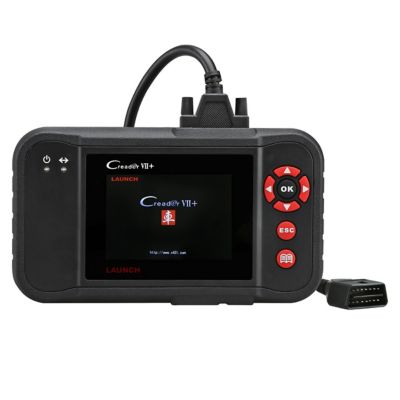
Transmission sensor trouble can show up as a check engine light, delayed engagement, harsh shifts, an unexpected gear display, or restricted operation in a protective mode. A missing or inconsistent speed signal may interfere with shift timing, while a range sensor fault may prevent the vehicle from recognizing park or neutral. Pressure signal problems can affect the controller’s understanding of hydraulic operation. Those symptoms are not proof that a sensor has failed, however. Damaged wiring, loose terminals, corrosion, fluid issues, control system faults, and internal transmission wear can produce overlapping complaints. A diagnostic trouble code identifies a condition or circuit that needs attention; it does not automatically identify the part that needs replacement. That distinction is especially important when a truck begins shifting hard with a trailer attached or hesitates before moving out of the barn lot. Continuing heavy work before the cause is understood can add strain to an already troubled transmission. Sound diagnosis considers the stored codes, live sensor readings, wiring condition, and service procedures for the particular vehicle. Sensor care centers on protecting the connections and seals rather than making routine adjustments. Secure harness clips help keep wires away from exhaust components and moving parts, while clean, fully seated connectors help maintain a steady electrical connection. During related service, keeping dirt out of open sensor ports and following the specified fastener torque protects the mounting area and reduces the chance of leaks. Some replacements also require an alignment procedure, a relearn, or additional checks before normal operation resumes. Transmission maintenance remains important, but a new sensor cannot repair worn clutches, restore damaged gears, or correct every shifting complaint. These components belong to a broader network of vehicle monitoring parts, each with a separate job. For example,
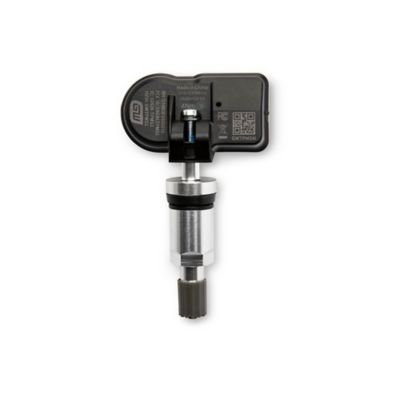
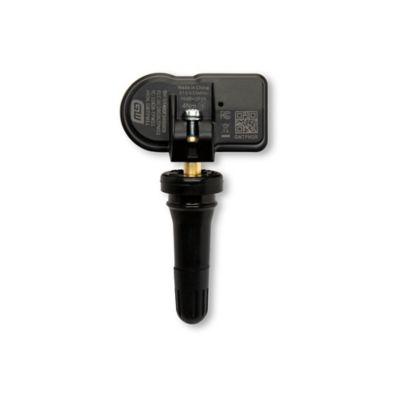
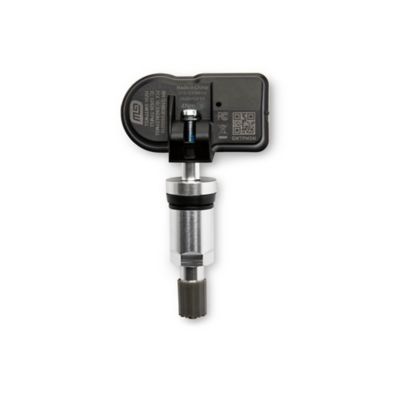
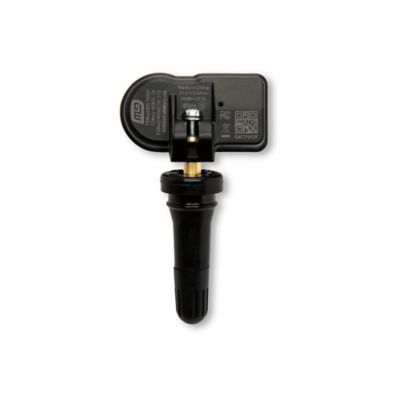
Tire Pressure Sensors monitor tire inflation rather than transmission operation and are not interchangeable with drivetrain sensors. For everyday transportation and working vehicles alike, a properly matched transmission sensor restores the intended source of information to the control system when that sensor is the confirmed fault, supporting the coordinated operation that smooth, predictable shifting depends on.