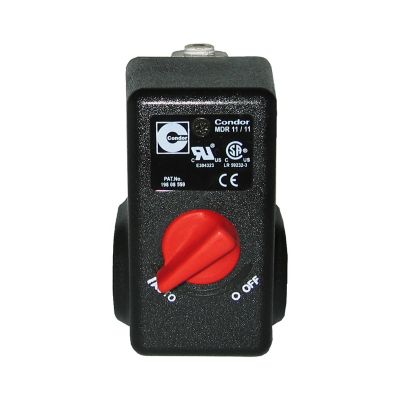
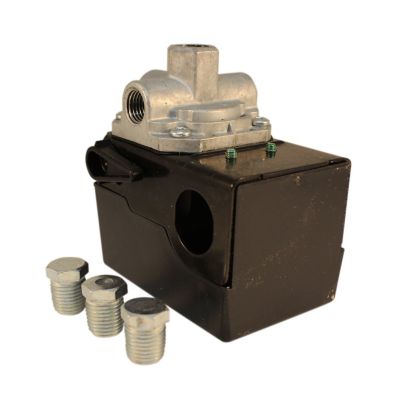
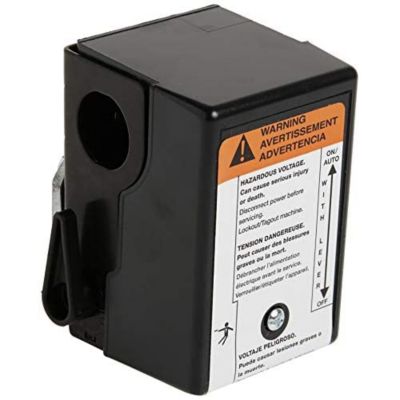
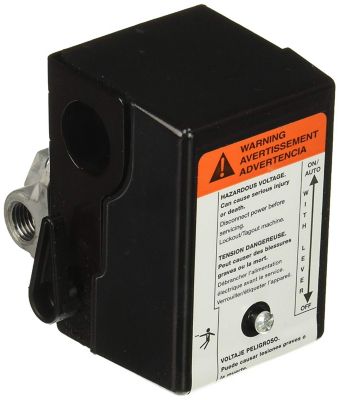
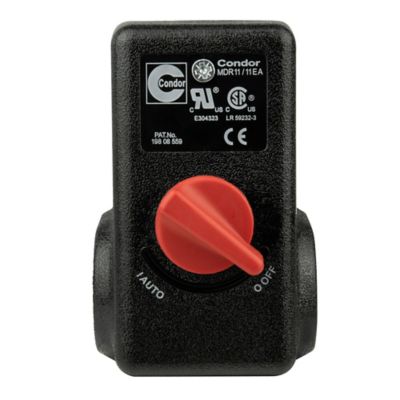
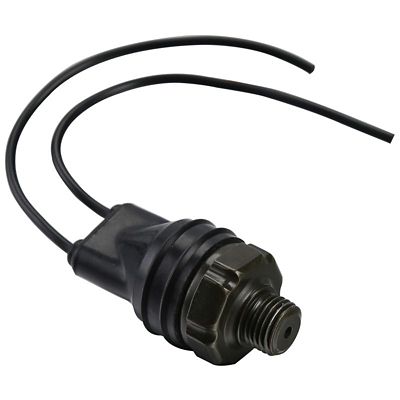
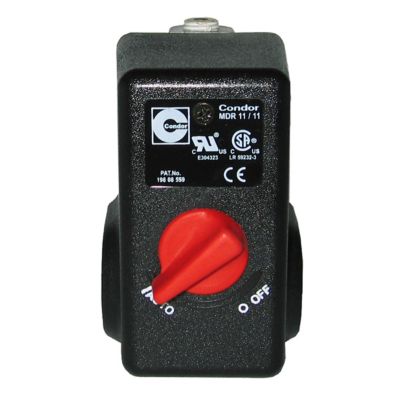
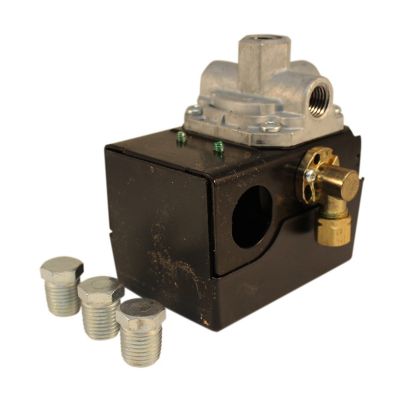
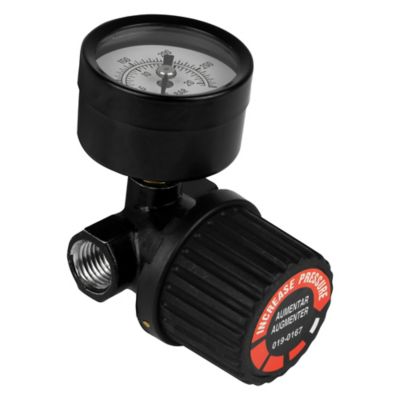
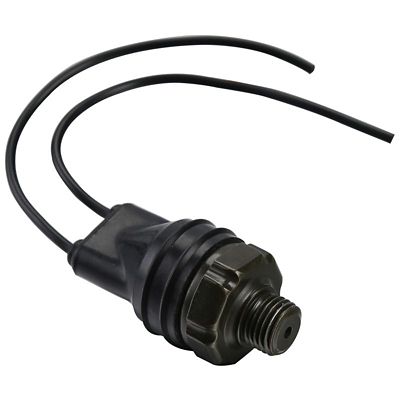
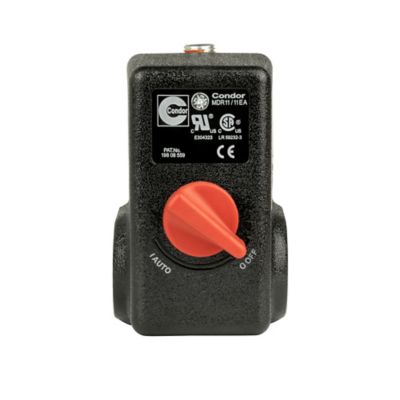
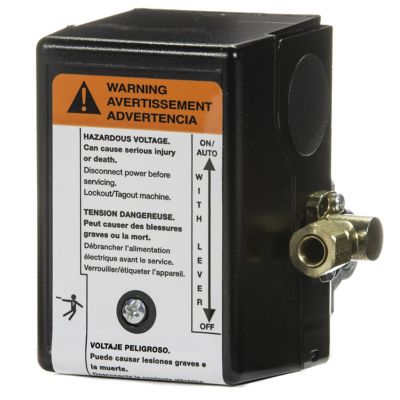
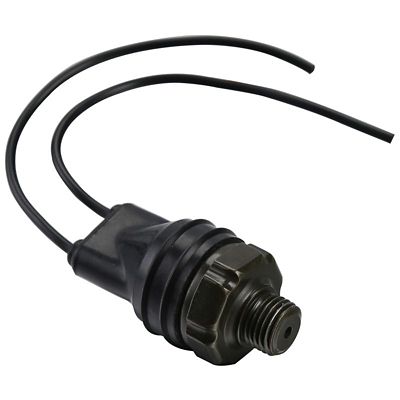
Air pressure switches help an air system run on its own by sensing pressure in a tank or air line and switching the compressor motor on or off at set points. When pressure falls to the cut-in setting, the switch closes the electrical circuit and starts the compressor. As air builds and reaches the cut-out setting, the switch opens the circuit and stops the motor. This simple cycle keeps an onboard air system, shop compressor, or air suspension setup within a working pressure range without requiring someone to stand by the controls. A pressure switch is not the same as an air pressure gauge, which only shows the reading, or a pressure regulator, which lowers and controls outgoing pressure. It also does not replace a pressure relief valve or other safety equipment. For shoppers comparing
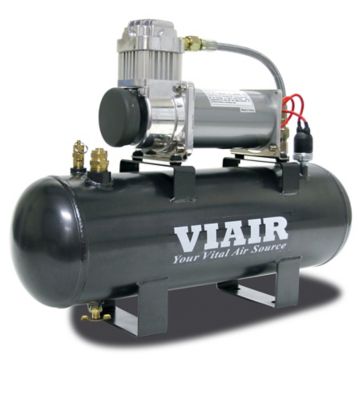
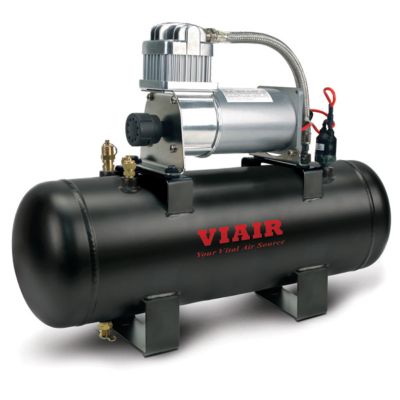
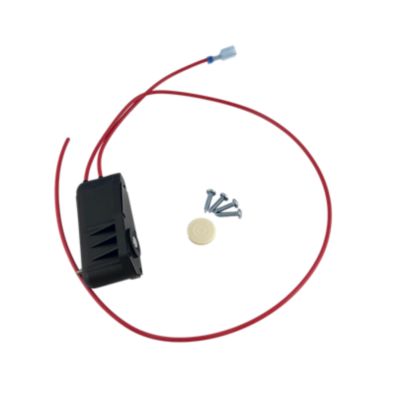
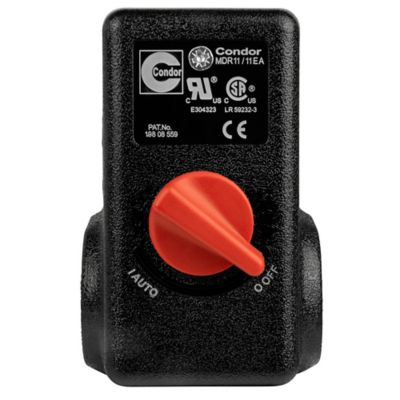
Compressor Switches, the main details to match are the pressure range, cut-in and cut-out settings, electrical rating, connection type, and intended application. A switch designed for a small 12-volt onboard system may not be suitable for a large shop compressor, while a switch made for a higher-voltage motor may not fit a vehicle air setup. Checking the compressor nameplate, tank rating, wiring diagram, and existing switch before ordering can help prevent a mismatch. Keep the switch within the pressure limits specified by the equipment manufacturer, and make sure the system has the proper relief protection in place.
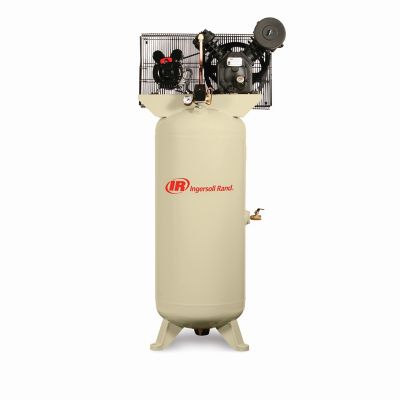
These switches are commonly found around farms, ranches, garages, workshops, trailers, and work trucks. A landowner may rely on an air compressor to inflate tractor and trailer tires, blow dust from equipment, run air tools, or handle routine maintenance in the shop. A truck owner with onboard air may use a pressure switch to control an air tank for tire inflation, air horns, or an air suspension system. In each case, the switch needs to match both the pressure demands and the electrical system. Look for the listed voltage, amperage, port size, and thread style, then compare those details with the compressor motor, relay, tank, and fittings already in place. The pressure differential, sometimes called the reset range, matters as well. A narrower differential may make the compressor restart sooner after air is drawn down, while a wider range may allow more air use before the motor comes back on. The right setting depends on the tank size, compressor capacity, and the way the system is operated. If a compressor starts and stops too often, the switch setting may not be the only cause; a small tank, an air leak, a restricted line, or a failing check valve can also contribute. If the motor keeps running after the tank reaches its limit, shuts off too soon, or fails to restart when pressure drops, inspect the switch and the rest of the system rather than bypassing the control. A switch with worn contacts, a damaged diaphragm, or debris in the connection may need replacement. For air suspension, confirm that the switch works with the system’s relay and compressor draw, since the pressure switch may control a relay instead of carrying the full motor load directly.
Cold weather and changing conditions can make routine air-system care more important around the farm and shop. Moisture collects inside compressor tanks as air is compressed, and that moisture can lead to rust, frozen lines, or trouble with fittings during the cooler months. Drain the tank as directed, keep connections protected, and check for leaks before putting extra demand on the compressor. A few minutes spent listening for hissing around threaded connections and checking the wiring can reveal a problem before a tire job or equipment repair is underway. Installation should begin with the power disconnected, the tank fully depressurized, and the correct tools on hand. Follow the equipment maker’s instructions for wiring, thread sealant, grounding, and adjustment; never exceed the tank or switch rating. Anyone working on a hard-wired compressor should have the electrical knowledge needed for the voltage and motor load involved, and professional help is a sensible choice when the wiring or pressure system is unclear. After installation, test the cut-in and cut-out operation while watching the gauge, listening for steady motor operation, and checking that the compressor stops at the specified pressure. Avoid turning adjustment screws without knowing how they affect the switch range, and never defeat a safety control to keep equipment running. Whether the system supports a busy repair bench, a livestock operation, a service truck, or an air suspension setup, a properly matched air pressure switch helps automate compressor operation and keeps pressure management straightforward through changing jobs and seasons.