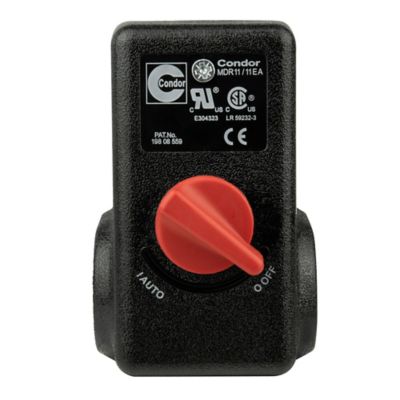
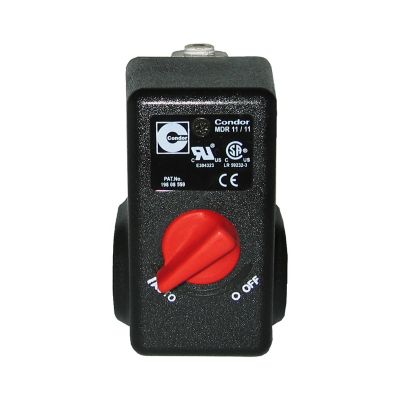
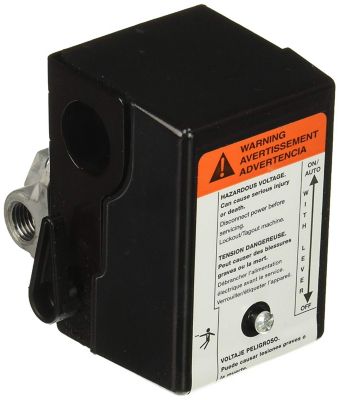
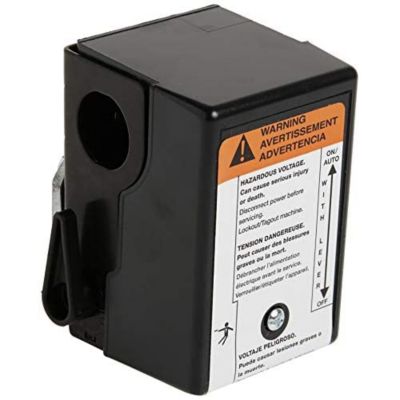
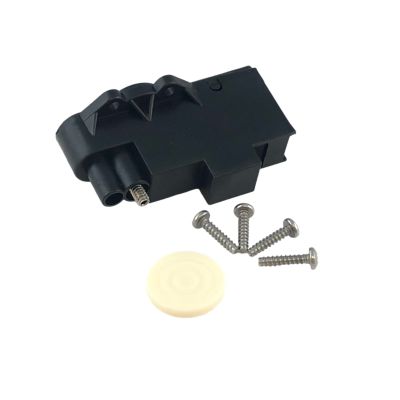
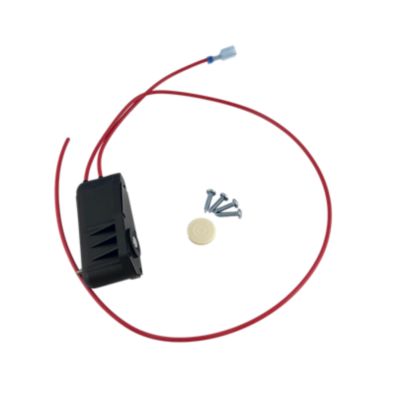
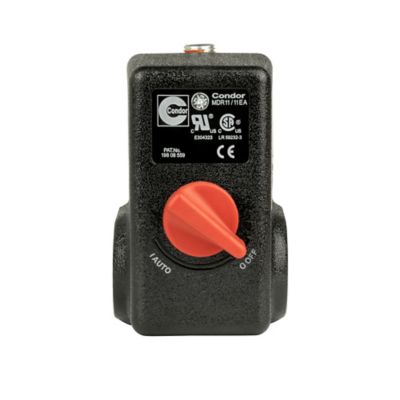
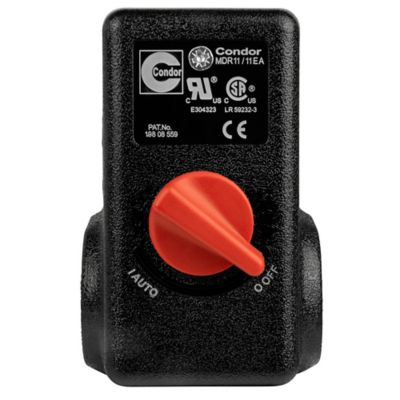
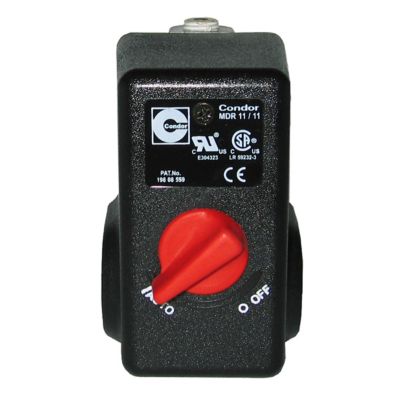
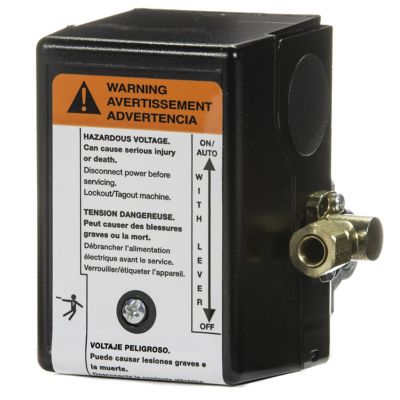
High pressure switches are safety controls used in HVAC and refrigeration systems to help protect a compressor when refrigerant pressure climbs beyond a safe operating range. In normal operation, the switch monitors pressure in the high side of the system. If pressure rises past the switch’s set point, its contacts open and interrupt the low-voltage control circuit, cutting power to the contactor coil and stopping the compressor before excessive pressure can lead to costly damage. This kind of protection matters on everything from equipment in a busy farm shop to air-conditioning systems in a home, office, livestock building, or small commercial space. When outdoor heat, heavy use, restricted airflow, or a mechanical problem puts extra strain on a system, a properly matched high pressure switch can act as an important line of defense. It does not replace regular service, but it can help keep a bad situation from becoming a burned-out compressor. When shopping, start with the equipment manufacturer’s specifications and the original switch information whenever possible. Pay close attention to the cutout pressure, reset pressure, refrigerant or system application, electrical rating, connection style, and pressure-port size. A switch that looks similar may have a different pressure range or terminal arrangement, and using the wrong one can leave the system unprotected or cause nuisance shutdowns. For related jobs that involve moving pressurized fluids, browse
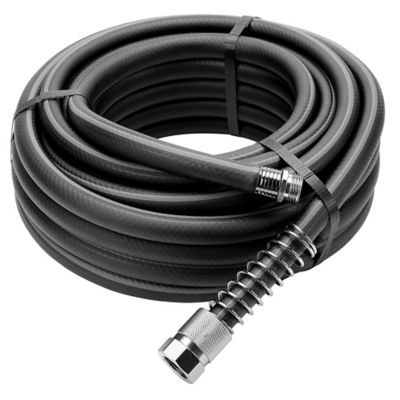
High Pressure Hoses separately, since hose construction and pressure ratings are selected for a different purpose than a control switch.
One of the biggest choices is the reset style. An automatic-reset high pressure switch is designed to close again after pressure falls back within the acceptable range, allowing the equipment to restart when the control circuit calls for operation. That can be handy in systems where a brief pressure spike occurs and qualified service personnel are monitoring the equipment. A manual-reset switch stays open after a pressure trip until someone presses the reset button, which helps keep a compressor from repeatedly starting when an underlying problem has not been corrected. Manual reset can be especially useful on equipment that needs an inspection before returning to service. A trip may be caused by dirty condenser coils that cannot release heat, a failed outdoor fan motor, blocked airflow, an overcharged system, a restriction, extreme outdoor conditions, or another refrigeration problem. The switch itself may be doing its job by shutting the compressor down. Replacing it without finding the reason for the high pressure can leave the same trouble waiting down the line. Before selecting a replacement, compare the switch’s pressure settings with the equipment’s service data rather than guessing from the old part’s appearance. Check whether the system calls for a normally open or normally closed contact arrangement, verify the number and location of terminals, and make sure the pressure connection will seal correctly. Some applications use a direct connection, while others use a capillary tube or another fitting arrangement. It is also worth checking the maximum working pressure and temperature range, especially for equipment exposed to hot sun, dusty yards, wash-down areas, or cooler seasonal conditions. A clean condenser, an unobstructed fan guard, and good airflow still matter just as much as the safety switch. Folks who maintain a shop, greenhouse, cooler, poultry house, rental property, or service truck may keep a properly specified spare on hand, but the replacement should be stored clean and dry and installed only by someone familiar with the equipment and applicable safety procedures.
Because high pressure switches connect refrigeration pressure sensing with electrical controls, installation and troubleshooting deserve care. Refrigerant circuits can remain pressurized even when the unit is turned off, and electrical components may hold dangerous voltage. Shut off and lock out power according to the equipment instructions, and have a qualified HVAC or refrigeration technician handle any work that requires opening the refrigerant circuit, recovering refrigerant, brazing, adjusting a charge, or testing live electrical components. Do not simply bypass a switch to make a compressor run. Bypassing that protection can allow extreme pressure to build and may result in equipment damage, refrigerant release, fire, or serious injury. If a system stops during the warmer part of the year, look for the simple signs a technician can safely evaluate from outside the cabinet, such as a condenser packed with grass clippings, cottonwood fluff, dust, or mud; an outdoor fan that is not running; blocked panels; or unusual cycling and noise. During cooler months, equipment that sits unused may still need attention before it is placed back into service, particularly in a dusty barn, garage, or outbuilding where nests and debris can restrict airflow. Product descriptions and equipment manuals may list pressure cutout and reset values in different units, so compare the numbers carefully and confirm the switch is intended for the exact application. A reliable match should fit the system’s control voltage and contact load, provide the right pressure range, and suit the refrigerant and connection type specified by the manufacturer. Whether the switch is being purchased for routine maintenance, a repair project, or a spare for a hard-working property, choosing by specifications rather than looks helps keep cooling equipment dependable when the barn office, feed room, workshop, or family living space needs it most.