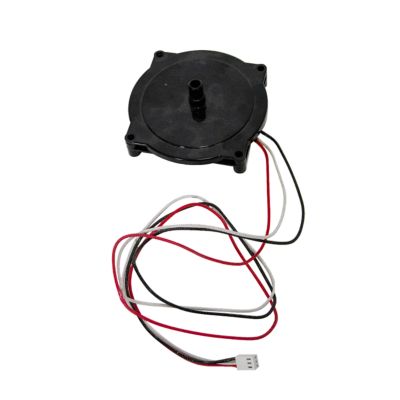
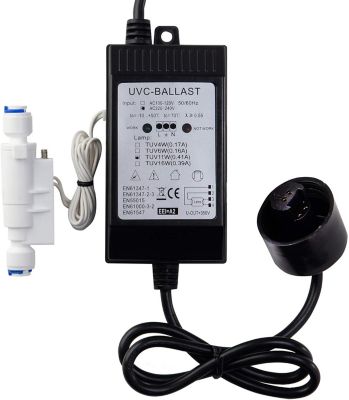
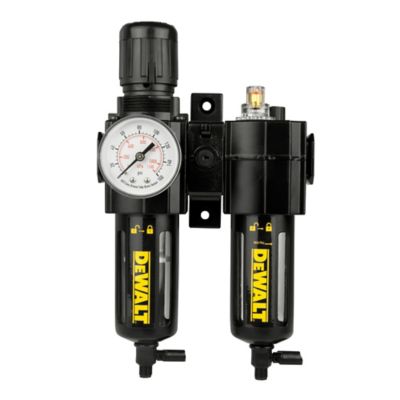
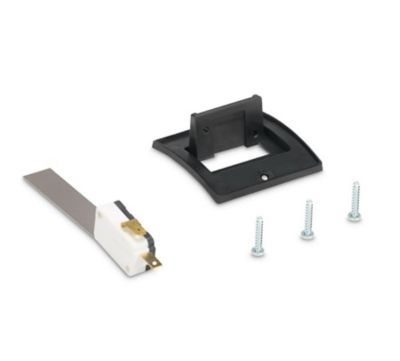
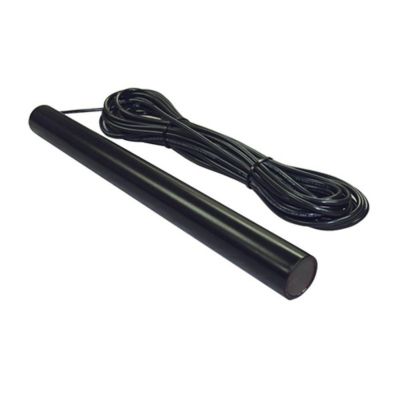
When it comes to keeping engines running smooth and equipment working right, air flow sensors are one of those unsung heroes under the hood. Folks who spend a lot of time with tractors, pickups, or even side-by-sides know that the right air-fuel mixture keeps things humming along, whether you’re hauling hay, mowing a big field, or just heading out to check fences. Air flow sensors—sometimes called mass air flow (MAF) sensors—measure exactly how much air is getting pulled into your engine. That info gets sent straight to the engine computer, which uses it to figure out just the right amount of fuel to inject. If you’ve ever noticed your engine sputtering, stalling, or idling rough, or maybe your fuel economy taking a hit, it might be time to check that flow sensor air setup. A sensor that’s dirty or on its way out can throw off the whole system, making your equipment work harder than it needs to. It’s a good habit to clean your air flow sensor whenever you swap out your air filter, and make sure the air cleaner housing isn’t full of dust or debris. Regular upkeep like this can make a real difference, especially as the weather warms up and you’re out working longer days.
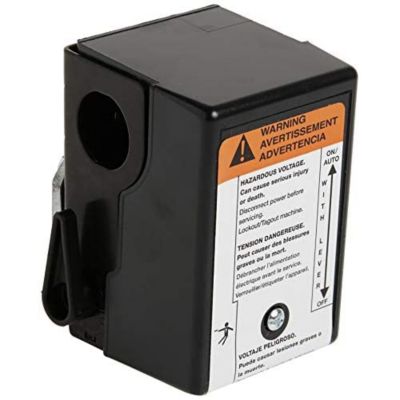
For anyone who spends their summer and fall keeping land in shape, running a small farm, or taking care of a fleet of vehicles, knowing a bit about air flow sensors can save you a lot of headaches. These little gadgets are built to last, but after years of use—especially in dusty fields or muddy trails—they can start acting up. If your check engine light pops on, or you notice the engine running rough, it’s worth taking a look at the sensor before bigger problems crop up. Replacing one isn’t too tough, either: just disconnect the battery, pop out the old sensor, and slide in the new one (they’re designed to fit only one way, so you can’t mess it up). It’s the kind of job you can knock out in the driveway or barn between chores. Air flow sensors also make a thoughtful gift for anyone who’s handy with their own repairs—think of the neighbor who’s always lending you tools, or the family member who loves tinkering on old trucks. They’re practical, not flashy, but they sure come in handy, especially when equipment gets a workout during the busy seasons. And if you’re looking to keep your whole air system in top shape, you might also want to check out
Air Pressure Switches to round out your maintenance routine.
The real beauty of a good flow sensor air setup is how it helps engines adapt to changing conditions. Out here, temperatures swing from cool mornings to hot afternoons, and humidity can go from bone-dry to sticky in a hurry. Air flow sensors help your engine keep up, adjusting the air-fuel mix so you get steady power and better fuel efficiency no matter what the day brings. Whether you’re loading up for a weekend at the county fair, getting ready for harvest, or just making sure your daily driver is ready for those backroad trips, keeping an eye on your air flow sensor is a simple step that pays off. It’s one of those details that might not get much attention, but makes all the difference when you need your equipment to start up and run right every time.