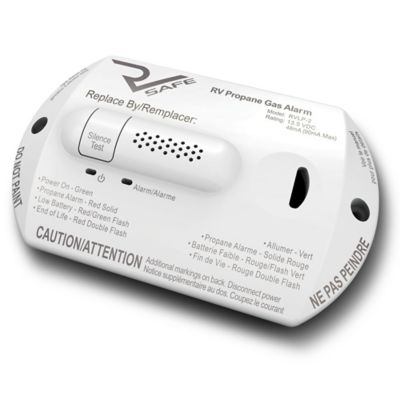
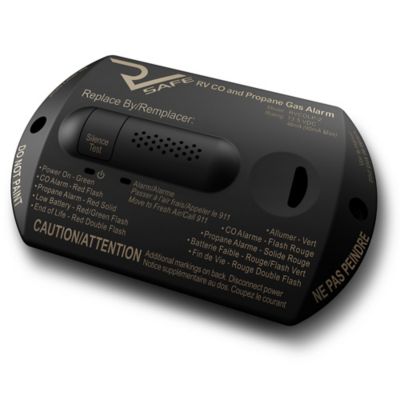
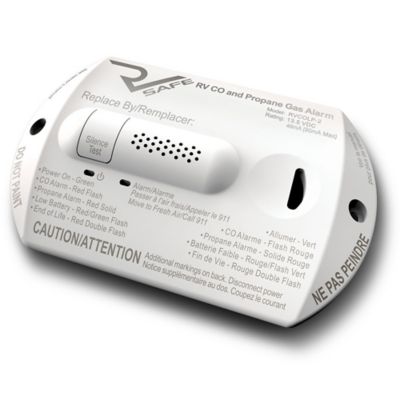
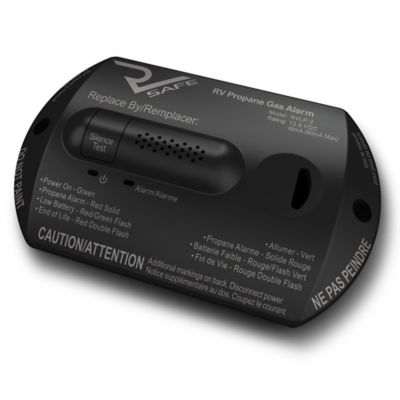
Propane sensors serve two different jobs: propane gas detectors alert people to propane in the surrounding air, while propane tank level sensors measure how much liquid fuel remains inside a compatible tank. That distinction matters whether the setup serves a farmhouse kitchen, a travel trailer, or an outdoor grill. A leak detector is a safety device; a level monitor is a fuel-management tool. One does not take the place of the other. Propane gas is heavier than air and can collect in low areas, so indoor propane alarms generally belong near floor level, with exact placement determined by the manufacturer’s directions. Distance from appliances, doors, vents, and other openings also matters. A detector intended for an RV needs to suit that setting, including its electrical system and installation requirements, rather than simply fitting an open spot on the wall. Household plug-in detectors, hardwired alarms, and battery-powered designs have different power needs, and not every style suits every location. Clear labeling, a readily visible status light, an audible alarm, and certification from a recognized testing organization are useful details to compare. A propane-only detector does not replace a smoke alarm or a carbon monoxide alarm, and a combination alarm detects only the hazards specifically named on its label. This is especially important around fuel-burning equipment, where a propane leak and carbon monoxide buildup are separate concerns. For a family spending the night in a camper or working around a propane appliance at home, the right detector adds a dedicated warning system without depending on someone noticing an odor. It does not replace proper installation, ventilation, or equipment maintenance. A propane alarm or suspected leak calls for leaving the area and contacting the propane supplier or emergency responders from a safe location. Operating switches, lighting a flame, or staying inside to investigate can create additional danger.
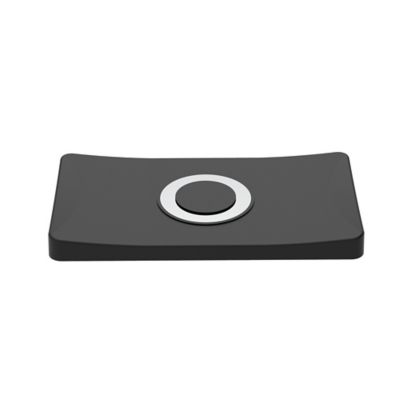
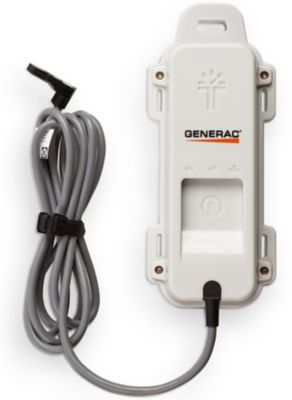
Propane tank level sensors help take some of the guesswork out of planning a cookout, packing the camper, or keeping track of a portable fuel supply. These monitors measure remaining liquid propane rather than checking the surrounding air for a leak. Some designs attach beneath a compatible cylinder and send an ultrasonic signal through the tank wall to determine the liquid level. Depending on the system, readings may appear on a nearby display or travel wirelessly to a phone app. Other monitoring arrangements connect with a compatible tank gauge, so the sensing method and tank requirements deserve a close look. Matching sensors with
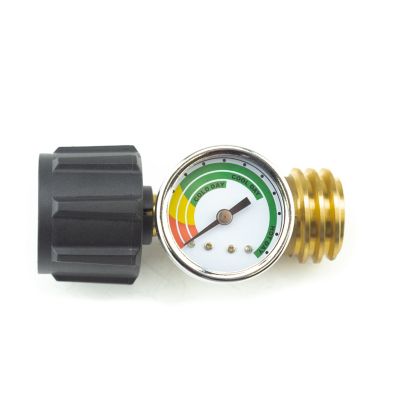
Propane Tanks means checking more than capacity alone: cylinder material, bottom shape, mounting clearance, and the manufacturer’s compatibility list can all affect fit. A monitor meant for an upright portable cylinder is not automatically suitable for a horizontal tank or a permanent installation. Magnetic attachments need a compatible steel surface, while aluminum cylinders require a mounting arrangement approved for that material. Beneath a grill or camper, the tank’s support ring and tray can also limit the room available for a sensor. A clear reading depends on proper contact and positioning, not simply fastening the device wherever it fits. Some sensing surfaces require a coupling material specified by the manufacturer; others have different contact requirements. These details make a difference when comparing mounting styles and ongoing care. Wireless features can make a reading easier to check from a nearby campsite chair or before heading out for a refill, but signal range depends on distance, surrounding structures, and the installation. App compatibility, battery type, and whether a separate receiver is necessary are worth considering together. A level monitor can help with refill planning, but it cannot promise uninterrupted fuel delivery or confirm that the entire propane system is free of leaks. Likewise, a pressure reading alone generally does not provide a dependable measure of the liquid propane remaining in a cylinder.
The best match comes down to where the sensor will live, what it needs to measure, and how easily its condition can be checked during everyday chores. In a camper, a replacement gas alarm may need to fit an existing wall opening and connect to the specified power supply; matching the opening alone is not enough. A different voltage, mounting depth, or wiring arrangement can turn an apparently simple replacement into work for a qualified technician. Around an outdoor tank, a level sensor’s housing, battery compartment, and mounting hardware need to suit the exposure described in its rating. An indoor device should not be treated as an outdoor monitor just because it can communicate wirelessly. Plastic housings, sealed compartments, corrosion-resistant hardware, and protected connections may offer practical benefits, but those features still need to match the intended installation. Accessibility matters, too. A status light hidden behind furniture or a tank sensor buried in an awkward mounting tray makes routine checks harder than they need to be. Gas alarms need testing at the intervals specified by their manufacturer, and the test button does not establish that every part of the propane system is sound. Sensing elements have a stated service life, so an alarm that still lights up may nevertheless be due for replacement. Cleaning directions matter as well: paint, solvents, sprays, and dust can interfere with some detectors, while rough scraping can damage a tank monitor’s contact surface. For wireless monitors, battery condition and the time of the last successful reading help put an app display in context; a saved reading is not necessarily a fresh measurement. A straightforward setup with understandable alerts often serves a busy household better than extra features nobody checks. Whether the goal is an audible warning near an approved propane appliance or a clearer picture of fuel remaining in a grill cylinder, choosing the correct sensor type keeps the job clear. Properly matched equipment supports everyday awareness while leaving tank repairs, gas-line work, and leak investigations to qualified professionals.