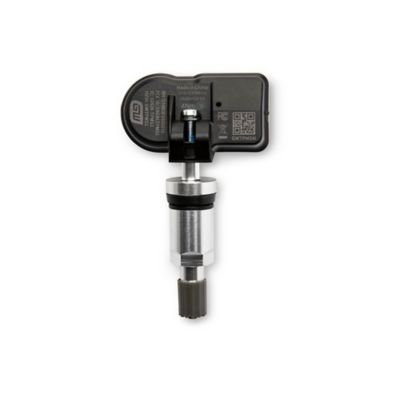
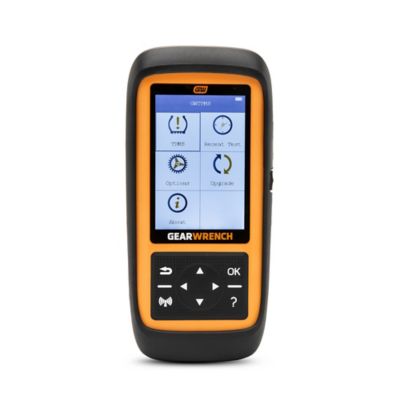
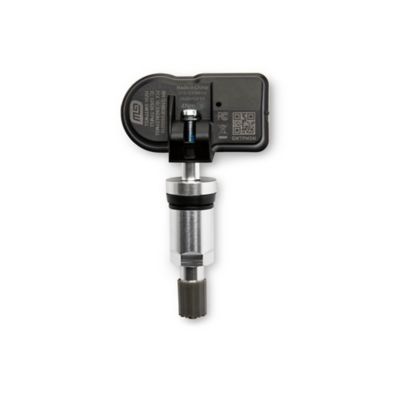
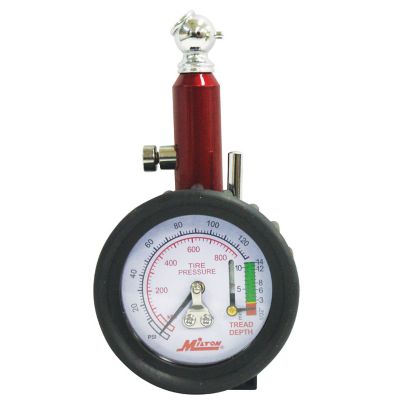
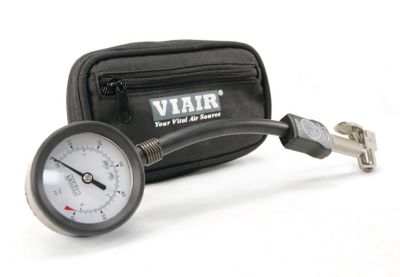
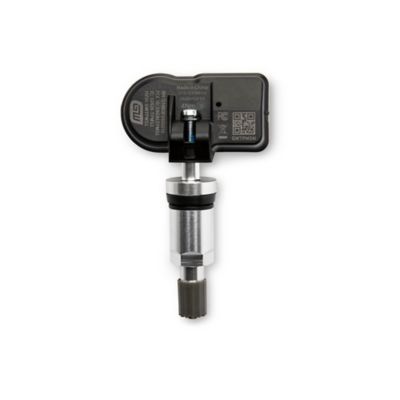
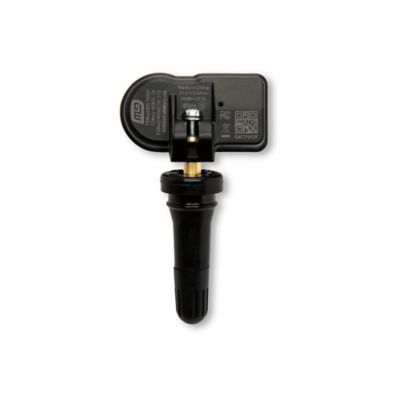
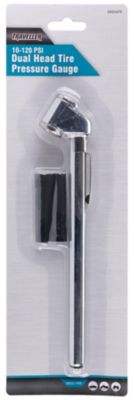
Tire pressure sensors, often called TPMS sensors, help keep tabs on the air inside a vehicle’s tires and send pressure information to the dashboard. They are a handy part of a regular vehicle check, whether the vehicle spends its days hauling feed across a gravel lane, commuting to work, pulling a trailer, or making long trips between towns. Proper tire pressure supports steady handling, even tread wear, braking performance, and fuel efficiency, while also helping tires carry their rated load as intended. A tire pressure sensor does not replace a visual inspection or a quality tire pressure gauge, but it gives the driver an early heads-up when pressure needs attention. On many vehicles, a solid TPMS warning light means one or more tires may be underinflated. A flashing light often points to a sensor or system problem instead of a simple pressure loss, so the vehicle should be checked rather than assuming that adding air will solve it. A sensor may also be worth considering when a warning light stays on after the tires have been filled to the pressure listed on the driver’s doorjamb label, not the maximum pressure molded into the tire sidewall. These sensors are useful for cars, pickup trucks, sport utility vehicles, and other road-going vehicles equipped with a tire pressure monitoring system. They can also make a thoughtful gift for a new driver, a family member who travels for work, or anyone who spends plenty of time behind the wheel and prefers an extra layer of information before heading down the road.
When choosing tire pressure sensors, vehicle fit is the first thing to check. The correct sensor depends on the vehicle year, make, model, wheel setup, and the type of TPMS system used. Direct TPMS uses a physical sensor mounted inside each tire, commonly as part of the valve stem assembly, to measure pressure and transmit a radio-frequency signal to the vehicle. Indirect TPMS does not use a pressure sensor inside the tire; instead, it uses the vehicle’s anti-lock braking system wheel-speed sensors to compare how quickly the tires rotate and identify a likely pressure difference. Because these systems work differently, a replacement sensor is not automatically right for every vehicle with a TPMS warning. Check the vehicle’s owner’s manual, fitment information, and installation requirements before purchasing. Some sensors arrive ready to be installed and programmed, while others may require vehicle-specific programming, a relearn procedure, or professional service after installation. The sensor may need to be paired with the vehicle after the tire is mounted, and the tire must be removed from the wheel to reach an internal sensor. That work calls for the right tire equipment and a careful hand, since forcing a tire bead near the valve stem can damage a new unit. If a vehicle uses a sensor built into the valve stem, inspect the stem, cap, seal, and retaining hardware as part of the replacement. Choosing a compatible assembly and replacing related service parts when needed can help prevent slow leaks and save a second trip to the tire shop.
Tire pressure can change with temperature, load, and everyday driving conditions. During the cooler months, the air inside a tire contracts, and a pressure warning may appear after an overnight temperature drop even when the tire has no puncture. Pressure can rise again after the vehicle has been driven and the tires warm up, but that does not mean the cold pressure should be ignored. Check and adjust pressure when the tires are cool, using the vehicle manufacturer’s recommended setting. On the other hand, hot pavement, heavy hauling, long highway miles, and an overloaded vehicle can raise tire temperature and place extra demands on the tires, so proper inflation matters during warmer stretches as well. A sensor can lose communication because of a worn internal battery, physical damage from a pothole or tire service, corrosion around the valve area, or a system fault. Many TPMS sensor batteries are sealed and cannot be replaced separately; when the battery reaches the end of its service life, the complete sensor generally needs to be replaced. It is also smart to confirm that the warning is not caused by a nail, bead leak, damaged valve, or another tire problem. For drivers comparing related vehicle monitoring parts,
Transmission Sensors serve a different purpose and should not be used as a substitute for tire pressure monitoring equipment. Keeping the right sensor on hand or replacing a worn one during routine tire service can help a vehicle stay ready for school runs, livestock chores, back-road errands, and cooler-weather travel.